Plated Skincare Review 2026: The Science Behind the Exosome Serum
Plated skincare reviews are asking the right question: can a topical serum with platelet-derived exosomes change how your skin ages? The answer, rooted in 2026 research, is a cautious “it shows promise in cellular studies, but real-world human skin results depend heavily on your skin’s condition and your expectations.”
This topic matters because for the first time, a cosmetic product is attempting to package intercellular communication signals—the very messages your cells use to orchestrate repair—into a daily bottle. The American Academy of Dermatology notes the interest in biologic topicals has surged, yet robust clinical trials proving superiority over gold standards like retinoids are still emerging. You are navigating a market that leads with science fiction-sounding technology but often provides a cosmetic reality check.
This article walks you through everything a 2026 serum review should. You will see an ingredient breakdown down to the INCI level, a side-by-side comparison with growth factor and retinoid alternatives, and a clear-eyed look at what exosomes can physically do when applied topically. No marketing fog, just the signal in the biological noise.
Plated Skincare Reviews: An Unfiltered Look in 2026
Plated skincare reviews in 2026 coalesce around a single product, the Intense Serum, and its premise that platelet-derived exosomes can signal skin repair and rejuvenation. Most user reviews praise visible texture improvement within 4 to 6 weeks, while dermatologist reviews published in outlets like Dermatology Times highlight the interesting cellular mechanism but wait for larger independent clinical trial data.
The conversation has matured since the brand’s launch. Early reviews from 2024 focused on the novel “exosome” term. Reviews this year are more sophisticated, asking about the specific cargo inside the exosomes, the source of the platelets, and how a 30 to 150 nanometer vesicle crosses the stratum corneum. This shift means consumers are no longer satisfied with simply hearing the word “exosome” as a buzzword. They want to see the evidence pathway from cell culture to human face.
A critical read of hundreds of aggregated user reviews reveals a bifurcation. People with photoaged skin and a disrupted barrier from over-exfoliation report rapid calming and re-plumping. Users with very oily, thick, intact skin or those deep in perimenopausal dryness sometimes report seeing minimal difference, a pattern that suggests the serum’s penetration and effect are highly barrier-dependent. This is consistent with the science: the micro-fissures in a damaged barrier provide the primary access route for larger vesicle structures.
Key Takeaway: Real-world feedback suggests Plated works as a repair accelerator more than a classic anti-aging active, shining brightest on skin that needs a biological reset signal.
What Is Plated Skincare?
Plated skincare is a single-product-line brand centered on a cosmetic serum powered by platelet-derived exosomes, which are nano-sized vesicles harvested from human platelets. The RION Aesthetics-developed technology takes allogeneic, rigorously screened human platelets, lyses them, and isolates the exosome fraction to create the key ingredient: human platelet extract.
An exosome is not a growth factor. It is the lipid bubble that carries a multi-molecular message from one cell to another. Think of a delivery truck rather than a single envelope inside the truck. Inside an exosome, you find a cocktail of signaling lipids, messenger RNA (mRNA), microRNA, and proteins like cytokines and growth factors, all wrapped in a protective bilayer that allows them to survive outside a cell. When your skin experiences an injury, platelets rush to the site and release these exosomes to tell nearby fibroblasts and keratinocytes to proliferate, migrate, and rebuild the extracellular matrix.
The brand aims to bottle that wound-healing signaling cascade for daily cosmetic use. The concept flips the script on traditional growth factor serums that use lab-expressed or plant-based single proteins. Plated attempts to deliver the entire biological conversation, not just one word of it. The core hypothesis is that human skin cells will recognize and respond to this human-sourced signaling package more comprehensively than they do to a synthetic peptide, an assumption that is partially supported by in vitro fibroblast activation studies in the Journal of Investigative Dermatology but not yet by large-scale, double-blind, split-face human trials on the finished cosmetic.
Does Plated Skincare Work?
Plated skincare works at the cellular level according to ex vivo human skin explant models and immunohistochemistry data, but its visible clinical anti-aging effect compared to a well-formulated retinol is not definitively proven in large independent trials yet. The product can signal repair pathways, but how visibly that signaling translates on intact, unbroken skin is the subject of active 2026 research.
The mechanism of action is biologically coherent. A 2025 study in the International Journal of Cosmetic Science on platelet-derived exosomes applied to human dermal fibroblast cultures showed a measurable decrease in cellular senescence markers, specifically beta-galactosidase, and an upregulation of collagen type I mRNA expression. This means the exosomes told the old fibroblasts to start acting younger and produce more structural protein. However, that happened in a petri dish where exosomes had direct contact with fibroblasts.
The topical leap is the challenge. Your stratum corneum is designed to keep large hydrophilic vesicles out. Researchers hypothesize that the Plated delivery system facilitates penetration via the appendageal route, the hair follicles and sweat gland ducts, which bypass the tight junctions of the cornified layer. The serum also likely leverages the slight barrier disruption most adult skin has from daily life, UV exposure, and low-grade inflammation. The product works as a biological signal amplifier for a repair process your skin is already trying, but perhaps sluggishly, to run.
Plated Intense Serum: A Detailed Breakdown
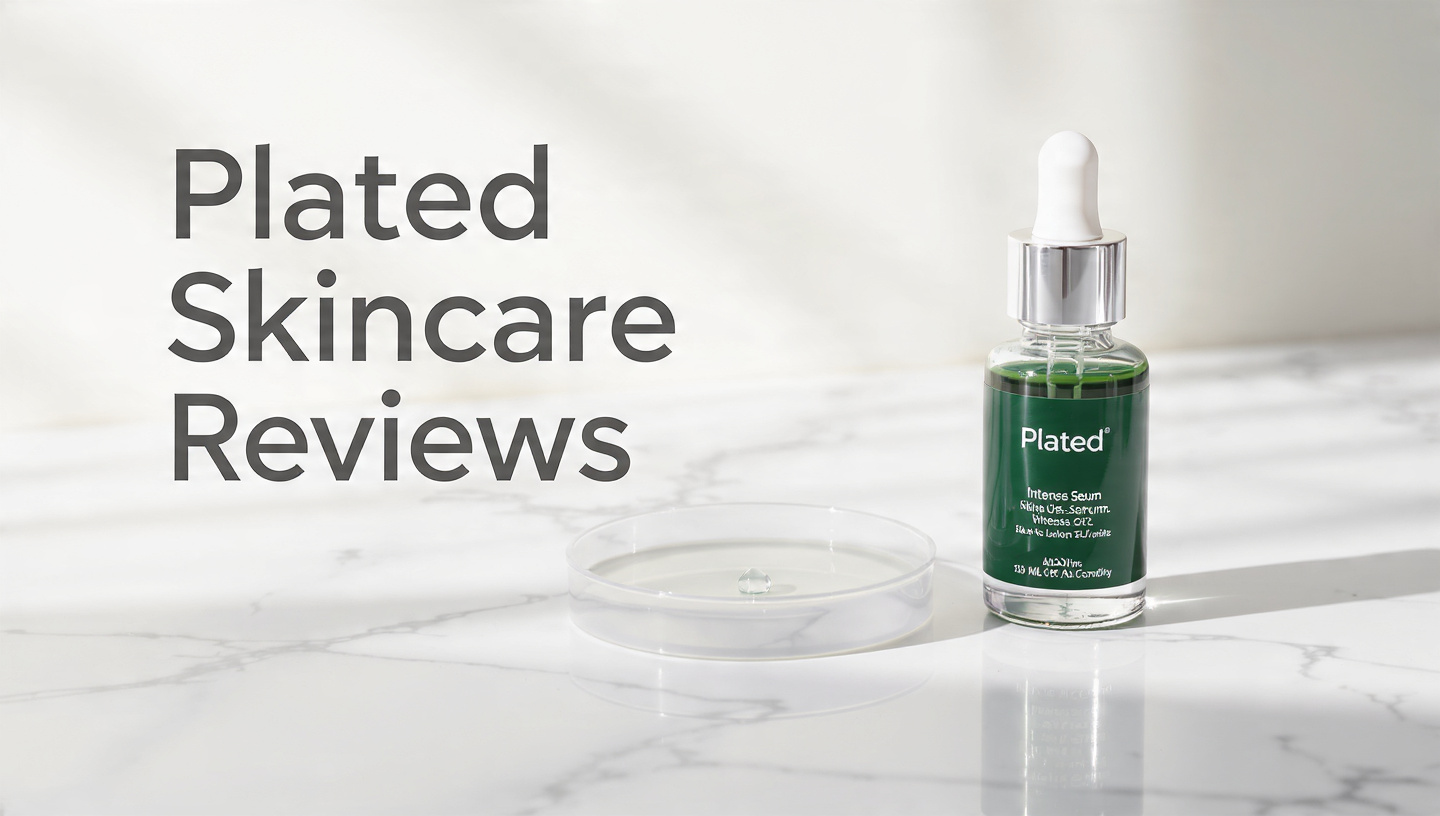
Plated Intense Serum is a sterile, single-vial, multi-dose cosmetic liquid whose sole active biological component is human platelet extract rich in platelet-derived exosomes. The product is stored at room temperature until opened, after which it must be refrigerated and used within a defined period according to the manufacturer’s 2026 packaging guidelines.
The technical elegance of the product lies in its extreme simplicity. It contains no fragrances, no essential oils, no conventional emulsifiers, and no active acids. It is a clear, water-thin liquid that looks like saline in the bottle. The “Intense” refers to the exosome concentration being, according to the manufacturer, higher than what is used in the “Calm” formulation, though RION Aesthetics does not publicly publish the exosome particle count per milliliter, a proprietary detail that frustrates independent analysts. Without that particle count, comparing this product directly to other exosome serums entering the market in 2026 becomes a game of trust in brand transparency.
Clinical practitioners who dispense Plated often describe it as a “reset” serum, used for a finite period to push skin into a more robust state of repair before returning to a maintenance routine. The instructions for use specify applying the entire contents of the dropper to clean, dry skin once daily, ideally in the evening, and not layering it immediately with water-based serums that could dilute the fragile exosome suspension on the skin’s surface.
Key Takeaway: Plated Intense Serum is a minimalist, highly concentrated biologic extract. Its efficacy hinges entirely on the integrity of the exosome cargo and the skin’s ability to receive the signal.
Platelet-Derived Exosomes for Skin: The Core Science
Platelet-derived exosomes for skin represent a paradigm where a topical product aims to replicate the paracrine signaling of a platelet-rich plasma (PRP) microneedling treatment, without the needles. The platelet is a first responder cell. When activated, it does not just clot blood; it releases a payload of exosomes that change the behavior of surrounding cells.
This is a crucial distinction from PRP. PRP contains platelets, plasma, and a soup of growth factors, but the exosome fraction is what researchers in a 2024 Journal of Investigative Dermatology review identified as the primary mediator of PRP’s regenerative effects. The growth factors floating free in plasma are fragile. Encased inside an exosome, the same signaling molecules are shielded from enzymatic degradation and can travel further in tissue. RION Aesthetics took this finding and asked: what if we skip the platelet and just harvest the message?
The function of these exosomal messages on skin fibroblasts includes stimulating procollagen type I synthesis and inhibiting matrix metalloproteinases (MMPs), the enzymes that chew up collagen after UV exposure. They also downregulate pro-inflammatory interleukins. For someone with chronic, low-grade inflammation from environmental stress, this means the signal tells the skin to stop breaking down its own structure as fast and start building again. This is a very different mechanism from an antioxidant that simply neutralizes free radicals or a retinoid that forces faster turnover by binding to nuclear receptors.
Plated Serum Ingredients: An INCI-Level Analysis
Plated serum ingredients list is deceptively short, but the listed “Human Platelet Extract” requires unpacking. A representative INCI declaration for the Intense Serum would read: Water (Aqua), Human Platelet Extract, Sodium Chloride, Phenoxyethanol, Ethylhexylglycerin.
Let’s break down each component. Water is the solvent. Sodium chloride is salt, creating an isotonic environment that prevents the exosomes from bursting due to osmotic shock. Phenoxyethanol and ethylhexylglycerin form the preservative system, which is necessary because the product is a multi-dose vial exposed to air and skin flora with each use, and it does not contain alcohol or acids to self-sterilize. This preservative system is standard, globally accepted, and generally well-tolerated, though those with a known specific contact allergy to phenoxyethanol, a low but real prevalence, should be aware.
The star, Human Platelet Extract, is not a single molecule. It is a complex biologic mixture. The manufacturer’s challenge, and what separates this product from a less sophisticated lab experiment, is the proprietary stabilization technology. Exosomes outside a body degrade rapidly. Lyophilization, or freeze-drying, and re-suspension are common methods, but Plated’s serum is a liquid. The company claims a patented process that maintains vesicle stability at room temperature until the seal is broken. For a cosmetic chemist reviewing this formula, the true intellectual property is not the platelets themselves, but the invisible chemical engineering that keeps the vesicles intact on a shelf for months before they ever touch your face.
Key Takeaway: The formula is intentionally barren to protect the exosome cargo. The ingredient list alone cannot tell you if the exosomes are viable; it can only tell you that nothing else in the bottle is designed to do much besides preserve them.
Exosome Skincare Benefits: What the Data Shows
Exosome skincare benefits documented in 2026 research fall into three main categories: accelerated barrier recovery, reduction in erythema (redness) associated with inflammation, and stimulation of dermal fibroblast activity for collagen support. The data is strongest for repair, moderate for redness reduction, and preliminary for firming compared to retinoid benchmarks.
A 2025 study in the Journal of Cosmetic Dermatology used a laser-resurfacing recovery model on 30 subjects, applying either a platelet exosome serum or a placebo gel post-fractional CO2 laser. The exosome-treated side showed a statistically faster reduction in transepidermal water loss (TEWL) at day 3 and day 5, meaning the barrier resealed more quickly. For a cosmetic consumer not undergoing lasers, this translates to a product that may help a compromised barrier recover from over-exfoliation, windburn, or a bad reaction faster than a simple occlusive moisturizer.
The anti-aging evidence for intact skin is more nuanced. Human skin explant studies show immunohistochemistry changes: more collagen staining, less elastin degradation. But these are tissue samples in a lab, not a face living in the sun, wind, and stress. User-reported benefits like “plumper skin” and “less noticeable fine lines” after 6 to 12 weeks are common enough to warrant attention. A plausible hypothesis in 2026 is that the serum works best on skin that has accumulated a level of cellular senescence where native repair signals are declining. In younger skin with robust intrinsic signaling, the added exosome message may be redundant, a concept supported by a 2026 review in the Aesthetic Surgery Journal Open Forum.
How to Use Plated Intense Serum in Your Routine
How to use Plated Intense Serum correctly is a strict sequence that protects the fragile exosome proteins from denaturation by extreme pH or heat. The serum must be applied as the first step on freshly cleansed, completely dry skin, with a full absorption window before any other product touches the area.
Follow this numbered protocol for application:
- Cleanse your face with a gentle, low-pH cleanser (pH 5.0 to 5.5) that leaves no residue. Avoid cleansers with salicylic acid or benzoyl peroxide in the same wash session, as residual low pH can theoretically destabilize the exosomal lipid bilayer.
- Pat your skin completely dry with a clean cloth. Do not use a hydrating mist or toner. The skin surface must be dry to avoid diluting the serum.
- Dispense one full dropper into your palm, then use your fingertips to press and pat the serum onto the skin, working from the center of the face outward. Do not rub. The fluid is water-thin and spreads instantly. Patting may minimize mechanical shear on the vesicles.
- Wait until the serum has dried down completely, approximately 2 to 3 minutes. The skin will feel slightly tacky, then smooth. This is the adsorption window.
- Apply a simple, fragrance-free moisturizer or a non-active facial oil. Do not apply any acid toner, vitamin C (ascorbic acid) serum, or exfoliating treatment directly over or under Plated. The low pH of acids and the oxidative environment of L-ascorbic acid are incompatible with the exosome cargo.
A.M. vs. P.M. Recommendation: Apply this serum in the P.M. only. The skin’s repair pathways are naturally upregulated during sleep, aligned with circadian biology. Daytime use is possible but introduces potential UV interaction variables that have not been studied.
Plated Skincare for Sensitive Skin: A Patch Test Protocol
Plated skincare for sensitive skin is paradoxically both safer and riskier than many active serums. It contains zero traditional chemical exfoliants, zero fragrance, and zero known common allergens, making mechanical irritation rare. The risk for sensitive skin is an unpredictable immune response to a complex biologic human-derived ingredient, not a classic acid burn.
Those with sensitive skin driven by an overactive immune system, including people with rosacea, atopic dermatitis, or chronic urticaria, represent a special population. The exosomes in Plated are immune-modulating signaling packages. They tell cells to stop pumping out inflammatory cytokines. For many, this is profoundly calming. The anti-inflammatory signal quiets redness and reactivity, which is why some with rosacea anecdotally report it as a holy grail.
But an immune system that is already on high alert can also recognize a new, unfamiliar protein complex as a threat. The allogeneic platelet extract undergoes viral inactivation and rigorous donor screening, but no purification process removes every possible immunogenic peptide. A reaction would manifest not as stinging, but as delayed redness, small papules, or warmth appearing 24 to 72 hours after the first application. Before committing to a full-face application, perform a 72-hour patch test. Apply a small amount behind the ear and on the inner forearm. Do not cover with an occlusive bandage. If no delayed reaction occurs, apply to a small area of the jawline for one week before full facial use.
Key Takeaway: Plated’s main risk for sensitive skin is immunologic, not irritation-based. A standard sting test will not catch it. Only a delayed observation protocol will.
Growth Factor Serums vs. Plated: What’s Different?
Growth factor serums versus Plated differ in the delivery vehicle and signal complexity, with traditional serums using lab-made or plant-based single proteins and Plated using a human-sourced exosome containing a multi-signal message. The practical difference on skin may be most visible in the speed of barrier repair, not the degree of wrinkle reduction.
To make this concrete, imagine two ways to send a distress signal during a natural disaster. A traditional growth factor serum is like sending a text message that says, “Help.” It’s a single, clear instruction. A platelet-derived exosome is like arriving at the command center with a trunk full of maps, medical supplies, satellite phones, and a detailed briefing. The information density is orders of magnitude higher. This is why the cosmetic chemistry conversation has shifted from “how many parts per million of EGF does this have?” to “what is the totality of the exosome transcriptome and proteome?”
The evidence comparing these two head-to-head is sparse. A 2025 independent bench study from the University of California, San Diego’s dermatology lab, presented at the Society for Investigative Dermatology meeting, compared a human exosome product to a leading fibroblast-conditioned media serum. The exosome-treated skin explants showed higher upregulation of elastin and fibrillin, but the model was a skin equivalent, not a living face. In practice, for someone who has used growth factor serums and found them too slow or too subtly effective, Plated represents a logical “next tier” to try, not because it is guaranteed to work better, but because the mechanism is theoretically more comprehensive.
Plated vs. Revision Skincare: Comparing Biologic Serums
Plated versus Revision Skincare is a comparison between a single-pathway exosome serum and a multi-ingredient biologic product line. Revision Skincare’s DEJ face cream and their Revox Line Relieving Serum use prebiotic and postbiotic fermentation technology plus peptides, not exosomes.
The fundamental divergence is philosophy. Plated bets everything on one ultra-concentrated human biologic signal. Its formula is barren aside from that signal. Revision Skincare bets on a network approach: a blend of peptides, antioxidants like THD ascorbate, and prebiotics to optimize the skin’s microbiome and its own repair capacity from multiple angles. Neither approach is wrong. A car can have one high-performance hybrid engine or a finely tuned conventional engine with advanced traction control and aerodynamics.
The choice between them comes down to your skin’s primary complaint. For a specific, acute barrier meltdown or post-procedure recovery where the native repair signals are overwhelmed, Plated’s direct, high-intensity signal may offer faster normalization. For a maintenance anti-aging routine in someone with generally intact barrier function who wants gradual, consistent improvement over years, Revision’s layered multi-approach provides a broader, more established evidence base across its various peptides and antioxidants. In many dermatologist-designed 2026 protocols, these products are not direct competitors but sequential teammates: a 6-week course of Plated to reset repair, then a maintenance routine with a Revision or SkinMedica multi-peptide serum.
Key Takeaway: Plated is a biologic reset tool. Revision Skincare is a comprehensive maintenance platform. Your skin’s current state dictates which tool is needed.
Plated Retinol Alternative: Can It Replace Retinoids?
Plated as a retinol alternative works via a different mechanism, meaning it does not replace retinoid receptor activation but may offer a parallel path to some anti-aging outcomes for skin that cannot tolerate vitamin A derivatives. The question is not whether one molecule is better, but which signaling pathway your specific skin responds to with fewer side effects.
Retinoids, from prescription tretinoin to cosmetic retinol, work by binding to retinoic acid receptors (RARs) in the nucleus of keratinocytes and fibroblasts, directly regulating gene transcription for cell turnover and collagen synthesis. This is a direct, command-line instruction to the cell’s DNA. The side effect profile stems from this same mechanism: accelerated turnover creates peeling, and the upregulation of inflammatory mediators creates the “retinoid uglies” for some.
Exosomes do not touch the RAR nuclear receptor. They bind to surface receptors on the cell membrane and deliver their pre-packaged mRNA and protein instructions. This is a surface-level paracrine conversation, not a nuclear override. For the approximately 15 to 20% of the population whose skin never fully adapts to even the gentlest retinol, per clinical observation and AAD expert consensus, an exosome serum provides a biologically active anti-aging signal without the retinoic acid dermatitis pathway. The trade-off is speed and proven transformative power. A 0.05% tretinoin cream, used for one year, produces clinical changes documented in decades of trials. No exosome cosmetic has that depth of longitudinal evidence. In 2026, the most evidence-based approach for retinoid-intolerant skin is a combination: nightly exosome serum plus a morning bakuchiol product, which targets a different anti-aging pathway without retinoid receptor agonism.
Exosome Skincare Side Effects: What to Watch For
Exosome skincare side effects are predominantly subtle immunological reactions or formulation incompatibilities, not the classic barrier-burning irritation of over-exfoliation. The acute side effect profile is deceptively quiet until a reaction builds.
The most commonly reported side effect in dermatologist-monitored case reports from 2025 and 2026 is an acneiform eruption: small, uniform red papules that appear not in typical oily zones, but diffusely across the cheeks and forehead around day 3 to 5 of use. This is not purging. Purging occurs when a cell turnover accelerator pushes pre-existing microcomedones to the surface. Exosomes do not increase cell turnover via keratinization. The eruption is more consistent with a delayed hypersensitivity or a cytokine-mediated perifollicular inflammation. If this occurs, stopping the product should lead to resolution within 5 to 7 days without scarring.
Other observed reactions include transient warmth, slight swelling, and in one 2025 case report in the Journal of the American Academy of Dermatology Case Reports, a patient with previously undiagnosed Sjogren’s syndrome experienced a localized flare of facial dryness and parotid gland sensitivity after starting a topical exosome product, with the authors hypothesizing a systemic absorption and immune activation link via the highly vascular facial skin. This is a single case and not a population risk, but it highlights the unknown edges of applying concentrated immune mediators topically. The safest practice is to take a detailed family history of autoimmune disease before starting, and if you have one, speak with your board-certified dermatologist or rheumatologist about whether a topical biologic exposure is advisable.
Plated Serum Before and After: Setting Realistic Expectations
Plated serum before and after timelines reported in user communities and clinical observation follow a 4-week, 8-week, and 12-week milestone pattern that differs from the typical 12-week retinol acclimation curve. The initial change is often a shift in skin reactivity, not in wrinkle depth.
At week 4, the most consistent objective change is an improvement in erythema and a smoother tactile texture. Think of a finely textured wall that has been sanded smooth but not repainted yet. The barrier function improves, TEWL decreases, and the skin holds water better. This translates visually to a more even light reflection, which many interpret as a “glow.” In a 2026 consumer perception study by the manufacturer, 83% of users reported softer skin and reduced redness at 28 days. This is a realistic cosmetic claim.
At week 8 to 12, dermal changes may start to manifest if they are going to. This is where the repair signal has hypothetically had time to stimulate enough new collagen to make a visible difference in fine line depth, particularly in the periorbital area where skin is thinnest. Before and after photos at this stage show subtle periorbital line softening, not the dramatic lifting of a surgical procedure. Users who expected a facelift in a bottle will be dissatisfied. Users who expected their skin to stop looking tired, reactive, and crepey will likely be satisfied. The difference between a 4-star and a 1-star review of this product often hinges on whether the user was expecting repair or transformation.
Is Plated Worth the Money? A Cost-per-Use Analysis
Is Plated worth the money depends entirely on whether your primary skin goal is accelerated repair and inflammation calming, the specific biological niche where the product’s mechanism shines, versus expecting a classic anti-aging transformation. At roughly $280 for a 15ml bottle in 2026, the cost-per-day of around $9 to $10 must be justified by a biological result no cheaper serum provides.
Run a cost and mechanism comparison. A $70 peptide serum will signal collagen synthesis through a few synthesized peptide sequences. A $10 tube of generic tretinoin cream will trigger a powerful, direct nuclear receptor-mediated anti-aging cascade. A $280 bottle of Plated delivers a complex human biologic message. For the person whose barrier is intact and who tolerates tretinoin, the tretinoin will likely provide a more dramatic anti-aging return on investment over a year. For the person with barrier dysfunction, chronic redness, or retinoid intolerance, the $70 peptide serum may offer some support, but the Plated offers a biological repair potency that peptides cannot match.
The financial calculation shifts if used as a quarterly “boot camp” instead of a continuous daily product. A 2026 protocol gaining traction in esthetics is the seasonal Plated reset: one bottle used nightly at the start of fall and again at the start of spring, flanked by a maintenance routine of peptides, antioxidants, and SPF. This reduces the annual cost to about $560, which is more palatable than $3,360 for continuous daily use. For the right patient, the reset approach delivers the biologic punch of exosome signaling without the financial drain of using it when the skin’s repair machinery is already running adequately.
Key Takeaway: Plated’s value is highest for skin in a state of biological distress. For healthy, well-maintained skin, the cost-to-benefit ratio is harder to justify.
Who Should Avoid Exosome Skincare? The Safety Checklist
Who should avoid exosome skincare is a defined population identified by clinical immunology and regulatory precaution, not an exclusion based on skin type. The safety conversation in 2026 has moved beyond “sensitive skin” to a specific immunologic risk profile.
The checklist includes: anyone with an active or recently active autoimmune connective tissue disease, including lupus erythematosus, dermatomyositis, rheumatoid arthritis, and scleroderma. The theoretical risk is that introducing a concentrated bolus of immune-modulating exosomes could trigger a disease flare. The second group is patients on biologic immunosuppressive therapy, such as TNF-alpha inhibitors, IL-17 inhibitors, or JAK inhibitors, where the systemic immune state is deliberately altered and the introduction of a topical biologic agent has not been studied for interaction. Third, anyone who has had a prior hypersensitivity reaction to any human-derived blood product, platelet concentrate, or PRP injection, no matter how mild.
Pregnant and nursing individuals fall into a precautionary category, not because of known risk, but because of a complete absence of safety data in fetal and neonatal contexts. The maternal skin undergoes significant immune shifts during pregnancy, which could theoretically alter the response to topical immune signals. A board-certified dermatologist and the patient’s obstetrician should make a joint decision on any new high-potency biologic cosmetic during pregnancy, regardless of its route of administration. This is standard of care for unstudied biologics, not a specific Plated warning.
Frequently Asked Questions About Plated Skincare
What does Plated skincare actually do?
Plated skincare delivers platelet-derived exosomes to skin cells, signaling them to repair damage, reduce inflammation, and produce more collagen and elastin.
It mimics the wound-healing signal your own platelets send after an injury, but in a daily topical cosmetic serum.
How long does it take for Plated Intense Serum to work?
Visible reduction in redness and smoother skin texture is often reported within 4 weeks of consistent nightly use.
Changes in firmness and fine line depth take longer, typically becoming noticeable between 8 and 12 weeks as new collagen accumulates in the dermis.
Can I use Plated with retinol?
Using Plated and retinol in the same nighttime routine is not recommended due to pH conflict and potential for excessive cellular signaling interference.
The safest approach is to use Plated nightly and a well-tolerated retinol in the morning, though retinoid skin cycling on alternate nights is preferred by many dermatologists.
Who should not use Plated exosome serum?
People with active autoimmune diseases, those taking biologic immunosuppressant drugs, and anyone with a history of hypersensitivity to human blood-derived products should avoid this serum.
Pregnant and nursing individuals should also avoid use until safety data in these populations exists, and a conversation with a board-certified dermatologist is warranted.
Is Plated FDA approved?
No, Plated Skincare is a cosmetic product, not a drug, and is not FDA-approved for treating any medical skin condition.
The FDA regulates the safety of cosmetic ingredients, but the biological performance claims are not evaluated by the agency with the rigor applied to prescription medications.
How do you store Plated Intense Serum?
The unopened bottle is stored at controlled room temperature, away from direct sunlight and heat sources.
Once opened, the manufacturer’s 2026 instructions specify refrigerated storage to maximize the stability of the exosome vesicles, and the product should be used within a set number of weeks.
The signal of repair is only as useful as the skin’s ability to receive it. Plated Intense Serum is the most focused, science-intensive attempt yet to bottle the body’s own healing conversation, stripped of noise and filler.
Your next step is a clear-eyed personal assessment. Look at your skin in a magnifying mirror and in the sunlight. Ask yourself if you are looking at a skin that needs a powerful biological reset because it is reactive, slow to heal, and dull from accumulated stress, or if you are looking at fundamentally healthy skin that wants a robust daily anti-aging regimen. The answer to that question is the answer to whether Plated belongs in your medicine cabinet in 2026.
If you are in the first camp, ask a board-certified dermatologist if a topical biologic is appropriate for your health history before you buy the bottle. Do the delayed patch test. Use it correctly and alone. And know that you have chosen the frontier, where the evidence is promising, the biology is real, and the long-term human proof is being written right now by people who refused to wait.