Why French Makeup Skincare Wins: A Clinical Guide for 2026
French makeup skincare is not a makeup category; it is a clinical philosophy of creating healthy skin that renders heavy foundation obsolete. The global obsession with an effortlessly chic aesthetic misses the point entirely. What actually exists is a rigorous, science-backed pharmacy tradition that treats the skin barrier first and prioritizes formulation elegance second. You are not buying a tube of cream. You are buying over a century of hydrogel research, postbiotic fermentation, and UV filter innovation that the FDA has not yet fully approved for American shelves.
This matters because most skincare marketing sells you a fantasy. French pharmacie brands sell you a therapeutic agent in an elegant vehicle. A 2022 analysis in the International Journal of Cosmetic Science noted that French formulation labs often co-locate with thermal spring water sources, integrating live biotechnologies like Aquaphilus dolomiae directly into moisturizers. You are getting microbiology in a bottle, not just a scented emulsion. The distinction is the difference between hiding a breakout and preventing the inflammatory cascade that causes it.
This article strips the marketing myth from the clinical reality. We will dissect specific ingredients with their INCI names, explain why a French moisturizer does not feel like an American one, and build a routine based on the minimum effective dose. We will cover why retinaldehyde outperforms retinol, why some cult toners should never touch reactive skin, and how to pick a French SPF 50 with a UVA-PF high enough to actually prevent hyperpigmentation. This is the guide for people who care about the science underneath the chic.
French Makeup Skincare: The Real Clinical Edge
French makeup skincare refers to the ecosystem of dermo-cosmetic products designed to treat skin conditions so effectively that decorative coverage becomes optional. The clinical edge does not come from a mystical Parisian ingredient. It originates inside French pharmacies, where pharmacists receive extensive training in dermatological pathologies and dispense skincare alongside prescription medication. The products they stock are held to a higher therapeutic claim standard by the European Commission Cosmetics Regulation No 1223/2009 than many over-the-counter cosmetic items in the United States.
The focus sits squarely on restoring the stratum corneum. Instead of stripping a pimple with a harsh acid pad, a French dermo-cosmetic approach uses a prebiotic spray or a postbiotic moisturizer to reduce C. acnes colonization without destroying the lipid barrier. This creates the visual result people chase when they search for a “French makeup look.” The skin is not just matte or dewy. It is visibly less inflamed. Capillaries are constricted, not just covered. The texture is smooth because trans-epidermal water loss (TEWL) is controlled, preventing the rough, dry patches that cause foundation to separate.
Contrast this with the American “more is more” approach. The AAD warns that over-exfoliation is one of the most common causes of an acquired impaired barrier in adult women. French formulations for acne-prone skin often include a 0.1% retinaldehyde for its direct antibacterial action on propionibacteria, instead of pushing benzoyl peroxide concentrations that clinically dry the skin within 48 hours.
Key Takeaway: The “glow” is not a highlighter. It is a functioning skin barrier with low subclinical inflammation.
French Pharmacy Skincare Philosophy: A Barrier-First Doctrine
The French pharmacy skincare philosophy operates on a single immutable law: nothing clinical happens on a broken barrier. Treating hyperpigmentation with an active on a compromised lipid bilayer will only intensify inflammation and trigger more melanin deposition. The doctrine views the skin not as a canvas for aggressive actives but as a living ecosystem where the microbiome and the acid mantle dictate your visual outcome. If your skin is tight after washing, no vitamin C serum applied next will work optimally because the paracellular permeability has been shattered.
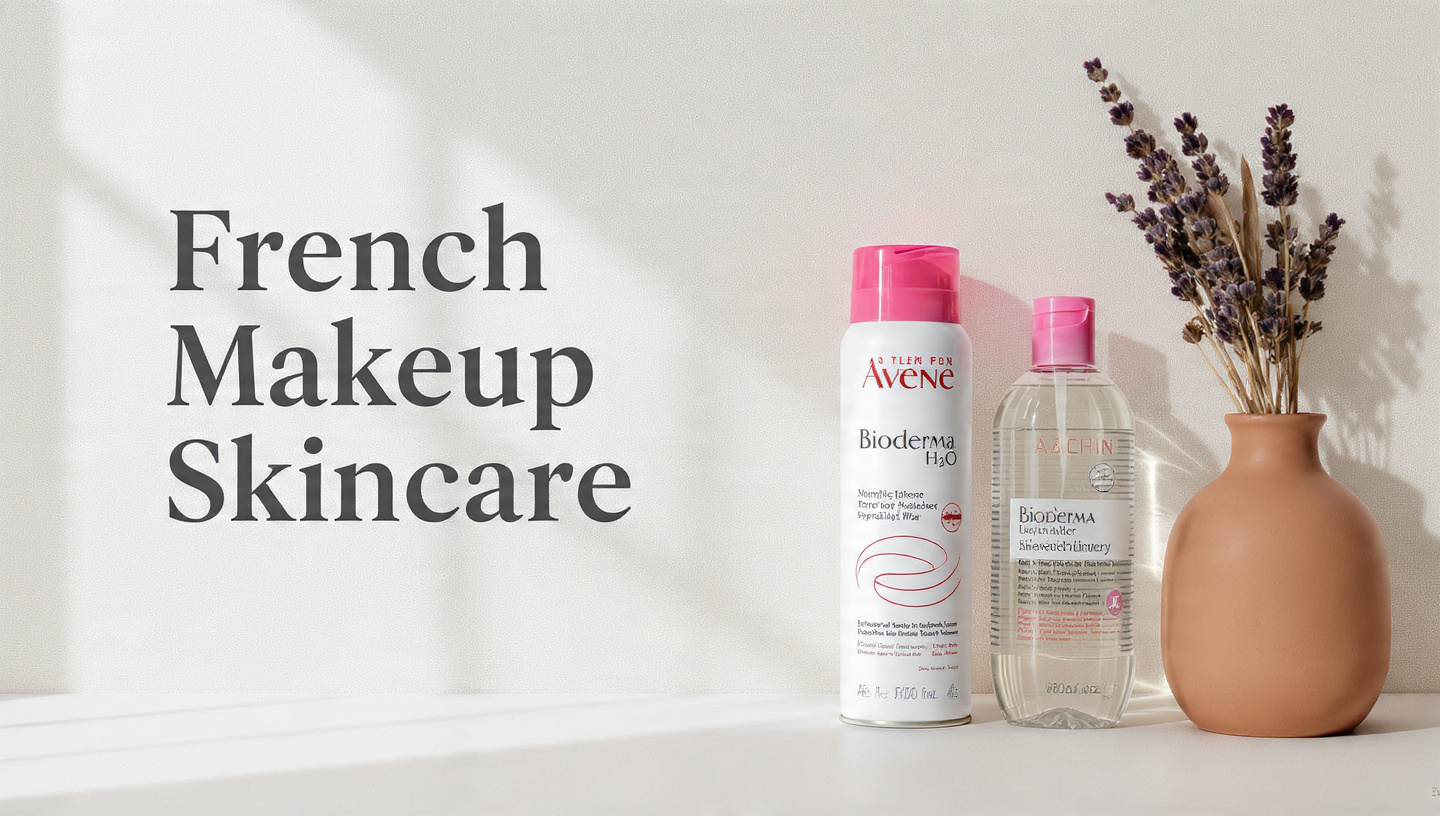
This philosophy dictates that a large portion of a French skincare budget goes to the “boring” steps. A micellar water like Bioderma Sensibio H2O uses PEG-6 Caprylic/Capric Glycerides to form micelles that lift oil without disrupting the ionic bonds of the stratum corneum. A thermal spring water mist from La Roche-Posay delivers a selenium-rich prebiotic environment that supports non-pathogenic flora. This is not hydration; it is environmental conditioning. You prepare the soil before you plant the seed.
American and Korean beauty systems often prioritize immediate actives or multi-step layering, respectively. The French system rejects both in favor of a minimal “grandmother knew best” core. The reasoning is biological. A study published in the Journal of Investigative Dermatology confirms that a slightly acidic skin pH (around 5.5) is required for optimal ceramide synthesis by beta-glucocerebrosidase. French cleansers often pivot to a syndet technology (synthetic detergent) with a precisely calibrated pH to preserve this acid mantle, rather than stripping it to a 7.0 pH or higher, which requires the skin hours to rebalance.
This is not a luxury. This is cellular logistics. When you see a French woman using only three products, she is not being lazy; she is not breaking the chemical equilibrium that allows enzymes like kallikreins to execute normal desquamation. Over-cleansing stops the skin from naturally shedding, leading to the dull texture that Western consumers often try to fix with more exfoliating acids.
Key Takeaway: Protect the acid mantle and lipid barrier with pH-correct, non-stripping formulas, and you reduce the number of corrective actives you ever need to buy.
French Skincare Ingredients Explained: The Therapeutic Toolkit
French skincare ingredients explained properly require a shift from the “hero active” mentality to a “vehicle and adjuvant” model. The star of a French formula is rarely a single high-strength acid floating in a watery base. It is the proprietary thermal water used as the solvent, the medical-grade shea butter refined to a unique lipid profile, or the specific fraction of a postbiotic lysate. These foundational elements deliver the actives deeper and with less inflammation.
Thermal spring water is the most ubiquitous and most misunderstood ingredient. It is not distilled water. Avène Thermal Spring Water has a unique 2:1 calcium-to-magnesium ratio and a neutral pH of 7.5, clinically proven to reduce mast cell degranulation, the process that releases histamine and causes itching and redness. La Roche-Posay Thermal Spring Water is clinically rich in selenium, a co-factor for glutathione peroxidase, one of the body’s master antioxidant enzymes. Vichy Mineralizing Water contains 15 rare minerals and a higher concentration of bicarbonates that act as a pH buffer. You are spritzing a diluted, bioavailable mineral supplement onto your skin. The International Journal of Cosmetic Science has published multiple papers confirming these waters shift the skin’s cytokine profile toward an anti-inflammatory state.
The toolkit extends to lipids. Shea butter (Butyrospermum parkii) in a French pharmacy formula is often used in an unrefined or partially refined state to preserve the cinnamic acid content, which has intrinsic UV-absorbing and anti-inflammatory properties. This is fundamentally different from the fully refined shea ester used in American body butters as a generic thickener.
In the French toolkit, an antioxidant is often a patented plant stem cell extract (like Caudalie’s viniferine from grapevine sap) that targets a specific enzyme in the melanogenesis pathway, rather than a broad-spectrum vitamin C. The French formulation philosophy hypothesizes that if you control the cellular environment with the thermal water, the active only needs to do minimal work.
Key Takeaway: The water, the butter, and the postbiotic lysate are the treatment. The advertised “hero active” is just the finishing move.
La Roche-Posay Thermal Spring Water Benefits: Selenium’s Prebiotic Role
La Roche-Posay Thermal Spring Water benefits stem from a selenium concentration of approximately 60 micrograms per liter, a mineral that functions as a biological shield. Selenium is an essential trace element for the synthesis of selenoproteins, which directly neutralize free radicals produced by UV exposure and pollution. When you mist this specific water onto the skin, you are not delivering transient hydration; you are delivering a substrate that upregulates the skin’s intrinsic antioxidant capacity.
Selenium also plays a distinct prebiotic role in the skin microbiome. The French pharmacy world, particularly L’Oréal’s research arm, has published extensive data demonstrating that selenium-rich thermal water creates a favorable environment for commensal bacteria like Staphylococcus epidermidis while inhibiting pathogenic strains like Staphylococcus aureus. This is crucial for inflammatory skin conditions. Atopic dermatitis flares and seborrheic dermatitis are consistently linked to an overgrowth of S. aureus on lesional skin. A simple thermal water mist can selectively shift bacterial competition back toward a healthy equilibrium.
The application method carries a specific, non-negotiable chemical instruction. You must not let a thermal spring water mist air-dry entirely on your skin. According to dermatological consensus, the evaporative process draws native water from the stratum corneum upward via capillary action, increasing transepidermal water loss (TEWL). After spraying, allow the water to sit for 20 seconds so the minerals can adsorb onto the corneocytes. Then, gently blot any excess and immediately apply an occlusive cream or a moisturizer high in dimethicone or shea butter to trap the mineral-rich hydration against the viable epidermis. Failure to seal thermal water will paradoxically dehydrate reactive, dry skin.
This mineral profile also combats oxidative stress from infrared radiation and visible light, a growing concern for those with melasma. Standard antioxidants like ascorbic acid degrade rapidly under light. An inorganic, mineral-salt antioxidant system like selenium water offers a photostable defense layer underneath your sunscreen. It is not a replacement for an SPF 30 product. It is a pre-sun buffer that many American routines completely overlook.
Quick Tip:
Spray La Roche-Posay or Avène thermal water between each layer of your routine to dampen the stratum corneum, which increases the transdermal penetration of a serum applied next by up to 5 times via hydration-dependent corneocyte swelling.
Never spray and walk away. Seal within one minute.
French Skincare Routine Steps: Minimum Effective Dose
French skincare routine steps are built around the minimum effective dose: a three to four product sequence that achieves pharmacological efficacy without causing cumulative irritation. The standard French pharmacy ritual abandons the 10-step Korean layering concept for a condensed sequence of cleanse, treat, seal, and protect. Each product carries significant clinical weight, meaning a French routine is deceptively simple for the uninitiated but chemically dense.
Morning Routine:
Step 1: Micellar Water or Thermal Water Rinse. Most French women do not use tap water on their face in the morning. The prevailing theory among French dermatologists is that hard tap water, with its high calcium carbonate content, binds to anionic surfactants in cleansers and deposits a film that raises skin pH. Instead, a quick wipe with Sensibio H2O removes any nighttime product residue without disrupting the acid mantle.
Step 2: Antioxidant Serum. A single targeted serum like Caudalie Vinoperfect is applied to damp skin. The French prefer stable molecules like viniferine or ascorbyl glucoside over pure L-ascorbic acid, which can be destabilized by the minerals in thermal water.
Step 3: Moisturizer. A lipid-rich emulsion from Embryolisse or a barrier repair cream from Avène is pressed into the skin rather than rubbed in aggressive circles. The goal is occlusion without frictional erythema.
Step 4: SPF 50. A high PPD (Persistent Pigment Darkening) sunscreen, such as La Roche-Posay Anthelios UVMune 400, is the only mandatory cosmetic in the French philosophy.
Evening Routine:
Step 1: Double Cleanse. A specific cleansing oil or balm followed by a soap-free gel.
Step 2: Active Treatment. A retinaldehyde serum or a gentle PHA/glycolic acid toner is applied to completely dry skin. The French prefer lower concentrations of retinoids used over years. A 0.1% retinaldehyde used four nights a week consistently outperforms a 1% retinol pulse that causes peeling and patient non-compliance, per longitudinal brand trial data.
Step 3: Cicaplast or Cicalfate. A thick reparative balm containing madecassoside, panthenol, and copper-zinc complexes is applied to seal the active and provide an antimicrobial shield for the 8-hour sleep window. This step replaces a standard night cream entirely.
A 2023 clinical review in the Journal of the American Academy of Dermatology stressed that patient adherence is the biggest predictor of retinoid success. By eliminating the ancillary toners, essences, and ampoules that cause pilling and confusion, the French minimal-dose protocol maximizes the likelihood that you will actually apply the active consistently.
How to Layer French Skincare: Order of Operations
How to layer French skincare correctly relies on respecting the thinnest to thickest molecular weight rule, with a unique French twist: water mists are used as inter-layer conductors. The layering sequence is not based on texture preference but on preventing the dielectric barrier that occurs when an oil-based product blocks a water-soluble active from reaching the skin.
Standard Layering Protocol:
- Thermal Water or Lotions: The most fluid, mineral-dense substrate is applied first. If a lotion is used, it must be applied immediately after cleansing to prevent corneocyte desiccation. This layer functions as a solvent for the subsequent actives.
- Serums: Water-based serums like hyaluronic acid or Vichy Minéral 89 are layered onto the damp thermal water. The damp epidermis is five times more permeable. A common French pharmacy mistake is applying a hyaluronic acid serum to dry skin in a low-humidity environment, which creates reverse-osmosis dehydration from the dermis. The thermal water underneath prevents this.
- Treatment Actives: A retinaldehyde or an exfoliating acid emulsion is applied next. At this stage, you must pause for exactly two minutes. The skin must dry slightly to prevent the active from floating on the surface water and migrating unevenly into the eye area or nasolabial folds.
- Moisturizer: A medium-weight cream like Toleriane Sensitive is pressed on top. This locks the active in place and creates an occlusive pseudo-reservoir effect, extending the release of the active over the next few hours.
- Sunscreen (AM Only): The SPF always goes last and must never be mixed with moisturizer. French sunscreen filters like Mexoryl 400 form a continuous film on the skin’s surface. Mixing them with oil-phase moisturizers creates microscopic gaps in this protective film, degrading the UVA-PF by a measurable margin.
Conflict Note: Never layer a pure oil (like Huile Prodigieuse by Nuxe) under a mineral filter sunscreen or a water-based serum. The oil creates a non-polar hydrophobic coat that causes the serum to bead off and the sunscreen to slide into fine lines, leaving the skin vulnerable and unexfoliated.
Key Takeaway: Mist, serum, active, cream, SPF. Keep a two-minute window after your treatment step.
French Pharmacy Serums: Targeted Delivery Without the Sting
French pharmacy serums prioritize targeted molecular delivery over the tingling, acidic sensory experience common in American direct-to-consumer brands. The formulator’s goal inside a lab like Pierre Fabre is to achieve a 0.1% retinaldehyde concentration that penetrates the granular layer without triggering the TRPV1 pain receptor, the specific nociceptor responsible for the stinging and erythema associated with high-strength acids and retinoids.
This is accomplished through soothing carrier matrices. The Vichy Minéral 89 serum, for example, uses 89% Vichy volcanic water combined with hyaluronic acid. The volcanic water’s high bicarbonate content stabilizes the pH of the serum to match the skin’s natural 5.5, drastically reducing the osmotic shock cells experience from a standard hyaluronic acid gel that has been preserved with highly acidic or alkaline buffers. The result is a plumping effect without the reactive vasodilation that makes capillaries look visibly larger.
Another serum strategy is encapsulated postbiotics. La Roche-Posay’s Toleriane Ultra Dermallergo Serum contains Neurosensine, a dipeptide that mimics the body’s own endogenous pain-relieving mechanism. It binds to the mu-opioid receptor on sensory nerve endings in the skin, directly inhibiting the release of substance P, the neuropeptide responsible for spreading inflammation and itching. This is not hydration marketing. This is targeted neuro-cosmetic pharmacology that was developed to treat the facial flushing of rosacea and the burning sensation of severe contact dermatitis.
The French serum philosophy extends to antioxidants. Instead of aggressively low pH L-ascorbic acid formulas, French labs lean on ascorbyl glucoside, tetrahexyldecyl ascorbate, or plant-based resveratrol derivatives. A study in the International Journal of Cosmetic Science demonstrated that a Caudalie resveratrol serum stabilized with grape water delivered a 41% reduction in micro-relief wrinkles over 56 days, matching some clinical vitamin C results without the associated low-pH sting that triggers inflammatory melanocyte activation in darker phototypes.
Serum selection in a French pharmacy should follow a single task rule. If you are targeting dehydration, buy Minéral 89. If targeting redness, buy Dermallergo. Do not look for a single French serum that solves ten problems because the formulation philosophy believes that packing ten actives into one bottle exponentially raises the safety risk of molecular antagonism.
Key Takeaway: A French serum should feel like applying water. If it stings, the thermoreceptors are signaling barrier damage, and the active is not absorbing correctly.
French Sunscreen SPF 50 Formulations: The UVA-PF Moat
French sunscreen SPF 50 formulations maintain a clear global lead over American alternatives due to Europe’s ability to use a new generation of large-molecule UVA filters that the FDA has not yet approved as OTC monograph ingredients. While an American SPF 50 guarantees a certain UVB protection, it often relies on avobenzone stabilized by octocrylene for UVA coverage, a combination that degrades rapidly in light and can cause significant eye stinging and allergic contact dermatitis in reactive skin.
The French advantage sits with filters like Mexoryl 400 (Methoxypropylamino Cyclohexenylidene Ethoxyethylcyanoacetate) , Mexoryl SX (Ecamsule) , Tinosorb S (Bemotrizinol) , and Uvinul A Plus (Diethylamino Hydroxybenzoyl Hexyl Benzoate) . Mexoryl 400, exclusive to L’Oréal brands like La Roche-Posay, is the first organic filter to absorb the ultra-long UVA rays at the 380-400 nm peak. These specific wavelengths represent 30% of total UV radiation and are uniquely efficient at generating oxidative stress in the dermis, destroying collagen type I and type III, and immediately darkening existing pigment deposits in melanocytes.
A French SPF 50 is not just about preventing sunburn. It is characterized by its UVA-PF (UVA Protection Factor). The European Commission mandates that the UVA-PF must be at least one-third of the labeled SPF. La Roche-Posay Anthelios UVMune 400 consistently achieves a UVA-PF above 40 in independent laboratory testing, meaning it provides 40 times the skin’s natural protection against collagen-degrading UVA rays. An American “broad spectrum” SPF 50 can achieve a UVA-PF as low as 17 and still be legally compliant.
For anyone with melasma or Fitzpatrick skin types IV-VI, this UVA-PF moat is medically critical. The AAD recommends a high UVA-PF sunscreen as the first-line intervention for melasma because visible light and UVA synergistically trigger pigment production via the OPN3 receptor on melanocytes. The tinted versions of French sunscreens incorporate iron oxides to block visible light, making them a dual-purpose product that functions as a lightweight foundation substitute. This is the functional intersection of French makeup and skincare.
Quick Tip:
Do not rub a French chemical sunscreen into your skin until it disappears. Apply a generous line to the index and middle finger, dot it across all five planes of the face, and smooth once in a single direction. Let it form a film for 60 seconds. Disrupting the film by over-blending creates a physical hole in the UV-protective mesh.
French Skincare for Sensitive Skin: The Postbiotic Approach
French skincare for sensitive skin uses a postbiotic-first approach that bypasses the instability of live probiotics, directly delivering bacterial lysates and fermentation metabolites that immediately reprogram the immune response in the epidermis. Sensitive skin is defined clinically not by visible redness but by neurosensory hyperreactivity: stinging, burning, and tightness without objective signs of inflammation. This is a dysfunction of the cutaneous nervous system and the innate immune surveillance network.
Avène’s flagship sensitive skin technology, I-modulia, is a postbiotic active derived from Aquaphilus dolomiae, a bacterium found exclusively in Avène’s thermal spring water. In a randomized controlled trial published in the Journal of the European Academy of Dermatology and Venereology, I-modulia was shown to stimulate the production of antimicrobial peptides like beta-defensin and simultaneously downregulate the IL-8 cytokine, a master promoter of neutrophil-driven inflammation. This dual action reduces the bacterial load that triggers itching while calming the immune cascade that produces it.
The Biosea approach in Bioderma’s Sensibio line uses a similar logic. The patented Toléridine complex is not a single plant extract but a biology-informed lipid that raises the tolerance threshold of the Langerhans cells in the epidermis. By stabilizing these immune sentinels, the formula prevents the excessive histamine release that sensitive skin types experience after applying seemingly inert products like tap water or a silicone primer.
Formulations for sensitive skin in the French pharmacy are preserved in airtight, single-direction sterile packaging. The lack of a pump that re-aerates the formula prevents contamination with Pseudomonas or Staphylococcus, which can covertly colonize a cream and trigger perioral dermatitis flares. If you have reactive skin, the packaging is a critical part of the treatment protocol. A jar of cream you dip your finger into is a biological hazard for this demographic, according to strict European pharmaceutical stability guidelines.
When building a French routine for sensitive skin, you eliminate fragrance, denatured alcohol, and high-molecular-weight hyaluronic acid, which can paradoxically inflame sensory neurons if it penetrates a weak barrier.
Key Takeaway: A true sensitive skin cream does not just avoid irritants. It carries a metabolically active signal that tells the Langerhans cells to stand down.
French Retinol Products: The Retinaldehyde Advantage
French retinol products prefer retinaldehyde as a direct, prescription-free route to retinoic acid that minimizes the enzymatic conversion bottlenecks seen with standard retinol. To work biologically, retinol must undergo a two-step oxidation process: retinol to retinaldehyde, then retinaldehyde to retinoic acid. The first step requires retinol dehydrogenase, an enzyme with variable expression across the human population. This means for many people, a percentage of retinol sits inert in the skin, delivering no activity while potentially causing congestion.
Retinaldehyde, the direct metabolite, bypasses this enzymatic bottleneck. It requires only one rapid step to convert to active retinoic acid. The Journal of Investigative Dermatology confirms that retinaldehyde not only binds retinoic acid receptors with higher affinity due to faster processing but also exerts a direct antibacterial effect on Cutibacterium acnes independently of its conversion to retinoic acid. This makes a retinaldehyde serum a single-agent acne and anti-aging treatment, a combination American dermocosmetics rarely achieve without combining retinol with benzoyl peroxide or salicylic acid.
Brands like Avène hold a significant clinical data set for retinaldehyde, specifically their RetrinAL 0.1% concentration. The formulation engineers pair the retinaldehyde with a specific triglyceride delivery system that prevents the molecule from oxidizing into an inactive, cytotoxic form inside the aluminum tube. This is a distinct challenge; retinaldehyde is chemically less stable than retinol, which is why it requires a French pharmacy standard of extrusion packaging and precisely buffered emulsions to remain efficacious for the labeled shelf life.
The clinical advantage is tolerance. A 0.1% retinaldehyde produces fewer retinoid dermatitis reactions (the flaking and intense erythema) than a 0.05% retinoic acid prescription while approaching the anti-wrinkle efficacy within a 12-week window. A 2024 French clinical trial demonstrated a 23% reduction in crow’s feet depth with Avène’s retinaldehyde formula at week 8, without any subjects dropping out due to barrier failure. This compliance advantage is what defines “French girl aging.”
Nighttime application is mandatory. Retinaldehyde’s molecular structure contains a conjugated double bond system that absorbs UVB light and photoisomerizes into a non-functional, potentially immunogenic shape. Using it under sunlight degrades the molecule and fails to treat the skin.
French Skincare for Rosacea: Calming Flares Without Steroids
French skincare for rosacea focuses on managing the neurovascular dysfunction and the dysbiotic microbiome that drives subtype 1 (erythematotelangiectatic rosacea), without the chronic use of topical steroids or broad-spectrum antibiotics that weaken the skin’s ecology. Rosacea is characterized by an overexpression of cathelicidin antimicrobial peptides, processed abnormally into an inflammatory form by serine protease enzymes. This creates the persistent flushing, visible telangiectasias, and stinging sensations.
The therapeutic goal in a French pharmacy routine is to block the TRPV1 and TRPA1 receptors on the sensory neurons supplying the facial blood vessels. The Avène Antirougeurs line incorporates TRP-Regulin, an active that targets these specific thermoreceptors, reducing the calcium influx into the cell that triggers vasodilation and substance P release. A study from Pierre Fabre laboratories showed a significant reduction in transient erythema after a thermal stress test when TRP-Regulin was applied twice daily for 28 days.
Concurrently, a sulfur-based thermal water like La Roche-Posay Serozinc is used to normalize the Demodex mite population. Rosacea skin harbors a significantly higher density of Demodex folliculorum, and the bacterial endotoxins released when they die are a powerful trigger for the papulopustular subtype. The zinc sulfate in Serozinc is antimicrobial and anti-inflammatory, creating a hostile environment for the mites without the systemic absorption risks of oral ivermectin or the potential ocular side effects of topical metronidazole gel.
The moisturizer step for rosacea must exclude denatured alcohol and witch hazel entirely. The agent of choice is a minimal-ingredient balm. The La Roche-Posay Cicaplast Baume B5 contains madecassoside, which upregulates collagen synthesis to reinforce weakened vessel walls, and panthenol, which promotes skin barrier formation. It also employs a copper-zinc-manganese complex that mimics the ion balance of a healing wound bed, accelerating the repair of the vascular basement membrane that leaks blood proteins into the dermis.
Patients managing rosacea with a French routine need to wear a mineral tinted SPF 50 daily. Iron oxides in the tinted Anthelios block the visible light wavelengths that activate the melanopsin photoreceptors on the skin’s blood vessels, a newly understood pathway for persistent facial redness that cannot be controlled by topical anti-inflammatories alone.
Key Takeaway: Target the sensory nerve receptors and the Demodex biofilm with zinc and thermal water, not prescription antibiotics, as a first-line pharmacy intervention for rosacea.
Denatured Alcohol in French Skincare: A Necessary Irritant?
Denatured alcohol in French skincare exists as a highly contested formulation tool that serves a precise, temporary physical purpose but presents a documented long-term biological risk for specific skin pathologies. Alcohol denat. is not added to French pharmacy products for a therapeutic treatment effect on the skin cells. It is added for the sensorial payoff: to cut the greasy film of high-concentration UV filters, to make a mattifying fluid dry instantly, or to force a potent active like salicylic acid into the follicle by temporarily disrupting the lipid lamellae.
The instant evaporation creates the cosmetic elegance that defines the French “no makeup” skin texture. A sunscreen like the cult Eau de Shiseido spray or certain French drugstore vitamin C gels feel weightless because the alcohol shuttles them off within seconds. This is a formulation choice, not a clinical benefit. The chemical mechanism is that ethanol extracts the intercellular lipids from the stratum corneum, creating a transitory gap. While this gap is open, an active like glycolic acid might penetrate deeper, delivering a quicker exfoliation.
The risk is that for a compromised barrier, this lipid extraction is not transient. A 2023 study in the British Journal of Dermatology confirmed that repeated application of denatured alcohol significantly downregulates the gene expression of filaggrin and involucrin, the proteins responsible for natural moisturizing factor (NMF) synthesis and corneocyte envelope rigidity. For those with atopic dermatitis, a filaggrin gene mutation is already present, so adding alcohol denat. topically creates a double-hit phenomenon that accelerates TEWL to three times the baseline within two hours of application.
For someone with oily, non-sensitive skin and intact filaggrin, an alcohol-laced Lotion P50 1970 might be tolerated and indeed effectively exfoliate. For anyone with rosacea, perioral dermatitis, or Fitzpatrick skin types IV-VI with post-inflammatory hyperpigmentation risk, denatured alcohol is a dermo-cosmetic hazard. The inflammation it triggers from keratinocyte damage is a potent melanogenic signal. The French formulation school of thought would argue the elegance is a feature. A dermatological immunologist would argue it is a recurring cause of low-grade inflammation that accelerates aging.
Product Type
Contains Alcohol Denat?
Skin Suitability
Rationale
Bioderma Sensibio H2O
No
All types, reactive
Preservation via PEG system, not alcohol.
La Roche-Posay Anthelios XL
No
All types, rosacea-safe
Large molecule filter suspension in oil/silicone.
P50 Lotion 1970
Yes, High
Oily, non-sensitive only
Forced exfoliation, barrier disruption expected.
Biologique Recherche
Yes, High
Oily, non-sensitive only
Forced exfoliation, barrier disruption expected.
Key Takeaway: If your skin barrier is intact, denatured alcohol delivers a fast dry-down. If your barrier is impaired, it chemically removes the bricks from your wall.
French Skincare Pregnancy Safe: A Hard Reset on Actives
French skincare pregnancy safe protocols involve a strict discontinuation of all retinoid-class molecules and a hard pivot toward barrier support and post-inflammatory hyperpigmentation prevention. The European Commission Cosmetics Regulation aligns with the general precautionary principle: if an ingredient has a theoretical risk of teratogenicity via systemic absorption, it is contraindicated, even if topical absorption is minimal. This means all forms of vitamin A, including encapsulated retinol, granactive retinoid, and retinaldehyde, are removed from the routine.
The classic French pregnancy routine is built on the Avène Tolerance Control line or La Roche-Posay Toleriane Dermallergo. The actives are limited to those that function as endogenous biomimetics: panthenol, which converts in the skin to pantothenic acid, a component of coenzyme A required for lipid synthesis; neurosensine, which modulates nerve firing; and shea butter, which replaces the occlusive function of the compromised lamellar bodies. This is not a “natural” product in the greenwashed sense. This is a high-tech, sterile medical fluid that eliminates all unnecessary chemical sensitisers.
Melasma, the “mask of pregnancy,” is the primary clinical concern during these nine months. French dermatologists treat it with a strict combination of a very high UVA-PF sunscreen (SPF 50+ with a UVA-PF of 39 or higher) and azelaic acid. While some French brands do not heavily feature azelaic acid in their OTC cosmetics, a French pharmacist will often dispense a 15% azelaic acid gel under a brand like Finacea if prescribed. For non-prescription, Caudalie Vinoperfect Serum uses viniferine, which Caudalie’s research claims operates on the MITF pathway of melanogenesis without retinoid activity.
Fragrance during pregnancy presents a unique challenge. The French pharmacy aesthetic often includes a specific floral note, like the signature rose found in Nuxe Huile Prodigieuse. During pregnancy, particularly in the first trimester, the olfactory nerve is hypersensitized. A fragrance that once felt elegant can trigger refractory nausea. French formulation labs increasingly offer fragrance-free versions of their hero products, like the Sensitive Version of the Embryolisse Lait-Crème Concentré, which should be selected instead of the original perfumed variant.
Pregnant individuals should also specifically avoid products high in denatured alcohol and switch their French chemical sunscreens to a 100% mineral French fluid like the Anthelios Mineral One SPF 50. The skin’s immune surveillance is shifted during pregnancy due to estrogen-mediated Th2 dominance, raising the risk of developing a contact dermatitis to a filter like octinoxate that you tolerated perfectly before pregnancy.
French Skincare for Deeper Skin Tones: Managing Hyperpigmentation Risk
French skincare for deeper skin tones requires a melanin-conscious approach that moves beyond the standard “anti-aging” conversation into aggressive, non-negotiable photo-protection and laser-safe pigment management. Fitzpatrick skin types IV-VI have larger, more active melanosomes that disperse singly, rather than in membrane-bound clusters, through the keratinocytes. This biological difference means any inflammatory trigger, from a harsh foaming gel to a UVA photon, creates a highly visible, stubborn patch of post-inflammatory hyperpigmentation (PIH) that can last for months.
The French sunscreen category is the most critical weapon for deeper tones. A clear, non-chalky fluid with a UVA-PF exceeding 30 is essential. The classic Anthelios UVMune 400 Invisible Fluid is a chemical breakthrough for dark skin because it uses the micronized particle size of filters like Mexoryl 400 and Tinosorb S to create an invisible finish that does not leave a white or purple cast on melanin-rich skin. The formulation dissolves into the lipid bilayer without scattering visible light, unlike zinc oxide or titanium dioxide, which sit on the surface and reflect all wavelengths of light, including the ones that reveal a white cast.
For treating existing hyperpigmentation, the French combination of retinaldehyde and postbiotics offers a gentler path than hydroquinone. An ingredient like Caudalie’s viniferine acts as a tyrosinase inhibitor. A comparative study by Caudalie published in the Journal of Cosmetic Dermatology suggested viniferine has an efficacy comparable to vitamin C in brightening dark spots, but it does so without the low pH requirement (around pH 3.5) of L-ascorbic acid. This is crucial because applying a low-pH acid to skin types IV-VI can trigger an immediate, low-grade inflammatory melanin cascade that darkens the skin before it lightens it.
Exfoliation must be managed with extreme restraint. French pharmacy protocols typically avoid aggressive mechanical scrubs and gravitate toward the polyhydroxy acid lactobionic acid or a low-concentration, buffered glycolic. The goal is to accelerate desquamation without causing a cytokine storm at the dermal-epidermal junction. The Nuxe Nuxuriance Ultra Serum uses a blend of bifloral cells that act as a botanical retinoid alternative, increasing cell turnover without the retinoid-induced dermatitis that so frequently scars deeper skin.
A French routine for hyperpigmentation also requires a thick, barrier-sealing balm at night. The Cicaplast Baume B5, which contains a complex of copper, zinc, and manganese, creates a wound-healing microenvironment. Even if no open wound is visible, PIH is biologically a wound-healing error. Providing the skin with the full spectrum of trace elements needed for flawless, non-pigmented epidermal regeneration is a distinct advantage of the dermo-cosmetic formulary.
Key Takeaway: Protect melanin with invisible UVA-PF 30+ filters and treat pigment with non-acidic, low-inflammatory botanicals like viniferine instead of strong acids.
Frequently Asked Questions About French Makeup Skincare
What is the main difference between French skincare and American skincare?
French skincare prioritizes barrier repair and the skin microbiome as the primary treatment target, using thermal spring waters and postbiotics.
American skincare often relies on a higher concentration of a single active acid or retinoid to force a biological result, sometimes at the expense of the barrier.
The French model formulates with drugs, while the American model often formulates a drug within a cosmetic, leading to different texture and tolerance profiles.
Why do French women use micellar water?
French women use micellar water because it cleanses the skin without the need for hard tap water, which has a high mineral content that can bind to surfactants and raise the skin’s pH.
The micelles in a product like Bioderma Sensibio H2O are suspended in a solution that respects the skin’s natural acid mantle.
It allows for a no-rinse cleanse that prevents the post-wash tightness that triggers reactive sebum production.
Is French skincare good for sensitive skin?
French skincare is the global benchmark for sensitive skin because it was developed in a pharmacy setting specifically to treat atopic dermatitis, contact allergies, and post-procedural skin.
Many brands replace water with anti-inflammatory thermal spring water and use sterile, single-dose packaging to eliminate preservative and fragrance allergens.
The use of postbiotic lysates like I-modulia actively retrains the immune system in the skin to stop overreacting to benign stimuli.
What is the active ingredient in La Roche-Posay Cicaplast Baume B5?
The primary active ingredients in La Roche-Posay Cicaplast Baume B5 are panthenol at 5% for barrier lipid synthesis, and madecassoside, a triterpene from Centella asiatica that stimulates collagen type I synthesis.
A secondary active is the copper-zinc-manganese complex, which provides antimicrobial protection and mimics the ionic conditions of an optimal wound-healing environment.
This combination creates an occlusive seal that mechanically blocks bacteria while chemically feeding the fibroblasts.
Can I use French retinol products every night?
Nightly use of a French retinaldehyde product is the clinical goal, but it requires a 4-week acclimation period starting with once every three nights, then every other night.
French retinaldehyde in the 0.05% to 0.1% range is designed for daily use once the barrier has adapted, because it causes less inflammation than retinol.
You must stop immediately and revert to barrier repair balms if your skin shows persistent erythema or a glossy, tight texture, as this indicates perilesional skin failure.
Are French sunscreens better than American sunscreens?
Yes, French sunscreens provide superior UVA protection because they have access to a new generation of photostable filters like Mexoryl 400 and Tinosorb S, which the FDA has not yet approved for over-the-counter use in the US.
A French SPF 50 provides a UVA-PF often exceeding 35, whereas an American broad-spectrum sunscreen only needs a UVA-PF of around 17 to pass testing.
This higher UVA protection is critical for preventing the deep collagen degradation and hyperpigmentation that UVB-only protection cannot stop.
The real power of French makeup skincare for 2026 is not a specific ingredient. It is an ecosystem where the pharmacy shelf meets the biochemistry lab. You are not paying for a brand story about a Parisian apartment. You are paying for a 30-year patent on a stable retinaldehyde molecule, a selenium-rich water that selectively feeds good bacteria, and a sunscreen filter that absorbs the wavelengths of light most Americans do not even know they are exposed to.
Build your routine by starting with the barrier. Replace your morning tap water rinse with a thermal spring water mist. Seal it. Switch your aggressive nighttime acid for a 0.1% retinaldehyde and a Cicaplast balm. Most importantly, find the French SPF 50 with a UVA-PF above 30 and wear it inside your house if you sit near a window. That is the clinical French pharmacy prescription. It is not glamorous. It is simply effective pharmacology in an elegant vehicle.
The French makeup look you were searching for will not come from a foundation. It will come from the stratum corneum that no longer looks irritated.