What Is Casmara Skincare? The Marine Algae Science Behind This Spanish Professional Brand (2026)
Casmara skincare is a Spanish professional cosmeceutical brand built around marine algae biotechnology, with its signature lyophilized peel-off mask system delivering bioactives like fucoidans, alginates, and phlorotannins through an occlusive film-forming delivery mechanism designed for professional spa and guided at-home use. The brand distinguishes itself from conventional serum-and-cream skincare lines by centering its entire formulation philosophy on compounds extracted from specific brown algae species rather than following the standard cosmetic chemistry playbook of retinoids, peptides, and hydroxy acids.
According to the Journal of Applied Phycology, marine brown algae species including Laminaria digitata and Fucus vesiculosus contain sulfated polysaccharides and polyphenolic compounds that demonstrate measurable antioxidant activity, enzyme inhibition against collagen-degrading matrix metalloproteinases, and humectant water-binding capacity relevant to stratum corneum function. These are not theoretical benefits: the Cosmetic Ingredient Review Expert Panel has evaluated algae-derived cosmetic ingredients and affirmed their safety profile for topical use at typical cosmetic concentrations, though the panel notes that efficacy data varies significantly across specific algae species and extraction methods.
This article walks through exactly what Casmara formulates, what marine algae compounds actually do when applied to human skin, how the brand’s freeze-dried mask technology works differently from jarred or sheet masks, which of the four product lines suits specific skin concerns, what the evidence genuinely supports versus what remains preliminary, and who should approach marine-derived professional skincare with caution. You will finish this piece knowing whether Casmara belongs in your routine for your specific skin situation.
Casmara Skincare Overview and Brand Science
Casmara is a Spanish professional skincare brand headquartered in Valencia, Spain, that has specialized in marine algae-based cosmeceutical formulations since its founding, positioning itself in the professional spa and esthetician channel rather than mass retail. The brand’s core technology platform is lyophilization (freeze-drying) of algae-derived bioactives into a dry powder format that requires reconstitution with an activator solution immediately before application. This preservation approach allows the brand to formulate without the preservative systems required in water-containing jarred products.
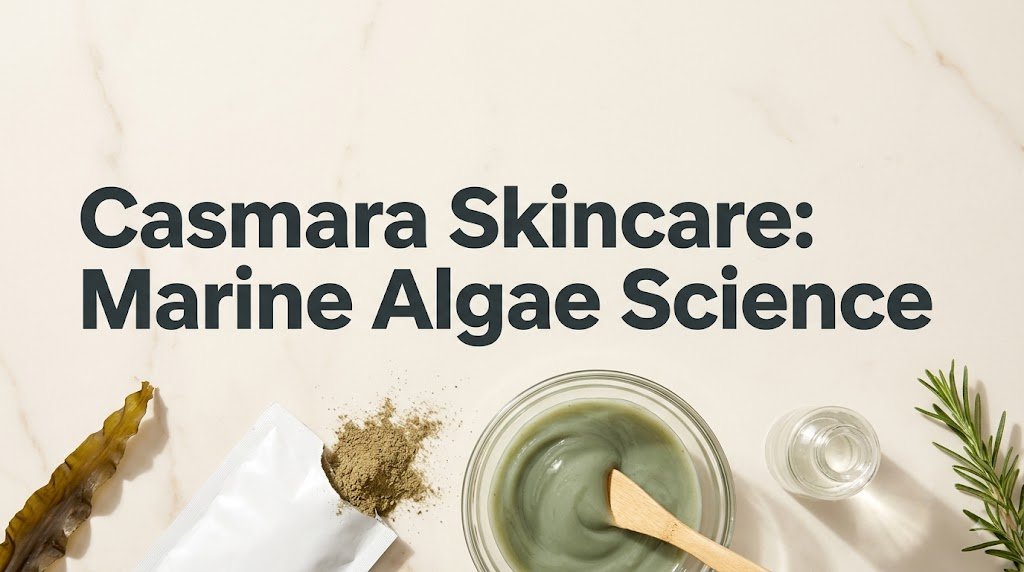
The brand’s research and development focuses on extracting and stabilizing bioactive compounds from brown algae species native to cold-water marine environments, specifically Laminaria digitata and Fucus vesiculosus, which produce sulfated polysaccharides and polyphenolic compounds as part of their natural cellular protective mechanisms against UV radiation, oxidative stress, and microbial colonization in their marine habitat. These same protective compounds form the basis of Casmara’s product functionality claims related to antioxidant protection, collagen support, and skin barrier hydration.
Casmara distributes primarily through licensed estheticians, medical spas, and professional skincare retailers, not through drugstore channels or direct-to-consumer e-commerce in the way many contemporary brands operate. This professional distribution model means product guidance ideally comes from a trained esthetician who can assess skin type and select the appropriate product line, though the masks are designed for safe at-home use between professional treatments.
Key Takeaway: Casmara is a professional-channel Spanish brand that bases its entire product philosophy on freeze-dried marine algae compounds rather than following the conventional skincare ingredient hierarchy.
What Makes Casmara Different from Other Professional Skincare Brands
Casmara’s differentiation from other professional skincare brands lies in its single-source biotechnology focus. Where most professional brands (SkinCeuticals, SkinMedica, ZO Skin Health) build formulations around standardized dermatological actives like L-ascorbic acid, retinoids, and alpha-hydroxy acids, Casmara builds its entire product architecture around marine algae polysaccharides and the delivery advantage created by lyophilized powder-to-gel mask technology. This is not a line extension adding algae to an existing framework; algae is the framework.
The lyophilization preservation method creates a genuine formulation distinction. Most professional masks and serums are water-based formulations that require preservatives, stabilizers, and emulsifiers to maintain shelf stability. Casmara’s freeze-dried format allows the bioactive compounds to remain in a stable, inert powder state until the moment of application, when they are reconstituted with a liquid activator. The Journal of Cosmetic Dermatology notes that lyophilization preserves heat-sensitive and oxidation-prone bioactive compounds more effectively than liquid formulation approaches, which can degrade active compounds over shelf time.
The mask delivery format itself represents another structural difference. Casmara masks are not pre-saturated sheet masks or jarred clay masks. They are a two-component system: a dry algae powder containing the bioactives and a liquid activator that, when mixed, forms a gel that is applied to the face, allowed to set into a rubber-like occlusive film, and then peeled off in one piece after 15 to 25 minutes. This occlusive film creates a temporary sealed environment on the skin surface that increases stratum corneum hydration and may enhance the penetration of lower-molecular-weight co-ingredients during the treatment period.
Marine Algae in Skincare: The Bioactive Science Explained
Marine algae produce bioactive compounds as survival adaptations to their environment. Brown algae species like Laminaria digitata and Fucus vesiculosus live in cold, UV-exposed intertidal zones where they experience constant oxidative stress from sunlight, temperature fluctuation, and microbial exposure. To survive, they synthesize a range of protective molecules including sulfated polysaccharides, polyphenolic compounds, carotenoids, and specific amino acid derivatives. These same compounds, when extracted and applied to human skin, interact with skin biology through mechanisms that laboratory research has characterized.
The primary bioactive categories in marine algae relevant to skincare include fucoidans (sulfated polysaccharides with demonstrated antioxidant and anti-inflammatory activity), alginates (polysaccharides that form gel matrices and occlusive films), laminarin (a beta-glucan storage polysaccharide that interacts with macrophage receptors and supports wound healing pathways), and phlorotannins (polyphenolic compounds unique to brown algae that demonstrate UV absorption and free radical scavenging activity). Each of these compound classes appears in Casmara formulations at concentrations determined by the specific algae biomass, harvest season, and extraction method.
A 2022 review published in Marine Drugs examined the dermatological applications of brown algae-derived compounds and found consistent in vitro evidence for antioxidant activity against reactive oxygen species, inhibition of matrix metalloproteinases (specifically MMP-1 and MMP-9 which degrade collagen type I and III in dermal tissue), and reduction of pro-inflammatory cytokines including IL-6 and TNF-alpha in keratinocyte and fibroblast cell cultures. The review also noted that human clinical trial data specifically for anti-aging outcomes remains limited compared to the volume of in vitro mechanistic data, representing a genuine evidence gap that consumers should understand.
Quick Tip:
- Brown algae bioactives work primarily through antioxidant enzyme inhibition and occlusive hydration delivery
- The compounds are extracted from specific species, not generic “seaweed”
- In vitro evidence is strong; human anti-aging trial data is still developing
Fucoidans, Alginates, and Phlorotannins in Casmara Formulations
Fucoidans are the most researched bioactive in Casmara’s algae formulations and function through multiple skin-relevant mechanisms. These sulfated polysaccharides contain sulfate ester groups that donate electrons to neutralize free radicals, providing direct antioxidant activity at the skin surface during mask application. A 2019 study in the International Journal of Biological Macromolecules characterized the molecular structure of fucoidans extracted from Laminaria digitata and confirmed their capacity to inhibit MMP-1 expression in human dermal fibroblasts exposed to UV radiation, suggesting a photoprotective mechanism relevant to photoaging prevention.
Alginates serve a primarily structural function in Casmara masks rather than a bioactive one. Sodium alginate, the salt form of alginic acid, is the compound responsible for the powder-to-gel transformation when the dry mask powder is mixed with water or activator solution. Alginates form a cross-linked gel matrix through ionic bonding with calcium ions in the activator solution, creating the rubbery occlusive film that sets on the skin surface. This film physically prevents transepidermal water loss during treatment by creating an impermeable seal, which temporarily increases stratum corneum water content and creates the immediate plumping and smoothing effect observable after mask removal.
Phlorotannins are the least discussed but arguably most interesting bioactive in brown algae extracts. These polyphenolic compounds are structurally unique to brown algae and demonstrate UV-absorbing properties in the UVB and UVA range, along with antioxidant activity that exceeds that of many land-plant polyphenols on a per-weight basis in laboratory assays. According to the Journal of Applied Phycology, phlorotannins from Fucus vesiculosus show potent free radical scavenging in ORAC (Oxygen Radical Absorbance Capacity) testing, though their molecular weights (typically 500 to 3,000 Daltons) position them near the upper limit for efficient stratum corneum penetration.
Key Takeaway: Fucoidans are the main bioactive workhorses, alginates provide the structural delivery system, and phlorotannins contribute antioxidant and UV-protective capacity to Casmara algae formulations.
Casmara Peel-Off Mask Technology and How It Works
The Casmara mask system uses a lyophilized powder that is mixed with an activator solution immediately before application to initiate an ionic gelation reaction that transforms the liquid mixture into a rubber-like occlusive film within minutes of being spread on the face. This technology serves two functions simultaneously: it delivers the bioactive algae compounds in a freshly activated state without preservative degradation, and it creates a temporary sealed environment that increases skin hydration and may facilitate penetration of co-formulated lower-molecular-weight active ingredients.
The technical mechanism involves sodium alginate in the mask powder reacting with calcium ions in the activator solution. When these components combine, the alginate polymers cross-link through ionic bonding with calcium, forming a three-dimensional gel network that traps water, bioactives, and any co-formulated ingredients within its matrix. As the mask sets on the skin, this gel network progressively solidifies into a cohesive, flexible film that can be removed in one piece without the pulling, tugging, or alcohol-based drying that characterizes traditional drugstore peel-off masks.
The occlusive film formed during setting creates a temporary barrier that prevents water evaporation from the skin surface. Research published in the International Journal of Cosmetic Science demonstrates that occlusive films increase stratum corneum water content by 30% to 50% over a 20-minute application period by preventing transepidermal water loss. This hydration effect is immediate and visually noticeable, contributing to the “instant results” that mask users report. However, it is temporary. The hydration levels return to baseline within hours after mask removal unless followed by a moisturizer containing humectants and occlusives.
The setting process requires 15 to 25 minutes depending on ambient temperature and humidity, mask thickness, and the specific product line formulation. Removal is achieved by peeling the set film from the edges inward in one continuous motion. Unlike traditional alcohol-based peel-off masks that adhere to vellus hair and remove surface skin cells through mechanical stripping, the alginate film releases cleanly from the skin surface with minimal mechanical stress.
Casmara Classic Algae Mask Ingredients and Function
The Casmara Classic Algae Mask is the brand’s foundational product and contains primarily Laminaria digitata extract (the algae biomass powder), sodium alginate (the gelling agent), calcium sulfate (the cross-linking activator), and diatomaceous earth (a mineral silica powder that contributes to the mask’s texture and absorption properties). This formulation is intentionally minimalist. The primary active function comes from the algae biomass itself, which delivers the fucoidans, alginates, laminarin, and phlorotannins described in earlier sections without significant additional active ingredient layering.
The Classic mask’s primary documented effects are immediate skin smoothing, temporary firming through the occlusive tightening effect of the setting alginate film, and increased stratum corneum hydration during the 20-minute application period. The smoothing effect results from the mask filling in superficial skin texture irregularities as it sets, creating a temporarily even surface. The firming effect is a physical consequence of the alginate gel contracting slightly as it cures, which produces a subjective tightening sensation that users often interpret as a “lifting” effect.
The minimalist ingredient profile makes the Classic line the most appropriate starting point for first-time Casmara users and for those with sensitive or reactive skin types who want to test tolerance to marine algae ingredients before adding the more complex formulations found in the Gold, Caviar, and HydraBeauty lines. The trade-off is that the Classic mask provides fewer targeted active ingredients for specific skin concerns compared to the brand’s more advanced lines.
| Ingredient (INCI) | Function | Clinical Relevance |
|---|---|---|
| Laminaria Digitata Extract | Bioactive algae source (fucoidans, laminarin, phlorotannins) | Primary antioxidant and anti-inflammatory function |
| Sodium Alginate (Algin) | Gelling agent, occlusive film former | Structural delivery system, TEWL prevention during treatment |
| Calcium Sulfate | Cross-linking activator for ionic gelation | Enables powder-to-film transformation |
| Diatomaceous Earth | Mineral silica, texture modifier | Absorption, mask body, film cohesion |
Casmara Gold Line Formulation and Active Ingredients
The Casmara Gold line adds colloidal gold particles (INCI: Gold) and a peptide complex to the foundational algae base, shifting the formulation from purely algae-driven to a hybrid algae-plus-signal-peptide approach targeting visible firmness and elasticity. Colloidal gold is included at concentrations sufficient to create the visually distinctive gold appearance of the mask but functions primarily as a cosmetic elegance and marketing element rather than a proven active ingredient. The Journal of Investigative Dermatology has not published human clinical data demonstrating that topical gold nanoparticles produce measurable anti-aging outcomes beyond placebo.
The peptide component of the Gold line is more substantively interesting from a dermatological perspective. Casmara incorporates hydrolyzed collagen peptides and palmitoyl oligopeptide, a signal peptide that laboratory research suggests can stimulate fibroblast activity and collagen synthesis when delivered to the dermis. The challenge, documented in cosmetic chemistry literature, is that peptides face the same stratum corneum penetration barrier as all larger-molecular-weight actives. The occlusive film created by the alginate mask may transiently improve delivery by increasing stratum corneum hydration and creating a concentration gradient that favors passive diffusion, but this delivery enhancement is moderate and temporary.
The Gold line also typically includes tocopherol (vitamin E) as an additional lipophilic antioxidant that complements the hydrophilic antioxidant activity of the fucoidans and phlorotannins. Tocopherol integrates into lipid bilayers within the stratum corneum and provides antioxidant protection against lipid peroxidation, a mechanism distinct from the aqueous-phase free radical scavenging of algae polysaccharides. This dual-phase antioxidant approach (water-soluble algae compounds plus lipid-soluble vitamin E) provides broader oxidative protection than either system alone.
Key Takeaway: The Gold line adds peptides for signal-based collagen support and tocopherol for lipid-phase antioxidant protection, but the colloidal gold serves primarily as a cosmetic feature rather than a clinically proven active.
Casmara Caviar Collection Ingredients and Skin Benefits
The Casmara Caviar collection incorporates caviar extract (INCI: Caviar Extract) alongside the algae base, adding marine-derived proteins, amino acids, and phospholipids to the formulation’s functional profile. Caviar extract in cosmetic chemistry is valued for its amino acid content (including glycine, proline, and lysine, which serve as substrates for collagen and elastin synthesis), its omega-3 fatty acid profile (eicosapentaenoic acid and docosahexaenoic acid), and its mineral content including selenium and zinc which function as cofactors for antioxidant enzyme systems.
The amino acid provision from caviar extract has some mechanistic plausibility for skin barrier support. The stratum corneum’s natural moisturizing factor (NMF) is composed largely of free amino acids and their derivatives, which function as humectants to maintain water content in the outer skin layers. Topical application of amino acid-rich formulations may supplement the NMF pool, though the extent to which large caviar-derived proteins are broken down into NMF-usable free amino acids during mask application is not well characterized in published research.
The omega-3 fatty acids in caviar extract, specifically eicosapentaenoic acid (EPA), have documented anti-inflammatory activity through modulation of eicosanoid pathways. A 2021 study in the Journal of Cosmetic Dermatology found that topical marine-derived omega-3 fatty acids reduced UV-induced erythema and inflammatory markers in human skin when applied before UV exposure. The alginate film delivery system may provide a favorable environment for lipid-phase ingredient delivery by preventing evaporation and maintaining skin contact throughout the treatment period.
| Caviar Component | Skin-Relevant Function | Evidence Level |
|---|---|---|
| Amino acids (glycine, proline, lysine) | Collagen substrate, NMF component | Mechanistic plausibility, limited direct trial data |
| Omega-3 fatty acids (EPA, DHA) | Anti-inflammatory, eicosanoid modulation | Supported by topical anti-inflammatory studies |
| Selenium, zinc | Antioxidant enzyme cofactors | Well-established for oral intake; topical delivery data limited |
| Phospholipids | Emollient, barrier lipid component | Cosmetic formulation standard |
Casmara HydraBeauty Line and Dehydration-Targeted Ingredients
The Casmara HydraBeauty line represents a departure from the brand’s purely algae-centric identity by incorporating a substantial humectant complex built around sodium hyaluronate (INCI: Sodium Hyaluronate), glycerin, and niacinamide (INCI: Niacinamide) into the algae base formulation. This line targets dehydrated skin rather than aging or dull skin, and the ingredient strategy shifts accordingly from antioxidant protection and peptide signaling to water binding, barrier lipid synthesis support, and stratum corneum hydration optimization.
Sodium hyaluronate is the salt form of hyaluronic acid with a lower molecular weight (typically 50,000 to 200,000 Daltons compared to 1,000,000+ for high-molecular-weight hyaluronic acid) that allows better surface spreading and, for very low molecular weight fractions, some degree of epidermal penetration. The Humectant function is straightforward: sodium hyaluronate binds approximately 1,000 times its weight in water, drawing moisture into the stratum corneum during the occlusive mask treatment period when water cannot evaporate from the skin surface.
Niacinamide in the HydraBeauty line serves a barrier-support function distinct from the hydration mechanism of sodium hyaluronate. According to the American Academy of Dermatology, niacinamide at concentrations of 2% to 5% stimulates ceramide synthesis in keratinocytes, increasing stratum corneum barrier lipid content and reducing transepidermal water loss over time with consistent use. This is a sustained barrier improvement effect rather than an immediate hydration effect, making the HydraBeauty line potentially relevant for chronic dehydration driven by barrier insufficiency rather than environmental moisture deficit.
The combination of algae fucoidans (antioxidant, anti-inflammatory), sodium hyaluronate (immediate humectant hydration), glycerin (small-molecule humectant penetrating deeper into the stratum corneum), and niacinamide (barrier lipid synthesis stimulation over time) creates a multi-mechanism approach to dehydration that addresses immediate water content, water-holding capacity, and the structural barrier lipids that determine long-term TEWL rates.
Casmara Skincare for Aging Skin and Collagen Support
Casmara addresses aging skin through a dual mechanism: immediate surface smoothing and temporary firming from the alginate occlusive film, and longer-term antioxidant protection and potential collagen support from the fucoidan, peptide, and amino acid components depending on the product line selected. The immediate results are the least controversial. The alginate film physically smooths surface texture and the tightening effect of the setting mask creates a subjective firming sensation that lasts several hours after treatment. These are real effects, but they are temporary and mechanical, not structural changes to skin biology.
The longer-term anti-aging rationale involves fucoidan-mediated MMP inhibition. Matrix metalloproteinases, specifically MMP-1 (collagenase) and MMP-9 (gelatinase), are enzymes that degrade collagen type I and III in the dermal extracellular matrix. Their activity increases with UV exposure, chronological aging, and oxidative stress. In vitro studies published in Marine Drugs demonstrate that fucoidans extracted from Laminaria digitata inhibit MMP-1 and MMP-9 expression in UV-exposed human dermal fibroblast cultures, reducing collagen degradation compared to untreated controls. The clinical translation question is whether topical application of fucoidans through a 20-minute mask treatment, delivered via molecules too large to penetrate efficiently to the dermis, can produce a meaningful MMP-inhibitory effect in living human skin.
The peptides in the Gold line and the amino acids in the Caviar collection provide additional collagen-support mechanisms. Palmitoyl oligopeptide functions as a matrikine, a peptide fragment that mimics the signaling sequences released during natural collagen turnover, signaling fibroblasts to increase collagen synthesis. Hydrolyzed collagen and caviar-derived amino acids provide proline, glycine, and lysine substrates that fibroblasts require for collagen polypeptide synthesis. These mechanisms are well-characterized in cell culture but face the same delivery challenge: getting sufficient concentrations of active molecules through the stratum corneum barrier to dermal fibroblasts.
Key Takeaway: Casmara provides immediate mechanical smoothing plus theoretical longer-term antioxidant MMP inhibition, but the molecular weight barrier limits how much bioactive reaches the dermis where collagen synthesis occurs.
Casmara for Dull and Congested Skin: Exfoliation and Renewal
Casmara masks provide exfoliation primarily through physical rather than chemical means, and this distinction matters for understanding what the product can and cannot achieve for dull or congested skin. Unlike professional chemical peels that use alpha-hydroxy acids (glycolic acid, lactic acid) or beta-hydroxy acids (salicylic acid) to dissolve corneocyte adhesions and accelerate desquamation, Casmara algae masks do not contain keratolytic acids at significant concentrations. The exfoliation effect comes from the mask removal process, which gently lifts dead surface cells that have been loosened by the intense hydration during occlusion, and from the physical action of the setting alginate film.
The hydration-softening mechanism is relevant to dull skin. When the occlusive mask prevents water evaporation for 15 to 25 minutes, the stratum corneum absorbs water, causing corneocytes to swell slightly and the intercellular lipid matrix to become more fluid. This temporary state makes superficial dead cells easier to remove during mask peeling. The result is a smoother, more light-reflective skin surface that appears brighter because light scatters less from an even surface compared to a rough, irregular one.
For genuinely congested skin with comedonal acne (blackheads, closed comedones), Casmara masks are not a substitute for salicylic acid or retinoid-based exfoliation. The masks do not penetrate into the pilosebaceous unit to dissolve sebum plugs or regulate keratinocyte shedding within the follicle, which is the mechanism required to address comedonal congestion. A board-certified dermatologist would typically recommend a leave-on salicylic acid product at 0.5% to 2% or a retinoid for comedonal acne rather than an occlusive mask treatment.
The immediate radiance effect after a Casmara mask is real, but the mechanism is hydration-driven surface smoothing rather than accelerated cellular turnover. Users seeking lasting exfoliation for persistent dullness should consider this an adjunctive treatment rather than a replacement for their chemical exfoliant step.
Skin Type Suitability: Who Benefits Most from Casmara
Casmara masks are best suited for normal to dry skin types with primary concerns of dehydration, dullness, and early visible signs of aging where immediate smoothing and hydration are the treatment goals. The occlusive film mechanism works most favorably for skin that has adequate sebaceous activity to tolerate occlusion without congestion and sufficient barrier integrity to handle the physical removal process. Individuals with Fitzpatrick skin types I through III who are primarily concerned with photoaging prevention and intermittent deep hydration treatments are the most straightforward candidates for Casmara integration.
Combination skin types with oily T-zones and dry cheeks may use Casmara masks effectively on the drier areas while being cautious with occlusive application over oil-prone central facial zones. The masks are not inherently comedogenic (algae extracts and alginates do not typically clog pores), but prolonged occlusion over areas with active sebaceous glands can theoretically trap sebum and create a warm, moist environment that some cutaneous microorganisms favor. This is not a universal reaction but a consideration for acne-prone combination skin.
Oily skin types and those with active inflammatory acne will likely find Casmara masks less beneficial and potentially problematic. The occlusive film prevents sebum outflow during treatment, and while the mask itself does not directly cause acne, creating a sealed environment over follicles with active Propionibacterium acnes colonization could theoretically exacerbate inflammatory processes. The American Academy of Dermatology’s acne treatment guidelines prioritize non-comedogenic, non-occlusive formulations for acne-prone skin, which is fundamentally opposite to the Casmara mechanism.
| Skin Type | Suitability | Primary Benefit | Caution |
|---|---|---|---|
| Normal to dry | Excellent | Deep hydration, smoothing | Standard patch testing |
| Dry, dehydrated | Excellent | Immediate TEWL reduction, humectant delivery | Follow with occlusive moisturizer |
| Combination | Good with selective application | Hydration on dry zones | Avoid applying over active T-zone congestion |
| Oily, non-acneic | Moderate | Occasional hydration treatment | Monitor for post-mask congestion |
| Acne-prone, inflammatory acne | Poor | Limited | Occlusion may exacerbate follicular inflammation |
Who Should Avoid Algae-Based Professional Skincare
Individuals with confirmed marine or seaweed allergy should avoid Casmara products entirely, as the primary ingredient is brown algae biomass that contains the proteins and polysaccharides responsible for marine allergenicity. This is not a theoretical concern. Case reports in the British Journal of Dermatology document contact urticaria and allergic contact dermatitis from topical seaweed-containing cosmetic products, though the incidence is low relative to the widespread use of algae in cosmetics. Anyone with a known shellfish allergy should consult an allergist before using marine algae skincare, though clinical cross-reactivity between shellfish tropomyosin proteins and algae polysaccharides is not well established in the dermatological literature.
People with active rosacea, particularly the papulopustular subtype, should approach occlusive professional masks with significant caution. Rosacea-affected skin has a compromised barrier and heightened vascular reactivity, and prolonged occlusion can trigger flushing, warmth, and papule formation through heat trapping and barrier stress. The National Rosacea Society identifies occlusive skincare as a potential trigger for some individuals with rosacea, though individual sensitivity varies substantially.
Those with perioral dermatitis, active eczema flares, or compromised skin barrier from over-exfoliation, retinoid initiation, or recent in-office procedures (microneedling, chemical peels, laser treatments) should delay Casmara mask use until barrier integrity is fully restored. Applying an occlusive film over disrupted barrier function risks trapping irritants, increasing transepidermal water loss rebound upon removal, and potentially triggering an inflammatory response in already-reactive skin.
Pregnant individuals and those who are nursing should know that while marine algae cosmetic ingredients are not classified as pregnancy-restricted substances by the FDA or European Commission Cosmetics Regulation, the professional mask format with occlusive delivery may theoretically increase systemic absorption of co-formulated ingredients compared to standard topical application. Discussing specific product use with a board-certified dermatologist familiar with pregnancy skincare safety is a reasonable precaution.
Key Takeaway: Marine allergy, active rosacea, perioral dermatitis, compromised barrier, and pregnancy are the primary situations warranting caution or avoidance of Casmara algae mask treatments.
Evidence Quality for Marine Algae Skincare Claims
The evidence base for marine algae skincare is characterized by strong in vitro data, limited but growing human clinical trial data, and a significant gap between the volume of mechanistic laboratory research and the number of controlled human efficacy studies. This pattern is common in cosmetic ingredient science but creates a situation where marketing claims often extrapolate confidently from cell culture results without acknowledging that human skin with an intact stratum corneum barrier is a fundamentally different test system than fibroblasts in a petri dish.
The strongest evidence supports the antioxidant capacity of fucoidans and phlorotannins, which is well-characterized through multiple laboratory assays including ORAC, DPPH radical scavenging, and cellular antioxidant activity testing in keratinocyte cultures. A 2023 systematic review in Marine Drugs compiled data from 47 studies on brown algae bioactives and concluded that the in vitro antioxidant evidence is robust and reproducible across multiple algae species and extraction methods. The review also noted that human clinical trials measuring antioxidant effects in skin (as opposed to in cell culture) numbered fewer than 10 studies at the time of publication.
Human clinical evidence for anti-aging outcomes from marine algae topical application is preliminary but directionally positive. A 2022 split-face study published in the Journal of Cosmetic Dermatology examined a fucoidan-containing cream applied twice daily for 12 weeks and found statistically significant improvements in skin elasticity (measured by cutometer), wrinkle depth (measured by profilometry), and hydration (measured by corneometer) compared to the vehicle control. The effect sizes were modest but measurable, supporting the biological plausibility of topical fucoidan activity while acknowledging that the magnitude of anti-aging effect is smaller than that observed with prescription retinoid therapy.
For Casmara formulations specifically, the brand does not publish independent randomized controlled trials on its finished products in peer-reviewed journals, a transparency limitation shared by most professional skincare brands. The clinical support for Casmara’s efficacy comes from the broader marine algae ingredient literature and from the observable, immediate physical effects of occlusive alginate mask treatments (hydration, smoothing, temporary firming) which are demonstrable through biophysical measurement but do not constitute long-term anti-aging evidence.
How to Use Casmara Professional Masks Safely at Home
Using a Casmara mask at home requires careful adherence to the mixing, application, setting, and removal protocol to achieve the intended occlusive film result and avoid common errors that reduce treatment quality. The process differs fundamentally from applying a pre-formulated cream mask or unfolding a sheet mask, and the powder-to-gel transformation is time-sensitive once initiated.
To prepare and apply a Casmara mask correctly:
- Start with thoroughly cleansed, makeup-free, dry skin. Any residual oil, silicone, or product film will prevent proper alginate film adhesion and create patchy setting.
- Empty the entire powder sachet into a clean mixing bowl and add the full activator solution. Mix continuously and vigorously for 30 to 45 seconds using a spatula until the mixture is completely smooth with no powder clumps visible.
- Apply the mixture immediately using the spatula, starting from the outer face and working inward. You have approximately 2 to 3 minutes before the gelation process advances too far for smooth spreading. Cover the entire face in a thick, even layer, avoiding the immediate eye area, nostrils, and lip opening.
- Leave the mask undisturbed for 15 to 25 minutes. The mask will set to a rubbery consistency that releases cleanly from the skin. You will feel a progressive tightening sensation as curing completes.
- Remove by gently lifting an edge at the jawline and peeling upward in one continuous, slow motion. Do not pull or yank. If the mask tears, lift another edge.
- Rinse any residual mask fragments with lukewarm water. Pat dry. Immediately apply your serum and moisturizer to seal in the hydration gained during occlusion.
A common application error is spreading the mixture too thinly. The film needs sufficient thickness to maintain structural integrity during removal. Too thin an application results in a fragile film that tears during peeling, requiring piecemeal removal that increases skin friction. Too thick an application extends setting time unnecessarily and wastes product.
Casmara Skincare Frequency, Results Timeline, and Maintenance
Casmara professional masks are designed for weekly to biweekly use, not daily application, and this frequency recommendation is grounded in the intensity of the occlusive treatment and the practical logistics of the mixing-and-setting protocol. The American Academy of Dermatology notes that professional mask treatments are typically positioned as periodic intensive treatments complementing a daily skincare routine rather than as daily-use products.
Results appear across three time horizons. Immediate results after the first treatment include visible skin smoothing, increased luminosity from improved surface light reflection, reduced appearance of fine dehydration lines, and a subjective firming or tightened sensation that persists for 4 to 8 hours. These immediate effects are the most reliable and reproducible results from Casmara mask use and are primarily driven by stratum corneum hydration and the physical smoothing action of the alginate film.
Short-term results after 4 to 6 weeks of weekly use include cumulative improvement in skin hydration metrics if the HydraBeauty line is used consistently, observable brightening from regular physical exfoliation of the superficial stratum corneum, and improved skin texture smoothness that outlasts the immediate post-mask period. These effects require consistent treatment frequency and depend on the specific product line matching the user’s skin concerns.
Long-term results related to anti-aging collagen support and sustained MMP inhibition are theoretically possible based on the in vitro mechanism data but have not been demonstrated in controlled human trials of Casmara products specifically. A reasonable expectation is that regular Casmara mask use provides adjunctive antioxidant protection and hydration support that complements a comprehensive anti-aging routine built on evidence-based actives like sunscreen, retinoids, and vitamin C, rather than replacing any of those core interventions.
| Time Horizon | Observable Result | Mechanism |
|---|---|---|
| Immediate (1 treatment) | Smoothing, luminosity, temporary firming | Occlusive hydration, alginate film smoothing |
| Short-term (4 to 6 weeks) | Sustained texture improvement, hydration gains | Cumulative stratum corneum conditioning |
| Long-term (3+ months) | Possible antioxidant protection, collagen support | Fucoidan MMP inhibition (theoretical, limited human data) |
Key Takeaway: Casmara masks deliver reliable immediate smoothing and hydration. Longer-term anti-aging benefits are theoretically plausible but human evidence remains limited.
Frequently Asked Questions About Casmara Skincare
Is Casmara a good skincare brand for anti-aging?
Casmara provides genuine immediate anti-aging benefits through occlusive hydration and surface smoothing that temporarily reduce the appearance of fine lines and improve skin texture.
The longer-term anti-aging evidence relies on in vitro data showing that fucoidans inhibit collagen-degrading enzymes, but controlled human clinical trials on Casmara products specifically are not published in peer-reviewed journals.
The brand is best positioned as a complementary anti-aging treatment alongside evidence-based actives like sunscreen and retinoids rather than a replacement for them.
What does a Casmara algae mask actually do for your skin?
A Casmara algae mask creates an occlusive alginate film on the skin surface that prevents water loss for 15 to 25 minutes, delivering intense hydration, immediate surface smoothing, and temporary firming as the film sets and contracts slightly.
The algae powder supplies fucoidans and phlorotannins that function as surface-level antioxidants during the treatment period.
When the mask is peeled off, it gently lifts loosened dead skin cells, revealing a smoother, more reflective skin surface beneath.
Can I use Casmara masks if I have sensitive skin?
Sensitive skin individuals can potentially use Casmara masks, particularly the Classic line with its minimalist ingredient profile, but should perform a patch test on a small area of the jaw or behind the ear before applying the mask to the entire face.
Those with sensitivity linked to rosacea, perioral dermatitis, or compromised barrier function should avoid occlusive mask treatments until the underlying condition is managed, as prolonged occlusion can trigger flushing and irritation in reactive skin types.
If your sensitivity is mild and non-inflammatory, starting with the Classic mask applied for the minimum recommended time (15 minutes) is the safest introduction.
How often should you use Casmara professional masks?
Casmara masks are designed for once-weekly application as an intensive treatment, though some users with non-reactive skin may use them twice weekly without adverse effects.
The occlusive treatment intensity, the time required for the mixing and setting protocol, and the physical removal process all support weekly rather than daily use as the appropriate frequency.
Using the masks more than twice weekly increases the risk of barrier stress from repeated occlusion and over-hydration without providing proportionally greater benefits.
What is the difference between Casmara Gold and Casmara Classic?
The Casmara Classic line contains primarily brown algae biomass and the alginate gelling system with minimal additional active ingredients, making it suitable for first-time users and those with sensitive skin who want to test marine ingredient tolerance.
The Casmara Gold line adds palmitoyl oligopeptide for collagen signaling, tocopherol for lipid-phase antioxidant protection, and colloidal gold particles that provide the distinctive gold appearance but lack published clinical evidence for anti-aging efficacy.
Choose Classic for minimalist hydration and smoothing; choose Gold if you want additional peptide support and already tolerate algae-based products.
Are Casmara skincare products worth the price compared to other professional brands?
Casmara products offer a genuinely differentiated delivery system (lyophilized, activator-reconstituted, alginate film-forming) that other professional brands do not replicate, which justifies the cost for users who specifically want the occlusive hydration and immediate smoothing experience that this technology provides.
The ingredient science behind the marine algae bioactives is legitimate at the in vitro level, but the magnitude of anti-aging benefit compared to evidence-based actives like prescription retinoids is modest and primarily visible in the short-term smoothing and hydration outcomes.
If you value the ritual, the immediate visible results, and the marine ingredient philosophy, Casmara delivers; if you want maximum long-term anti-aging efficacy per dollar, a tretinoin prescription and daily sunscreen provide more robust evidence-backed outcomes.
Closing
Casmara skincare represents a genuinely distinct approach to professional mask treatment, built on marine algae biotechnology and lyophilized delivery rather than following the standard retinoid-peptide-acid framework that dominates most professional skincare lines. The immediate smoothing, hydration, and firming effects from the alginate occlusive film are real, reproducible, and visible after a single treatment. If that experience and those short-term outcomes align with your skincare priorities, the brand delivers what its technology promises.
The longer-term anti-aging science is more nuanced. Fucoidans, phlorotannins, and laminarin show meaningful antioxidant and MMP-inhibitory activity in laboratory models, and the broader marine algae literature supports biological plausibility. What is missing is the controlled human trial data that would elevate these mechanisms from plausible to proven for Casmara products specifically.
Your decision comes down to what role you want a professional mask to play in your routine. If you want an intensive weekly hydration and smoothing treatment with interesting marine ingredient science behind it, Casmara is a defensible choice. If your primary goal is maximum long-term collagen preservation and wrinkle reduction, evidence-based daily actives still carry the stronger clinical track record. The two approaches work well together, and they complement each other more than they compete.