Creamy Skincare Explained: What It Is and How to Use It in 2026
Creamy skincare refers to products formulated as thick, rich emulsions that combine water with higher concentrations of oils, butters, and fatty alcohols than lighter lotions or gels. These formulations deliver more substantial barrier support and longer-lasting moisture retention, making them especially useful for dry, dehydrated, or compromised skin. Understanding the distinction between creamy textures and other product forms will help you choose formulas that match your skin’s actual needs without unnecessary congestion.
This topic matters because texture confusion drives a massive number of skincare purchasing mistakes. The American Academy of Dermatology reports that patients frequently choose products based on how they feel rather than what they contain, leading to either over-moisturizing with heavy creams or under-protecting the skin barrier with products too light for their needs. A 2019 study published in the Journal of Drugs in Dermatology found that ceramide-containing cream formulations reduced transepidermal water loss by an average of 32% in participants with impaired barrier function, demonstrating that the right texture paired with the right ingredients produces measurable clinical results.
You are about to learn exactly what makes a product creamy, which ingredients create that texture, how cream formulations compare to lotions and gels, and most importantly, how to determine whether creamy products belong in your routine. We will cover skin type matching, application techniques, comedogenicity concerns, and layering strategy so you can make decisions based on formulation science rather than marketing language.
What Does Creamy Skincare Mean
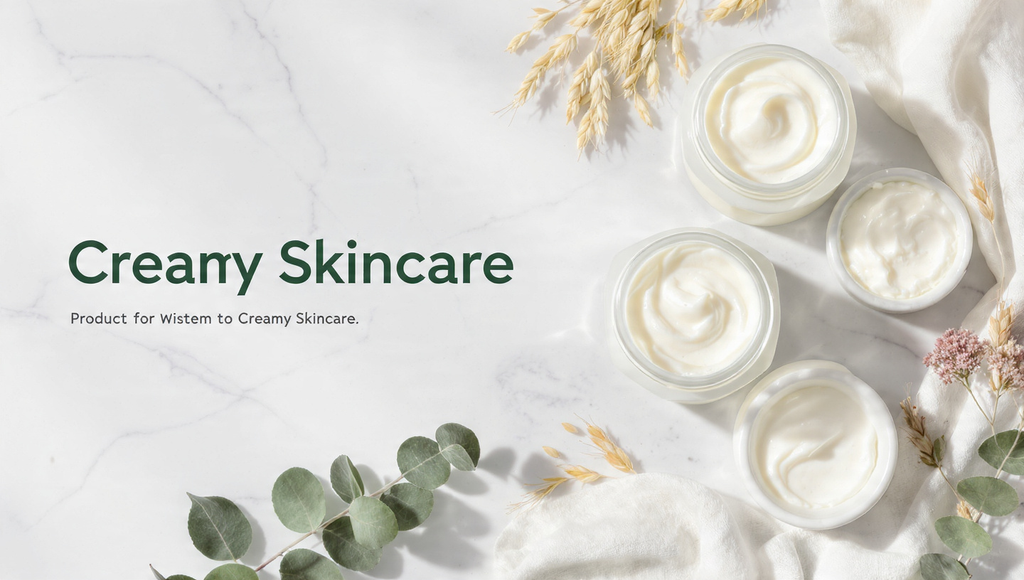
Creamy skincare is a formulation category defined by an oil-in-water or water-in-oil emulsion with a thick, spreadable consistency that typically contains between 20% and 40% oil phase ingredients. Unlike thin fluids or gels, cream textures leave a perceptible layer on the skin designed to slow water evaporation and deliver emollients that soften the stratum corneum. The term “creamy” is a sensory description, not a regulatory classification, which means one brand’s cream may be thicker or thinner than another’s while sharing the same basic emulsion structure.
Understanding this distinction requires a quick look at how emulsions work. An emulsion is created when an emulsifier binds water and oil together into a stable mixture. In a cream formulation, fatty alcohols like cetyl alcohol and stearyl alcohol, combined with emulsifying agents like glyceryl stearate, create the viscosity that gives cream its characteristic rich feel. The ratio of water to oil determines where a product falls on the texture spectrum, with creams sitting firmly on the richer end compared to serums and lotions.
The practical implication matters more than the chemistry lesson. When you apply a cream product, you are depositing both water and oil onto your skin simultaneously. The water evaporates quickly, providing immediate hydration, while the oil phase remains behind to prevent further moisture loss through occlusion. This dual action is why cream formulations feel both hydrating and moisturizing at once, unlike pure oils which only occlude without adding water.
For people with Fitzpatrick skin types IV through VI, cream formulations can provide added benefit for managing post-inflammatory hyperpigmentation. When the skin barrier remains intact and well-moisturized, inflammatory responses are reduced, which means less pigment disruption after breakouts or irritation. The National Eczema Association specifically recommends cream formulations over lotions for managing atopic dermatitis because the higher oil content provides longer-lasting protection against irritant penetration.
Key formulation distinction:
- Cream: 20% to 40% oil phase, thick viscosity, visible residue on skin
- Lotion: 10% to 20% oil phase, thinner spread, minimal visible residue
- Gel: Water-based with minimal oil, quick absorption, no occlusive film
- Ointment: 80% or more oil phase, minimal water, maximum occlusive protection
Key Takeaway: Creamy skincare is defined by a higher oil-to-water ratio than lotions, which creates both immediate hydration from the water phase and lasting barrier protection from the oil phase.
Cream vs Lotion vs Gel Skincare
Cream, lotion, and gel skincare products differ primarily in their oil-to-water ratio, with creams containing the highest oil content, lotions containing a balanced mix, and gels containing mostly water with thickening agents and little to no oil. The American Academy of Dermatology states that product texture should be chosen based on skin type and environmental conditions rather than marketing preferences, with cream formulations recommended for drier skin and gels for oilier complexions. This distinction directly affects how long the product remains on your skin and how much occlusive protection it provides.
The science behind these texture differences comes down to emulsion type and oil phase percentage. Lotions are typically oil-in-water emulsions with an oil phase of 10% to 20%, which makes them lightweight and fast-absorbing. Creams can be either oil-in-water emulsions with higher oil content, usually 20% to 40%, or water-in-oil emulsions where the oil phase forms the continuous outer layer. Water-in-oil creams feel greasier initially but provide stronger occlusive protection and are often used in night creams or products for very dry skin.
Gel formulations take a different approach entirely. Instead of relying on oils for viscosity, gels use water-soluble thickeners like carbomers, xanthan gum, or hyaluronic acid derivatives to create their characteristic jelly-like consistency. Gels evaporate quickly, deliver water-soluble ingredients efficiently, and leave minimal residue on the skin. For oily skin types or humid climates, gel textures often feel more comfortable while still providing necessary hydration through humectants.
Choosing between these textures requires honestly assessing both your skin’s needs and your environment. A person with combination skin in a humid climate may find a lotion sufficient, while the same person in a dry winter climate may need a light cream. The International Journal of Cosmetic Science published research in 2020 demonstrating that emulsion type significantly affects both consumer satisfaction and measured skin hydration, with water-in-oil creams showing the longest-lasting moisturizing effect but the lowest cosmetic elegance.
| Texture Type | Oil Phase | Water Phase | Best For | Feel on Skin |
|---|---|---|---|---|
| Gel | 0-5% | 80-95% | Oily, acne-prone | Light, fast-absorbing |
| Lotion | 10-20% | 70-80% | Normal, combination | Light, minimal residue |
| Cream | 20-40% | 50-70% | Dry, mature, barrier-compromised | Rich, visible residue |
| Ointment | 80%+ | 0-20% | Very dry, eczema, healing skin | Heavy, occlusive |
Key Takeaway: Creams provide more lasting barrier protection than lotions or gels because their higher oil content remains on the skin surface longer, but they are not automatically better for every skin type.
What Ingredients Make Skincare Creamy
Creamy textures in skincare are created primarily by three ingredient categories: fatty alcohols, emulsifying agents, and emollient oils and butters, with specific compounds like cetyl alcohol, glyceryl stearate, and shea butter providing the characteristic rich, thick consistency. These structuring ingredients work together to build and stabilize the emulsion that defines a cream formulation. Understanding which ingredients actually create texture helps you read product labels accurately and avoid confusing marketing terms with formulation facts.
Fatty alcohols are the backbone of most cream textures. Cetyl alcohol, stearyl alcohol, and cetearyl alcohol are long-chain fatty alcohols that function as co-emulsifiers and thickeners. Despite the word “alcohol” in their names, these ingredients are chemically distinct from drying alcohols like ethanol or isopropyl alcohol. Fatty alcohols are waxy solids at room temperature that melt into the oil phase during manufacturing and crystallize as the emulsion cools, creating the firm but spreadable texture that distinguishes a cream from a liquid lotion.
Emulsifying agents hold the entire structure together. Glyceryl stearate, ceteareth-20, polysorbate 60, and similar compounds have both water-loving and oil-loving portions on the same molecule, allowing them to stabilize the interface between the water phase and the oil phase. Without an effective emulsifier, the cream would separate into distinct layers like a broken vinaigrette. The choice and concentration of emulsifier significantly affects how the cream feels during application and how quickly it breaks down on contact with skin.
Emollient oils and butters contribute both texture and skin-softening benefits. Shea butter (INCI: Butyrospermum parkii) and cocoa butter (INCI: Theobroma cacao) are solid at room temperature and melt on contact with body heat, providing the luxurious slip associated with rich creams. Liquid emollients like squalane and caprylic/capric triglyceride lower the overall viscosity and improve spreadability. The ratio of solid to liquid lipids determines whether the final product feels like a whipped body cream or a dense night cream.
Ingredients that create creamy texture:
- Cetyl alcohol: thickening, emulsion stabilization
- Stearyl alcohol: thickening, occlusive properties
- Cetearyl alcohol: combined cetyl and stearyl, versatile thickener
- Glyceryl stearate: emulsifier, emollient
- Shea butter: emollient, occlusion, skin softening
- Caprylic/capric triglyceride: emollient, spreadability
- Dimethicone: silicone occlusive, silky slip, reduced greasiness
- Cetearyl olivate: emulsifier derived from olive oil
Key Takeaway: Creamy texture comes from fatty alcohols, emulsifiers, and emollient oils working together to create a stable thick emulsion, not from any single ingredient acting alone.
Creamy Skincare for Dry Skin
Creamy skincare is the most effective texture category for dry skin because the higher oil phase content directly addresses the core problem of reduced natural lipid production and accelerated transepidermal water loss. People with dry skin, whether genetically predisposed or experiencing age-related decline in sebaceous gland activity, have a stratum corneum that struggles to retain moisture. Cream formulations compensate for this deficit by depositing both water for immediate hydration and occlusive oils that slow evaporation for hours after application.
The physiology of dry skin explains why cream textures outperform lighter formulations. The stratum corneum normally contains a complex mixture of ceramides, cholesterol, and free fatty acids that form the lamellar bilayer responsible for barrier function. In dry skin, particularly in conditions like atopic dermatitis, research published in the Journal of Investigative Dermatology has documented reduced total lipid content and altered ceramide ratios. Cream formulations with added lipids help supplement this depleted barrier, while simultaneously preventing further moisture loss through their occlusive oil phase.
Postmenopausal women represent a population that frequently benefits from creamy formulations. As estrogen levels decline, sebaceous gland activity decreases, leading to measurable reductions in skin surface lipids. A 2018 study in the British Journal of Dermatology found that postmenopausal women experience a 40% to 60% reduction in sebum production compared to premenopausal women, resulting in increased dryness, flakiness, and pruritus. Cream-based moisturizers applied twice daily were shown to improve skin hydration and reduce subjective dryness scores.
The application strategy for dry skin matters as much as the product choice itself. Applying a cream to damp skin, within three minutes after cleansing, traps the water on the skin surface before it evaporates. This technique, recommended by the American Academy of Dermatology, essentially turns your cream into a more effective occlusive because it seals in the free water from cleansing. For very dry skin or compromised barrier conditions, dermatologists often recommend an additional layer of pure petrolatum or a heavier ointment on top of the cream at night.
To maximize creamy skincare benefits for dry skin:
- Apply cream to damp skin within 3 minutes after cleansing or bathing
- Use a thicker cream at night and a lighter cream during the day
- Choose formulations containing ceramides, glycerin, and petrolatum for enhanced barrier repair
- Reapply to hands after every handwashing throughout the day
- Consider a water-in-oil cream formula for very dry skin or harsh winter conditions
Key Takeaway: Dry skin needs both the water and oil phases that creams provide, and applying cream to damp skin within three minutes of cleansing dramatically improves moisture retention.
Is Creamy Skincare Good for Oily Skin
Creamy skincare can be appropriate for oily skin when formulated as a lightweight oil-in-water cream or gel-cream with non-comedogenic ingredients like dimethicone and caprylic/capric triglyceride, but heavy water-in-oil creams are generally unnecessary and may worsen shine. Oily skin produces adequate sebum already, which means the additional occlusive oils in rich creams serve no physiological purpose. The key is identifying whether a specific cream formulation adds beneficial hydration without layering on unnecessary occlusion.
The assumption that oily skin needs no moisturization is outdated and dermatologically incorrect. Research consistently demonstrates that even oily skin benefits from maintaining stratum corneum hydration, and that dehydrated oily skin can paradoxically produce more visible oil as the skin attempts to compensate for surface dryness. The challenge lies in delivering water-based hydration without additional heavy lipids that sit on top of naturally oily skin and create unwanted shine or contribute to comedone formation.
Gel-cream formulations solve this problem through a hybrid approach. These products maintain a water-dominant emulsion structure, typically with an oil phase between 5% and 15%, but use lightweight emollients like dimethicone and cyclomethicone rather than heavy botanical butters or petrolatum. Silicone-based emollients provide a silky, non-greasy finish while still reducing transepidermal water loss. For oily skin types, a gel-cream delivers hydration and light occlusion without the heavy residue associated with traditional cream products.
People with oily skin should evaluate cream formulations by their ingredient list rather than their marketing description. A product labeled “cream” that contains high concentrations of shea butter, coconut oil, or cocoa butter will likely feel too heavy. A cream formulated with glycerin, sodium hyaluronate, dimethicone, and niacinamide provides genuine benefits. Niacinamide deserves particular attention, as clinical studies published in the Journal of Cosmetic Dermatology show that topical niacinamide at 4% concentration reduces sebum production and improves skin texture in oily skin types.
Oily skin considerations for cream products:
- Choose oil-in-water emulsion creams with oil phase under 15%
- Look for dimethicone as the primary occlusive rather than petrolatum or heavy butters
- Prioritize humectant-rich formulas containing glycerin and sodium hyaluronate
- Seek out niacinamide at 2% to 4% for sebum regulation
- Avoid water-in-oil creams and products listing shea butter or coconut oil among the first five ingredients
- Apply only a pea-sized amount and observe whether midday shine increases
Key Takeaway: Oily skin can benefit from cream formulations only when they are oil-in-water emulsions with lightweight silicone occlusives and humectants, not water-in-oil creams with heavy botanical butters.
Creamy Cleanser Benefits
Creamy cleansers benefit dry, sensitive, and barrier-compromised skin by removing surface dirt and excess oil through emollient dissolution rather than harsh surfactant action, preserving the natural lipid barrier while still achieving adequate cleansing. Unlike foaming or gel cleansers that rely on high concentrations of anionic surfactants like sodium lauryl sulfate, creamy cleansers use mild nonionic or amphoteric surfactants combined with emollient ingredients that leave the skin feeling soft rather than stripped. This formulation difference matters significantly for people whose skin cannot tolerate the defatting effects of traditional foaming cleansers.
The mechanism behind creamy cleanser gentleness involves both surfactant selection and product structure. Creamy cleansers typically use mild surfactants such as cocamidopropyl betaine, decyl glucoside, or sodium cocoyl isethionate at lower concentrations than what appears in foaming formulas. The cream emulsion itself buffers the surfactant action, delivering the cleansing agents in a matrix of emollients that simultaneously dissolve oil-soluble debris and protect the skin’s own lipids. This dual action allows for effective removal of sunscreen, makeup, and sebum without the tight, squeaky-clean feeling that signals barrier disruption.
Clinical research supports the benefit of gentle cleansing for barrier health. A study published in the journal Contact Dermatitis found that subjects using a cream cleanser maintained significantly higher stratum corneum hydration and lower transepidermal water loss compared to those using a foaming cleanser over a four-week period. The American Academy of Dermatology specifically recommends cream cleansers for people with atopic dermatitis and rosacea, conditions characterized by inherent barrier impairment and heightened skin sensitivity.
The practical application of creamy cleanser differs slightly from foaming cleanser technique. Rather than lathering and rinsing quickly, creamy cleansers often benefit from gentle massage for 30 to 60 seconds to allow the emollients to dissolve sunscreen films and makeup. Rinsing should be thorough but need not produce a squeaky feeling. For people wearing heavy or water-resistant makeup, dermatologists often recommend a two-step cleansing approach: an oil-based or micellar water first cleanse to break down makeup, followed by a creamy cleanser to remove remaining residue without stripping the barrier.
Creamy cleanser features by skin type:
- Dry skin: preserves natural lipids, prevents post-cleansing tightness
- Sensitive skin: minimizes surfactant-induced irritation and stinging
- Atopic dermatitis: recommended by National Eczema Association for gentle cleansing
- Combination skin: suitable for morning cleanse; evening may require stronger product
- Oily skin: often insufficient as sole cleanser; pair with gel cleanser in evening
Key Takeaway: Creamy cleansers clean through gentle surfactant action buffered by emollients, which preserves the skin barrier far better than foaming cleansers, especially for dry or sensitive skin.
Creamy Moisturizer Application
Creamy moisturizer works most effectively when applied to damp skin immediately after cleansing, using upward and outward strokes with an amount approximately the size of a nickel for the face and neck combined. The American Academy of Dermatology recommends this “soak and seal” technique because it captures the water on the skin surface, allowing the cream’s occlusive ingredients to trap that moisture against the stratum corneum where humectants can draw it into the upper layers. Application timing and technique significantly affect measurable skin hydration outcomes.
The reasoning behind applying to damp skin involves basic skin physiology. Transepidermal water loss begins immediately after the skin surface is wetted, with measurable evaporation occurring within the first two to three minutes. If you wait until your skin is completely dry before applying moisturizer, you have already lost the free water that could have been trapped and used for hydration. Applying cream to damp skin effectively doubles the water content available to your stratum corneum, enhancing the performance of both humectants and occlusives in the formula.
Application technique also matters for product distribution and absorption. Dermatologists generally recommend using upward and outward strokes rather than downward rubbing, which can stretch the skin and contribute to mechanical irritation over time. Gentle, even pressure distributes the product more uniformly across the skin surface. For cream formulations that leave a perceptible film, patting or pressing the product into the skin rather than aggressive rubbing can improve absorption and reduce visible residue.
The amount of product required varies by formulation and skin type but follows a predictable pattern. A nickel-sized amount typically suffices for face and neck when using a true cream formulation. Applying more does not improve results and may lead to pilling when layered under sunscreen or makeup. The Journal of Cosmetic Dermatology published research demonstrating that the stratum corneum reaches maximum hydration capacity at a certain application threshold, beyond which additional product provides no measurable benefit.
To apply creamy moisturizer correctly:
- Cleanse skin with your chosen cleanser and pat gently with a towel leaving skin damp
- Dispense a nickel-sized amount onto your fingertips
- Warm the product slightly between your fingers to improve spreadability
- Apply in upward and outward strokes, covering face and neck evenly
- Press or pat the cream into any areas where visible residue remains
- Wait 60 to 90 seconds before applying sunscreen or makeup
Key Takeaway: Applying creamy moisturizer to damp skin within three minutes of cleansing doubles its effectiveness because it traps free water against the stratum corneum before it evaporates.
What Is a Cream Serum
A cream serum is a hybrid product category that combines the concentrated active ingredient delivery of a traditional serum with the emollient texture of a light cream, typically using a low-viscosity oil-in-water emulsion as the delivery vehicle. This formulation approach emerged as an answer to consumers who found traditional serums too watery or insufficiently moisturizing, and traditional creams too heavy for layering. The cream serum category occupies the middle ground between a fluid serum and a moisturizing cream, delivering actives at meaningful concentrations while providing modest emollient benefits.
The distinction between a cream serum and a moisturizer lies in both concentration and purpose. Serums, regardless of texture, are designed to deliver higher concentrations of active ingredients like ascorbic acid, niacinamide, or retinoids to the skin. Cream serums maintain this concentration focus while incorporating enough lipid content to smooth the application experience and reduce the potential stinging or irritation that can accompany high-activity water-based serums. A moisturizer, by contrast, prioritizes barrier support and occlusion over active ingredient delivery.
The emollient components in cream serums also serve a functional purpose beyond texture. Many active ingredients, particularly lipid-soluble compounds like tocopherol (vitamin E) and certain retinoids, demonstrate improved stability and penetration when delivered in an emulsion rather than a purely aqueous vehicle. The International Journal of Cosmetic Science has published research demonstrating that emulsion delivery systems can increase the bioavailability of lipophilic actives by up to 2.5 times compared to aqueous vehicles, making cream serums a legitimate formulation strategy rather than merely a marketing category.
For people with combination skin or those transitioning from water-based serums to richer products, cream serums offer an accessible entry point. The lighter texture compared to a full moisturizer allows for easier layering under sunscreen during the day, while still providing enough emollient action to prevent the tightness that often accompanies high-concentration water serums. This makes cream serums particularly well-suited to those using potentially irritating actives like retinoids or alpha-hydroxy acids who need the buffering effect of emulsion lipids.
Cream serum characteristics:
- Active concentration: comparable to traditional serums
- Oil phase: 10% to 20%, lower than moisturizing creams
- Function: deliver actives with added skin-softening benefits
- Best for: combination skin, sensitive skin using actives, dry skin in humid climates
- Not a replacement for: moisturizer when occlusion is needed, especially in winter
Key Takeaway: A cream serum delivers concentrated actives in a light emulsion vehicle that buffers irritation and improves the stability of oil-soluble ingredients without replacing a true moisturizer.
How Creamy Products Support Skin Barrier
Creamy skincare products support the skin barrier by supplementing the lipid components of the stratum corneum, reducing transepidermal water loss through occlusion, and providing a physical buffer against environmental irritants that would otherwise penetrate and trigger inflammation. The stratum corneum functions as a brick-and-mortar structure, with corneocytes acting as the bricks and the intercellular lipid matrix composed of ceramides, cholesterol, and free fatty acids acting as the mortar. Cream formulations directly reinforce this mortar system through both their emollient content and their occlusive oil phase.
Think of your skin barrier like a brick wall that has been standing in harsh weather for decades. The bricks, your corneocytes, remain intact but the mortar between them, your lipid matrix, starts crumbling when repeatedly exposed to surfactants, dry air, and time. Creamy products work like repointing the wall, adding fresh mortar between the bricks so the entire structure stands firm again and keeps the elements out. This analogy matters because it explains why barrier repair takes time rather than happening after a single application.
The lipid components in creams serve a direct structural function. Ceramides, specifically Ceramide NP, Ceramide AP, and Ceramide EOP, integrate into the existing intercellular lipid bilayers when applied topically. Research published in the Journal of the American Academy of Dermatology demonstrates that ceramide-containing creams applied twice daily can restore measurable barrier function within four weeks in patients with atopic dermatitis. The 3:1:1 ratio of ceramides to cholesterol to free fatty acids appears optimal for this repair process, and many dermatologist-recommended barrier repair creams are formulated according to this principle.
The occlusive effect of creamy products provides immediate, temporary barrier support while lipid repair progresses over days and weeks. Petrolatum and dimethicone in the cream formula form a physical film over the stratum corneum that slows water loss by up to 98% in the case of petrolatum. This immediate occlusion provides symptomatic relief from tightness and discomfort, while the lipids in the cream gradually integrate into the skin’s own barrier structure. Both functions matter: the occlusion for immediate comfort, the lipids for lasting repair.
Barrier support mechanisms in cream products:
- Ceramide integration into intercellular lipid bilayers
- Cholesterol supplementation supporting lamellar structure
- Free fatty acid replenishment maintaining proper lipid ratios
- Petrolatum occlusion reducing transepidermal water loss
- Dimethicone film forming a breathable protective layer
- Glycerin humectant action drawing water into upper stratum corneum
Key Takeaway: Creamy products support barrier function through two mechanisms simultaneously: immediate occlusion that slows water loss and gradual lipid integration that rebuilds the stratum corneum’s own protective structure.
Transepidermal Water Loss and Cream Formulations
Transepidermal water loss, abbreviated TEWL, refers to the continuous passive diffusion of water from the dermis through the epidermis to the surrounding atmosphere, and cream formulations reduce this loss more effectively than lotions or gels because their higher oil phase content creates a stronger occlusive barrier on the skin surface. The Journal of Investigative Dermatology reports that TEWL serves as the gold standard measurement for assessing skin barrier function in clinical research, with lower TEWL values indicating a more intact and functional stratum corneum. Cream formulations address TEWL through multiple complementary mechanisms.
The physics behind TEWL explains why cream textures outperform lighter products for barrier repair. Water always moves from areas of high concentration to areas of low concentration, which means the moisture in your deeper skin layers constantly seeks to escape into the drier air around you. The stratum corneum normally slows this process through its lipid-rich intercellular matrix, but when that matrix is compromised through cleansing, aging, environmental damage, or underlying skin conditions, TEWL accelerates dramatically. Occlusive ingredients in creams, most notably petrolatum and mineral oil, create a physical barrier that water molecules cannot easily cross.
Research has quantified the occlusive efficacy of various ingredients commonly found in cream formulations. A landmark study published in the British Journal of Dermatology measured TEWL reduction of common occlusives: petrolatum reduced TEWL by 98% when applied at full strength, lanolin by 70%, and mineral oil by 60%. Plant oils commonly used in “natural” formulations showed significantly lower occlusive effects, with sunflower oil reducing TEWL by only 12% to 15%. These findings underscore why dermatologists consistently recommend petrolatum-based creams for conditions involving severe barrier compromise.
Clinical measurement of TEWL also provides insight into how quickly barrier repair occurs with consistent cream use. A 2021 study in the Journal of Cosmetic Dermatology followed subjects with experimentally induced barrier disruption and found that twice-daily application of a ceramide-containing cream normalized TEWL measurements within seven days, while untreated control sites required more than two weeks to return to baseline. This data supports the clinical observation that consistent cream application accelerates barrier recovery substantially.
| Occlusive Ingredient | TEWL Reduction | Common Concentration in Creams | Notes |
|---|---|---|---|
| Petrolatum | 98% | 30-50% in barrier creams | Gold standard occlusive |
| Mineral Oil | 60% | 5-20% in creams | Lighter feel than petrolatum |
| Dimethicone | 30-40% | 1-10% in creams | Silicone, breathable occlusion |
| Lanolin | 70% | 1-10% in creams | Potential allergen for some |
| Shea Butter | 25-35% | 2-15% in creams | Plant-derived, moderate occlusion |
| Sunflower Oil | 12-15% | 1-10% in creams | Light emollient, minimal occlusion |
Key Takeaway: Cream formulations reduce transepidermal water loss primarily through occlusive ingredients like petrolatum and dimethicone, with petrolatum standing as the most effective TEWL reducer at up to 98% reduction when applied at full strength.
Ceramides in Creamy Skincare
Ceramides are lipid molecules naturally found in the stratum corneum that make up approximately 50% of the intercellular matrix, and their inclusion in creamy skincare products directly supports barrier repair because the cream emulsion provides an ideal delivery vehicle for these fat-soluble compounds. Three specific ceramides dominate dermatological research and product formulation: Ceramide NP, Ceramide AP, and Ceramide EOP, each playing a distinct role in maintaining the lamellar bilayer structure that keeps skin impermeable to water loss and irritant penetration. The Journal of Investigative Dermatology has documented that ceramide depletion is a hallmark feature of compromised barrier conditions including atopic dermatitis, aging skin, and surfactant-damaged skin.
The molecular structure of ceramides explains why they require a lipid-rich formulation environment. Ceramides are amphiphilic molecules with a sphingoid base and a fatty acid chain, making them effectively insoluble in water alone. To deliver ceramides to the stratum corneum where they are needed, they must be suspended in an emulsion that mirrors the skin’s natural lipid environment. Cream formulations, with their inherent oil phase, provide this compatible delivery vehicle. Water-based serums containing ceramides typically require additional solubilizers or encapsulation technologies to achieve similar delivery, and many cosmetic chemists argue that cream vehicles remain superior for ceramide delivery.
Clinical evidence for ceramide efficacy in barrier repair is well-established by multiple randomized controlled trials. A 2019 study published in the Journal of Drugs in Dermatology followed 60 participants with mild to moderate atopic dermatitis who applied a ceramide-containing cream twice daily for eight weeks. The study found a 32% average reduction in transepidermal water loss and a 47% improvement in investigator-assessed barrier function scores. The formulation used in this study contained Ceramide NP, Ceramide AP, and Ceramide EOP in a 3:1:1 ratio with cholesterol and free fatty acids, a ratio that mirrors the natural composition of healthy stratum corneum lipids.
The practical implication for product selection involves reading beyond the word “ceramide” on the label. Not all ceramide formulations are created equal, and the concentration, ratio, and supporting lipid content matter for clinical efficacy. Products listing ceramide NP as the last ingredient may contain insufficient amounts to produce measurable benefit. Dermatologist-recommended barrier repair creams typically contain a total ceramide concentration between 0.1% and 1%, combined with cholesterol and fatty acids in the proper physiological ratio. Some manufacturers disclose these specifics; others do not, making this a legitimate point of differentiation.
Ceramide details for product selection:
- Ceramide NP (Ceramide 3): most abundant in skin, critical for barrier integrity
- Ceramide AP (Ceramide 6 II): supports lamellar structure formation
- Ceramide EOP (Ceramide 1): essential for lipid bilayer connectivity
- Optimal ratio: 3:1:1 ceramides to cholesterol to free fatty acids
- Evidence: multiple RCTs demonstrate TEWL reduction and barrier recovery
- Look for: ceramides listed in the first half of the ingredient list, not as trace additives
Key Takeaway: Ceramides in cream formulations genuinely repair the skin barrier when present at meaningful concentrations with proper supporting lipids, with clinical trials showing TEWL reductions averaging 32% over eight weeks of consistent use.
Can Creamy Moisturizer Clog Pores
Creamy moisturizer can contribute to comedone formation in acne-prone skin when formulated with highly comedogenic oils and butters, but properly refined petrolatum, mineral oil, and most synthetic emollients are non-comedogenic and do not clog pores as commonly believed. The relationship between cream texture and breakouts is more nuanced than the simple equation that thicker products equal more acne. The American Academy of Dermatology states that comedogenicity depends on specific ingredients and their concentrations, not on product texture alone, meaning a well-formulated cream may cause fewer breakouts than a poorly formulated lightweight lotion.
The widespread fear of cream products causing breakouts stems largely from outdated comedogenicity testing that used rabbit ear models and tested ingredients at 100% concentration. The FDA does not standardize or regulate “non-comedogenic” claims, which means any brand can apply the label without meaningful testing. Research published in the Journal of the American Academy of Dermatology has demonstrated that petrolatum, long assumed to be pore-clogging, is actually non-comedogenic when properly refined, despite its heavy occlusive texture. Mineral oil and most dimethicone formulations similarly fail to induce comedone formation in human testing.
The actual mechanism of comedone formation involves follicular hyperkeratosis and sebum trapping, not simple surface occlusion. Ingredients like coconut oil and cocoa butter can trigger breakouts in acne-prone individuals because their specific fatty acid composition, particularly high lauric acid content, alters follicular keratinization patterns. Heavy botanical butters can also trap existing sebum if not properly emulsified. However, these effects are ingredient-specific rather than universal to all thick or creamy formulations.
For acne-prone individuals evaluating cream products, the ingredient list matters more than the texture description. Non-comedogenic cream formulations typically use petrolatum, dimethicone, mineral oil, or caprylic/capric triglyceride as their primary occlusives, all of which have favorable comedogenicity profiles in human testing. Products relying on coconut oil, cocoa butter, wheat germ oil, or isopropyl myristate as primary emollients carry higher breakouts risk. The complexity lies in the fact that many “natural” formulations emphasize botanical butters that may actually be more comedogenic than the petroleum-derived ingredients they seek to replace.
Ingredient comedogenicity comparison:
- Petrolatum: non-comedogenic when properly refined
- Mineral oil: non-comedogenic to low comedogenicity
- Dimethicone: non-comedogenic
- Caprylic/capric triglyceride: low comedogenicity
- Shea butter: low comedogenicity
- Coconut oil: moderate to high comedogenicity in acne-prone skin
- Cocoa butter: moderate comedogenicity
- Isopropyl myristate: high comedogenicity
Key Takeaway: Cream texture does not automatically cause breakouts; the specific occlusive ingredients matter, with petrolatum, mineral oil, and dimethicone being non-comedogenic while coconut oil and cocoa butter carry higher acne risk for predisposed individuals.
How to Layer Creamy Products
Layering creamy products correctly involves applying them in order of increasing thickness and lipid content, with water-based products applied first and the heaviest occlusive cream applied last, following the general principle of thinnest to thickest for optimal absorption and efficacy. This ordering strategy, recommended by the American Academy of Dermatology, ensures that lighter water-soluble ingredients reach the skin surface first while heavier occlusive products seal everything in place. The specific sequence depends on the product types you are using and whether you are building a morning or evening routine.
The scientific rationale for layering order comes from skin penetration physics. The stratum corneum allows small water-soluble molecules to penetrate more readily when the skin surface is hydrated and free of occlusive barriers. Applying a heavy occlusive cream first would create a physical film that blocks subsequent water-based products from penetrating, effectively wasting the active ingredients in those products. By applying products from thinnest to thickest, you maximize penetration of each layer before the next creates its barrier.
A complete layering sequence for a creamy skincare routine follows a logical progression. Cleanse first, then apply treatment products like toners or essences while skin is still damp. Serums come next, allowing their high concentration actives to penetrate before heavier products are applied. Creamy moisturizers follow, providing both additional actives and the emollient film that locks in prior layers. Sunscreen is the final morning step, and for evening routines, a heavier occlusive or overnight mask may be applied after the cream for additional barrier support.
Interaction between products requires attention to ingredient compatibility. Water-based products containing ascorbic acid or other pH-dependent actives should be applied to clean skin before heavier creams that may buffer their pH or create a barrier to penetration. Retinoids, typically delivered in cream formulations already, should be applied to completely dry skin to minimize irritation potential. The Journal of Cosmetic Dermatology has published guidance on layer sequencing emphasizing that wait times of 60 to 90 seconds between layers improve absorption and reduce pilling compared to applying products in rapid succession.
Correct layering sequence for creamy products:
- Cleanse with appropriate cleanser
- Apply toner or essence to damp skin
- Apply water-based serums or treatments
- Apply eye cream if using
- Apply creamy serum or light emulsion
- Apply creamy moisturizer as the main occlusive layer
- Apply sunscreen (morning) or occlusive balm (night)
- Wait 60 to 90 seconds between each layer
Key Takeaway: Layering order follows the thinnest to thickest rule, with water-based products applied before creamy products so their actives can penetrate before heavier occlusives create a barrier film.
Creamy Skincare for Sensitive Skin
Creamy skincare is often the safest texture choice for sensitive skin because the emulsion structure buffers active ingredient delivery, reducing the immediate stinging and burning reactions that water-based products can trigger on compromised or hyperreactive skin. Sensitive skin, particularly in conditions like rosacea and atopic dermatitis, responds to product application through neurogenic inflammation pathways that can be activated by rapid pH changes or high-concentration water-soluble actives. Cream formulations slow this delivery, providing a gentler introduction of actives while simultaneously supporting the impaired barrier that underlies most sensitivity reactions.
The connection between barrier function and sensitivity is well-documented in dermatological literature. Research published in the British Journal of Dermatology demonstrates that individuals with sensitive skin exhibit higher baseline transepidermal water loss and lower stratum corneum lipid content compared to non-sensitive controls. This means the same ingredient that causes no reaction on healthy skin may trigger stinging, burning, or erythema on sensitive skin simply because it penetrates more rapidly through the compromised barrier. Cream formulations address this by both supplementing the lipid barrier and slowing ingredient penetration.
Ingredient selection within the creamy category matters greatly for sensitive skin. Creams containing fragrance, essential oils, or botanical extracts with known sensitization potential may worsen sensitivity despite their emollient texture. The American Contact Dermatitis Society identifies fragrance as the most common cause of cosmetic contact dermatitis, followed by preservatives like methylisothiazolinone and formaldehyde-releasing compounds. For sensitive skin, dermatologists typically recommend fragrance-free cream formulations with minimalist ingredient lists centered on skin-identical lipids, humectants, and well-tolerated occlusives.
Patch testing takes on heightened importance for sensitive skin types considering new cream products. A proper patch test involves applying the product to a small area of skin, typically the inner forearm or behind the ear, twice daily for five to seven days. The extended testing period matters because allergic contact dermatitis can take several days to manifest, unlike immediate irritant reactions that appear within minutes to hours. This distinction between irritant and allergic reactions requires different management approaches, making accurate identification valuable.
Sensitive skin cream selection criteria:
- Fragrance-free and essential oil-free formulations
- Minimal ingredient lists, under 20 ingredients when possible
- Ceramides, glycerin, and petrolatum as core ingredients
- Avoidance of methylisothiazolinone and other common preservative allergens
- pH-balanced formulations between 5.0 and 5.5
- Patch tested on inner forearm for 5 to 7 days before full face application
Key Takeaway: Creamy products protect sensitive skin by buffering active ingredient delivery and supporting barrier function, but only when formulated without fragrance, essential oils, or known preservative allergens.
Creamy Products Under Makeup
Creamy moisturizers can be successfully worn under makeup when applied in appropriate amounts, allowed to absorb fully before foundation application, and selected with consideration for their oil phase composition and potential to interact with makeup formulas. The primary concerns with layering rich creams under makeup include pilling, increased shine, and premature makeup breakdown throughout the day. These issues arise from specific product interactions that can be managed through formulation matching and application technique.
Pilling occurs when the polymer components in moisturizers and makeup products interact negatively on the skin surface. Cream moisturizers often contain film-forming agents, thickeners, and silicone derivatives that can ball up when rubbed against the pigments and polymers in foundation. The International Journal of Cosmetic Science documents that pilling typically results from incompatible polymer systems, with silicone-based moisturizers often pilling when layered under water-based foundations, or vice versa. Matching silicone-based moisturizers with silicone-based makeup, and water-based formulas with water-based makeup, reduces this risk substantially.
Wait time between moisturizer application and makeup application plays a documented role in final appearance. A 2022 study in the Journal of Cosmetic Dermatology evaluated makeup wear over different moisturizer types and found that allowing a 10-minute absorption period between moisturizer application and foundation significantly improved makeup longevity compared to immediate application. This waiting period allows the cream’s water phase to evaporate and the oil phase to settle into the stratum corneum, creating a more stable base for foundation adhesion.
For daytime wear under makeup, dermatologists often recommend lighter cream formulations or gel-creams rather than heavy night creams. The oil phase in a daytime cream should ideally be 10% to 20%, sufficient for barrier support without creating the excess slip that causes foundation to move. Products containing high concentrations of dimethicone often perform well under makeup because this silicone emollient creates a smooth, even surface that actually improves foundation application while providing adequate moisture retention.
Tips for wearing creamy moisturizer under makeup:
- Choose a lighter cream or gel-cream for daytime use
- Apply to damp skin, then wait a full 10 minutes before foundation
- Match silicone-based moisturizer with silicone-based foundation
- Use a pea-sized amount; excess product increases pilling risk
- Avoid heavy water-in-oil creams under makeup
- Consider using a mattifying sunscreen over the cream if shine is a concern
Key Takeaway: Creamy moisturizers work under makeup when you match silicone-based formulas together, limit application amount, and allow a full 10-minute absorption period before applying foundation.
Winter Skincare With Cream Formulas
Winter conditions demand a shift toward cream formulations because cold outdoor air and heated indoor environments both accelerate transepidermal water loss, creating a double assault on skin barrier function that lighter lotions and gels cannot adequately address. The American Academy of Dermatology recommends transitioning to cream-based moisturizers during winter months for all skin types, including those who normally use lighter formulations, because the environmental shift toward lower humidity fundamentally changes the skin’s moisture requirements. This seasonal adjustment reflects genuine physiological changes in skin function rather than marketing-driven product recommendations.
The science of winter skin dryness involves measurable environmental factors. Relative humidity indoors drops below 30% in heated buildings during winter, compared to 40% to 60% in spring and summer. The stratum corneum requires ambient humidity above 40% to maintain optimal hydration without additional external support. Below this threshold, the moisture gradient between the skin surface and the surrounding air steepens dramatically, accelerating TEWL. Cold air holds less moisture than warm air regardless of heating, meaning even outdoor exposure contributes to increased water loss from the skin surface.
Research on seasonal skin changes confirms this physiological shift. A study published in the International Journal of Cosmetic Science tracked skin hydration, TEWL, and stratum corneum lipid content across seasons in 48 subjects. The researchers found that TEWL increased by an average of 25% in winter months compared to summer, while skin surface lipids decreased by 15%. These changes persisted even among subjects who maintained identical skincare routines year-round, demonstrating that environmental factors alone necessitate product adjustment.
The transition to winter cream formulations does not require abandoning lighter products entirely. A common dermatologist-recommended approach involves using a gel-cream in the morning for makeup compatibility and a heavier cream at night for overnight barrier repair. This split approach allows for continued daytime wearability while maximizing barrier support during the eight-hour sleep window when TEWL is naturally highest. For very dry skin types or those with barrier-compromised conditions, dermatologists may recommend adding a thin layer of petrolatum over the night cream for additional occlusion.
Winter routine adjustments:
- Switch from lotion to cream moisturizer when indoor humidity drops below 35%
- Use a heavier night cream and a lighter daytime cream
- Apply cream immediately after showering when skin is damp
- Consider adding a humidifier to sleeping areas to raise ambient humidity
- Reduce use of foaming cleansers that strip natural oils
- Increase application frequency to three times daily for hands and face if needed
Key Takeaway: Winter’s combined low indoor and outdoor humidity increases transepidermal water loss by approximately 25%, making cream formulations necessary for most skin types even when lighter products are sufficient in summer.
Frequently Asked Questions About Creamy Skincare
What does creamy skincare mean exactly?
Creamy skincare refers to products formulated as thick emulsions with a higher oil content than lotions or gels, typically containing 20% to 40% oil phase ingredients. These formulations deliver both immediate hydration from their water phase and lasting moisture retention from their emollient and occlusive components. The term describes texture and formulation structure, not any specific ingredient or benefit.
Is creamy skincare good for oily or acne-prone skin?
Creamy skincare can work for oily skin when formulated as a lightweight oil-in-water cream containing non-comedogenic ingredients like dimethicone, glycerin, and niacinamide. Avoid heavy water-in-oil creams and products listing coconut oil, cocoa butter, or isopropyl myristate among the first ingredients. A gel-cream texture offers the best compromise for oily skin needing both hydration and lightweight occlusion.
What is the difference between a cream and a lotion?
Creams contain a higher oil phase percentage, typically 20% to 40%, while lotions contain 10% to 20% oil phase. This means creams provide stronger occlusive protection and longer-lasting moisture retention than lotions. Lotions absorb faster and leave less visible residue, making them suitable for normal skin types and daytime use.
Can creamy moisturizers cause breakouts?
Creamy moisturizers cause breakouts only when they contain comedogenic ingredients like coconut oil, cocoa butter, or isopropyl myristate that alter follicular keratinization. Properly refined petrolatum, mineral oil, and dimethicone are non-comedogenic despite their heavy texture. The specific ingredients matter far more than the cream texture itself.
How do you apply creamy moisturizer correctly?
Apply creamy moisturizer to damp skin within three minutes after cleansing, using a nickel-sized amount for face and neck. Distribute using upward and outward strokes, then press or pat any remaining residue into the skin. Wait 60 to 90 seconds before applying sunscreen or makeup to prevent pilling.
What ingredients make a skincare product feel creamy?
Fatty alcohols including cetyl alcohol, stearyl alcohol, and cetearyl alcohol create the thick texture of cream products. Emulsifying agents like glyceryl stearate stabilize the emulsion structure. Emollient butters and oils such as shea butter and caprylic/capric triglyceride contribute richness and slip.
The most practical skincare decision you can make about creamy products is matching the formulation to your skin’s actual barrier needs rather than buying based on texture preference alone. Your skin tells you what it needs through how it behaves: persistent tightness after cleansing, visible flakiness, and rough texture all signal that a cream formulation with meaningful lipid content will likely help. Pay attention to those signals and choose products whose ingredient lists contain barrier-relevant compounds like ceramides, glycerin, and petrolatum rather than just fragrance and thickeners.
Start by evaluating your current moisturizer’s texture and assessing whether your skin shows any signs of inadequate barrier support. If you notice dryness, sensitivity, or flakiness, transition to a cream formulation using the application techniques covered here: apply to damp skin, use a nickel-sized amount, and give the product time to absorb before adding more layers. For oily skin types who want to avoid excess shine, a gel-cream with dimethicone and niacinamide provides a measured entry point into cream-based skincare without overwhelming the skin.
You now understand what makes a product creamy, which ingredients create that texture, how creams differ from lotions and gels, and how to match formulations to your skin type with confidence. That knowledge will serve you better than any product recommendation because it allows you to evaluate every cream you encounter through the lens of formulation science rather than marketing language.