CBD Skincare in 2026: Real Benefits or Just Hype?
CBD skincare does work in very specific, limited ways that are backed by preliminary cellular research, but the cosmetic industry has dramatically outraced the clinical evidence. For the right person, specifically someone with mild inflammatory redness or oily skin, a properly formulated, unoxidized CBD product can be a modestly helpful addition. For everyone else, the benefit is often indistinguishable from the lipid blend carrying the CBD in the formula.
A 2014 study in The Journal of Clinical Investigation by Oláh et al. ignited the CBD skincare industry by demonstrating that CBD applied to human sebocytes in a petri dish suppressed excessive oil production and quelled inflammatory messengers. That’s a fascinating starting point for a skincare ingredient. The problem is that a petri dish is not a human face, and the years since have not produced the large, controlled human trials needed to elevate CBD from plausible to proven.
Here, you’ll get the cosmetic chemistry reality that most CBD marketing skips. We’re going to examine the endocannabinoid system in your skin, the critical difference between CBD and hemp seed oil that brands bank on you confusing, why your CBD serum might be darkening in the bottle and what that oxidized brew is doing to your skin barrier, and exactly how to read a label so you don’t pay a premium for a handful of hemp seeds in water.
Does CBD Skincare Actually Work
Yes, topical CBD shows genuine mechanistic promise for moderating oil production and calming localized skin inflammation, but the magnitude of that effect in a finished cream or serum is far smaller and less predictable than marketing suggests. A research review published in Clinical, Cosmetic and Investigational Dermatology in 2023 noted that while the anti-inflammatory and sebostatic properties of CBD are real at a cellular level, the translation to consistent, visible results in varied human skin types across different climate conditions is still not established by robust clinical trials. The ingredient works, but not in the consistently powerful way that a 1% retinol or a 15% azelaic acid product does.
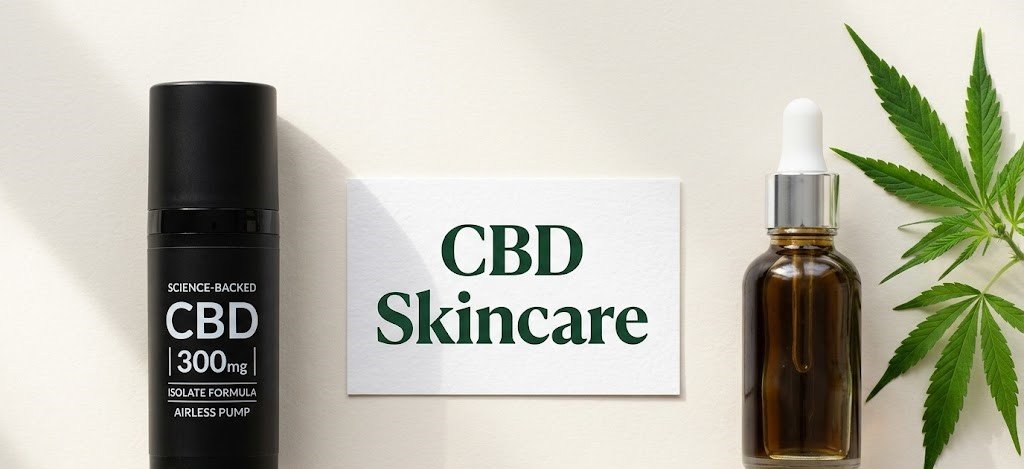
Think of CBD in skincare like a very promising jazz pianist who has only performed in small clubs. The talent is evident to those who watch closely, and the early reviews are exciting. But they have not yet headlined a stadium, and you would not bet your mortgage on them delivering a flawless global tour. The raw material has potential; the delivery and the audience’s reception remain inconsistently documented.
The reason for this gap between cell data and human experience involves three core problems. First, the anti-inflammatory signaling CBD triggers in skin cells is dose-dependent, and most cosmetic products do not disclose the concentration or guarantee it remains stable long enough to work. Second, the lipophilic nature of CBD traps it in the outermost dead skin layer unless a penetration enhancer or specific solvent system drives it deeper. Third, the skin’s own enzymes, part of the endocannabinoid system, actively degrade cannabinoids, meaning the active life of CBD on your skin is brief.
Key Takeaway: CBD is a scientifically interesting, mechanistically sound ingredient that currently functions best as a gentle supporting player, not a lead actor, in a skincare routine for mild redness or oiliness.
What Is CBD in Skincare
CBD, listed on an ingredient label as Cannabidiol, is a non-psychoactive phytocannabinoid extracted primarily from the hemp variety of the Cannabis sativa plant. Unlike its famous relative THC (delta-9-tetrahydrocannabinol), CBD does not produce a high. In skincare, it is valued by cosmetic chemists for its behavior as a lipophilic molecule that can theoretically dock with several receptor types in human skin to modify inflammation, sebum production, and cell proliferation.
The specific form used in skincare matters enormously. You can purchase a highly purified white crystalline powder that is over 99% pure CBD isolate. This form contains zero THC and no other plant compounds. You can also use a broad spectrum distillate, which removes THC but retains other minor cannabinoids like CBG (cannabigerol) and CBN (cannabinol), along with plant terpenes. Then there is a full spectrum extract, which contains the entire chemical fingerprint of the hemp plant, including legally permitted trace amounts of THC below 0.3%. The entourage effect, a theory where all plant compounds work synergistically, is frequently cited to market full spectrum products, but this synergy is documented for oral ingestion, not for a thin film applied to dead surface skin cells.
Most of what you see in a CBD skincare product is not the CBD itself. In a typical 1-ounce (30ml) serum, you might find 100mg to 300mg of CBD total, which is roughly 0.3% to 1.0% of the formula. The remaining 99% is water, oils, glycerin, emulsifiers, and preservatives. Your skin’s response to that 99% carrier base will often determine whether you love or hate the product. A serum with 100mg of CBD in a base of high-oleic-acid olive oil will behave entirely differently on acne-prone skin than the same amount of CBD in a dry-touch silicone base.
CBD vs Hemp Seed Oil for Skin
Hemp seed oil, INCI name Cannabis Sativa Seed Oil, is a cold-pressed vegetable oil extracted from the seeds of the hemp plant and it contains zero CBD. This is the single most exploited confusion in modern skincare marketing. A product labeled “hemp oil” or even surrounded by cannabis leaf imagery often contains only pressed seed oil and no actual cannabidiol at all. The seed oil itself is a perfectly fine emollient rich in linoleic acid and gamma-linolenic acid, making it lightweight and potentially helpful for oily skin types, but it does not interact with the endocannabinoid system.
Brands deliberately blur this line. They will use the word “cannabis” prominently, print a leaf on the front of the bottle, and then the ingredient list reveals only Cannabis Sativa Seed Oil buried in a sea of other plant oils. This is not a crime because labeling laws in the US require only that the ingredient list be truthful, not that the marketing imagery accurately reflects the pharmacologically active content. The front label can imply a meaning the INCI list does not deliver.
To cut through this, you must ignore the front label entirely. Turn the package over and scan the ingredient list. You are looking for the specific word Cannabidiol. If that word does not appear in the INCI list, the product contains no CBD. If you see only Cannabis Sativa Seed Oil, you are holding a standard plant oil moisturizer with some nice fatty acids and absolutely none of the sebostatic or anti-inflammatory receptor interactions promised in the CBD marketing. You are paying a cannabis-themed premium for what is essentially a bottle of fancy canola oil.
| Ingredient Label Name | Contains CBD? | Contains Omega Fatty Acids? | Skin Function |
|---|---|---|---|
| Cannabidiol | Yes | No | Sebostatic, anti-inflammatory signaling |
| Cannabis Sativa Seed Oil | No | Yes | Emollient, barrier-supporting lipid |
| Full Spectrum Hemp Extract | Yes | Yes (from carrier) | Entourage effect claimed, anti-inflammatory |
| Broad Spectrum Hemp Extract | Yes | Yes (from carrier) | Anti-inflammatory without THC |
Key Takeaway: If the ingredient list says Cannabis Sativa Seed Oil and does not say Cannabidiol, you are paying for hemp branding, not CBD skincare.
How Does CBD Interact with Skin Endocannabinoid System
CBD interacts with the skin’s endocannabinoid system primarily as a negative allosteric modulator of CB1 receptors and an agonist at TRPV1 and PPARγ receptors, rather than by directly binding CB2 like a key in a lock. Your skin is not a passive covering. It contains a fully functioning endocannabinoid system (ECS) complete with its own endocannabinoids like anandamide and 2-AG, the enzymes that build and break them down, and cannabinoid receptors on keratinocytes, melanocytes, sebocytes, and sensory nerve fibers. This system regulates proliferation, differentiation, immune responses, and sebum production.
When you apply a topical CBD product, the molecule does not flood into your bloodstream and begin calming your central nervous system. It enters the stratum corneum and engages with the local ECS in the epidermis and dermis. One of its most intriguing documented actions involves the TRPV1 receptor, the same receptor that detects heat and capsaicin from chili peppers. CBD desensitizes this receptor, which is why it can soothe reactive, stinging skin. In overactive sebaceous glands, research published in The Journal of Clinical Investigation demonstrated that CBD activates the PPARγ receptor, which turns down sebocyte lipid production and shifts the gland away from a pro-inflammatory state.
This is a far more complex pharmacology than a simple anti-inflammatory blanket statement suggests. For example, at low concentrations, CBD can act one way, and at higher concentrations, it can have opposing effects on the same receptor system. This biphasic behavior is common in plant compounds but rarely acknowledged in product marketing. Your inflamed rosacea-prone cheek and your oily T-zone may respond to the same CBD serum for entirely different biochemical reasons. The skin on each area expresses receptor subtypes in different densities, which is why no single CBD product works identically for all skin conditions or all facial zones.
CBD Skincare Benefits Evidence
The evidence supporting topical CBD for skin is preliminary but targeted toward three specific pathways: moderate sebum reduction, broad anti-inflammatory signaling, and oxidative stress reduction. According to a 2023 review in the Journal of the American Academy of Dermatology on alternative anti-inflammatories, CBD’s clinical data in human topical trials remains sparse. The majority of evidence supporting its benefits comes from reconstructed human epidermis models, animal models of inflammation, and cell culture work. This is not worthless evidence, but it sits low on the evidence hierarchy.
The sebostatic effect is the most grounded claim. The Oláh et al. 2014 study exposed cultured human sebocytes to CBD and observed a dose-dependent suppression of sebum production through the PPARγ pathway. Separately, CBD reduced the expression of inflammatory cytokines like TNF-alpha and IL-1beta in those same cells. This dual action on both the oil chemistry and the inflammatory cascade is what makes the acne treatment claim plausible. The gap is that sebocytes in a flask lack the complex microbiome, the variable oxygen tension, and the follicular architecture of a human pore. What happens in a flask is directionally instructive, not predictive of a 12-week clinical endpoint.
For claims of general skin soothing and redness reduction, the evidence leans on TRPV1 desensitization and the inhibition of inflammatory mediator release from mast cells. A small 2019 study in Clinical Therapeutics evaluated a CBD-enriched ointment on 20 patients with atopic dermatitis and found statistically significant improvement in itch intensity and sleep loss compared to baseline. This is encouraging but small. The anti-aging claims are the weakest and rest almost entirely on the antioxidant capacity of the CBD molecule itself, which is unremarkable compared to ascorbic acid or ferulic acid. CBD is an antioxidant, yes, but it is not a superior one, and buying a CBD product primarily for antioxidant protection is an expensive way to achieve what a well-formulated vitamin C serum does far more efficiently.
Does Topical CBD Absorb into Skin
Topical CBD has a log P of approximately 6, meaning it is extremely lipophilic and will readily partition into the lipid bilayers of the stratum corneum, but this same property makes penetration into the viable epidermis and dermis slow and formulation-dependent. The outermost layer of your skin is designed, from an evolutionary perspective, to keep lipophilic environmental molecules out. Simply dissolving CBD in a plant oil and massaging it onto your face delivers the molecule into the outer dead cell layers where it acts as a local reservoir. Getting it past that graveyard of keratinocytes and into the living tissue where the receptors sit requires a disruption of the lipid barrier or a penetration enhancer.
Cosmetic chemists working with CBD in 2026 commonly use a few tricks to push it deeper. Encapsulation in liposomes or solid lipid nanoparticles can carry CBD across the corneocyte layers by mimicking the skin’s own lipid structure. Glycols like propylene glycol or ethoxydiglycol act as transient carriers, temporarily fluidizing the intercellular lipids. Silicone bases can create an occlusive film that forces a high concentration gradient, physically pushing the CBD down the follicular openings and into the skin.
Here is the practical consequence of this absorption challenge. If you apply a CBD facial oil and then layer a thick, occlusive moisturizer or a silicone-based sunscreen over it, you are creating a humidity chamber that will likely increase the penetration of everything underneath it, including the CBD. This is not automatically dangerous, but it increases the chance that the CBD and any oxidized byproducts in a degraded formula move deeper into your skin. This is why a fresh, properly packaged CBD product matters. You are not just applying a nice-smelling oil to your cheek. You are creating a thermodynamic condition that pushes this molecule past your primary barrier defense.
CBD for Acne Skin Research
CBD for acne is the most studied topical skin indication, with one landmark cell-culture study from 2014 demonstrating a dose-dependent suppression of lipid synthesis in human sebocytes and a broad downregulation of inflammatory mediators, but human randomized controlled trials remain absent from the literature. The mechanistic triple action, less oil, less inflammation, and reduced bacterial-driven inflammatory signaling, makes the acne claim biologically credible in a way that the anti-aging claim is not. In acne, you have a clear pathological target: an overactive sebaceous gland in a pro-inflammatory state. That target matches what CBD has been shown to modulate.
A subsequent study published in Experimental Dermatology in 2019 explored the effect of CBD on the “acne triad” of lipogenesis, inflammation, and proliferation in sebocytes and confirmed the results of the earlier work. CBD suppressed the proliferation of sebocytes that had been stimulated with arachidonic acid and various cytokines. This is meaningful because hyperproliferation of sebocytes inside the follicle contributes to the physical blockage that starts an acne lesion. By slowing that proliferation and reducing the inflammatory signaling, CBD tackles two of the four pathogenic factors in acne simultaneously. It does not, however, appear to directly kill Cutibacterium acnes bacteria the way benzoyl peroxide does.
Where this leaves you in 2026 is an uncomfortable but scientifically honest middle ground. A 1% CBD serum might help someone with mild, inflammatory papular acne as a complementary anti-inflammatory product used alongside a proven antibacterial and a retinoid. It is not a replacement for a prescription. If you have severe nodular cystic acne and you stop using your adapalene or your oral medication in favor of a CBD oil, you are replacing a treatment with a promising but unvalidated cell-culture finding. That is a gamble your skin will lose.
Key Takeaway: CBD’s acne mechanism is real at a cellular level, but choosing to treat acne with CBD alone is currently an act of hope, not evidence-based therapy.
CBD Anti-Inflammatory Mechanism Skin
CBD reduces skin inflammation by activating the TRPV1 receptor on sensory nerve endings to initially desensitize pain and heat signals, while simultaneously blocking the release of pro-inflammatory cytokines from immune cells in the epidermis and dermis. The cellular machinery behind this effect is not a single switch. When CBD enters the skin, it interacts with mast cells, macrophages, and keratinocytes that have been triggered by UV light, allergens, or barrier disruption. It suppresses the NF-kB pathway, a master protein complex that controls the transcription of DNA and the production of inflammatory cytokines like TNF-alpha, IL-6, and IL-8.
This broad-spectrum suppression of inflammatory signaling is the reason a single CBD product can be marketed for such a dizzying array of conditions: eczema, rosacea, psoriasis, sensitive skin, and post-procedure recovery. All of these conditions feature the same upregulated cytokine profiles that CBD has been shown to tamp down in isolated cell systems. A study in the Journal of Investigative Dermatology examining cannabinoid receptor activation in keratinocytes found that synthetic cannabinoid agonists could suppress the release of chemokines that attract immune cells to the site of irritation. Less chemokine signaling means fewer inflammatory cells arriving at the scene, which means less visible redness and less tissue heat.
There is a nuance here that matters for people who rely on their skin’s natural inflammation to judge environmental danger. Mild UV-induced inflammation, the faint warmth that tells you to seek shade, is a protective signal. Anti-inflammatory topicals applied before sun exposure can theoretically mask this early warning. This is not a known clinical issue with CBD specifically, but it is a known theoretical concern with any topical anti-inflammatory used during high sun exposure. A board-certified dermatologist would tell you that this theoretical risk does not outweigh the benefit of using an anti-inflammatory to manage a diagnosed condition, but it is worth knowing that quieting inflammation pharmacologically and preventing it through sun avoidance are not the same thing.
Is CBD Anti-Aging for Skin
CBD is a functional antioxidant and a mild inhibitor of collagen-degrading enzymes in vitro, but the label “anti-aging” is a marketing convenience that dramatically overstates the limited, indirect evidence for its effect on visible skin aging. Aging skin reflects a lifetime of accumulated UV damage, a genetically programmed slowdown of fibroblast collagen synthesis, and the slow degradation of the dermal extracellular matrix by enzymes called matrix metalloproteinases (MMPs). CBD, like many plant polyphenols, can scavenge reactive oxygen species and reduce the oxidative stress that activates MMPs. That is true. It is also true of green tea catechins, resveratrol, and ascorbic acid.
The specific anti-aging claim for CBD often rests on its ability to activate the PPARγ receptor, which in some cell types can reduce MMP expression. By reducing MMP activity, you theoretically preserve more of the dermal collagen scaffold. A 2021 study in the International Journal of Cosmetic Science examined CBD in a fibroblast culture model and found it could protect against hydrogen-peroxide-induced oxidative damage and reduce the expression of MMP-1, a collagen-eating enzyme. This is promising data from a flask. But claiming a product is “anti-aging” on the basis of MMP-1 reduction in a cell culture is analogous to claiming a food prevents heart disease because it lowered LDL cholesterol in a mouse.
For anti-aging to be a valid product claim in a human skin context, you need a controlled split-face study measuring wrinkle depth, skin elasticity with a cutometer, and collagen density in biopsies over at least 12 weeks. That study does not exist for CBD in 2026. Compare this to tretinoin, for which decades of randomized controlled trials and histological biopsies have shown increased collagen type I and type III synthesis. CBD is not tretinoin. Buy it if you find it soothing and luxurious. Do not buy it believing it is rebuilding your dermis.
CBD Isolate vs Full Spectrum in Skincare
CBD isolate is over 99% pure cannabidiol powder with zero THC and no terpenes, making it the more predictable choice for reactive skin, while full spectrum extract retains the full hemp plant profile including potentially comedogenic waxes, fragrance terpenes, and legally trace THC that likely provides no topical benefit. The skincare industry loves marketing the entourage effect for full spectrum. The idea is that CBD works better when accompanied by its plant siblings. This effect has some evidence in the context of oral ingestion for pain and anxiety. For a thin film sitting on the stratum corneum, the pharmacology shifts.
Full spectrum extract adds plant waxes, chlorophyll remnants, and a mixture of terpenes that give it a distinctive earthy scent. Those terpenes are volatile aromatic compounds like limonene, linalool, and beta-caryophyllene. Beta-caryophyllene is actually interesting because it is a selective CB2 receptor agonist in its own right and can independently reduce inflammation. The problem is the other terpenes. Limonene and linalool, when exposed to air on your skin, oxidize into hydroperoxides that are well-documented skin sensitizers. A 2021 study in the British Journal of Dermatology confirmed that oxidized limonene is a leading cause of allergic contact dermatitis from fragranced personal care products.
Choosing isolate removes the terpene liability and the waxes, leaving you with a molecule that is chemically cleaner but not necessarily more or less effective. The word “clean” here means pure in a chemical sense, not in the meaningless “clean beauty” marketing sense. Some cosmetic chemists argue that full spectrum’s waxy plant material actually helps slow CBD crystallization in the formula. CBD isolate is notoriously difficult to keep dissolved in anhydrous oil systems because it wants to crash out into solid crystals. The plant waxes in full spectrum act as nucleation inhibitors. If you want absolutely minimal allergy risk, choose an isolate product from a brand that uses airless packaging and discloses the concentration.
CBD Stability Oxidation Skincare Products
CBD is a photosensitive, oxidatively unstable molecule that degrades into a darkening sludge of hydroxyquinones and cannabidiol monomers that are documented skin sensitizers, and packaging it in a clear glass dropper bottle is a formulation failure that delivers a compromised product to your skin. This is the most important thing about CBD skincare that almost no brand openly discusses. Fresh, properly extracted CBD in a sealed bottle is a pale golden to amber liquid or a white crystalline powder. When it sits on a shelf in a clear bottle, ambient light and oxygen begin degrading the molecule.
The degradation products are not inert. Research published in the Journal of Pharmaceutical Sciences has identified that CBD oxidizes into compounds that can form reactive oxygen species and bind to skin proteins as haptens, triggering an allergic contact dermatitis reaction in some individuals. This means a product that was soothing and gentle when you opened it can become an irritant two months later as the bottle contents darken from gold to a deep, muddy brown. The color change is not a charming patina. It is a chemical warning.
To protect your skin and your money, you must evaluate how a CBD product is packaged before you evaluate the milligram count on the label. Airless pump bottles with opaque or UV-coated glass are the current gold standard for cannabinoid stability. Dark violet Miron glass is often used because it filters damaging visible and UV light while allowing some infrared to pass through, which is claimed to preserve biological compounds. Even with these containers, once the product is opened and a pump introduces a tiny amount of air, the clock starts. A 1-ounce CBD serum in an airless pump has a realistic unrefrigerated functional shelf life of roughly three to six months after opening. If you see a half-full bottle of brown CBD oil on your bathroom counter that you opened nine months ago, you are applying oxidized lipids to your face.
How to Read a CBD Skincare Label
Reading a CBD skincare label requires ignoring the front-panel hemp leaf graphics and directly scanning the INCI list for the word Cannabidiol, then looking for a standalone milligram count on the front or back that states the total CBD content per container, not just the hemp extract amount. Brands that are proud of their CBD concentration will state it clearly, for example, “300mg CBD” or “Contains 100mg Cannabidiol.” Brands that are marketing hemp lifestyle imagery without real CBD content will use language like “100mg Hemp Extract” or “Infused with Cannabis Sativa Oil,” which tells you nothing about the active cannabinoid content.
The term “hemp extract” is a deliberate gray zone. A 100mg hemp extract could be an oil containing 80mg CBD, or it could be a crude hemp seed paste with 5mg of CBD and 95mg of chlorophyll and plant wax. Without third-party verification, you cannot know. Reputable CBD skincare brands in 2026 will provide a QR code on the package linking to a batch-specific certificate of analysis (COA) from an independent laboratory. This COA should verify the CBD concentration, confirm the absence of pesticides and heavy metals, and show the THC content is below the 0.3% legal threshold. A skincare brand that does not offer a public COA is signaling that you should trust their supply chain without verification. You should not.
Pay attention also to the list position of the active ingredients. If Cannabidiol sits after the preservatives and fragrance on an ingredient list, the concentration is likely cosmetic window dressing, perhaps 0.01% or less. If it sits in the top third of the ingredient list behind water and a few humectants, the brand has spent money on a meaningful load. This is not a perfect rule because ingredient lists are by weight and CBD is potent at low percentages, but a tenth-of-a-percent sprinkled into a sea of aloe vera is not the same product as a 1% CBD serum with a delivery system.
Key Takeaway: Look for “Cannabidiol,” a stated milligram amount, a QR-linked lab certificate, and airless packaging. If any of these four are missing, put the product down.
CBD Carrier Oils and Comedogenicity
The carrier oil in a CBD product, whether it is squalane, MCT oil, hemp seed oil, or a blend of high-oleic-acid oils, determines the pore-clogging potential of the formula far more than the CBD itself, and using the wrong carrier base for your skin type is a leading cause of CBD breakouts. Pure CBD isolate has not been assigned a comedogenic rating, but it is a waxy lipophilic powder that likely has some pore-blocking potential at very high concentrations. The real risk lives in what the chemist chose to dissolve the CBD in.
MCT oil, fractionated coconut oil rich in caprylic and capric triglycerides, is a common carrier because it is light, stable, and dissolves CBD well. It sits around a 1 to 2 on the comedogenic scale, meaning it is generally low-risk for most skin types. Cold-pressed hemp seed oil, the same oil that confuses consumers, is an excellent carrier precisely because it has a comedogenic rating of 0 and a high linoleic acid profile that can actually help unplug follicles in oily skin. The problem carriers are the luxury oils. Olive oil, coconut oil (unfractionated), wheat germ oil, and some exotic nut oils have higher oleic acid content and sit at a 3 to 4 on the comedogenic scale. They feel rich and expensive, but they create the perfect occlusive plug in an acne-prone follicle.
If you developed breakouts from a CBD oil, interrogate the carrier, not the cannabinoid. Switch to a CBD serum with a volatile silicone base, like cyclopentasiloxane, or a lightweight dry oil base like squalane. A silicone base will feel entirely different: thin, dry, and vanishing. It will not feed the microbiome the way a plant oil does, and it will not form a heavy occlusive seal. For someone with Fitzpatrick skin types IV through VI, who is already prone to post-inflammatory hyperpigmentation from any breakout, this carrier choice is not a minor preference. It is the difference between a soothing treatment and weeks of dark marks.
How to Layer CBD with Retinol and Vitamin C
Apply your water-based, low-pH vitamin C serum (L-ascorbic acid) first to clean, dry skin, let it fully absorb for 5 minutes, then apply your CBD oil or serum, and if your routine includes retinol, reserve that for the evening on a separate night or apply it over the CBD after 30 minutes. This sequencing respects the golden rule of skincare layering: thinnest to thickest, water before oil. L-ascorbic acid serums are typically acidic, pH 3.0 to 3.5, and need to reach the skin quickly without an oil barrier. CBD, being a lipophilic oil or silicone-dispersed ingredient, forms an occlusive or semi-occlusive film that will block the vitamin C penetration if applied first.
The question of combining CBD and retinol is more nuanced. CBD is not a direct chemical antagonist of retinoic acid receptors. They act on entirely different pathways: CBD on cannabinoid and TRPV receptors, and retinol on nuclear RAR and RXR receptors. The risk is not cancellation of effect. The risk is irritation. Retinol upregulates skin cell turnover and compromises the barrier temporarily, making skin more permeable and reactive. Applying CBD over retinol may increase the penetration of both because the slightly disrupted barrier from the retinoid allows the CBD and its carrier to move deeper, which sounds beneficial until you consider that the oxidized byproducts in a non-fresh CBD product now have a wide-open door into the viable epidermis.
Your safest approach is to alternate evenings or apply CBD as the soothing buffer. Cleanse, apply your CBD product, wait 20 to 30 minutes for it to partition into the skin, and then apply your retinol over it. This buffering technique slows the retinoid absorption and reduces the peak irritation while allowing both ingredients to work. On non-retinol nights, use the CBD as a final occlusive step. If you experience stinging, warmth, or new redness when layering these two, stop combining them on the same night. They do not have synergy you need to chase. They are two tools in a toolbox, not a duo that becomes magic together.
CBD Serum vs Cream Formulation
A CBD serum, typically water-based with encapsulated oil or a high-glycol content, will deliver the active cannabinoid to the epidermis faster and with less residue, while a CBD cream uses a thicker emulsion structure to provide barrier repair lipids and reduce transepidermal water loss over a longer period. Neither is universally better. They solve different problems and suit different skin moments.
If your primary goal is getting the anti-inflammatory, sebostatic CBD to the living skin cells with minimal interference, choose a serum. A serum formulated with a penetration enhancer like ethoxydiglycol or dimethyl isosorbide will carry the CBD past the stratum corneum rapidly. A 2022 comparative study in the International Journal of Cosmetic Science on cannabinoid delivery demonstrated that glycol-based systems drove significantly more CBD into the epidermis compared to pure oil solutions. The serum format also plays well under sunscreen and makeup because it leaves less of a shiny film.
A cream makes sense if your skin barrier is compromised and you want the CBD to act as a topical anti-inflammatory on the surface and in the upper epidermis while the cream’s lipids do the repair work. A CBD cream built with a 3:1:1 ratio of ceramides, cholesterol, and free fatty acids is doing double duty. The CBD is calming the immune cells in the skin, and the lipid blend is physically patching the brick wall of the stratum corneum. For someone with atopic dermatitis or post-procedure peeling, the cream format is superior because the occlusion and lipid delivery are the main event, and the CBD is a helpful supporting cast member. The occlusion will also, as noted, drive the CBD deeper, so the combined effect is more pronounced in a cream than a simple oil.
CBD Skincare for Sensitive Skin and Dermatitis
CBD’s TRPV1-desensitizing effect makes it a mechanistically suitable ingredient for reactive, stinging, sensitive skin, but the formulation’s cleanliness, meaning chemical purity and the absence of fragrance allergens, determines whether it helps or triggers a dermatitis flare. Sensitive skin is not a single diagnosis. It is an umbrella term covering everything from mild atopic diathesis to rosacea to a disrupted barrier from over-exfoliation. The common thread is a lowered threshold for neurogenic inflammation and a twitchy TRPV1 receptor system on sensory nerves. CBD applied to this hyperactive system can theoretically raise the heat and pain threshold, making skin feel less reactive.
The practical evidence for this is stronger than the anti-aging evidence but still limited. A small open-label study published in Clinical Therapeutics in 2019 tested a CBD ointment on patients with atopic dermatitis and found reductions in itch and improvements in sleep quality over two weeks. For the person with eczema who scratches at night, this outcome matters more than any anti-wrinkle promise. Itch reduction translates to less barrier damage from fingernails, which translates to fewer secondary infections and less lichenification.
The greatest hazard for sensitive skin users is not the CBD molecule. It is the rest of the formula. A full spectrum CBD cream that contains limonene, linalool, and an essential oil blend for “aromatherapy” benefits is a dermatological trap for an atopic or reactive skin type. These are the exact volatile fragrance allergens that the American Academy of Dermatology identifies as top triggers for allergic contact dermatitis. If you have sensitive skin and want to try CBD, choose an isolate product in a minimal base. A formulation with fewer than 10 ingredients, no essential oils, and no botanical extracts except the CBD itself. Your patch test should be a strict 48-hour procedure on the inner arm, not a casual dab on the jawline before bed.
Key Takeaway: For the right person with reactive skin using an ultra-pure, fragrance-free isolate product, topical CBD can quiet the sensory noise of inflammation without introducing new allergens.
================================================================
Frequently Asked Questions About CBD Skincare
Can CBD skincare make you fail a drug test?
Topical CBD applied to unbroken skin cannot absorb deeply enough into the bloodstream to produce a positive drug test for THC metabolites.
A standard workplace drug screen looks for the THC metabolite THC-COOH, not for CBD itself.
Using a full spectrum topical product that contains trace THC does not introduce THC into your blood unless you are drinking the serum.
Does CBD clog pores or cause acne?
Pure CBD isolate at typical cosmetic concentrations is not independently highly comedogenic, but the carrier oil in the formula can easily clog pores if it is rich in oleic acid or rated highly on the comedogenic scale.
MCT oil and hemp seed oil are low-risk carriers that are unlikely to cause breakouts.
Acne breakouts attributed to CBD products are more often caused by heavy carrier oils or an inflammatory reaction to oxidized CBD degradation compounds.
Is CBD safe to use with retinol?
Yes, CBD can be used safely with retinol by applying it as a buffer before the retinoid or alternating it on separate nights to reduce cumulative irritation.
CBD does not cancel retinol’s effects because they target different receptor families.
Watch for increased penetration of both ingredients, which can cause stinging if you layer them too quickly.
Can you use CBD skincare every day?
Yes, a stable, unoxidized CBD product with a non-comedogenic base is suitable for daily use, typically in the morning under sunscreen or in the evening as a soothing step.
Twice-daily application is standard in the small existing human trials on CBD for sensitive skin.
Daily use requires strict attention to the product’s color and smell to ensure it has not begun to oxidize.
Why did my CBD serum turn brown?
Your CBD serum turned brown because the cannabidiol molecule oxidized after exposure to light, heat, and oxygen, forming dark-colored quinone degradation products.
This color change is a chemical red flag signaling that the product is now a potential skin sensitizer.
A darkened CBD product should be discarded immediately, not used as a “stronger” treatment.
Is CBD better than niacinamide for redness?
Niacinamide is supported by a much larger body of human clinical trial data for reducing facial redness and improving barrier function than topical CBD.
CBD works through a different mechanism involving cannabinoid and TRPV1 receptors, which may make it useful for redness that niacinamide does not fully calm.
The two are not mutually exclusive and can be layered together for complementary anti-inflammatory coverage on different skin pathways.
================================================================
The CBD skincare conversation in 2026 demands a level of label literacy and healthy skepticism that the industry has not made easy. You are dealing with a molecule that has real, interesting pharmacology that happens to degrade in the bottle if the chemist and the packaging engineer did not do their jobs perfectly. The single most powerful thing you can do is shift your evaluation from the milligrams printed in gold foil on the front to the combination of INCI names, airless packaging, and independent lab data that tells the complete chemical story.
If you take one practical step after reading this, it should be to walk into your bathroom, pick up your CBD product, and check the color and the ingredient list. Is it in a clear dropper bottle on a bright counter? Has it darkened to a caramel or cola shade since you bought it? Does it say Cannabidiol or just Cannabis Sativa Seed Oil? These are not trivial questions. They are the difference between applying a functional anti-inflammatory and applying oxidized sensitizers to a skin barrier you are trying to protect.
The brands that will earn your trust are the ones that act like pharmaceutical companies when it comes to stability data and like honest educators when it comes to marketing language. Trust the ones that tell you to keep their product in a cool, dark cabinet and discard it after six months. Be wary of the ones that tell you their CBD oil is a mystical cure for everything from acne to wrinkles. Your skin deserves the distinction between what has been shown in a petri dish and what has been proven on thousands of human faces. That distinction, applied consistently, is what separates an effective routine from an expensive collection of wishful thinking.