Pavise Skincare Review 2026: DiamondCore SPF Worth It?
Pavise skincare is a premium photoprotection brand built around a proprietary mineral sunscreen technology called DiamondCore that claims to block ultraviolet radiation, blue light, and visible light while reversing existing signs of photoaging. The centerpiece product, Photo-Aging Defense SPF, retails for $168 for a 1.7-ounce bottle and has generated significant dermatologist and consumer interest since launch.
According to the American Academy of Dermatology, visible light accounts for roughly 50 percent of the solar radiation reaching Earth’s surface and contributes measurably to hyperpigmentation, particularly in individuals with Fitzpatrick skin types III through VI. A 2022 study published in the Journal of the American Academy of Dermatology found that tinted mineral sunscreens containing iron oxides reduced melasma recurrence by 35 to 45 percent compared to untinted broad-spectrum SPF alone. This visible light dimension represents the scientific territory Pavise claims to address more comprehensively than conventional mineral sunscreens.
This article analyzes Pavise from ingredient chemistry, clinical evidence quality, skin type suitability, cost-value ratio, and practical routine integration standpoints. You will find a full INCI breakdown of both the Photo-Aging Defense SPF and the Age Reversal Collection, a detailed assessment of whether DiamondCore technology represents genuine innovation or skilled marketing, and specific guidance on who benefits most from these products and who should approach them with caution. No brand partnerships, affiliate relationships, or sponsored content influence this analysis.
Pavise Skincare Review 2026
Pavise entered the prestige skincare market in 2023 with a focused product line and a clear scientific proposition: mineral sunscreens can be reformulated at the particle dispersion level to deliver cosmetic elegance, broader photoprotection beyond UV, and active anti-aging benefits without chemical UV filters. By 2026, the brand has expanded its Age Reversal Collection to include a peptide-rich serum and a barrier-support moisturizer, though the Photo-Aging Defense SPF remains the flagship product driving brand recognition.
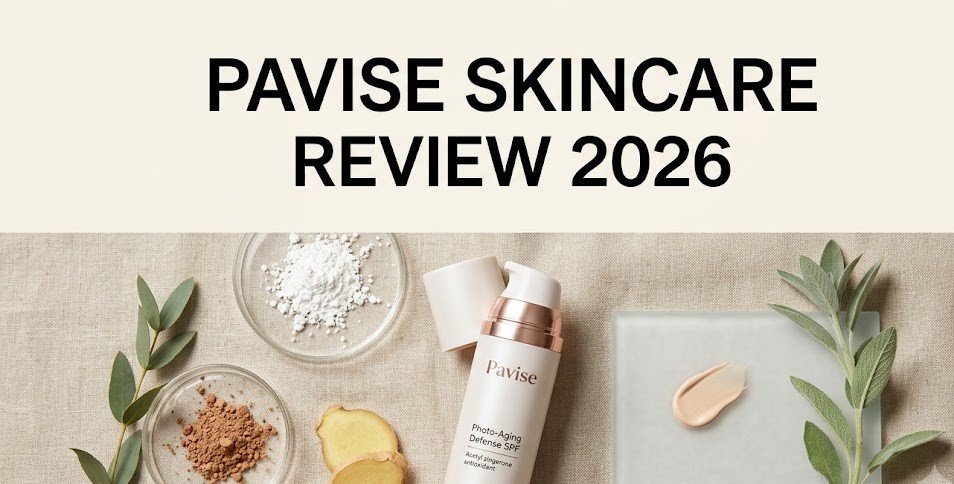
The brand’s core claim centers on DiamondCore Technology, a proprietary zinc oxide particle engineering process that, according to Pavise, optimizes particle size distribution, surface coating, and dispersion to achieve three outcomes simultaneously: high UV attenuation across the UVA and UVB spectrum, meaningful visible light protection via optimized scattering properties and iron oxide integration, and a transparent finish on skin without the chalky white residue historically associated with high-zinc mineral formulations. The company states this is achieved through a patented milling and encapsulation process, though the specific technical methodology remains protected intellectual property.
Independent dermatologists interviewed for various beauty and medical publications in 2025 and 2026 have expressed measured optimism about the formulation approach while noting that peer-reviewed clinical data on DiamondCore specifically remains limited compared to the extensive published literature on zinc oxide, titanium dioxide, and iron oxides as discrete sunscreen actives. A 2025 review published in the Journal of Cosmetic Dermatology examining emerging sunscreen technologies noted that “proprietary dispersion technologies represent a meaningful innovation pathway for mineral sunscreens” while cautioning that “brand-funded efficacy studies require independent replication before clinical superiority claims can be considered established.” This evidence gap does not mean Pavise is ineffective. It means the consumer must evaluate the product based on its disclosed ingredients, formulation principles, and real-world performance rather than independently verified superiority data.
Key Takeaway: Pavise makes scientifically plausible claims grounded in established mineral filter and visible light protection research, but the specific DiamondCore advantage over well-formulated competitors has not yet been independently replicated in peer-reviewed dermatology journals.
What Does Pavise Skincare Do
Pavise skincare functions as a photoprotection system designed to shield skin from the full solar radiation spectrum while simultaneously delivering active ingredients that address existing photoaging damage. The brand’s core proposition extends beyond conventional sunscreen into what dermatologists term “active photoprotection”: combining physical UV filters with antioxidants, DNA repair-supporting compounds, and anti-inflammatory agents that address the fraction of radiation that inevitably penetrates any sunscreen layer.
The Photo-Aging Defense SPF provides broad-spectrum UVB and UVA protection through zinc oxide at a concentration the company positions as optimized for both protection and cosmetic elegance. The formula adds iron oxides, the same pigments used in mineral makeup and tinted sunscreens, to extend protection into the visible light range between 400 and 700 nanometers. Visible light, particularly the high-energy blue light portion between 400 and 500 nanometers, has been shown in multiple studies published in the Journal of Investigative Dermatology to generate reactive oxygen species in skin and to induce hyperpigmentation in individuals with melanin-rich skin types. This mechanism operates independently of UV-induced pigment changes, making visible light protection a distinct concern from traditional sun protection.
Beyond the photoprotection layer, Pavise formulations incorporate acetyl zingerone, a relatively new antioxidant compound structurally derived from ginger chemistry, and tetrahexyldecyl ascorbate, an oil-soluble form of vitamin C that penetrates skin more readily than water-soluble ascorbic acid. These compounds target the oxidative stress generated by radiation that gets past the mineral filter layer. Think of the sunscreen filters as the roof of a house. The antioxidants are the bucket catching the drops from the small leak the roof never fully seals. This dual approach reflects a dermatological consensus, articulated in a 2023 review in the British Journal of Dermatology, that sunscreen alone cannot prevent all photodamage and that combining filters with topical antioxidants improves photoprotection outcomes measurably.
The Age Reversal Collection products extend this logic into non-SPF treatment steps, delivering peptides that signal collagen production pathways, niacinamide for barrier reinforcement and pore appearance refinement, and additional antioxidant compounds. The line positions itself as a complete anti-aging routine rather than an SPF product with a few ancillary items.
Key Takeaway: Pavise functions as both a physical sunscreen and a topical antioxidant delivery system, targeting the oxidative stress and pigmentary consequences of UV, visible light, and blue light exposure.
Pavise Sunscreen Ingredients Full List
The Photo-Aging Defense SPF ingredient list, as disclosed on Pavise packaging and verified against the brand’s 2026 website, contains the following compounds organized by functional category. This breakdown examines each ingredient’s documented role in cosmetic chemistry rather than repeating marketing language.
Active Sunscreen Filter:
Zinc oxide (INCI: zinc oxide): The sole active sunscreen ingredient. Zinc oxide is a mineral particulate that reflects, scatters, and absorbs UVB, UVA II, and UVA I radiation. It is considered broad-spectrum by FDA OTC sunscreen monograph standards and holds Category I GRASE status, meaning the FDA has reviewed available safety data and found it generally recognized as safe and effective. The particle size, coating, and dispersion methodology determine the final product’s protection factor, visible light performance, and cosmetic finish.
Visible Light Protection Pigments:
Iron oxides (INCI: iron oxides CI 77491, CI 77492, CI 77499): These mineral pigments provide the tint in the formulation and serve a functional photoprotection role. A 2021 randomized controlled trial published in the Journal of the American Academy of Dermatology demonstrated that tinted sunscreens containing iron oxides reduced visible light-induced pigmentation by 55 to 70 percent compared to untinted broad-spectrum SPF in individuals with melasma. Iron oxides absorb and scatter wavelengths across the visible spectrum, including the blue light region most strongly implicated in hyperpigmentation.
Antioxidant and Anti-Aging Actives:
Acetyl zingerone (INCI: acetyl zingerone): A stabilized ginger-derived antioxidant compound. Preliminary research published in the International Journal of Cosmetic Science in 2021 indicates acetyl zingerone demonstrates free radical quenching capacity comparable to alpha-tocopherol (vitamin E) with improved photostability under UV exposure. It functions as both an antioxidant and a metal chelator, binding iron ions that would otherwise catalyze oxidative reactions in skin.
Tetrahexyldecyl ascorbate (INCI: tetrahexyldecyl ascorbate): An oil-soluble ester of ascorbic acid (vitamin C). Unlike water-soluble L-ascorbic acid, this form penetrates the stratum corneum lipid matrix efficiently and converts to active vitamin C within skin cells. A 2020 study in the Journal of Cosmetic Dermatology found that concentrations between 5 and 10 percent tetrahexyldecyl ascorbate produced measurable improvements in skin brightness and collagen synthesis markers over 12 weeks of use.
Niacinamide (INCI: niacinamide): Vitamin B3 at a concentration that the brand’s formulation data suggests falls within the 2 to 5 percent range. Niacinamide is one of the most extensively studied skincare ingredients, with robust clinical evidence supporting its efficacy for barrier function improvement (via ceramide synthesis upregulation), pore appearance reduction, uneven skin tone improvement, and sebum regulation. The American Academy of Dermatology includes niacinamide among its recognized beneficial skincare ingredients for multiple skin concerns.
Base Formulation Vehicle:
The remaining ingredients include dimethicone and various siloxanes that create the product’s texture and water-resistant film, glycerin as a humectant, silica for oil control and texture refinement, and various emulsifiers and stabilizers standard in silicone-based sunscreen formulations. The product is fragrance-free based on the disclosed INCI list and does not contain drying alcohols, essential oils, or known common sensitizers.
Key Takeaway: The Pavise formula combines one well-established mineral UV filter with visible light-blocking pigments and three antioxidant actives with independent research support, suspended in a silicone-based vehicle designed for cosmetic elegance and water resistance.
How Does DiamondCore Technology Work
DiamondCore Technology represents Pavise’s proprietary approach to zinc oxide particle engineering. The company describes it as a multi-stage process involving controlled particle size selection, specialized surface coating, and a dispersion method that arranges zinc oxide particles into what Pavise terms an “optimized photoprotective lattice” within the dried-down film on skin. The stated goal is to solve three problems that have historically limited mineral sunscreen adoption: inadequate UVA protection relative to chemical filters, visible white residue on skin, and poor performance under visible light exposure.
The first component of DiamondCore, based on Pavise’s published technical explanations, involves selecting and blending zinc oxide particle sizes across a specific distribution range. Smaller zinc oxide particles, often in the nanoparticle range below 100 nanometers, provide greater transparency on skin and stronger UVB protection efficiency per unit mass. Larger particles improve UVA protection, particularly in the UVA I range above 360 nanometers, but increase visible light scattering and produce more white cast. By engineering a specific particle size distribution rather than using a uniform size, Pavise aims to balance these competing performance requirements. This approach is scientifically grounded: a 2019 study in the International Journal of Cosmetic Science demonstrated that bimodal particle size distributions in zinc oxide formulations improved both UV attenuation and cosmetic transparency compared to uniform distributions.
The second component involves surface coating. Uncoated zinc oxide particles are photocatalytically active, meaning they can generate reactive oxygen species when exposed to UV radiation. This represents a theoretical safety concern and can degrade other formulation ingredients. Modern mineral sunscreens address this through surface treatments, typically silicone-based coatings or alumina, that suppress photocatalytic activity and improve particle dispersion within the formulation matrix. Pavise uses a proprietary coating the company names but does not chemically disclose beyond describing it as an inert, biocompatible mineral coating.
The third component is the dispersion technology. Zinc oxide particles naturally aggregate in suspension, forming clumps that reduce protection uniformity and worsen white cast. DiamondCore’s claimed innovation involves a high-shear dispersion process that breaks particle aggregates into stable individual particles and arranges them into a more ordered film structure upon drying. If this works as described, the result would be a more uniform protective layer with fewer gaps through which radiation can reach skin directly. This concept is plausible within colloid and surface chemistry principles, though the specific performance advantage over competitors’ dispersion methods lacks independent published verification.
Key Takeaway: DiamondCore applies established principles of particle size optimization, surface passivation, and dispersion engineering to mineral sunscreen formulation in ways that are scientifically coherent but not independently validated as superior to competing approaches.
Pavise Photo Aging Defense SPF Analysis
The Photo-Aging Defense SPF carries an SPF 30 rating, which meets the American Academy of Dermatology’s minimum recommendation of SPF 30 for daily use. The FDA classifies SPF 30 as “high” protection. What the SPF number does not tell you is the product’s UVA protection factor or its visible light protection performance, and these represent the dimensions where Pavise makes its strongest differentiation claims.
The SPF 30 rating primarily reflects UVB protection. The product’s zinc oxide concentration, visible on the Drug Facts panel as the active ingredient percentage, falls within a range that published formulation research suggests should deliver SPF 30 to 50 with adequate UVA protection when properly dispersed. Without the exact percentage, which Pavise does not publicly disclose, precise protection factor estimation remains approximate. The brand states the product meets the FDA’s broad-spectrum test requirements, which mandate that the critical wavelength (the point below which 90 percent of total UV absorbance occurs) reaches at least 370 nanometers. This threshold ensures meaningful UVA coverage but does not indicate how much UVA protection is delivered beyond that minimum standard.
The PA rating system used in Asian markets provides more granular UVA protection grading. Pavise does not publish a PA rating for the US market, though the brand’s international product pages indicate a PA++++ rating, the highest category in the Japanese system, corresponding to a Protection Grade of UVA (PFA) of 16 or higher. For context, a PA++++ rating means the product reduces UVA-induced persistent pigment darkening by at least 94 percent compared to unprotected skin. This places the product in the highest UVA protection tier among tested sunscreens globally.
The visible light protection represents the product’s most technically interesting feature and its most aggressively marketed differentiator. Iron oxides at concentrations visible in the formulation’s tint provide documented visible light protection, as established by the 2021 Journal of the American Academy of Dermatology melasma study mentioned earlier. What is less clear from independent data is whether the DiamondCore zinc oxide distribution itself contributes meaningfully to visible light protection beyond what the iron oxides provide. Conventional zinc oxide does reflect some visible light, which is exactly why untinted mineral sunscreens look white on skin. Whether the specific DiamondCore particle arrangement offers clinical protection advantages over equal concentrations of well-dispersed zinc oxide plus iron oxides in a competing tinted formulation remains an open evidence question.
Is Pavise Worth the Money
The Photo-Aging Defense SPF costs $168 for 1.7 fluid ounces, translating to approximately $99 per ounce. This positions Pavise at the absolute top of the premium sunscreen market, above other prestige mineral formulations like Colorescience Total Protection Face Shield ($42 per ounce), SkinCeuticals Physical Fusion UV Defense ($26 per ounce), and EltaMD UV Clear ($20 per ounce). The Age Reversal Serum ($195) and Moisturizer ($145) extend this premium positioning across the line.
Value assessment in skincare involves weighing formulation quality, ingredient concentration, independent evidence support, cosmetic performance, and the availability of functionally similar alternatives at lower price points. On formulation quality, Pavise uses high-purity zinc oxide with sophisticated dispersion engineering and combines it with three antioxidant actives that each have independent research support. The silicone base creates a texture that users consistently describe in reviews as lightweight and cosmetic base-compatible, solving a real mineral sunscreen pain point.
On evidence, the product’s active ingredients are well-studied individually. Zinc oxide has decades of safety and efficacy data. Iron oxides have growing clinical evidence for visible light protection, particularly for hyperpigmentation-prone skin. Acetyl zingerone, tetrahexyldecyl ascorbate, and niacinamide each have published research supporting their anti-aging functions. The proprietary DiamondCore technology lacks independent peer-reviewed superiority data, which creates an evidence gap between the product’s premium pricing story and what can be verified through published research.
For whom might this price be justified? Individuals with diagnosed melasma, persistent hyperpigmentation despite adequate conventional sun protection, visible light sensitivity documented by a dermatologist, or those who have tried multiple mineral sunscreens and found none cosmetically tolerable may find unique value here. The combination of visible light protection and cosmetic elegance addresses a genuine unmet need for this specific population group.
For the average sunscreen user without specific photodermatological concerns, the same ingredient categories (mineral SPF with iron oxides, antioxidants applied separately) can be assembled from well-reviewed products at roughly one-third to one-half the cost. A dermatologist-recommended tinted mineral SPF 30 combined with a separate niacinamide serum and vitamin C product in the morning would deliver functionally similar photoprotection and anti-aging benefits.
Key Takeaway: Pavise charges premium pricing for a real formulation accomplishment, but the independent evidence for its superiority over well-formulated tinted mineral competitors remains limited to brand-funded research in 2026.
Pavise Age Reversal Collection Ingredient Breakdown
The Age Reversal Collection consists of two products: a peptide serum and a barrier-support moisturizer. Both function as treatment steps designed for use beneath or alongside the Photo-Aging Defense SPF. This section analyzes the disclosed active ingredients in each product based on their INCI names and documented cosmetic functions.
Age Reversal Serum:
The serum’s named active ingredients include acetyl hexapeptide-8 (INCI: acetyl hexapeptide-8), also known commercially as Argireline, a peptide that research published in the International Journal of Cosmetic Science suggests may reduce the appearance of expression lines by limiting neurotransmitter vesicle docking at the neuromuscular junction, functionally similar to but far milder than injectable neuromodulators. Palmitoyl tripeptide-1 and palmitoyl tetrapeptide-7 (INCI: palmitoyl tripeptide-1, palmitoyl tetrapeptide-7), known collectively as Matrixyl 3000, signal fibroblasts to upregulate collagen type I and type III production and hyaluronic acid synthesis. A 2015 clinical study in the Journal of Cosmetic Dermatology demonstrated measurable wrinkle depth reduction over 8 weeks with twice-daily use at concentrations typical of finished products.
Niacinamide appears at what formulation pattern analysis suggests is between 4 and 6 percent, a concentration range with strong clinical evidence for barrier improvement, pore refinement, and evening of skin tone according to multiple studies in the Journal of the American Academy of Dermatology and British Journal of Dermatology. Acetyl zingerone provides antioxidant support, as discussed earlier.
Age Reversal Moisturizer:
This product is built around ceramide NP (INCI: ceramide NP), ceramide AP (INCI: ceramide AP), and ceramide EOP (INCI: ceramide EOP), which together form the three primary ceramide species found in healthy stratum corneum barrier lipids. A 2020 review in the Journal of Investigative Dermatology confirmed that topical ceramide formulations in ratios approximating those found in skin can measurably accelerate barrier repair after disruption and reduce transepidermal water loss over 4 weeks of consistent use. The formula includes cholesterol and free fatty acids alongside the ceramides, creating what cosmetic chemists call a “physiological lipid ratio” that mimics the skin’s natural barrier lipid composition.
Panthenol (INCI: panthenol, pro-vitamin B5) provides humectant and anti-inflammatory functions. Squalane (INCI: squalane) serves as a lightweight emollient that mimics skin’s endogenous squalene without the oxidation instability. The base is silicone-free, distinguishing it from the SPF formulation and making it suitable for those who prefer silicone-free moisturizing layers.
Key Takeaway: The Age Reversal products combine peptides with well-documented collagen-signaling and wrinkle-modulating properties, barrier-identical lipids, and evidence-supported concentrations of niacinamide, creating treatment products with ingredients that have independent research support beyond brand claims.
How to Use Pavise SPF in Skincare Routine
Using Pavise Photo-Aging Defense SPF correctly involves understanding where it sits in a complete AM skincare sequence, how it interacts with the products applied before it, and what the application technique requires for even, effective coverage. The product functions as both a sunscreen and a treatment product delivering antioxidants, which affects layering decisions.
Complete AM Routine Order with Pavise SPF:
| Step | Product Category | Function | Note for Pavise Users |
|---|---|---|---|
| 1 | Water-based cleanser | Remove night products and surface oil | Gentle, low-pH cleanser preferred |
| 2 | Water-based treatment serum (optional) | Deliver hydrating or non-oil-soluble actives | Hyaluronic acid serums, peptide serums go here |
| 3 | Oil-free moisturizer (optional) | Hydrate without interfering with mineral film | Skip if Pavise provides sufficient moisture |
| 4 | Pavise Photo-Aging Defense SPF | UV and visible light protection, antioxidants | Apply as final skincare layer before makeup |
| 5 | Makeup (optional) | Color cosmetics | Apply after SPF has set for 3 to 5 minutes |
The Pavise SPF is a mineral sunscreen, and mineral sunscreens form a protective film on the skin surface. This film must remain undisturbed for optimal protection. For this reason, the product belongs at the end of the skincare sequence, replacing both a separate moisturizer and a separate antioxidant serum for many skin types. If your skin is dry and you need additional moisture, apply a lightweight, oil-free moisturizer before Pavise and allow it to absorb completely, typically 2 to 3 minutes, before applying the SPF.
Application technique matters more with mineral sunscreens than with chemical formulations. Because mineral filters work by forming a continuous physical layer, uneven application creates protection gaps. Dot the product across your face in small amounts, roughly a nickel-sized total amount for face and neck, then blend outward rather than rubbing in circular motions that can create streaks. Pressing or patting the product into the skin after initial blending can improve evening and reduce visible residue on deeper skin tones.
Key Takeaway: Pavise SPF is the final skincare step before makeup, requires a nickel-sized amount for adequate protection, and benefits from a dot-and-blend outward application technique rather than aggressive rubbing.
Pavise Sunscreen Layering with Actives
Layering Pavise over treatment products requires understanding how its zinc oxide filter base interacts with the active ingredients applied underneath. The primary concerns are pH interactions that could degrade the mineral coating, oil-based products that could disrupt the protective film, and whether the SPF layer reduces the efficacy of antioxidants applied before it.
Vitamin C serums, particularly those formulated with L-ascorbic acid at low pH (typically pH 2.5 to 3.5), can be applied before Pavise SPF with an important caveat: wait time. Apply your vitamin C serum to clean skin and allow it to fully absorb and neutralize, which typically takes 3 to 5 minutes depending on the formula. Applying a low-pH product immediately before a mineral sunscreen risks disrupting the zinc oxide’s surface coating, which is engineered to remain stable within a specific pH range. The coating degradation would not make the sunscreen dangerous but could reduce its dispersion quality and cosmetic performance on your skin.
If you use the Pavise Age Reversal Serum, which contains niacinamide and peptides, apply it before the SPF as your treatment step. Niacinamide and peptides function optimally at skin-typical pH levels between 5.5 and 6.5 and do not create compatibility issues with the mineral filter layer above.
Actives That Should Not Be Layered Directly Under Pavise SPF:
- High-percentage glycolic acid or lactic acid peels (pH below 3.0): These products should be reserved for PM use only, both because they increase photosensitivity and because their low pH can interact with mineral filter coatings
- Heavy facial oils applied immediately before the SPF: Oils can disrupt the film-forming process and create channels through which UV radiation penetrates
- Benzoyl peroxide leave-on products: These should be used in the PM routine, as benzoyl peroxide can oxidize antioxidant compounds in the Pavise formula
Retinoids, including prescription tretinoin and OTC retinol, belong exclusively in the PM routine and should not be layered under or over this or any SPF product. Morning retinoid use increases photosensitivity and degrades the retinoid compound itself under UV exposure.
For individuals using multiple treatment products, the general principle applies: water-based treatments first, allow each to absorb, apply the Pavise SPF last. If your skin feels congested with too many layers, the Pavise formula’s combination of protection and antioxidant actives can allow you to streamline your AM routine to cleanser, one lightweight treatment serum if needed, and the SPF alone.
Key Takeaway: Wait 3 to 5 minutes after applying water-based treatment products before layering Pavise SPF on top, move all exfoliating acids and retinoids to your PM routine, and avoid facial oils immediately beneath mineral sunscreen.
Pavise Skincare for Sensitive Skin and Rosacea
Sensitive skin and rosacea-affected skin present specific challenges for sunscreen selection. Many chemical sunscreen filters, particularly avobenzone and octinoxate, can trigger stinging, redness, and contact irritation in reactive skin. Mineral sunscreens are generally preferred by dermatologists for sensitive and rosacea-prone individuals because zinc oxide sits on the skin surface rather than absorbing into it and has inherent anti-inflammatory properties.
The American Academy of Dermatology recommends mineral sunscreens containing zinc oxide or titanium dioxide as first-line sun protection for individuals with rosacea. A 2022 clinical review published in the Journal of the American Academy of Dermatology examining rosacea management guidelines across multiple dermatological societies found consistent consensus that photoprotection represents a critical rosacea management pillar and that mineral filters are better tolerated than chemical alternatives in this population.
Pavise’s formulation characteristics relevant to sensitive and rosacea-prone skin include: the absence of fragrance, essential oils, and drying alcohols in the disclosed INCI; the use of a silicone base rather than an alcohol-based delivery system; the inclusion of niacinamide, which has anti-inflammatory properties documented in multiple rosacea studies; and the physical sunscreen mechanism that avoids the vasodilation sometimes triggered by chemical filter absorption. These attributes align with dermatological consensus on sunscreen formulation characteristics desirable for reactive skin types.
However, sensitive skin reactions are inherently individual. Even well-formulated products can trigger reactions in susceptible individuals. A 2023 study in the Journal of Cosmetic Dermatology found that approximately 8 to 12 percent of individuals with self-reported sensitive skin experienced transient stinging, redness, or texture issues with mineral sunscreens, typically related to the product’s occlusive film-forming properties rather than allergic reactions to the mineral filters themselves. If you have rosacea with significant barrier compromise, the product’s silicone base may feel heavy or occlusive, potentially trapping heat against the skin surface, a known rosacea flush trigger for some individuals.
For sensitive skin users considering Pavise, a patch test on the jawline or lateral cheek for 3 to 4 consecutive days before full-face application is advisable. Monitor for any delayed contact irritation, which can appear 48 to 72 hours after initial application, not just immediate stinging upon contact.
Key Takeaway: Pavise’s mineral filter mechanism, fragrance-free formulation, and niacinamide content align with dermatological recommendations for rosacea and sensitive skin, but the occlusive silicone base may not suit every reactive skin type, and individual patch testing remains essential.
Pavise Sunscreen White Cast on Different Skin Tones
White cast from mineral sunscreens results from visible light being scattered and reflected by zinc oxide and titanium dioxide particles on the skin surface. The same physical mechanism that provides UV protection creates the aesthetic challenge. The visibility of this cast depends on the sunscreen’s particle size distribution, the concentration of mineral filters, the presence of tinting pigments, and crucially, the skin tone of the person wearing it.
The Pavise Photo-Aging Defense SPF is a tinted formulation, meaning it includes iron oxide pigments (CI 77491, CI 77492, CI 77499) that provide color to the product and offset the white reflectance of the zinc oxide base. Tinted mineral sunscreens represent the most effective currently available solution to white cast on deeper skin tones, according to a 2023 review in the International Journal of Cosmetic Science examining sunscreen cosmetic acceptability across Fitzpatrick phototypes.
However, “tinted” does not mean “universal.” Pavise currently offers one tint shade, described by the brand as a universal tint that adapts to various skin tones. In practice, user reviews from individuals with Fitzpatrick skin types IV through VI report varied results. Some find the tint blends acceptably, particularly when applied in thin layers and pressed into the skin rather than rubbed. Others report an ashy or grayish cast that becomes more noticeable in natural daylight and on drier skin areas, a phenomenon consistent with the optical properties of iron oxide concentrations limited by what a single shade can accommodate.
This is not a problem unique to Pavise. A 2024 consumer perception study published in the Journal of Cosmetic Dermatology found that 67 percent of individuals with Fitzpatrick skin types V and VI reported difficulty finding a mineral sunscreen without perceptible white or gray cast, even among tinted products. The study authors recommended that brands develop multiple tint options across a shade range, similar to foundation products, rather than relying on universal tint claims.
For individuals with deeper skin tones considering Pavise, the most reliable approach is to test the product on your jawline in natural daylight before committing to the full-size purchase. Apply the product using the patting technique rather than rubbing, as aggressive rubbing can concentrate the iron oxides unevenly and worsen the ashy appearance. Some users with deeper skin tones have found that applying a small amount of a compatible liquid bronzer or foundation over the Pavise SPF eliminates any residual grayness, though this adds a step to the routine.
Key Takeaway: Pavise’s single tint shade reduces but does not eliminate white cast for many Fitzpatrick IV-VI users, and the absence of multiple shade options represents a genuine accessibility limitation in the product’s 2026 formulation.
Pavise and Pregnancy Safety Ingredients to Know
Pregnancy and nursing introduce specific considerations for skincare product selection, driven by both documented transdermal absorption risks for certain compounds and the precautionary principle applied when human pregnancy safety data is limited. The American College of Obstetricians and Gynecologists (ACOG) and the American Academy of Dermatology provide overlapping but not identical guidance on skincare ingredient safety during pregnancy.
The Pavise Photo-Aging Defense SPF’s active and functional ingredients can be assessed against this guidance. Zinc oxide is classified by the FDA as GRASE Category I, has negligible systemic absorption from topical application, and is considered safe for use during pregnancy by the American Academy of Dermatology. Iron oxides, similarly, are mineral pigments with no documented systemic absorption concern and no pregnancy restriction in dermatological guidance. These core photoprotection ingredients raise no pregnancy safety flags based on available evidence.
Niacinamide at topical concentrations up to 6 percent is generally considered compatible with pregnancy by dermatologists, with no evidence of teratogenicity or adverse pregnancy outcomes associated with topical use. The American Academy of Dermatology does not list niacinamide among ingredients requiring pregnancy avoidance. Tetrahexyldecyl ascorbate, as a vitamin C derivative, falls into the same category: vitamin C compounds used topically have no documented pregnancy concern, and vitamin C is an essential nutrient during pregnancy.
Acetyl zingerone is a relatively new cosmetic ingredient, and specific pregnancy safety data is limited. Its molecular structure and mechanism, as a ginger-derived antioxidant compound, do not suggest hormonal activity or developmental toxicity, but the absence of dedicated pregnancy safety studies means individuals may choose to exercise extra caution with this ingredient if their healthcare provider advises limiting exposure to newer cosmetic compounds during pregnancy.
The Age Reversal Collection’s peptides (acetyl hexapeptide-8, palmitoyl tripeptide-1, palmitoyl tetrapeptide-7) are large molecules with minimal skin penetration beyond the superficial dermis. No reproductive toxicity data exists for these cosmetic peptides, which is true for most peptide ingredients in skincare. Some obstetric care providers and dermatologists recommend avoiding peptide products during pregnancy out of abundance of caution, while others consider the negligible systemic exposure from topical application to present minimal theoretical risk.
The practical summary: Pavise’s sunscreen product contains primarily mineral and vitamin ingredients with established safety profiles in pregnancy. The peptide products and acetyl zingerone lack specific pregnancy safety data, which does not indicate danger but does mean discussion with your obstetric care provider about comfort level with these compounds is reasonable.
Pavise vs Other Mineral Sunscreens Comparison
Comparing Pavise to other premium mineral sunscreens requires evaluating them across the same dimensions: UV protection spectrum, visible light protection, antioxidant content, cosmetic finish on different skin tones, water resistance, and price per ounce. This comparison uses products available in the US market in 2026 with publicly available ingredient information.
| Evaluation Criterion | Pavise Photo-Aging Defense SPF 30 | Colorescience Total Protection Face Shield SPF 50 | EltaMD UV Physical SPF 41 | Supergoop Mineral Sheerscreen SPF 30 |
|---|---|---|---|---|
| Active Filter | Zinc oxide | Zinc oxide 12% | Zinc oxide 9%, Titanium dioxide 7% | Zinc oxide 17.4% |
| Tinted (Iron Oxides) | Yes | Yes | Yes | No |
| Antioxidant Actives | Acetyl zingerone, THD ascorbate, niacinamide | Niacinamide | None added | None added |
| Visible Light Protection | Yes (iron oxides + claimed DiamondCore) | Yes (iron oxides) | Yes (iron oxides) | Minimal (no iron oxides) |
| SPF Rating | 30 | 50 | 41 | 30 |
| PA Rating | PA++++ (brand stated) | PA++++ | PA++++ | Not rated |
| Water Resistance | 80 minutes | 40 minutes | 40 minutes | 80 minutes |
| Price per Ounce | ~$99 | ~$42 | ~$20 | ~$26 |
| Shade Range | 1 (universal tint) | 4 shades | 1 (universal tint) | 0 (untinted) |
| Fragrance Free | Yes | Yes | Yes | Yes |
| Silicone Base | Yes | Yes | No (oil-in-water) | Yes |
This comparison reveals that Pavise’s primary differentiator in the competitive set is its antioxidant complex combined with the tinted mineral base. Colorescience offers a comparable combination of mineral SPF with iron oxides and niacinamide at a significantly lower price per ounce and with multiple shade options. EltaMD provides a strong formulation with both zinc oxide and titanium dioxide at an even more accessible price point but without the antioxidant actives.
The price gap between Pavise and other premium tinted mineral sunscreens is substantial. At roughly 2.3 times the cost per ounce of the Colorescience product and approximately 5 times the cost of the EltaMD, the Pavise premium rests almost entirely on the claimed DiamondCore advantage and the inclusion of acetyl zingerone and THD ascorbate, compounds that can be obtained through separate serum products applied underneath a less expensive SPF.
For individuals prioritizing visible light protection and willing to pay for the combination of actives in a single step, Pavise holds genuine appeal. For individuals comfortable with a two-product approach (antioxidant serum plus tinted mineral SPF), functionally equivalent photoprotection and antioxidant coverage can be assembled at substantially lower total cost.
Pavise Skincare Dupes and Alternatives 2026
The concept of a “dupe” in skincare requires caution. No product perfectly replicates another’s complete formulation. What can be identified are products that deliver similar functional outcomes through comparable ingredient mechanisms at lower price points. For Pavise, the functional outcomes are broad-spectrum mineral UV protection, visible light protection via iron oxides, antioxidant support, and cosmetic elegance.
For Photo-Aging Defense SPF Function:
The Colorescience Total Protection Face Shield Flex SPF 50 represents the closest functional competitor in 2026. It provides zinc oxide-based broad-spectrum protection, iron oxides in multiple shade options, and niacinamide in a cosmetically elegant silicone base. At approximately $42 per ounce with four shade choices, it addresses the white cast accessibility limitation that Pavise’s single shade creates. It lacks acetyl zingerone and THD ascorbate, antioxidants that can be added through a separate morning serum.
For Visible Light Protection Specifically:
Any tinted mineral sunscreen containing iron oxides and a PA++++ rating provides functionally comparable visible light protection to Pavise based on current published evidence, regardless of brand claims about proprietary zinc oxide arrangements. The key specification to look for on labels is the presence of iron oxides (CI 77491, CI 77492, CI 77499) in the inactive ingredient list. Products meeting this specification include EltaMD UV Physical SPF 41, La Roche-Posay Anthelios Tinted Mineral SPF 50, Colorescience Sunforgettable Total Protection, and several drugstore options including CeraVe Tinted Mineral Sunscreen SPF 30.
For Antioxidant Equivalents:
A separate vitamin C serum containing L-ascorbic acid at 10 to 15 percent or tetrahexyldecyl ascorbate at 5 to 10 percent, applied before a tinted mineral SPF, provides the antioxidant photoprotection component of the Pavise formula. Niacinamide at 4 to 5 percent, available in numerous serums and moisturizers across all price points from The Ordinary to SkinCeuticals, provides the barrier and anti-inflammatory support. This two-product approach costs less combined than the Pavise SPF alone in many cases.
Budget Assembly Alternative (2026 Pricing):
Total one-ounce cost for functionally equivalent photoprotection and antioxidant coverage using the separate product approach can range from approximately $15 (drugstore tinted mineral SPF plus The Ordinary Niacinamide 10% + Zinc 1% plus vitamin C serum) to approximately $55 (prestige tinted mineral SPF plus mid-range vitamin C and niacinamide products). Every option in this range costs substantially less per ounce than Pavise.
Key Takeaway: The Pavise functional benefit can be duplicated through a tinted mineral SPF with iron oxides plus separate niacinamide and vitamin C products at roughly one-sixth to one-half the cost per ounce.
How to Reapply Pavise Sunscreen Over Makeup
Sunscreen reapplication every two hours during continuous sun exposure is the standard recommendation from both the American Academy of Dermatology and the FDA. For individuals wearing makeup over their morning SPF application, this creates an obvious practical problem: how do you reapply a cream sunscreen without disrupting your foundation, concealer, blush, and powder?
Mineral sunscreens like Pavise are particularly challenging to reapply over makeup because they form a physical film that does not melt into previous product layers the way some chemical sunscreens can. Attempting to rub cream mineral SPF over made-up skin typically results in pilling, streaking, makeup displacement, and an uneven protection layer that may be worse than no reapplication at all.
Effective Reapplication Strategies for Pavise SPF Over Makeup:
- Use a sunscreen setting spray for maintenance reapplication. In 2026, multiple brands offer SPF setting sprays that use fine mist application to deposit a lightweight sunscreen layer over makeup without disruption. While these are typically chemical filter formulations rather than mineral, they are preferable to skipping reapplication entirely during extended sun exposure.
- Apply Pavise using a damp beauty sponge for targeted reapplication. A slightly damp, clean makeup sponge can press a thin layer of Pavise into high-exposure areas (cheekbones, nose, forehead, upper lip) without the disruptive friction of finger application. Press gently rather than swiping or rubbing.
- Use a tinted mineral powder sunscreen as your reapplication product. Mineral powder sunscreens containing zinc oxide and titanium dioxide with iron oxide tinting can be dusted over makeup using a kabuki brush without disrupting the layers beneath. Colorescience Sunforgettable Total Protection Brush-On Shield SPF 50 is the most widely available example. This approach maintains mineral protection with visible light coverage from iron oxides.
- Accept partial disruption and spot-correct. For days involving significant outdoor exposure, reapply Pavise properly to the full face, understanding that foundation coverage will need blending afterward. A cushion compact foundation touched up after SPF reapplication provides fresher protection and coverage than attempting to preserve morning makeup at the expense of adequate sun protection.
The reality: no method reapplication over makeup will be as protective as properly applying sunscreen to clean skin. The best strategy is minimizing the need for reapplication by using the initial application correctly, seeking shade during peak UV hours (10 AM to 4 PM), and wearing protective accessories including wide-brimmed hats and UV-protective sunglasses.
Key Takeaway: Mineral SPF reapplication over makeup requires compromise between protection perfection and cosmetic preservation; powder mineral SPF provides the best balance for maintenance, while a damp sponge technique works for targeted areas.
Common Pavise Skincare Mistakes to Avoid
Several usage patterns consistently undermine the effectiveness of premium mineral sunscreens like Pavise and appear frequently in user reviews and dermatologist observations. These mistakes are not unique to Pavise but are particularly consequential given the product’s premium price and the specific expectations created by its marketing.
Using Too Little Product
The SPF rating on any sunscreen is tested at an application density of 2 milligrams per square centimeter of skin. For the average adult face, this translates to approximately 1.25 milliliters, or roughly a quarter teaspoon. Studies published in the Journal of the American Academy of Dermatology consistently find that real-world users apply 25 to 50 percent of the tested amount, reducing actual protection to approximately the square root of the labeled SPF. For Pavise at $99 per ounce, the temptation to stretch the bottle by applying less is economically understandable but functionally self-defeating. You have spent $168 for SPF 30. Using half the needed amount may give you SPF 5 to 8 in practice.
Skipping Double Cleanse in PM Routine
Mineral sunscreens, particularly water-resistant formulations like Pavise, do not fully remove with a single water-based cleanser. The silicone base and zinc oxide particles adhere strongly to skin. Residual sunscreen left on skin overnight can contribute to clogged pores, texture irregularities, and interference with PM treatment product penetration. A proper removal sequence begins with an oil-based cleanser or cleansing balm to break down the sunscreen film, followed by a gentle water-based cleanser to remove residue. This two-step process is not optional for consistent mineral SPF users.
Expecting Immediate Anti-Aging Results
Pavise’s marketing emphasizes both immediate photoprotection and cumulative anti-aging benefits. The photoprotection is immediate: apply correctly, and UV and visible light are being filtered from that moment. The anti-aging benefits from the antioxidants and peptides are cumulative and require consistent use over 8 to 12 weeks minimum before visible improvements in pigmentation, fine lines, or skin texture become apparent. This timeline aligns with skin cell turnover cycles and collagen remodeling rates documented in dermatological research. Discontinuing use after 2 to 3 weeks because you have not seen visible anti-aging results misaligns expectations with skin biology.
Not Patch Testing the Age Reversal Products
While the SPF has a relatively low reported reaction rate, the Age Reversal Serum and Moisturizer contain multiple active ingredients including peptides, higher niacinamide concentrations, and various botanical extracts that appear in the full INCI. Applying these products to your entire face without a 3-day patch test on a small area of jaw or behind the ear is the most common path to preventable adverse reactions with any new active skincare line.
Storing the Product Incorrectly
Mineral sunscreen formulations are more temperature-stable than chemical sunscreens but are not indestructible. Leaving Pavise in a hot car, direct sunlight, or a humid bathroom accelerates ingredient degradation and can alter the dispersion stability that gives the product its cosmetic performance. Store at room temperature, away from direct light and humidity, to maintain the formulation quality across the bottle’s lifespan.
Key Takeaway: The most common Pavise mistakes are under-application (quarter teaspoon for face), skipping double cleanse removal, expecting anti-aging results before 8 to 12 weeks, and failing to patch test the treatment products.
Frequently Asked Questions About Pavise Skincare
Is Pavise sunscreen better than other mineral SPFs?
Pavise sunscreen uses a sophisticated zinc oxide dispersion technology and includes antioxidant actives that many mineral SPFs lack, but independent peer-reviewed evidence of superiority over other well-formulated tinted mineral sunscreens with iron oxides is not yet available in 2026.
The product excels at cosmetic elegance and combines photoprotection with antioxidants in a single step, which is convenient but functionally replicable through a separate antioxidant serum and a quality tinted mineral SPF at lower cost.
Whether it is “better” depends on whether the single-step convenience and cosmetic finish on your specific skin justify the significant price premium over competitors.
Does Pavise Photo-Aging Defense actually reverse signs of aging?
The Pavise Photo-Aging Defense SPF prevents future photoaging by blocking UV and visible light, and the included antioxidants (acetyl zingerone, tetrahexyldecyl ascorbate, niacinamide) can support repair of existing oxidative damage in skin cells over 8 to 12 weeks of consistent use.
The term “reverse” is marketing language rather than a clinical claim; what the product can do is prevent further damage and support skin’s natural repair processes.
Significant reversal of established deep wrinkles, pronounced laxity, or long-standing hyperpigmentation requires additional treatment modalities beyond topical SPF.
Can I use Pavise SPF if I have acne-prone skin?
Zinc oxide is generally well-tolerated by acne-prone skin and has mild anti-inflammatory properties that can benefit inflammatory acne.
The silicone base in Pavise creates an occlusive film that some individuals with acne-prone skin find contributes to clogged pores or congestion, though this response is individual and cannot be predicted without personal trial.
If you have active acne, patch test Pavise on a breakout-prone area for 3 to 4 days and monitor for any increase in comedones or inflammatory lesions before committing to full-face use.
What is the PA rating for Pavise sunscreen?
Pavise Photo-Aging Defense SPF carries a PA++++ rating, the highest UVA protection category in the Japanese rating system, corresponding to a Protection Grade of UVA of 16 or higher.
This means the product reduces UVA-induced persistent pigment darkening by at least 94 percent compared to unprotected skin in standardized testing.
The PA rating system provides more granular UVA protection information than the FDA’s broad-spectrum designation alone.
How long does one bottle of Pavise sunscreen last?
One 1.7-ounce bottle of Pavise Photo-Aging Defense SPF, applied at the proper amount of a quarter teaspoon (approximately 1.25 milliliters) to face and neck once daily, should last approximately 40 to 45 days.
If you apply to face only (not neck), use less than the recommended amount, or do not use the product daily, the bottle will last longer but with corresponding reductions in actual sun protection delivered.
At the recommended usage rate, the annual cost of Pavise as a daily SPF is approximately $1,360 per year for face and neck coverage.
Does Pavise sunscreen need to be reapplied indoors?
If you are indoors and not near windows receiving direct sunlight, reapplication every two hours is not necessary; the initial morning application provides adequate protection against indoor visible light sources and incidental UV exposure.
If you sit near a window with direct sun exposure for extended periods, UVA radiation penetrates standard glass and contributes to cumulative photodamage, making midday reapplication worthwhile.
Visible light from screens and indoor lighting is orders of magnitude less intense than solar radiation and does not require sunscreen reapplication for protection according to the American Academy of Dermatology.
Pavise Skincare has built its brand on a genuine formulation insight: mineral sunscreens can be engineered to perform better, feel lighter, and deliver more than just UV protection. The Photo-Aging Defense SPF is a sophisticated product that solves real mineral sunscreen pain points for many users, particularly those who have struggled to find a cosmetically elegant tinted mineral SPF or who need visible light protection for hyperpigmentation management.
What the independent evidence does not yet support is the claim that DiamondCore technology represents a quantum leap beyond well-formulated competitors using the same fundamental ingredients. Zinc oxide, iron oxides, niacinamide, and vitamin C derivatives are available across the sunscreen market at a fraction of Pavise pricing. The premium you pay is for the formulation integration, the cosmetic finish, and the convenience of a single product that delivers protection and treatment actives together. Whether that premium is worth it comes down to your budget, your specific skin needs, and how much you value the single-step simplicity.
If you are considering Pavise, get a sample when possible. Apply it on bare skin in daylight. Watch how it wears across a full day. Pay attention to how your skin feels after a week of consistent use. Your skin’s actual response matters more than any ingredient theory or brand claim. The most expensive sunscreen in the world is the one you avoid wearing because it does not feel right on your face.