What Is Italian Skincare? A 2026 Ingredient Guide
Italian skincare is defined less by a single signature ingredient and more by a specific formulation philosophy: high-concentration botanical actives, minimal ingredient lists, and products designed to support the skin barrier rather than aggressively resurface it. The category has genuine dermatological advantages rooted in EU regulatory standards, specific bioactive compounds native to Mediterranean plant sources, and a clinical tradition that treats skincare as an extension of skin health rather than cosmetic decoration alone.
According to the European Commission’s Cosmetics Regulation (EC 1223/2009), cosmetic products sold in Italy must comply with safety standards that ban or restrict over 1,600 ingredients, a regulatory framework that shapes every Italian formulation at the source. A 2023 analysis from the University of Ferrara’s Department of Pharmaceutical Sciences found that Italian skincare formulations contain, on average, 40% fewer synthetic preservatives and fragrance components than comparable mass-market products formulated outside the EU, a structural difference that directly affects tolerability for sensitive skin types. This matters whether you are managing rosacea, rebuilding a damaged barrier, or simply trying to build a routine that does not introduce unnecessary irritants.
This guide walks through what Italian skincare actually is at the ingredient level. You will learn which botanical compounds have clinical evidence behind them, which ones are mostly marketing, how to read an Italian product label, what the EU regulatory advantage means in practice, and how to match specific Italian formulations to your skin type, skin tone, and primary skin concerns. The goal is not to sell you on Italy as a beauty concept. The goal is to give you the cosmetic chemistry and dermatological context to evaluate any Italian skincare product on its actual formulation merits.
What Is Italian Skincare
Italian skincare refers to cosmetic products formulated and manufactured in Italy under EU Cosmetics Regulation standards, characterized by high-percentage botanical actives, barrier-supportive formulations, and a clinical tradition rooted in pharmacy-developed preparations rather than trend-driven marketing. The category spans heritage apothecary brands with 400-year histories, pharmaceutical-grade lines developed in Italian university dermatology departments, and modern independent brands that apply green chemistry extraction methods to Mediterranean botanical sources.
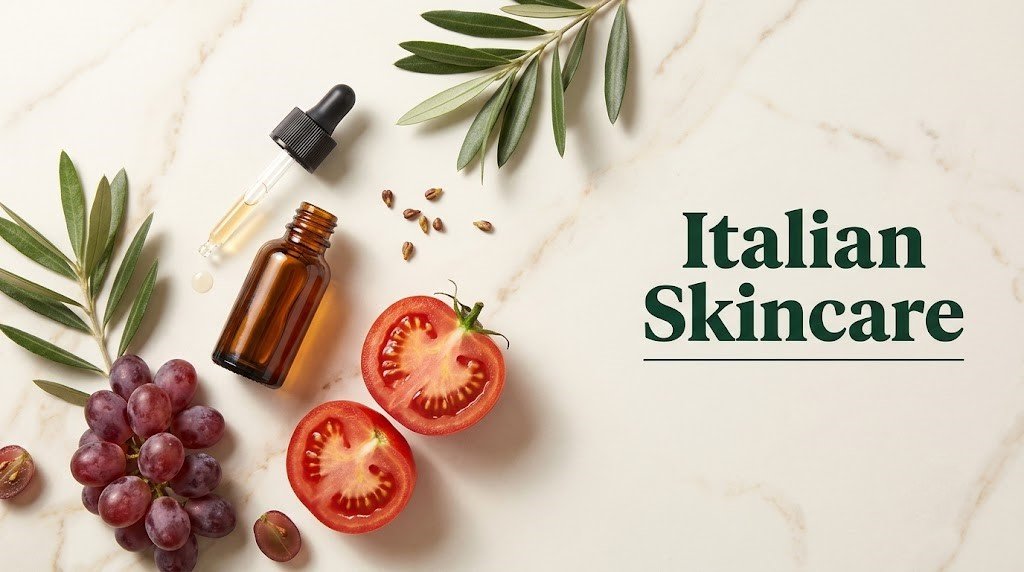
The through-line across these diverse origins is not a single hero ingredient. It is a shared formulation principle. Italian skincare products tend to be built around a small number of high-concentration active ingredients rather than long INCI lists with dozens of ingredients at trace percentages. Where a typical North American serum might list 45 ingredients, an equivalent Italian formulation often lists 12 to 18. This is not inherently better or worse. A short ingredient list can mean higher potency and fewer potential irritants. It can also mean less preservative protection and a shorter shelf life. What matters is whether each ingredient is pulling its weight, and Italian skincare, at its best, operates on the principle that it should.
The category also carries a specific pharmacy heritage that distinguishes it from French pharmacy skincare. Where French pharmacy brands like Avène and La Roche-Posay are built around a single thermal water source and a specific skin condition focus, Italian skincare emerged from compounding pharmacies that formulated custom preparations for individual patients. This origin created a tradition of formulation flexibility and high active-ingredient percentages that persists in modern Italian skincare lines. Products are often designed to treat rather than maintain, addressing specific concerns like post-inflammatory hyperpigmentation, barrier dysfunction, or collagen degradation with targeted ingredient approaches rather than one-size-fits-all moisturizing.
Key Takeaway: Italian skincare is a formulation philosophy, not a single ingredient or aesthetic. The category’s defining features are short, active-dense ingredient lists and a pharmacy tradition that prioritizes treatment-oriented formulations over cosmetic fragrance experiences.
Italian Skincare Philosophy and Approach
The Italian approach to skincare operates on a “less products, more actives” principle that looks notably different from the multi-step routines common in Korean beauty or the strong active alternation typical of American skincare enthusiasts. Italian women surveyed in a 2024 Italian Society of Dermatology (SIDeMaST) consumer study reported using an average of 3.2 products daily, compared to 7 to 10 products in a typical K-beauty routine and 4 to 5 in a standard American dermatologist-recommended regimen.
This minimalism is not about doing less for your skin. It is about each product doing more. Italian formulations often combine ingredients that would be separated into multiple steps in other skincare traditions. A single Italian face cream might contain a peptide complex, a stable vitamin C derivative, a non-comedogenic plant oil base, and a broad-spectrum sunscreen, eliminating four separate products from a morning routine without sacrificing any of their functions. The formulation challenge is making these combinations stable and bioavailable, and Italian cosmetic chemistry has developed specific expertise in plant-based delivery systems that address this challenge.
The philosophy also prioritizes skin barrier integrity above visible results. Where some skincare traditions emphasize exfoliation frequency and active cycling to achieve visible brightness or smoothness quickly, the Italian approach generally resists over-exfoliation and barrier stripping. This is partly cultural and partly clinical. Italian dermatology has a strong research tradition in contact dermatitis and barrier dysfunction, led by research groups at the University of Milan and the San Gallicano Dermatological Institute in Rome. The clinical consensus that emerges from this research tradition is that a functioning barrier is the prerequisite for every other skincare goal. You cannot effectively treat hyperpigmentation, collagen loss, or acne on a compromised barrier.
This barrier-first philosophy shows up in formulation patterns. Italian cleansers are more likely to use non-ionic surfactants and lipid-rich cream bases than foaming agents. Italian exfoliants more commonly use polyhydroxy acids (PHAs) like gluconolactone rather than high-percentage glycolic acid peels. Italian moisturizers are built around lipid-replenishing ingredient combinations, ceramides, fatty acids, and cholesterol at skin-identical ratios, rather than silicone-heavy texture modifiers that create a temporary smooth feel without repairing barrier function. The approach is slower and less dramatic than the immediate-gratification formulations common in some skincare markets. It is also, according to the barrier function literature, more sustainable for long-term skin health.
Italian Skincare Ingredients to Know
Italian skincare draws from a specific botanical palette shaped by Mediterranean agriculture, pharmaceutical extraction traditions, and university-level phytochemistry research. The ingredients that appear most frequently in clinically credible Italian formulations fall into four categories: antioxidant-rich fruit and seed extracts, barrier-supportive plant oils, mineral-rich water sources, and fermented or bio-fermented active complexes.
The antioxidant category is where Italian skincare has the strongest research differentiation. Vitis vinifera (grape) seed extract, Solanum lycopersicum (tomato) fruit extract, Olea europaea (olive) leaf extract, and Punica granatum (pomegranate) extract each have published clinical data on specific skin-protective mechanisms that go beyond the generic “antioxidant” label. A 2022 study in the Journal of the European Academy of Dermatology and Venereology compared the ORAC (oxygen radical absorbance capacity) values of 12 Mediterranean botanical extracts and found that grape seed proanthocyanidins and pomegranate ellagitannins showed the highest per-gram free radical scavenging activity, exceeding both ascorbic acid and alpha-tocopherol on a weight basis in vitro. This does not mean these extracts replace vitamin C or E in a routine. In vitro antioxidant capacity does not always translate to in vivo skin benefit. But it does mean there is a mechanistic basis for their inclusion beyond regional marketing.
The barrier-supportive oil category is more complicated. Olive oil has been used on skin for millennia and has a fatty acid profile that makes it an effective emollient. But its high oleic acid content (55 to 83 percent, depending on the olive cultivar and extraction method) has been shown in multiple studies, most notably a 2014 Journal of Investigative Dermatology paper, to disrupt stratum corneum lipid organization when applied to compromised or atopic skin. This creates a research-backed caveat. Olive oil is not universally beneficial. On intact, non-acne-prone skin, it functions as an effective occlusive and emollient. On a compromised barrier or acne-prone skin, it can worsen the problem. Italian formulations that use olive-derived squalane rather than whole olive oil avoid this issue entirely, as squalane is a saturated hydrocarbon that mimics skin’s endogenous squalene without the barrier-disrupting oleic acid component.
The fermented active category is newer and less well-studied. Several modern Italian brands use lactobacillus-fermented botanical extracts, a technique adapted from food preservation traditions, claiming improved bioavailability of polyphenols and amino acids. The research here is genuinely preliminary. A 2023 in vitro study from the University of Bologna found that fermented Vitis vinifera extract showed 23 percent higher dermal fibroblast penetration in a Franz cell model compared to non-fermented extract. But human clinical trial data on fermented Italian botanical actives remains very limited as of 2026. The mechanism is plausible. The clinical proof is not yet there.
Key Takeaway: Italian skincare’s ingredient value proposition rests on specific, research-identified bioactive compounds in Mediterranean botanicals, not on “natural ingredients” as a generic category. Grape seed proanthocyanidins, tomato lycopene, and olive-derived squalane each have distinct, studied mechanisms. Whole olive oil requires caution on compromised barriers.
Olive Oil and Squalane in Italian Skincare
Olive oil and squalane are not interchangeable ingredients, despite both being derived from olives and both appearing widely in Italian skincare formulations. Understanding the distinction is one of the most practically useful things you can know when evaluating an Italian product for your specific skin type. Olive oil (INCI: Olea europaea fruit oil) is a triglyceride composed primarily of oleic acid, a monounsaturated omega-9 fatty acid that makes up 55 to 83 percent of its composition depending on cultivar. Squalane (INCI: Squalane) is a saturated hydrocarbon produced by hydrogenating squalene, the unsaturated lipid that makes up approximately 12 percent of human sebum. Both can come from olives. Both function very differently on skin.
Squalane is the ingredient with the broader dermatological safety profile. It is lightweight, non-comedogenic, highly stable against oxidation, and chemically similar to the squalene your sebaceous glands produce naturally. Because it is fully saturated, it does not oxidize on contact with air the way unsaturated oils do. This stability matters for both shelf life and skin reactivity, oxidized lipids are a documented source of skin irritation and comedogenicity. A 2021 International Journal of Cosmetic Science study found that squalane reduced transepidermal water loss (TEWL) by 18 percent over 8 hours when applied at 5 percent concentration, without increasing sebum production or pore-clogging scores. Squalane is appropriate for every skin type, including acne-prone and fungal acne-prone skin, and it layers well under sunscreen and makeup without pilling.
Olive oil has a narrower safe-use window. On intact, non-acne-prone, non-atopic skin, olive oil is an effective emollient that temporarily smooths the skin surface by filling intercellular spaces in the stratum corneum. For dry skin on the body, in low-humidity environments, or on mature skin with a fully intact barrier, olive oil-based Italian creams and balms can be genuinely useful. The problem arises when olive oil is applied to skin with any degree of barrier compromise. The same 2014 Journal of Investigative Dermatology study that is frequently cited in dermatology literature found that topical oleic acid induced visible barrier disruption in atopic dermatitis patients within 7 days of application, with measurable increases in TEWL and decreases in stratum corneum cohesion. For anyone with eczema, perioral dermatitis, a damaged moisture barrier from over-exfoliation, or active inflammatory acne, olive oil is a risk, not a remedy.
How to read an Italian skincare label on this distinction:
If the product is built around squalane (look for “Squalane” on the INCI list, often in the first five ingredients in a serum or oil blend), it is likely safe for nearly all skin types.
If the product lists Olea europaea fruit oil as the first or second ingredient and you have any barrier compromise or acne tendency, proceed with caution.
If the product is a rinse-off cleanser containing olive oil, the risk is substantially lower since contact time is short.
The “Italian olive oil skincare” marketing often blurs this line. Do not let a beautiful bottle or heritage branding override the basic lipid chemistry. The ingredient type, not the origin story, determines what happens on your skin.
Grape Seed and Polyphenol Extracts in Italian Formulations
Vitis vinifera (grape) seed extract is one of the few botanical ingredients in Italian skincare with genuinely robust clinical evidence for antioxidant photoprotection and collagen preservation. The active compounds are proanthocyanidins, a class of polyphenols that are also found in pine bark, cocoa, and cranberries, but which occur at especially high concentrations in grape seeds. Italian skincare brands have prioritized this ingredient partly because of the country’s wine industry, which produces grape seed as an abundant byproduct, and partly because of strong domestic research on its dermatological applications.
The mechanism that matters is matrix metalloproteinase (MMP) inhibition. UV radiation and environmental stressors activate MMP enzymes in the skin, particularly MMP-1 (collagenase), which breaks down collagen type I and type III in the dermis. A 2019 study in the Journal of the European Academy of Dermatology and Venereology found that topical application of a 3 percent Vitis vinifera seed extract formulation reduced UV-induced MMP-1 activity by 34 percent in human skin explants compared to untreated controls. This is not an SPF replacement. Grape seed extract does not block UV rays. But it does appear to reduce the downstream collagen damage that UV exposure triggers, making it a valuable adjunct to sunscreen rather than a substitute for it.
Resveratrol, the grape-derived polyphenol that has received enormous attention in longevity research, has less robust topical skincare evidence than the proanthocyanidin fraction. Most resveratrol research is oral, not topical, and the molecule’s poor stability and rapid oxidation in cosmetic formulations complicate its usefulness. When you see resveratrol on an Italian serum or cream label, it is likely contributing some antioxidant activity, but the ingredient doing the heavy lifting for skin benefits in grape-based formulations is more often the proanthocyanidin complex than resveratrol alone.
Practical application guidance:
Look for Vitis vinifera seed extract listed in the first 5 to 8 ingredients of a serum or moisturizer to ensure a meaningful concentration, since the active polyphenols need to be present at 2 to 5 percent to match the concentrations used in published studies.
Use grape seed extract products in the morning under sunscreen for photoprotective synergy, not as a standalone UV defense.
If you are using a prescription retinoid (tretinoin, adapalene, tazarotene), grape seed extract can be layered in the morning to address the MMP-related collagen degradation pathways that retinoids do not fully cover, since retinoids work primarily through retinoic acid receptor pathways rather than direct MMP inhibition.
The ingredient is generally well-tolerated across skin types, but as with any high-polyphenol botanical, a patch test is advisable if you have known plant allergies or highly reactive skin.
Thermal Water and Mineral-Rich Skincare from Italy
Italy’s thermal water tradition is older than its skincare industry, rooted in Roman bathing culture and sustained by a geography that produces mineral springs with distinct chemical profiles across Tuscany, Veneto, and Campania. The best-studied Italian thermal waters for dermatological use come from Terme di Saturnia in Tuscany, Abano Terme near Padua, and the Montecatini springs. Each has a different mineral composition, and those compositional differences create different clinical applications.
Terme di Saturnia water is a sulfurous, sulfate-bicarbonate-alkaline-earth water with a pH of approximately 7.5 and notable concentrations of sulfur, zinc, and magnesium salts. Italian dermatologists have published clinical observations, primarily in Italian-language dermatology journals, on its anti-inflammatory effects in seborrheic dermatitis, psoriasis, and mild to moderate acne. The proposed mechanism involves the sulfur content acting as a mild keratolytic and antimicrobial agent, while zinc contributes sebum-regulating and anti-inflammatory activity. These effects are documented in clinical observation and small controlled studies rather than large-scale randomized controlled trials.
Abano Terme water is a hyperthermal, saline-bromine-iodine water with a higher mineral content and a documented anti-inflammatory profile that has been studied for eczema and contact dermatitis. A 2020 clinical study from the University of Padua found that Abano thermal water compresses reduced erythema and pruritus scores in patients with mild atopic dermatitis by 28 percent compared to tap water compresses over a 14-day application period.
The thermal water category requires careful product-level evaluation. Some Italian thermal water sprays are sterile, sealed, and preservative-free, making them genuinely low-irritation options for reactive skin. Others are used as a marketing claim in formulations where the thermal water is present at such low concentrations that no mineral benefit is plausible. Look for thermal water listed as the first ingredient (Aqua or thermal spring water), and check whether the brand publishes its specific mineral analysis. Reputable Italian thermal water brands provide this data. If a product’s thermal water claim is not backed by a named source and a mineral profile, treat the claim as aesthetic rather than functional.
Key Takeaway: Italian thermal waters have clinically observed anti-inflammatory benefits, but the effect is source-specific. Terme di Saturnia water and Abano Terme water have different mineral profiles and different dermatological uses. Generic “thermal water” on a label without a named source is a marketing signal, not a clinical one.
Tomato Extract, Lycopene, and Antioxidant Protection
Solanum lycopersicum (tomato) fruit extract has become one of the most researched botanical ingredients in Italian skincare over the past decade, driven by strong domestic agricultural production and academic interest in carotenoid photoprotection. The primary active compound is lycopene, the carotenoid that gives tomatoes their red color and that accumulates in human skin when consumed orally or applied topically. What makes lycopene interesting from a dermatological standpoint is its specific strength as a singlet oxygen quencher, a type of free radical damage that UV exposure generates and that is not as effectively neutralized by other antioxidants like vitamin C or vitamin E.
A widely cited 2011 study in the British Journal of Dermatology found that daily consumption of tomato paste (providing approximately 16 milligrams of lycopene) reduced UV-induced erythema by 40 percent over 12 weeks compared to a control group. Topical lycopene data is less extensive but mechanistically consistent. Lycopene’s lipid-soluble structure allows it to incorporate into cell membranes and the stratum corneum’s lipid layers, where it can intercept UV-generated reactive oxygen species before they damage collagen-producing fibroblasts.
Italian formulations using tomato extract typically use it in one of two ways. The first is as a standalone antioxidant serum or oil, where lycopene-rich tomato fruit extract is combined with a carrier oil like squalane or jojoba to improve lipid-phase delivery. The second is as an additive in day creams and sunscreens, where it functions as a secondary photoprotective agent alongside UV filters. This second use is more common in Italian pharmacy brands, which often formulate day creams with both SPF and antioxidant complexes.
For people with Fitzpatrick skin types IV through VI, the photoprotective and anti-pigmentation potential of lycopene is particularly relevant. UV-induced melanogenesis is more pronounced in deeper skin tones, and while sunscreen is the primary defense, antioxidant adjuncts that reduce the oxidative stress that triggers melanocyte activity can provide additional hyperpigmentation prevention. No antioxidant replaces sunscreen. But combining broad-spectrum SPF 30+ with a lycopene-containing product in the morning provides two distinct mechanisms of UV protection, physical blocking and free radical quenching, that address different parts of the sun damage pathway. If you are managing melasma or post-inflammatory hyperpigmentation, look for Italian day creams that combine zinc oxide or titanium dioxide with Solanum lycopersicum extract in the ingredient list.
EU Cosmetics Regulation vs FDA: The Italian Advantage
The single most under-discussed functional advantage of Italian skincare is the regulatory framework under which it is manufactured. Every skincare product made in Italy must comply with the European Union Cosmetics Regulation (EC 1223/2009), which bans or restricts over 1,600 ingredients from cosmetic use. The United States FDA, by comparison, has banned or restricted 11 ingredients under the Federal Food, Drug, and Cosmetic Act as of 2026. This regulatory disparity is not a minor detail. It fundamentally shapes what can and cannot go into an Italian skincare formulation before it ever reaches a consumer.
The EU regulation requires pre-market safety assessments for every cosmetic product, conducted by qualified safety assessors, with specific toxicological data requirements including dermal absorption, skin irritation, eye irritation, skin sensitization, and phototoxicity. It mandates that all fragrance allergens present above 0.001 percent in leave-on products (0.01 percent in rinse-off) must be individually listed on the ingredient label. It prohibits the use of animal testing data for cosmetic ingredients and requires a Product Information File with detailed safety documentation for every product placed on the market.
The practical implications for your skin are straightforward. An Italian moisturizer cannot legally contain certain preservatives that are still permitted in American formulations. It must disclose fragrance allergens that might be hidden under the generic term “fragrance” or “parfum” in a US-made product. The bar for proving safety before a product reaches shelves is objectively higher. This does not mean every Italian skincare product is safe for every person. Individual allergies, skin sensitivities, and formulation-specific reactions still occur. But the baseline safety floor is elevated by regulation, not by brand marketing, and that structural difference matters for people with sensitive skin, reactive skin conditions, or a history of contact dermatitis.
One note of regulatory context: “clean beauty” as a marketing term has no regulatory definition in either the EU or the US. Some Italian brands use “clean” positioning. Others do not. The EU regulatory framework itself, not a brand’s “clean” claim, is what determines what is and is not in the bottle. When evaluating Italian skincare, rely on the INCI list and the EU regulatory standards, not on “clean” or “natural” marketing language that may not reflect any meaningful formulation difference.
How to Evaluate Italian Skincare Products
Evaluating an Italian skincare product requires looking past the packaging, the brand heritage story, and the “Made in Italy” designation, none of which independently guarantee formulation quality, and focusing on the same criteria that matter for any skincare product evaluated from a cosmetic chemistry perspective. The INCI list tells you what is in the bottle in descending order of concentration. The specific active ingredient forms tell you whether the product is using the research-backed version of an ingredient or a less effective analogue. The preservative system tells you whether the formulation is adequately protected against microbial contamination. These are universal evaluation criteria. Italy’s regulatory framework makes some of these evaluations easier but does not eliminate the need to do them.
Start with the first five ingredients. In most formulations, these represent 70 to 85 percent of the product. If the first five ingredients are water, emollients, humectants, and a named active ingredient with research support, the formulation is doing what it claims. If the first five ingredients are water, silicones, texture enhancers, and fragrance with the “hero” botanical at position 12, the product is mostly a sensory experience with a trace of the marketed active. This is true for skincare from any country. Italian products with a pharmacy heritage tend to place actives higher in the INCI list. Brands with a luxury positioning tend to prioritize texture and fragrance over active concentration. Neither is inherently wrong, but they serve different purposes, and knowing which you are buying prevents disappointment.
Check for the research-backed form of the active ingredient. If a product claims “vitamin C” benefits but lists ascorbyl palmitate or magnesium ascorbyl phosphate rather than L-ascorbic acid, the antioxidant mechanism is different and generally less potent per unit of concentration, though the derivative forms may be more stable and less irritating. If it claims “retinol” benefits but lists retinyl palmitate, the conversion pathway to retinoic acid is longer and the per-unit effect is lower. This does not make derivative forms useless. They have roles in formulations designed for sensitive skin or daytime use. But they are not interchangeable with the research-standard forms, and an honest evaluation depends on knowing which form is in the bottle.
Assess preservative adequacy. The EU regulation restricts certain preservatives but does not permit products to go without preservation entirely unless they are anhydrous or packaged in sterile, single-dose containers. If an Italian product is water-based and packaged in an open jar with no effective preservative system, it is a contamination risk regardless of how beautiful the formulation is otherwise. Look for phenoxyethanol, sodium benzoate, potassium sorbate, benzyl alcohol, or the EU-permitted organic acid preservatives. A product without adequate preservation is a safety issue, not a purity feature.
Italian Moisturizers and Barrier Repair Formulations
Italian moisturizers are the category where the pharmacy heritage and barrier-first philosophy are most evident in formulation patterns. Where American moisturizers often prioritize silicone-based texture smoothing and French pharmacy moisturizers emphasize thermal water and minimal ingredient counts, Italian moisturizers tend to be built around lipid-replenishing complexes that aim to restore the stratum corneum’s natural lipid composition. The ingredient triad that appears most frequently in Italian barrier repair formulations is ceramides (particularly ceramide NP, ceramide AP, and ceramide EOP), fatty acids (from shea butter, olive squalane, or sunflower seed oil), and cholesterol, often at roughly skin-identical ratios of 3:1:1.
This 3:1:1 ratio is not arbitrary. Research published in the Journal of Investigative Dermatology has established that stratum corneum lipids are organized in a specific lamellar structure, and that barrier repair occurs more efficiently when replacement lipids are delivered in ratios that approximate the skin’s endogenous lipid composition. Italian compounding pharmacy traditions understood this empirically long before the lipid ratio research was published, and modern Italian moisturizer brands like Comfort Zone and the pharmacy line Rilastil have incorporated lipid-ratio formulation approaches into their product development.
For dry and dehydrated skin, Italian moisturizers offer a specific advantage: the combination of humectant (glycerin, sodium hyaluronate), emollient (squalane, shea butter), and occlusive (plant-derived waxes, fractionated oils) ingredients in single products. This three-part approach addresses water content (humectants), lipid content (emollients), and water retention (occlusives) in one step. If you are building a minimalist routine, this combination product approach is efficient. If you prefer layering individual products for each function, you can still use Italian moisturizers as the lipid-replenishment step.
For oily and combination skin, the key is choosing Italian moisturizers that use squalane and glycerin as the primary emollient and humectant rather than heavier oils like olive oil or shea butter at high concentrations. Many Italian brands offer “light” or “gel-cream” versions of their core moisturizers that maintain the barrier-repair ingredient profile while reducing the occlusive load. The INCI list tells you which is which. If shea butter (Butyrospermum parkii butter) appears in the first five ingredients, the product is occlusive-rich and better suited for dry or mature skin. If squalane and glycerin lead the emollient-humectant fraction, the product is lighter and more appropriate for oily or combination types.
Italian Serums and Concentrated Treatments
Italian serums represent the high-active-concentration end of the category and the product type where the Italian formulation philosophy is most distinct from American, Korean, and French approaches. Where American serums often feature single hero ingredients at high percentages (15 percent L-ascorbic acid, 10 percent niacinamide, 2 percent salicylic acid), and Korean serums layer multiple gentle actives at lower percentages for cumulative effect, Italian serums tend to combine 2 to 4 synergistic active ingredients at moderate to high concentrations in oil or oil-in-water emulsion bases rather than water-based gels or silicones.
This oil-base preference is partly functional. Many of the botanical actives that Italian skincare prioritizes (lycopene, resveratrol, grape seed proanthocyanidins, olive-derived squalene) are lipophilic. They dissolve and stabilize better in oil-based delivery systems than in water-based ones. The oil base also serves as a penetration enhancer for lipid-soluble actives, potentially improving delivery to the stratum corneum and upper epidermis without the need for penetration-enhancing alcohols or glycols that can irritate sensitive skin. The trade-off is that oil-based Italian serums have a different skin feel than the water-gel serums common in Korean or American skincare. They absorb more slowly and leave a perceptible lipid layer. For dry or mature skin types, this is often desirable. For oily skin types, it may feel heavy.
Application strategy for Italian serums:
Apply to slightly damp skin after cleansing to improve spreadability without using more product.
Use 2 to 3 drops, not a full dropper, oil-based serums spread further than water-based equivalents.
Wait 60 to 90 seconds before applying moisturizer or sunscreen to allow the lipid phase to partially absorb.
If using in the morning, ensure the serum is fully absorbed before sunscreen application to avoid diluting SPF.
If layering with a water-based serum (like a hyaluronic acid or niacinamide product), apply the water-based serum first, wait for absorption, then apply the oil-based Italian serum as the lipid-sealing step.
Italian serums are well-suited to minimalist routines. Because they often contain multiple active ingredients in one product, they can function as the single treatment step in a routine that includes only cleanser, treatment serum, moisturizer, and sunscreen. This aligns with the Italian “fewer products, more actives” approach. If you are currently using three separate serums for antioxidant, barrier repair, and anti-aging, one well-formulated Italian serum may consolidate those steps without losing meaningful efficacy.
Key Takeaway: Italian serums are oil-based, multi-active, and designed for minimalist routines. They work best applied to damp skin in small amounts and function as the single treatment step between cleansing and moisturizing. Dry and mature skin types benefit most from the lipid-rich delivery system.
Italian Sunscreens and UV Protection Technology
Italian sunscreen formulations benefit from the EU’s faster regulatory pathway for new UV filters, which has allowed Italian manufacturers to incorporate next-generation filters like Tinosorb S (bis-ethylhexyloxyphenol methoxyphenyl triazine), Tinosorb M (methylene bis-benzotriazolyl tetramethylbutylphenol), and Mexoryl XL (drometrizole trisiloxane) years before these filters receive FDA approval in the United States. As of 2026, the FDA has not approved a new UV filter for over-the-counter sunscreen use since the early 2000s, while EU regulators, including Italy’s Ministry of Health, have approved multiple new filters with broader UVA protection and improved photostability.
The functional difference this creates is visible in texture and protection profile. Italian sunscreens are often lighter, less white-cast-prone, and more UVA-protective than their American equivalents because the newer-generation filters are more cosmetically elegant and offer broader spectrum coverage than older filters like avobenzone and octinoxate. For people with Fitzpatrick skin types IV through VI, this is especially important, as white cast from mineral-only or older-filter sunscreens is a significant barrier to consistent sunscreen use, and consistent use is the single most important factor in sunscreen efficacy for hyperpigmentation prevention.
Italian sunscreen formulations also frequently incorporate the same botanical antioxidants (grape seed extract, tomato lycopene, olive polyphenols) found in Italian treatment products, creating combination products that provide both UV filtering and free radical protection. This dual mechanism is clinically relevant. UV filters block approximately 93 to 98 percent of UV radiation at SPF 30 to 50. The 2 to 7 percent that reaches the skin still generates oxidative stress. Antioxidants in the sunscreen formulation can neutralize some of this residual damage, improving the net photoprotective effect beyond what the SPF rating alone predicts.
If you cannot access Italian sunscreens due to distribution limitations, the closest functional equivalents are sunscreens from other EU-manufactured sources (French pharmacy brands, German derma-cosmetic lines) that use the same new-generation filters. The specific Italian contribution to the sunscreen category is the combination of new filters with high-percentage botanical antioxidants in elegant textures, a formulation approach that is harder to find in American sunscreens. For daily wear under makeup or on bare skin, Italian fluid and gel-cream sunscreens are among the most wearable high-protection options globally.
Best Italian Skincare for Sensitive and Reactive Skin
Sensitive and reactive skin benefits most from the specific Italian skincare formulation features that are easiest to overlook: short ingredient lists, pharmacy-heritage minimalism, thermal water bases, and the EU regulatory requirement to disclose fragrance allergens individually. These structural features reduce the probability of encountering an unrecognized trigger without guaranteeing that every product will be tolerable for every person.
The product categories to prioritize for sensitive skin are thermal water sprays for immediate cooling and anti-inflammatory effects during flares, barrier-repair moisturizers with the 3:1:1 ceramide to fatty acid to cholesterol ratio, and squalane-based serums that provide lipid replenishment without the barrier-disruption risk that olive oil carries. The ingredient to approach with the most caution in Italian skincare for sensitive skin is fragrance. Italy has a strong perfumery tradition, and many heritage Italian skincare brands use fragrance as part of the sensory experience. The EU regulation requires fragrance allergens to be listed individually on the label when above threshold concentrations, which makes avoidance easier than with American products where allergens can be hidden under “fragrance,” but the presence of any fragrance still represents an irritation risk for reactive skin.
If you have diagnosed rosacea, specifically erythematotelangiectatic rosacea, the Italian thermal water tradition provides some of the best-studied non-prescription adjunctive care. Thermal water compresses and sprays are well-documented for reducing facial erythema and flushing intensity in clinical observation, and the zinc and magnesium content in specific Italian thermal waters (especially Terme di Saturnia and Abano) has a mechanistic basis for anti-inflammatory activity. This is supportive care, not a replacement for prescription rosacea management, but it is supportive care with a clinical rationale.
If you have contact dermatitis or a history of allergic reactions to skincare, choose Italian products labeled “senza profumo” (fragrance-free) and “ipoallergenico” (hypoallergenic, a term with some regulatory guidance in the EU, unlike in the US where it has no legal definition). Patch test any new product on your inner forearm for 48 hours before facial application, even if the product is marketed for sensitive skin. The best formulation in the world cannot account for your individual immune system’s specific sensitivities.
Italian Skincare for Acne-Prone and Oily Skin Types
Italian skincare for acne-prone skin requires selective use of the category, because some of the ingredients most strongly associated with Italian formulations, olive oil, shea butter, and heavy occlusive balms, are precisely what oily and acne-prone skin often does not need. The Italian pharmacy tradition does include effective acne formulations, but they are not the products that dominate the “Italian beauty” marketing narrative. You have to look past the heritage apothecary brands and into the derma-cosmetic pharmacy lines.
The Italian ingredient with the strongest acne-relevant evidence is azelaic acid. While azelaic acid is not unique to Italian skincare, Italian pharmaceutical companies were among the earliest to develop stable topical azelaic acid formulations, and Italian pharmacy brands continue to offer azelaic acid products at prescription-comparable concentrations (15 to 20 percent) in some EU markets. Azelaic acid is a dicarboxylic acid with multiple acne-relevant mechanisms: it reduces keratinization (preventing follicle clogging), has direct antibacterial activity against Cutibacterium acnes, reduces post-inflammatory hyperpigmentation by inhibiting tyrosinase in melanocytes, and is anti-inflammatory. For acne-prone skin with darker skin tones where post-inflammatory hyperpigmentation is a primary concern, azelaic acid is one of the most useful active ingredients available.
Niacinamide at 4 to 5 percent concentrations appears in Italian pharmacy moisturizers and serums designed for combination and oily skin. Niacinamide reduces sebum production, improves barrier function by increasing ceramide synthesis, and has anti-inflammatory effects that help manage the inflammatory component of acne. Italian formulations that combine niacinamide with zinc PCA or thermal water zinc provide dual sebum-regulation and anti-inflammatory mechanisms.
Ingredients to avoid in Italian skincare if you are acne-prone:
Olea europaea fruit oil high on the INCI list in leave-on products
Shea butter (Butyrospermum parkii butter) in the first five ingredients if you know shea butter clogs your pores
Isopropyl myristate and isopropyl palmitate, which are comedogenic fatty acid esters that appear in some Italian body products
Coconut oil (Cocos nucifera oil), which is less common in Italian skincare than in some other categories but appears in some natural Italian brands
The cleanser category is where Italian pharmacy brands excel for acne-prone skin. Non-foaming, cream-based cleansers with zinc, thermal water, and mild surfactants remove excess oil without stripping the barrier. Over-stripping with harsh foaming cleansers triggers rebound oil production, a cycle that Italian pharmacy formulation approaches are specifically designed to avoid.
Italian Skincare for Aging Skin and Collagen Support
Italian anti-aging skincare focuses on three mechanisms that are well-supported by the dermatological literature: antioxidant protection against UV and pollution-induced collagen degradation, lipid replenishment for the age-related decline in stratum corneum lipid content, and targeted peptide or retinoid delivery for collagen synthesis stimulation. The Italian approach does not prioritize aggressive exfoliation or high-percentage acid peels for anti-aging, a notable difference from some American dermatology-inspired approaches that emphasize glycolic acid and retinoid potency as primary anti-aging tools.
The antioxidant mechanism relies on the same grape seed proanthocyanidins, tomato lycopene, and olive polyphenols discussed earlier. For aging skin specifically, the research on MMP inhibition by grape seed extract is the most directly relevant. Collagen loss in aging skin is driven by both intrinsic aging (genetically programmed decline in fibroblast activity) and extrinsic aging (UV and pollution-induced MMP activation that degrades existing collagen). Sunscreen addresses the UV trigger. Grape seed extract addresses the MMP cascade that UV triggers. Together they provide upstream and downstream photoprotection.
The lipid replenishment mechanism addresses a specific age-related change: after menopause, sebum production declines significantly, and the stratum corneum’s lipid content decreases, leading to increased transepidermal water loss and visible dryness and fine lines. Italian barrier-repair moisturizers with the 3:1:1 ceramide to fatty acid to cholesterol ratio directly address this lipid deficit. For postmenopausal skin, switching from a lightweight gel moisturizer to an Italian lipid-replenishing cream is one of the most immediately noticeable routine changes you can make.
For the collagen synthesis stimulation mechanism, Italian formulations tend to use peptides (specifically matrixyl, copper peptides, and palmitoyl oligopeptide complexes) more often than high-percentage retinoids. This reflects both the Italian preference for barrier-safe formulations (peptides do not cause retinoid irritation) and the regulatory environment (high-percentage retinol is more restricted in EU cosmetic products than in the US). If you are using a prescription retinoid like tretinoin, Italian peptide and antioxidant serums can complement it as morning products while the retinoid works at night. If you cannot tolerate retinoids due to sensitivity, Italian peptide formulations provide a research-supported, though slower, alternative pathway for collagen support.
Italian Skincare for Darker Skin Tones and Hyperpigmentation
Italian skincare has a genuine gap in explicit formulation for Fitzpatrick skin types IV through VI, a gap that reflects both historical market demographics and the broader underrepresentation of darker skin tones in skincare product development globally. Most Italian skincare products are formulated and tested on Fitzpatrick types I through III by default. This does not make the products ineffective or unsafe for deeper skin tones. But it means you must evaluate Italian products through a hyperpigmentation and skin sensitivity lens that the brands themselves may not have prioritized.
The Italian ingredients most relevant to hyperpigmentation management in darker skin tones are:
Azelaic acid, which inhibits tyrosinase in hyperactive melanocytes without affecting normal melanocytes (no risk of hypopigmentation, unlike hydroquinone) and is safe for long-term use.
Niacinamide at 4 to 5 percent, which reduces the transfer of melanosomes from melanocytes to keratinocytes, visibly lightening hyperpigmentation over 8 to 12 weeks.
Licorice root extract (Glycyrrhiza glabra), which contains glabridin, a tyrosinase inhibitor that appears in some Italian brightening serums.
Lycopene and grape seed extract for their antioxidant photoprotective effects that reduce the UV-driven component of hyperpigmentation.
The Italian sunscreen advantage is especially relevant here. The newer-generation EU-approved UV filters provide better UVA and visible light protection than older American filters. Visible light (400 to 700 nanometer wavelengths) triggers hyperpigmentation in deeper skin tones more significantly than in lighter skin tones, and iron oxide-containing tinted sunscreens are the best defense. Some Italian tinted sunscreen formulations combine new-generation chemical filters with iron oxide pigments, offering broad-spectrum UV and visible light protection in a single product. If you are managing melasma or post-inflammatory hyperpigmentation, these combination sunscreens are worth seeking out.
Patch testing and active introduction are particularly important for darker skin tones using Italian products that contain botanical extracts or essential oils at high concentrations. The inflammatory response to an irritant or allergen can trigger post-inflammatory hyperpigmentation that lasts for months. The practical protocol: patch test any new Italian product on a small area of the jawline for 5 to 7 days before full facial application, introduce one new product at a time with a 2-week observation period between introductions, and prioritize fragrance-free, short-ingredient-list formulations to minimize the probability of an unrecognized trigger. The Italian products that work beautifully for your skin are out there. The challenge is finding them without triggering a pigmentation setback, which requires the slower, more methodical approach that darker skin tones demand.
Key Takeaway: Italian skincare contains multiple evidence-backed ingredients for hyperpigmentation (azelaic acid, niacinamide, licorice root extract), but most formulations are not explicitly tested on deeper skin tones. Patch test methodically, prioritize Italian sunscreens with iron oxides for visible light protection, and look for azelaic acid and niacinamide on INCI lists for hyperpigmentation-specific support.
Frequently Asked Questions About Italian Skincare
Is Italian skincare better than French skincare?
Italian and French skincare are not better or worse than each other. They have different formulation philosophies. French pharmacy skincare centers on thermal water and minimal-ingredient formulations for specific skin conditions like atopic dermatitis and rosacea. Italian skincare centers on high-percentage botanical actives, lipid-rich barrier support, and multi-functional products that combine 2 to 4 actives in one formulation. Neither approach is universally superior. French skincare often works better for acutely reactive skin that needs extreme ingredient simplicity. Italian skincare often works better for dry or mature skin that benefits from lipid-rich, antioxidant-dense formulations.
What ingredients are unique to Italian skincare?
No skincare ingredient is exclusively Italian, since any manufacturer globally can use any cosmetic ingredient. But several ingredients are strongly associated with Italian formulations because of regional sourcing, domestic research investment, and formulation tradition. These include Vitis vinifera (grape) seed extract standardized for proanthocyanidins, Solanum lycopersicum (tomato) fruit extract with lycopene, Olea europaea-derived squalane, and specific Italian thermal waters from Terme di Saturnia and Abano Terme with documented mineral profiles and anti-inflammatory clinical evidence.
Can I use Italian skincare if I have rosacea?
Italian thermal water products and fragrance-free, short-ingredient-list Italian moisturizers can be excellent supportive care for rosacea-prone skin. Look for products with Terme di Saturnia or Abano thermal water as the first ingredient and avoid Italian formulations with added fragrance, essential oils, or Olea europaea fruit oil high on the ingredient list. Thermal water compresses can reduce facial erythema and flushing intensity, but they are supportive care, not a replacement for prescription rosacea treatment from a board-certified dermatologist.
Are Italian skincare products safe for pregnancy?
Most Italian skincare products are safe for pregnancy, and the EU Cosmetics Regulation’s pre-market safety assessment requirements add a layer of consumer protection. The ingredients to avoid during pregnancy are the same regardless of country of origin: prescription retinoids (tretinoin, isotretinoin), high-percentage retinol in leave-on products, and hydroquinone. Italian peptide-based anti-aging products and antioxidant serums are generally safe alternatives during pregnancy. Bring a full list of your skincare products to your obstetric provider for individual review.
Does Italian skincare use natural or synthetic ingredients?
Italian skincare uses both. The category is not defined by a natural versus synthetic distinction. Italian formulations often use plant-derived active ingredients (grape seed extract, tomato lycopene, olive squalane) alongside synthetic ingredients that are necessary for stability, preservation, and texture. The EU Cosmetics Regulation requires safety assessment for both natural and synthetic ingredients. Do not assume “natural” means safe or “synthetic” means harmful. The ingredient’s safety profile, concentration, and formulation context matter more than its origin source.
Is Italian olive oil good for facial skin?
Olive oil (Olea europaea fruit oil) is not a universally good facial skincare ingredient. On intact, non-acne-prone, non-atopic skin, it functions as an effective emollient and occlusive moisturizer. On compromised barriers, atopic dermatitis-affected skin, or acne-prone skin, its high oleic acid content (55 to 83 percent) has been shown to disrupt stratum corneum lipid organization and worsen barrier dysfunction. Olive-derived squalane is a safer alternative that provides emollient benefits without the barrier-disruption risk. If you use a product containing whole olive oil, patch test and monitor for congestion or irritation, especially if you have a history of acne or eczema.
Italian skincare is worth understanding at the ingredient level because the category delivers genuinely effective, well-regulated formulations when you know what to look for. The advantage is not in the romance of Italian beauty culture or the appeal of heritage branding. It is in the specific combination of EU regulatory safety standards, high-percentage botanical actives with published research support, and a barrier-first formulation philosophy that prioritizes long-term skin health over immediate dramatic results. The short ingredient lists and multi-functional products make Italian skincare especially well-suited to minimalist routines that still deliver high active-ingredient exposure.
Your next step is practical. Choose one Italian product category that matches your primary skin concern: a thermal water spray if you have reactive or rosacea-prone skin, a squalane-based serum if you have dry or dehydrated skin, an azelaic acid or niacinamide product if you have acne-prone skin with hyperpigmentation concerns, or a barrier-repair moisturizer if you have mature or postmenopausal skin with lipid depletion. Read the INCI list before buying. Confirm the active ingredients are in the first five to eight positions. Buy from retailers that accept returns on opened skincare products in case the formulation does not agree with your skin.
You do not need an all-Italian routine to benefit from the category’s strengths. One well-chosen Italian product, selected for its ingredient profile rather than its brand story, can do more for your skin than a shelf full of products that were never evaluated against the formulation standards that Italian skincare at its best consistently meets.