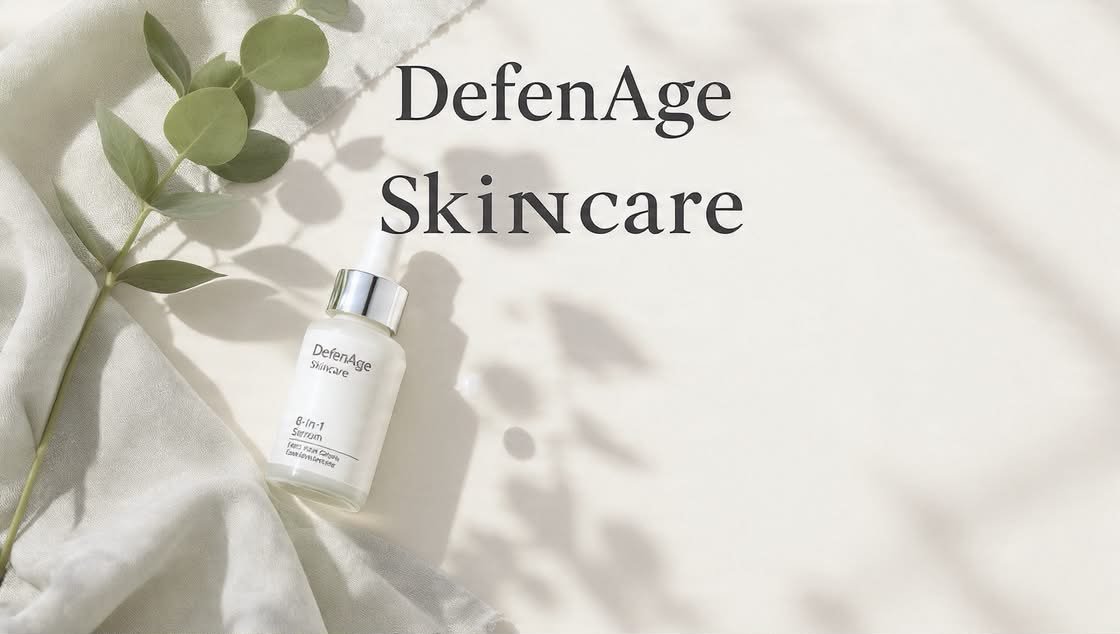
DefenAge Skincare Review: Does Defensin Technology Actually Work in 2026?
DefenAge skincare uses proprietary defensin-mimetic peptides that the brand claims activate dormant LGR6+ stem cells in the skin to reverse visible signs of aging. The science behind defensin technology is grounded in legitimate immunological research, but the specific anti-aging claims made for topical DefenAge products rest on limited independent clinical trial data published in peer-reviewed journals.
This matters because DefenAge products sit at a premium price point: the 8-in-1 BioSerum costs over $200 for a single ounce, and the Clinical Power Trio approaches $300. A 2022 survey by the American Academy of Dermatology found that consumers rank product efficacy as their top purchasing criterion, yet 67% could not identify which active ingredients in their skincare had clinical evidence behind them. Before spending hundreds of dollars on defensin technology, you deserve to understand exactly what you are buying and what the research actually shows.
This article walks through the biology of defensins, how DefenAge formulates its products, what the ingredient lists reveal under INCI-level analysis, which skin types benefit most and which should proceed with caution, and whether the clinical evidence supports the $200-plus price point. No brand partnerships. No affiliate agenda. Just the skincare science, laid out clearly.
What Is DefenAge Skincare?
DefenAge is a clinical skincare brand built around a proprietary peptide complex called Age-Repair Defensins, which the company describes as defensin-mimetic molecules designed to activate LGR6+ epidermal stem cells. The brand launched in 2016, developed by dermatologist Dr. Gregory Nikolov, and positions itself in the cosmeceutical category: products that make biological claims beyond basic moisturization but remain classified as cosmetics under FDA regulation rather than drugs.
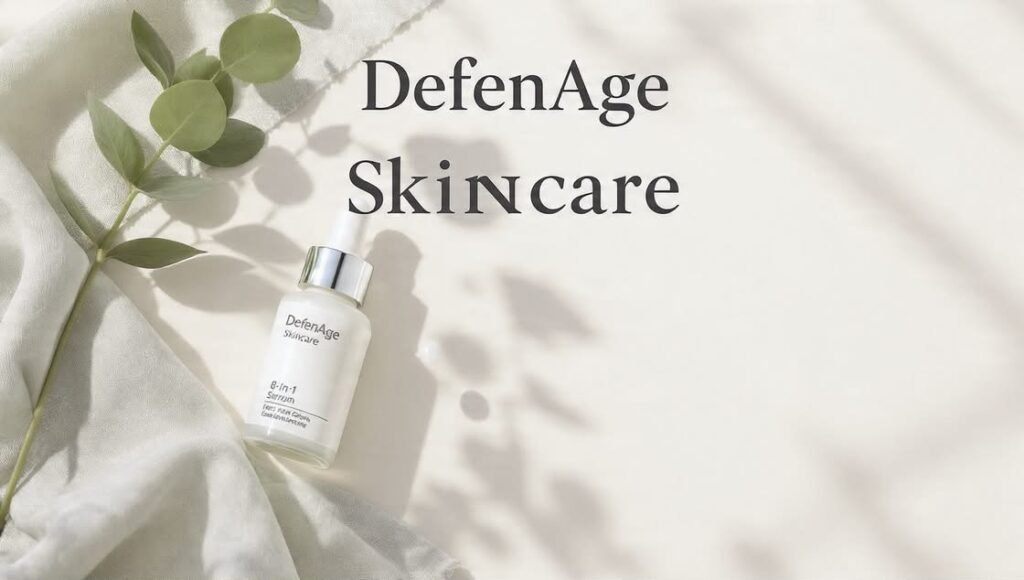
The product line centers on four core items: the 8-in-1 BioSerum, the 24/7 Barrier Balance Cream, the 2-Minute Reveal Masque, and the Eye Cream. Most users encounter the brand through the Clinical Power Trio, which bundles the BioSerum, Barrier Balance Cream, and Eye Cream into a 6-week starter system. DefenAge is sold primarily through dermatology offices, medical spas, and the brand’s direct-to-consumer website, a distribution model it shares with other clinical lines like SkinMedica and SkinCeuticals.
Unlike brands that build routines around multiple serums targeting different concerns, DefenAge takes a streamlined approach. The 8-in-1 BioSerum is positioned as the hero product, meant to replace separate vitamin C, retinol, peptide, and hydrating serums. This consolidation strategy appeals to consumers overwhelmed by multi-step routines, though it also means you are putting multiple actives onto your skin in a single formulation without the ability to isolate which ingredient is working or causing a reaction.
Key Takeaway: DefenAge is a clinical cosmeceutical brand whose entire value proposition hinges on proprietary defensin-mimetic peptides; understanding whether those peptides work is the threshold question before any purchase decision.
What Are Defensins in Skincare?
Defensins are a family of antimicrobial peptides naturally produced by human immune cells and epithelial tissues, including keratinocytes in the skin. Their primary documented biological function is host defense: they disrupt bacterial, fungal, and viral membranes, acting as part of the innate immune system’s first-line response. The human body produces two main classes, alpha-defensins and beta-defensins, with beta-defensins being the type most relevant to skin biology.
In dermatological research, beta-defensins have been studied primarily for their role in wound healing, infection defense, and inflammatory skin conditions like psoriasis and atopic dermatitis. A 2019 study published in the Journal of Investigative Dermatology demonstrated that beta-defensin expression increases at wound edges during the proliferative phase of healing, suggesting a role in keratinocyte migration and tissue regeneration. This wound-healing connection is the biological bridge that DefenAge’s marketing uses to support anti-aging claims.
However, the defensins in DefenAge products are not human defensins extracted from biological sources. They are synthetic defensin-mimetic peptides: lab-engineered molecules designed to mimic portions of the natural defensin structure. The brand’s core intellectual property claim is that these mimetic peptides can bind to the LGR6 receptor on epidermal stem cells and trigger them to produce new keratinocytes, effectively renewing skin from within. This is a plausible hypothesis grounded in stem cell biology, but the specific claim that topical application of DefenAge’s proprietary peptides activates LGR6+ stem cells in intact human skin has limited published evidence from independent laboratories.
Defensin Technology Skincare: How the Science Is Supposed to Work
The mechanism DefenAge describes works like this: LGR6+ stem cells reside in the basal layer of the epidermis and in hair follicle bulges, where they remain largely dormant in adult skin under normal conditions. These stem cells have the capacity to differentiate into new keratinocytes, the predominant cell type in the epidermis. As skin ages, stem cell activity declines, and the rate of epidermal turnover slows from approximately 28 days in young adults to 40 to 60 days in people over 50, according to research published in the British Journal of Dermatology.
DefenAge claims its defensin-mimetic peptides awaken these dormant LGR6+ stem cells by binding to the LGR6 receptor, a G protein-coupled receptor on the stem cell surface. When activated, the stem cells supposedly begin producing fresh keratinocytes that migrate upward through the epidermis, replacing older, photodamaged cells with new ones. In theory, this would improve skin texture, reduce the appearance of fine lines, even out pigmentation, and restore a more youthful epidermal architecture.
The gap between this theory and verifiable evidence is where consumers need to pay closest attention. The LGR6 receptor’s role in stem cell biology is real and was characterized in a 2011 Nature paper identifying LGR6 as a marker for a population of epidermal stem cells. But the claim that a specific topical peptide complex penetrates the stratum corneum, reaches the basal layer at sufficient concentration, selectively activates LGR6 receptors, and produces clinically meaningful anti-aging results requires independent replication. DefenAge cites internal clinical studies, but as of 2026, the published, peer-reviewed evidence base available for independent scientific scrutiny remains thin relative to the specificity of the marketing claims.
Think of it like a key and lock system. Scientists have identified the lock (the LGR6 receptor). DefenAge claims to have manufactured the key (defensin-mimetic peptides). The question is whether the key actually fits the lock when applied to intact human skin, and whether turning that lock produces visible changes that justify the price.
How DefenAge Claims to Work on Aging Skin
DefenAge positions its mechanism as fundamentally different from the three established anti-aging pathways in dermatology: retinoid-mediated gene transcription, antioxidant-based free radical neutralization, and exfoliation-driven cell turnover acceleration. Instead of modifying existing cell behavior, DefenAge claims to create new cells. This is a bold claim. If true, it would represent a genuinely novel approach to topical skin aging intervention.
The brand’s published internal research describes a four-phase process. Phase one involves the defensin-mimetic peptides penetrating the epidermis. Phase two is LGR6+ stem cell recognition and binding. Phase three triggers asymmetric stem cell division, producing one new stem cell and one keratinocyte progenitor. Phase four is the migration of new keratinocytes into the epidermis over a period of weeks, visibly replacing older surface cells.
| Phase | Claimed Process | Evidence Standard |
|---|---|---|
| Penetration | Peptides cross stratum corneum | Formulation-dependent; no independent published data |
| Recognition | LGR6 receptor binding | In vitro plausibility; human skin binding unconfirmed independently |
| Activation | Stem cell division triggered | Theoretical; based on LGR6 biology |
| Renewal | New keratinocytes replace aged cells | Brand-reported before-and-after images; limited published RCTs |
According to a 2023 review published in the Journal of Cosmetic Dermatology, the field of stem cell-activating topical skincare remains in early development. The review noted that while several brands market stem cell-activating claims, “independent validation of LGR6 activation via topical peptides in human skin is an area requiring further controlled investigation.” This is the precise scientific gap that consumers should understand before accepting DefenAge’s marketing claims at face value.
Key Takeaway: DefenAge’s stem cell activation theory is biologically plausible but rests on proprietary internal research; independent published clinical trials confirming visible anti-aging results in humans remain limited as of 2026.
DefenAge 8-in-1 BioSerum: The Hero Product Examined
The 8-in-1 BioSerum is DefenAge’s flagship product and the one most consumers encounter first. It is a lightweight, milky serum positioned to replace multiple separate treatment products. The “8-in-1” claim refers to eight functions the brand attributes to the serum: reducing fine lines, improving firmness, refining texture, minimizing pores, brightening tone, hydrating, protecting against environmental damage, and supporting barrier function.
The ingredient list reveals a formulation strategy that combines the proprietary defensin-mimetic peptides with several well-established skincare actives. Niacinamide appears prominently, a B vitamin derivative with strong clinical evidence for improving barrier function, reducing inflammation, and evening skin tone at concentrations of 2 to 5 percent. Sodium hyaluronate provides humectant hydration. Several botanical extracts, including sea whip extract and gardenia stem cell extract, add antioxidant capacity, though their clinical anti-aging evidence is less robust than niacinamide’s.
What the BioSerum does not contain is equally informative. There is no retinol, no vitamin C in the form of ascorbic acid, no alpha-hydroxy acids, and no beta-hydroxy acids. This positions the BioSerum as an anti-aging product that avoids the irritation, photosensitivity, and peeling associated with those established actives. For consumers who cannot tolerate retinoids or exfoliating acids, this is potentially appealing. But it also means the BioSerum is asking you to accept a less-proven mechanism in place of ingredients with decades of published clinical data.
Here is what to look for when evaluating the 8-in-1 BioSerum for your own skin:
- The serum texture is lightweight and absorbs quickly, making it layerable under moisturizer and sunscreen
- Results, per the brand’s own guidance, take 4 to 6 weeks of twice-daily use to become visible
- The formulation is fragrance-free, which reduces but does not eliminate sensitivity risk
- At approximately $205 for 1 fluid ounce, the cost per use is roughly $3.40 based on a typical 2-pump application
DefenAge 24/7 Barrier Balance Cream: Moisturizer or More?
The 24/7 Barrier Balance Cream functions as DefenAge’s primary moisturizer, designed to be applied after the BioSerum both morning and night. Unlike the BioSerum, which carries the full weight of the brand’s anti-aging claims, the Barrier Balance Cream is more straightforward in its formulation philosophy: it pairs the defensin-mimetic peptides with barrier-supporting ingredients in a richer base.
The cream’s ingredient deck includes ceramide NP, ceramide AP, and ceramide EOP, three ceramides that are chemically identical to those found naturally in the stratum corneum. Ceramides function as the mortar between skin cell bricks, and their depletion is a well-documented feature of aging and compromised skin barriers. A 2018 study in the Journal of the American Academy of Dermatology confirmed that topical ceramide application improves barrier function and reduces transepidermal water loss in subjects with dry and aging skin.
Shea butter and squalane provide emollient and occlusive properties, sealing hydration into the skin after the BioSerum’s humectants and peptides have been absorbed. Dimethicone, a silicone-based polymer, gives the cream its smooth application feel and creates a breathable barrier that reduces water loss without clogging pores in most skin types. For consumers with oily or acne-prone skin, the dimethicone content is worth noting: while dimethicone is generally non-comedogenic, some individuals find that silicone-heavy moisturizers contribute to congestion.
| Ingredient Category | Examples in Formulation | Primary Function |
|---|---|---|
| Proprietary peptides | Defensin-mimetic complex | Claimed stem cell activation |
| Ceramides | Ceramide NP, AP, EOP | Barrier repair, moisture retention |
| Emollients | Squalane, shea butter | Softening, occlusion |
| Humectants | Glycerin, sodium hyaluronate | Water binding |
| Silicones | Dimethicone | Texture, barrier film |
DefenAge Clinical Power Trio: Is the System Worth the Full Investment?
The Clinical Power Trio bundles the 8-in-1 BioSerum, 24/7 Barrier Balance Cream, and Eye Cream into a 6-week supply positioned as an introductory system. The bundle is priced around $290 to $310 depending on the retailer, which represents a modest discount versus purchasing each product separately. The logic behind the trio is that the products work synergistically: the BioSerum delivers the defensin-mimetic peptides and niacinamide, the Barrier Balance Cream seals them in with ceramides and lipids, and the Eye Cream addresses the thinner periorbital skin.
Whether the trio represents good value depends entirely on whether the defensin-mimetic peptides work for your skin. If they do, the system approach is sensible. The products are formulated to be used together, and using a complete system for 6 weeks eliminates the variable of incompatible products from other brands interfering with results. If the defensin technology does not produce visible improvement for you, the trio is an expensive way to discover that fact.
The 6-week timeline is based on the epidermal turnover cycle. At the accelerated rate DefenAge claims to induce, new keratinocytes should reach the skin surface within approximately 4 to 6 weeks. This is slightly faster than the 6 to 8 weeks typical for retinol results to appear, a comparison the brand sometimes highlights. However, individual variation is substantial. Factors that influence response time include baseline skin condition, age, sun exposure history, and concurrent use of other active ingredients.
Key Takeaway: The Clinical Power Trio is the most cost-efficient way to test the DefenAge system properly, but the 6-week trial period requires committing to roughly $300 without knowing whether your skin will respond to defensin-mimetic peptides.
DefenAge Eye Cream: A Closer Look at the Periorbital Formula
DefenAge’s Eye Cream applies the same defensin-mimetic peptide technology to the periorbital area, the skin surrounding the eyes. This region presents unique formulation challenges because the skin here is approximately 0.5 millimeters thick, roughly one-tenth the thickness of facial skin on the cheeks, and contains fewer sebaceous glands, making it more prone to dryness and irritation.
The Eye Cream formulation differs from the BioSerum in several ways. It includes caffeine, a vasoconstrictor that temporarily reduces the appearance of under-eye puffiness by constricting blood vessels. This effect is real but transient, lasting hours rather than producing structural change. The cream also contains light-diffusing particles that create an immediate optical blurring effect on fine lines, a cosmetic benefit that should not be confused with long-term anti-aging activity.
A specific application note matters here: the Eye Cream should be applied after the BioSerum but before the Barrier Balance Cream, using the ring finger to pat gently along the orbital bone without dragging or pulling. The periorbital area’s thinness means even mechanical stress from aggressive application can contribute to laxity over time. For consumers who wear contact lenses or have particularly reactive eyes, patch testing the Eye Cream on the inner arm before applying near the eyes is a sensible precaution that the brand’s standard instructions do not emphasize.
DefenAge Ingredients: What the INCI List Actually Reveals
Reading a DefenAge ingredient list requires distinguishing between the proprietary peptide complex, the supporting actives with established evidence, and the base formulation ingredients that affect texture and stability. The brand does not disclose the exact amino acid sequences of its defensin-mimetic peptides, which is standard practice for proprietary cosmeceutical technology but limits independent scientific evaluation.
The supporting cast of ingredients is where the formulation shows its strengths. Niacinamide is the most evidence-backed active in the BioSerum, with dozens of published clinical trials supporting its effects on barrier function, pigmentation, and inflammation at 2 to 5 percent concentrations. Sodium hyaluronate provides reliable humectant function. Tocopheryl acetate, a stabilized form of vitamin E, offers antioxidant protection with better shelf stability than pure tocopherol.
Here is what the ingredient architecture looks like across the core DefenAge products:
- Proprietary defensin-mimetic peptides: present in all treatment products, concentration undisclosed
- Niacinamide: present in BioSerum, approximate concentration range 2 to 4 percent based on position in the INCI list
- Ceramides NP, AP, EOP: present in Barrier Balance Cream, barrier-identical lipids
- Sodium hyaluronate: present in BioSerum and Eye Cream, humectant function
- Caffeine: present in Eye Cream only, vasoconstrictor for temporary puffiness reduction
- Dimethicone: present in Barrier Balance Cream, silicone for texture and occlusion
- Botanical extracts: sea whip, gardenia stem cell, and others; antioxidant and anti-inflammatory claims with limited human clinical data
The formulation philosophy is coherent: deliver the proprietary peptides in a base that also includes proven barrier-supporting and hydrating ingredients, creating multiple pathways to skin improvement even if the stem cell activation mechanism proves less robust than claimed. This is a smart hedging strategy from a formulation standpoint, but it complicates the question of what is actually driving any visible results.
Defensins Skincare Benefits: What the Evidence Actually Supports
Defensins as a class of molecules have well-established roles in cutaneous immunology. Beta-defensins are upregulated during wound healing, and they exhibit antimicrobial activity against common skin pathogens including Staphylococcus aureus. A 2020 study in the Journal of Investigative Dermatology demonstrated that beta-defensin 2 promotes keratinocyte migration in vitro, a function relevant to wound closure and potentially to skin renewal.
What the evidence does not yet establish is whether topical application of synthetic defensin-mimetic peptides on intact, unbroken skin produces clinically significant anti-aging results in controlled human trials published in peer-reviewed journals independent of the manufacturer. This is the critical distinction. The biology of natural defensins is real. The specific claim that DefenAge’s proprietary peptides penetrate the skin, activate LGR6+ stem cells, and produce visible wrinkle reduction, firmness improvement, and texture refinement is a separate claim requiring separate evidence.
To put the evidence landscape in perspective:
- Natural defensin biology: Well-established by decades of immunological research
- LGR6 as a stem cell marker: Confirmed by independent research, including the 2011 Nature study
- DefenAge’s specific defensin-mimetic peptide efficacy: Limited to brand-sponsored studies and consumer testimonials as of 2026
- Independent replication of LGR6 activation in human skin by topical peptides: Not yet published in major peer-reviewed dermatology journals
This does not mean DefenAge does not work. It means the evidence base does not yet match the specificity and confidence of the marketing claims. Consumers who are comfortable with that evidence gap may find the products worth trying. Consumers who prefer to invest only in ingredients with multiple independent randomized controlled trials supporting their efficacy may want to wait for additional published research.
Key Takeaway: Natural defensins are real immune peptides with documented wound-healing functions; the evidence gap lies specifically in whether DefenAge’s synthetic mimetic peptides produce anti-aging results when applied topically to intact human skin.
DefenAge Active Ingredients List: A Complete Breakdown by Product
Understanding the full active ingredient architecture across the DefenAge line requires looking beyond the defensin-mimetic peptides to the complete formulation. Each product serves a different function within the system, and the supporting ingredients shift accordingly.
| Product | Key Actives (Beyond Defensin Peptides) | Texture | Best Suited For |
|---|---|---|---|
| 8-in-1 BioSerum | Niacinamide, sodium hyaluronate, tocopheryl acetate, botanical extracts | Lightweight milky serum | All skin types; primary treatment step |
| 24/7 Barrier Balance Cream | Ceramides NP/AP/EOP, squalane, shea butter, glycerin, dimethicone | Medium-weight cream | Normal to dry skin; barrier support |
| Eye Cream | Caffeine, sodium hyaluronate, light diffusers | Light cream | All skin types; periorbital use only |
| 2-Minute Reveal Masque | Lactic acid, physical exfoliants | Cream-gel mask | Normal to oily skin; weekly exfoliation |
The 2-Minute Reveal Masque, while less discussed than the core trio, is worth noting because it introduces lactic acid, an alpha-hydroxy acid, into the DefenAge system. Lactic acid exfoliates the skin surface through desquamation of corneocytes, improving texture and brightness. It does this through a completely different mechanism than the defensin-mimetic peptides, which means the Masque is complementing the system through an established rather than proprietary pathway.
For consumers building a complete DefenAge routine, the active ingredient architecture looks like this on a typical day: morning application of BioSerum followed by Barrier Balance Cream and sunscreen (sunscreen is not a DefenAge product but is non-negotiable), evening application of BioSerum followed by Eye Cream and Barrier Balance Cream, with the Masque used once or twice weekly. The system is designed to be simple, which is both its appeal and its limitation: if you need an ingredient not present in the DefenAge line, such as a dedicated vitamin C serum for photoprotection or a retinoid for deeper collagen stimulation, you are stepping outside the ecosystem.
Defensins vs Retinol: Comparing Mechanisms, Evidence, and Results
Retinol and defensin-mimetic peptides operate through fundamentally different biological pathways, and comparing them directly is like comparing a medication with decades of published data to a compound still building its evidence base. Retinol works by binding to nuclear retinoic acid receptors in keratinocytes and fibroblasts, altering gene transcription to increase collagen type I and type III production, accelerate epidermal turnover, and reduce matrix metalloproteinase activity that degrades existing collagen. These mechanisms are documented in hundreds of published studies across more than three decades of dermatological research.
Defensin-mimetic peptides, by contrast, claim to work through stem cell activation rather than direct gene transcription modification. The theoretical advantage is specificity: activating LGR6+ stem cells might produce renewal without the retinoid reaction (irritation, peeling, photosensitivity) that accompanies retinol initiation. The practical disadvantage is evidence volume. Retinol’s efficacy is established. DefenAge’s efficacy is still being established.
| Comparison Factor | Retinol (0.3% to 1%) | DefenAge Defensin-Mimetic Peptides |
|---|---|---|
| Mechanism | RAR/RXR nuclear receptor activation | Claimed LGR6+ stem cell activation |
| Evidence Volume | Hundreds of published RCTs | Limited independent published trials |
| Onset of Visible Results | 8 to 12 weeks typical | 4 to 6 weeks claimed |
| Irritation Potential | Moderate to high during initiation | Low reported |
| Photosensitivity | Yes; requires strict sunscreen use | Not documented |
| Pregnancy Safety | Not recommended | Insufficient data; caution warranted |
| Price Range (Annual) | $30 to $120 for quality formulations | $600 to $1,000 for full DefenAge system |
For consumers trying to choose between these options, the decision often comes down to skin tolerance and evidence preference. Someone who cannot use retinol due to persistent irritation or who has a condition like rosacea that makes retinoid initiation difficult might find DefenAge’s gentler profile appealing despite the thinner evidence base. Someone who tolerates retinol well and prioritizes proven mechanisms will likely find prescription tretinoin or an over-the-counter retinol to be a more cost-effective investment with stronger long-term data.
DefenAge for Sensitive Skin: What You Need to Know Before Buying
Sensitive skin is not a single condition. It describes a range of presentations from subjective stinging and burning without visible signs to objectively impaired barrier function with measurable increases in transepidermal water loss. DefenAge’s fragrance-free, retinol-free, acid-free formulation approach makes it superficially attractive for sensitive skin types, but the picture is more complex than a simple “safe for sensitive skin” label.
The defensin-mimetic peptides themselves have not been associated with irritation in the limited published data available. The supporting ingredients like niacinamide and ceramides are generally well-tolerated and are in fact recommended by dermatologists for sensitive and barrier-compromised skin. However, several of the botanical extracts in the BioSerum, including sea whip extract and various plant-derived components, introduce variables that are harder to predict. Botanical extracts are complex mixtures of compounds, and any given extract may contain sensitizing constituents for a subset of users.
Here are the practical steps for someone with sensitive skin considering DefenAge:
- Perform a patch test on the inner arm or behind the ear for 48 hours before applying to the face
- Start with the BioSerum alone for the first week, then add the Barrier Balance Cream, then the Eye Cream
- Avoid introducing any other new products during the first month of DefenAge use
- Watch for stinging upon application, persistent redness, or increased dryness: these are signs the formulation may not agree with your skin regardless of how gentle the brand positioning suggests it is
- If you have a diagnosed condition like eczema or rosacea, speak with your board-certified dermatologist before adding any new product line, including one marketed as gentle
DefenAge for Rosacea: Cautions and Considerations
Rosacea is a chronic inflammatory skin condition characterized by facial erythema, telangiectasia, papules, and pustules, with triggers ranging from sun exposure to spicy foods to certain skincare ingredients. The condition involves both vascular hyperreactivity and innate immune system dysregulation, which makes any new skincare introduction a more consequential decision than it is for someone without rosacea.
DefenAge’s theoretical appeal for rosacea-prone skin lies in what it avoids: no retinoids, no acids (except the separate Reveal Masque), no added fragrance, no denatured alcohol. Niacinamide, a key supporting ingredient in the BioSerum, has clinical evidence for reducing rosacea-associated inflammation. A 2005 study published in the Journal of Cosmetic Dermatology found that a 2 percent niacinamide-containing moisturizer improved barrier function and reduced redness in subjects with rosacea compared to placebo.
The concern is not so much what is in DefenAge as what is not known about its effects on rosacea-prone skin. The defensin-mimetic peptides are designed to interact with immune-related receptors. Rosacea involves immune dysregulation. Whether activating LGR6 receptors or introducing synthetic peptides structurally related to immune signaling molecules could trigger a flare in susceptible individuals is simply unknown because the studies have not been done in rosacea populations. This is not evidence of harm. It is absence of safety data, which is a different and meaningful category of caution.
For someone with rosacea considering DefenAge, the most prudent approach is to request a sample from a dermatology office that carries the line and perform an extended patch test on a small area of the cheek or jawline for at least one week before committing to the full product. A board-certified dermatologist familiar with both your rosacea subtype and the DefenAge formulation is the appropriate professional to help with this decision.
Key Takeaway: DefenAge avoids many common rosacea triggers in its formulation but introduces immune-active peptides whose effects on rosacea pathophysiology have not been studied; cautious introduction under dermatologist guidance is the safest path.
DefenAge Side Effects: What Users Report and What the Science Suggests
Published side effect data for DefenAge products specifically is limited. The brand reports minimal irritation in its internal testing, which aligns with the formulation’s avoidance of known irritants like retinoids, acids, and fragrance. Anecdotal consumer reports across skincare forums and review platforms suggest that most users tolerate the products well, with the most commonly reported negative experiences being mild stinging upon initial application and occasional breakouts during the first two weeks of use.
Breakouts during the introduction of a new product line do not necessarily indicate incompatibility. They can reflect skin purging, a phenomenon where accelerated cell turnover brings existing microcomedones to the surface more rapidly. However, purging is typically associated with ingredients that increase cell turnover, such as retinoids and exfoliating acids. Whether defensin-mimetic peptides cause purging through the claimed stem cell activation mechanism is not well-characterized. If breakouts persist beyond three to four weeks or appear in areas where you do not typically experience acne, the product is likely causing irritation or comedone formation rather than purging.
Signs that warrant discontinuing DefenAge and consulting a board-certified dermatologist include:
- Persistent redness that does not resolve within 30 minutes of application
- Development of perioral or periorbital dermatitis
- Stinging that intensifies rather than diminishes with continued use
- New onset of milia or closed comedones in areas of application
- Any sign of allergic contact dermatitis: swelling, weeping, or intense itching
Because the defensin-mimetic peptides are proprietary, standard allergen databases do not include them, making patch testing for specific peptide sensitivity difficult outside of a dermatologist’s office. If you have a history of contact dermatitis to peptide-containing products or to botanical extracts, this is a relevant factor to discuss with your provider before purchasing.
Is DefenAge Worth It? A 2026 Evidence-Based Verdict
Value in skincare is a function of three variables: the strength of the evidence supporting a product’s claims, the likelihood that the product will work for your specific skin biology, and the cost relative to alternatives with similar or stronger evidence. Applying this framework to DefenAge yields a nuanced answer that depends more on your skin situation and priorities than on any universal rating.
The strongest argument for DefenAge is its formulation quality and tolerability. The products are well-formulated with high-quality supporting ingredients. The niacinamide content provides genuine benefit independent of the defensin-mimetic peptides. The ceramide-rich moisturizer supports barrier function through established mechanisms. For someone who cannot tolerate retinoids or acids and who has the financial flexibility to invest in a premium product line without needing the strongest possible evidence behind every mechanism, DefenAge is a reasonable option.
The strongest argument against DefenAge is the evidence gap relative to price. A prescription tretinoin prescription, which has decades of randomized controlled trial data supporting its anti-aging efficacy, costs a fraction of the annual DefenAge system price with insurance coverage or through cost-saving pharmacy programs. Even high-quality over-the-counter retinol serums paired with a ceramide moisturizer can be assembled for less than half the annual cost of the DefenAge system. If your primary concern is anti-aging efficacy per dollar spent, retinol plus sunscreen plus a good moisturizer is the evidence-based foundation that no proprietary peptide system has yet surpassed in independent head-to-head trials.
DefenAge is best suited for someone who has tried and cannot tolerate retinoids, who values formulation elegance and simplicity, who has the budget for premium cosmeceutical pricing, and who understands that the defensin-mimetic peptide mechanism is promising but not yet validated to the standard that retinol, vitamin C, and sunscreen have achieved. If that describes you, the Clinical Power Trio provides a structured way to test the system over 6 weeks with reasonable expectations.
Frequently Asked Questions About DefenAge Skincare
What does DefenAge skincare do for aging skin?
DefenAge claims to activate LGR6+ epidermal stem cells through defensin-mimetic peptides, triggering production of new keratinocytes that replace aged surface skin cells. The formulation also includes niacinamide and ceramides that support barrier function and hydration through established mechanisms.
Are defensins in skincare backed by real science?
Natural defensins are well-documented antimicrobial and wound-healing peptides in human immunology. The specific claim that DefenAge’s synthetic defensin-mimetic peptides produce anti-aging results through topical application has limited independent published clinical trial data as of 2026.
Can I use DefenAge with retinol?
DefenAge is formulated to be a retinol alternative, not a retinol partner, for those who cannot tolerate retinoids. If you wish to use both, introduce them on alternate nights and monitor for irritation, but be aware that no published data exists on the interaction between defensin-mimetic peptides and retinoids.
How long does DefenAge take to show results?
DefenAge claims visible results within 4 to 6 weeks of consistent twice-daily use, based on the accelerated cell turnover timeline. Individual results vary substantially depending on baseline skin condition, age, and concurrent skincare habits.
Is DefenAge safe for sensitive skin?
DefenAge avoids many common irritants including fragrance, retinoids, and exfoliating acids, which makes it generally well-tolerated. However, the botanical extracts and proprietary peptides introduce variables that are not fully characterized for sensitive skin populations, and a patch test is recommended before full-face application.
What is the best DefenAge product to start with?
The Clinical Power Trio is the most logical starting point because it bundles the 8-in-1 BioSerum, 24/7 Barrier Balance Cream, and Eye Cream into a coordinated 6-week system. Starting with the BioSerum alone is a lower-cost option if you prefer to test the core defensin technology before committing to the full regimen.
DefenAge occupies an interesting and somewhat unusual position in clinical skincare: it has a genuine scientific premise grounded in real stem cell biology, a well-tolerated formulation free of many common irritants, and a premium price point that invites comparison to ingredients with far stronger independent evidence bases. The defensin-mimetic peptide technology is not pseudoscience. It is early-stage science applied to a consumer product, which means the marketing has run somewhat ahead of the published literature.
The practical path forward depends on your priorities. If you want the strongest possible evidence behind every dollar you spend on anti-aging skincare, build your routine around sunscreen, a retinoid you can tolerate, and a barrier-supporting moisturizer, then add a vitamin C serum for daytime antioxidant protection. If you have tried that path and your skin rejected retinoids at every concentration and formulation you attempted, DefenAge offers an alternative mechanism that may work for you. The only way to know is to try it, ideally with a sample before the full investment, and to give it the full 6 weeks before deciding whether the defensin technology is worth the price for your skin.
Your skin will tell you more than any brand’s marketing can. Listen to it, document your results with photos in consistent lighting, and make your repurchase decision based on what you actually see rather than what the defensin hypothesis promises.