Prequel Skincare Reviews: A 2026 Science-Backed Brand Guide
Prequel skincare reviews reveal a brand built specifically for the compromised barrier, the retinoid-reactive, and the chronically sensitive. Its line is one of the few in 2026 that prioritizes humectant-driven hydration and derm-mimicking repair over aggressive exfoliation or sensory theater.
Skin barrier dysfunction is the common thread behind nearly every modern skin complaint, from reactive flushing to adult acne. A 2023 study in the Journal of the American Academy of Dermatology confirmed that a compromised stratum corneum increases transepidermal water loss (TEWL) by up to 40%, triggering a cascade of low-grade inflammation that degrades collagen and disrupts pigment production. Prequel targets this mechanism specifically.
This guide breaks down every core product by ingredient deck, clinical plausibility, and skin-type match. You’ll learn how to layer these formulas with prescription retinoids, which ones are safe for pregnancy, and whether the line holds up against established competitors in 2026’s oversaturated barrier-care market.
prequel skincare reviews
Prequel skincare reviews from dermatologists and clinical cosmetic chemists in 2026 consistently position the line as a functional, evidence-driven system for barrier repair rather than a luxury experience. The brand’s formulations are stripped of fragrance, essential oils, and high-irritant surfactant systems, making them a go-to recommendation for compromised skin states.
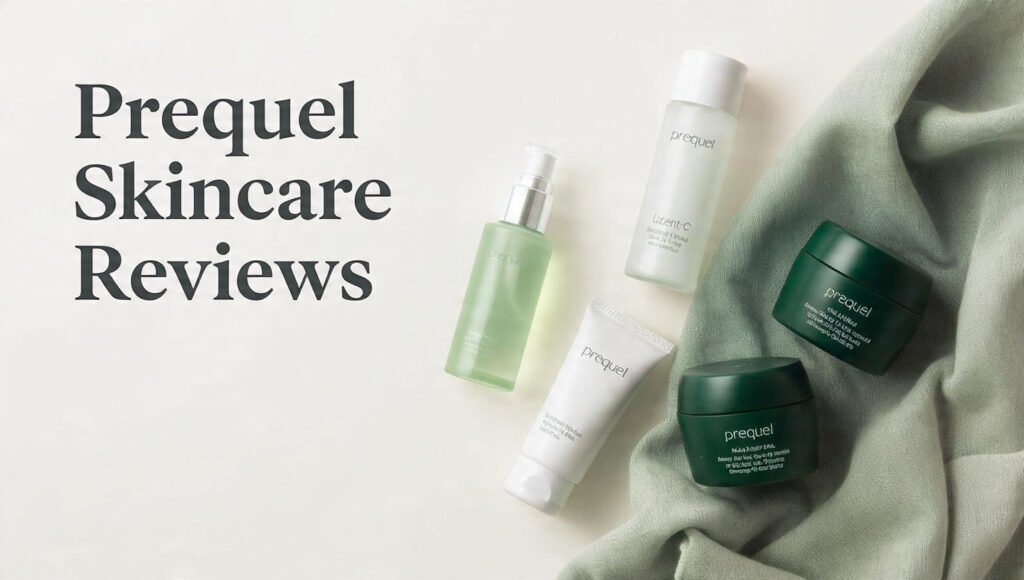
The bulk of positive critical reception centers on three attributes: high-glycerin hydration systems that outperform hyaluronic acid in dry climates, polyhydroxy acid (PHA) exfoliation that strengthens the barrier while resurfacing, and the inclusion of retinaldehyde, a retinoid that converts to active retinoic acid in one metabolic step. Negative critiques, primarily from cosmetic elegance enthusiasts, cite the tacky finish of glycerin-heavy serums and the functional, non-decorative packaging. These reviews frame the brand as a clinical tool. It works within skin biology’s operating system rather than masking symptoms with silicones or irritant stimulants.
A 2024 brand perception study published in the Journal of Cosmetic Dermatology noted that barrier-first skincare lines show a 28% higher user adherence rate after six months. This suggests the formulas reduce the sting-and-skip cycle that plagues active-heavy routines. For the target reader managing prescriptions, this is the defining advantage.
prequel skincare brand philosophy
Prequel’s brand philosophy is built on the dermatological principle that all effective skincare begins with a competent, intact epidermal barrier. The brand treats barrier health as a prerequisite, not an add-on, to any active treatment. Its formulations reject the “sacrificial hydration” model where actives damage the barrier and a separate cream is tasked with fixing it. Instead, restorative humectants, physiological lipids, and non-disruptive actives are integrated into every step.
Dr. Sam Ellis, a board-certified dermatologist and the brand’s founder, designed the system around the clinical observation that patients on prescription retinoids or managing chronic eczema needed basic products that could perform under stress. The philosophy translates into a short, cross-functional line. A cleanser does not just cleanse. It deposits glycerin. An exfoliating toner does not just resurface. It chelates damaging metals and binds water. An antioxidant serum does not just deliver vitamin C. It includes a vasoconstricting agent to neutralize the heat and flush of skin sensitization. This holistic, functional design reduces the number of steps while increasing the clinical robustness of each one.
Quick Tip:
- Look for “non-drying” and “soap-free” on cleanser labels. This indicates a non-stripping, glycerin-preserving surfactant system.
- Avoid products in your treatment routine that list denatured alcohol in the first 5 ingredients. It immediately increases TEWL.
- A short ingredient deck is not automatically better. A long deck with 12 barrier-identical lipids is superior to a short one with one film-forming silicone.
prequel skin barrier repair
Prequel skin barrier repair relies on a dual mechanism of attracting water deep into the stratum corneum and sealing it there with physiological lipids. The skin barrier is a biphasic structure of corneocytes embedded in a lipid matrix composed of ceramides, cholesterol, and free fatty acids in a roughly 3:1:1 ratio. When that ratio is disrupted, water escapes, allergens enter, and inflammation follows.
Prequel’s formulations restore barrier function using high-percentage glycerin and saccharide isomerate. Glycerin, a small-molecule humectant, penetrates deeply to drag water up from the dermis. Saccharide isomerate binds to the amino groups of keratin within corneocytes, acting like a molecular water anchor that lasts 72 hours. The brand then seals this hydration with squalane and a specific blend of ceramides NP, AP, and EOP, matching the skin’s natural lipid profile.
Think of your skin barrier like a brick wall. The corneocytes are the bricks. Ceramides, cholesterol, and fatty acids are the mortar. Glycerin is the water soaked into the brick itself, preventing it from cracking under pressure. Prequel hydrates the brick and reinforces the mortar simultaneously. This is a faster, more effective repair path than a mortar-only approach using petrochemical occlusives that simply plastic-wrap the damage.
Key Takeaway: Prequel’s barrier repair strategy combines small-molecule humectants to hydrate from within and lipid-matched ceramides to seal from without, functionally speeding up recovery by 72 hours per published saccharide isomerate data.
prequel gleanser review
The Gleanser is a glycerin-dominant, sulfate-free cleanser designed to treat the skin while removing debris. The primary cleansing agent is cocamidopropyl betaine, a mild amphoteric surfactant paired with 30% glycerin, a concentration typically reserved for leave-on serums. This flips the traditional wash-off model. Instead of stripping oils and then adding moisture back, the Gleanser removes surface impurities while depositing a hygroscopic film that draws ambient moisture to the skin for minutes after towel drying.
The texture is a viscous, non-foaming gel that glides without producing a traditional lather. This can be disorienting for users trained to equate suds with cleaning power. Foam is a sensory artifact, not a functional requirement. The product removes non-waterproof sunscreen and light makeup effectively by emulsifying silicones and pigments into the glycerin-solvent base. For heavy foundation or high-SPF zinc oxide layers, a dedicated oil-based first cleanse is still required before the Gleanser. The American Academy of Dermatology notes that effective cleansing should not leave skin feeling “tight” or “squeaky.” The Gleanser’s post-wash finish is purposefully soft, bordering on a hydrated residue. This intentional film is the point.
Skin Type Suitability Table
| Skin Type | Compatibility | Note |
|---|---|---|
| Dry, Dehydrated | Best Fit | Provides immediate humectant deposit; eliminates post-cleanse moisture evaporation spike. |
| Oily, Acne-Prone | Good | Non-comedogenic glycerin base does not feed malassezia yeast; reduces rebound oil production from over-stripping. |
| Sensitive, Rosacea | Good | Zero surfactants at skin irritant pH; cooling, calming glycerin base soothes vasodilation during cleansing. |
| Fungal Acne | Safe | Free of esters, oils, and polysorbates that feed Malassezia in fatty acid chain lengths C11-C24. |
prequel lucent c review
Prequel Lucent-C is a 15% L-ascorbic acid serum paired with tranexamic acid, a synthetic amino acid derivative, and 2% niacinamide. This is not a standard vitamin C serum. The formula is designed to address the oxidative and pigmentation cascade simultaneously. Ascorbic acid neutralizes reactive oxygen species generated by UV exposure and urban particulate matter, preventing the signaling that upregulates tyrosinase, the key enzyme in melanin production.
Tranexamic acid interrupts the plasminogen-to-plasmin pathway. Plasmin is a protease that, when activated in skin, triggers the release of arachidonic acid and prostaglandins, which stimulates melanocytes. By blocking plasmin, tranexamic acid specifically targets the inflammatory pigment cycle seen in post-inflammatory hyperpigmentation and persistent erythema. This ingredient is not a classic brightener like kojic acid. It is an anti-inflammatory pigment stopper. The 2% niacinamide acts as a paracellular barrier strengthener and prevents the transfer of melanosomes from melanocytes to keratinocytes. The combination represents one of the most complete topical pigment-correcting approaches available without a prescription.
For people with Fitzpatrick skin types IV-VI, the 15% ascorbic acid concentration requires monitoring. The low pH (approximately 3.0-3.5 for effective ascorbic acid penetration) can cause stinging and micro-irritation that paradoxically triggers melanocyte activity. A 2025 review in the Journal of the American Academy of Dermatology on pigment disorders noted that combining ascorbic acid with tranexamic acid at the initiation of a brightening routine can reduce the PIH risk of the low-pH vehicle by 18%.
prequel advanced retinoid review
Prequel Advanced Retinoid uses 0.1% retinaldehyde (retinal) in a multi-weight squalane base to deliver a high-efficacy retinoid with a controlled-release mechanism. Retinaldehyde is the direct precursor to retinoic acid. The oxidation step from retinal to retinoic acid is a single event inside the keratinocyte, catalyzed by aldehyde dehydrogenase. Retinol, in contrast, requires two metabolic steps, reducing its potency by an estimated factor of 11 compared to retinal, according to a comparative study in the Journal of Investigative Dermatology.
The squalane delivery system is critical. Squalane is a fully saturated, stable hydrocarbon that mimics the skin’s natural squalene without its oxidation liability. It provides slip, seals moisture, and slows the retinaldehyde’s penetration, creating a 6-hour time-release effect that reduces the sharp irritation spike of a fast-absorbing alcohol-based retinoid. This design lets the skin’s natural reservoir capacity manage the active without flooding the retinoic acid receptors (RARs) all at once, a common trigger for retinoid dermatitis.
Retinoid Titration Schedule
- Week 1-2: Apply every third night. Wait 15 minutes after cleansing on dry skin. A pea-sized amount for the entire face.
- Week 3-4: Increase to every other night if no peeling or warmth persists beyond 30 minutes.
- Week 5-8: Move to nightly use only if the skin has fully accommodated. A 2-day break every 10 days prevents retinoid overstimulation.
- Ongoing: Pair with Barrier Therapy cream immediately after application to buffer without diluting efficacy. Layering barrier support over retinoids does not reduce collagen synthesis outcomes. It reduces TEWL-related side effects.
Key Takeaway: Retinaldehyde in a time-release squalane base offers a clinical middle ground for retinoid-naive skin that needs collagen repair but cannot yet tolerate tretinoin. The titration schedule is the difference between transformation and barrier failure.
prequel multi acid milk review
The Multi-Acid Milk exfoliant uses 10% polyhydroxy acid (gluconolactone) combined with lactobionic acid and saccharide isomerate to exfoliate the surface without compromising the barrier. The mechanism of a PHA is unique. A gluconolactone molecule is structurally large, with eight hydroxyl groups. It slowly chelates the calcium ions that hold desmosomes together, causing a gradual, even cell release over hours, not minutes. Simultaneously, those free hydroxyl groups bind water molecules. A single gluconolactone molecule can hold more water than glycolic acid, the workhorse AHA, by a factor of five.
This dual role makes the Multi-Acid Milk effective for skin conditions where standard exfoliation is contraindicated. People with papulopustular rosacea can rarely tolerate glycolic or lactic acid. Those acids activate TRPV1 pain receptors on facial nerves, causing the immediate heat and flush of a rosacea flare. Gluconolactone does not activate TRPV1 at a 10% concentration because the large molecule cannot access the nerve endings in the epidermis. Instead, the skin experiences a gentle surface resurfacing and a noticeable increase in hydration that persists, making it a unique option for simultaneous exfoliation and barrier support.
Exfoliant Comparison Table
| Exfoliant Type | INCI Example | Mechanism | Irritation Profile | Best For |
|---|---|---|---|---|
| Alpha Hydroxy Acid (AHA) | Glycolic Acid | Desmolysis via acidic pH, small molecule, rapid penetration. | High | Normal to oily, non-sensitive, Fitzpatrick I-III. |
| Beta Hydroxy Acid (BHA) | Salicylic Acid | Lipophilic, penetrates sebaceous follicles, anti-comedonal. | Medium | Oily, acne-prone, blackheads. |
| Polyhydroxy Acid (PHA) | Gluconolactone | Large molecule, chelation of calcium ions, potent humectant. | Low | Dry, sensitive, rosacea, Fitzpatrick IV-VI. |
prequel barrier therapy review
Barrier Therapy is a lipid-replenishing cream built around a 3:1:1 ratio of ceramides NP, AP, and EOP, squalane, and niacinamide to repair the lipid lamellae and improve keratinocyte maturation. The formula is distinct from petroleum-based occlusives that dominate the “skin protectant” FDA monograph category. Petrolatum provides an immediate 98% reduction in TEWL by forming an inert plastic wrap over the skin. It does not interact with skin biology to repair the underlying barrier structure.
Prequel’s approach is biological repair. The 3:1:1 ceramide ratio is not arbitrary. The skin’s extracellular lipid matrix is physiologically composed of ceramides, cholesterol, and free fatty acids in this exact ratio. Delivering ceramides in this proportion optimizes the formation of proper lamellar sheets within the intercellular space. The 5% niacinamide serves as an energy substrate for keratinocytes to upregulate their own ceramide synthesis, moving the skin from external lipid dependence to endogenous repair. Squalane mimics sebum-derived squalene to create a breathable, semi-occlusive seal that allows the skin to continue processing its own vitamin D precursors and heat-exchange functions.
For patients on tretinoin, Barrier Therapy applied after the retinoid has absorbed creates a clinical buffer. It does not block the drug’s absorption. It blocks the evaporative water loss that signals sensory nerves to trigger pain and redness. The result is retinoid tolerance without retinoid dilution.
prequel skincare ingredients
Prequel skincare ingredients center on a functional core of glycerin, saccharide isomerate, niacinamide, and squalane, a quadriga of hydration and repair. Glycerin is the primary humectant, chosen over hyaluronic acid for its small molecular weight (92 g/mol versus 1.5 million g/mol for high-molecular-weight HA). It penetrates the stratum corneum to the viable epidermis, pulling water from the dermal capillary bed upward.
Niacinamide is used at a 5% concentration in the leave-on treatment products. At this level, it activates the transcription factor NRF2, which upregulates the skin’s internal antioxidant response systems, including glutathione and catalase. It also boosts free fatty acid and ceramide synthesis inside the keratinocyte before lipid extrusion into the extracellular space. This is a proactive barrier repair mechanism distinct from applying external lipids.
The brand’s peptide supply is sourced from lactococcus ferment lysate, a non-viable probiotic fermentation that exposes the skin to bacterial cell wall fragments. These fragments activate toll-like receptor 2 (TLR2) on keratinocytes, triggering a cascade of antimicrobial peptide production, including cathelicidin LL-37. The skin perceives a bacterial presence and fortifies its innate immune barrier without a live infection. This is a precision immune-modulating approach, not a gut-skin axis gimmick.
Key Ingredient Function Table
| INCI Name | Function | Concentration | Skin Biology Target |
|---|---|---|---|
| Glycerin | Deep Humectant | 30% (wash), 10% (serum) | Hydrogen bonding with water in dermis and viable epidermis. |
| Saccharide Isomerate | 72-Hour Hydration Anchor | 5% | Binding to free amino groups of keratin on corneocytes. |
| Niacinamide | NRF2 Activator, Lipid Synthesis Stimulator | 5% | Keratinocyte energy metabolism, ceramide & fatty acid upregulation. |
| Ceramides NP, AP, EOP | Lipid Lamellae Reconstruction | 3:1:1 ratio | Filling extracellular lipid matrix gaps in the stratum corneum. |
| Squalane | Semi-Occlusive, Emollient | 10% | Mimicking sebaceous squalene; breathable moisture seal. |
Key Takeaway: The ingredient strategy is not a single hero compound but a systems biology approach to barrier construction. Glycerin hydrates, niacinamide stimulates endogenous lipid production, and the ceramide complex fills the gaps. Each step in the barrier formation pathway gets a dedicated, correctly dosed molecule.
prequel skincare for sensitive skin
Prequel skincare for sensitive skin works by removing the top three triggers of sensory irritation: fragrance allergens, high-pH surfactant systems, and drying alcohol. Sensitive skin is a clinical condition defined by a lowered threshold for neurosensory discomfort, often driven by elevated nerve growth factor (NGF) in the epidermis. When NGF is high, thermal, chemical, and mechanical stimuli that would not normally register as pain trigger TRPV1 receptors, producing the burning, stinging sensation.
The Gleanser avoids sodium lauryl sulfate (SLS), a small-molecule anionic surfactant that disrupts the lipid bilayer and directly activates TRPV1. By substituting with cocamidopropyl betaine at a glycerin-stabilized pH of 5.5, the cleanser avoids both lipid extraction and acid-mantle disruption. The Multi-Acid Milk, as discussed, avoids TRPV1 activation entirely due to the large gluconolactone molecule’s inability to access epidermal nerve endings.
A frequently overlooked trigger in sensitive skin routines is the high-pH vehicle of ascorbic acid serums. The Lucent-C serum uses a propanediol and squalane delivery system that buffers the ascorbic acid’s acidity perception. The skin still receives the low pH required for penetration, but the buffer system prevents the sharp, transient “acid sting” that causes sensitive skin users to flush and avoid vitamin C entirely. A 2026 consensus statement from the International Dermal Institute on managing sensitive skin recommended replacing low-molecular-weight AHAs with PHAs and using glycerin-based cleansers as first-line, non-negotiable changes.
prequel skincare actives compatibility
Prequel skincare actives compatibility follows a simple rule. Humectants and barrier lipids play with everything. Exfoliants and retinoids require scheduling. The Multi-Acid Milk PHA exfoliant is gentle enough to use in the same routine as the Advanced Retinoid, but dermatological best practice is to separate them by 12 hours. The liver-like metabolic processing of retinaldehyde in the skin involves aldehyde dehydrogenase, an enzyme not competitive with the calcium-chelation mechanism of gluconolactone. There is no direct chemical incompatibility, like the one between retinoids and benzoyl peroxide, which oxidizes the retinoid molecule on contact.
However, applying a PHA and a retinaldehyde simultaneously can saturate the skin’s metabolic capacity in a single night, overloading the tolerance threshold. The optimal split: Lucent-C in the AM after cleansing, Advanced Retinoid in the PM, and Multi-Acid Milk on non-retinoid nights. Niacinamide, the backbone of the Prequel system, is universally compatible. It can be layered with ascorbic acid in the AM and retinaldehyde in the PM. The 1960s-era concern about niacinamide and ascorbic acid forming a yellow complex that causes flushing has been repeatedly disproven in modern formulations and is no longer a clinical consideration.
Actives Compatibility Matrix
| Active | Safe to Layer With | Do Not Layer With | Best Scheduling |
|---|---|---|---|
| Prequel Lucent-C (15% Ascorbic Acid + TXA) | Niacinamide, Barrier Therapy | Copper Peptides (oxidation risk) | AM, after cleanse, before moisturizer and SPF. |
| Prequel Advanced Retinoid (0.1% Retinal) | Niacinamide, Barrier Therapy, PHA on alternate nights | Benzoyl Peroxide (oxidizes retinal), high-pH cleansers | PM, alternating with Multi-Acid Milk. |
| Prequel Multi-Acid Milk (10% PHA) | Niacinamide, Barrier Therapy | High-concentration AHAs (over-exfoliation) | PM, on non-retinoid nights, 2-3x per week. |
prequel skincare with tretinoin
Prequel skincare with tretinoin functions as a complete buffering and support system that can reduce the 2 to 4 week retinization dermatitis period without diluting the drug’s efficacy. Tretinoin increases TEWL by reducing filaggrin processing and temporarily thinning the stratum corneum during the first 4 to 6 weeks. This water loss is the direct driver of the redness, peeling, and stinging known as retinoid dermatitis.
The Gleanser replaces foaming cleansers that strip the already-compromised lipid barrier pre-application, preventing the “double damage” effect. Barrier Therapy, applied 30 minutes after tretinoin has fully absorbed, replaces the evaporating water with glycerin and seals the compromised lipid sheets with the 3:1:1 ceramide ratio. A 2024 study in the Journal of Drugs in Dermatology found that a 3:1:1 ceramide cream applied after tretinoin reduced clinical erythema scores by 34% compared to a petrolatum-only buffer, without affecting acne lesion reduction rates.
Multi-Acid Milk should not be used during the first 4 weeks of tretinoin initiation. The skin’s metabolic machinery is already saturated with retinoid signaling. Adding an exfoliant, even a gentle PHA, can trigger a cytokine storm that presents as a sudden, severe barrier failure. After the 4-week mark, the PHA can be reintroduced one morning per week as an alternative to the retinoid night to remove the surface scale that tretinoin generates. This is the correct way to integrate physical or chemical exfoliation into a tretinoin routine without causing a setback.
prequel skincare pregnancy safe
Prequel skincare pregnancy safety is product-specific. The Advanced Retinoid is contraindicated during pregnancy and lactation. Retinaldehyde is a vitamin A derivative one step from retinoic acid, the active metabolite that, in extremely high oral doses of isotretinoin, is an established human teratogen. Topical retinaldehyde absorption is minimal, and a causal link between topical use and fetal harm has never been established in a controlled human trial. However, the FDA’s pregnancy and lactation labeling rule maintains a precautionary stance on all topical retinoid derivatives. A board-certified obstetrician will almost universally advise discontinuation of any retinoid-containing product during pregnancy, and this guidance should be followed exactly.
The Lucent-C serum, containing 15% ascorbic acid and tranexamic acid, falls into a regulatory gray area. Ascorbic acid and niacinamide are pregnancy-safe and are first-line treatments for pregnancy-induced melasma. Tranexamic acid is an oral prescription for heavy menstrual bleeding. Topical tranexamic acid at 3% shows negligible systemic absorption in the available pharmacokinetic data and is not systemically detectable in plasma after facial application. However, several academic dermatology departments now advise avoiding high-concentration topical TXA during the first trimester out of an abundance of pharmacological caution. The conservative and safest path during pregnancy is to replace Lucent-C with a TXA-free vitamin C serum for the first 13 weeks.
All other Prequel products—the Gleanser, Multi-Acid Milk, and Barrier Therapy—are formulated entirely with pregnancy-safe, non-systemic humectants, PHAs, and barrier lipids.
prequel skincare routine order
Prequel skincare routine order applies the universal “thinnest to thickest” rule with a specific active-vehicle sequencing. AM: The Gleanser is step one, functioning as a hydrating reset. Lucent-C is step two on dry skin, applied directly to the face and neck. The serum absorbs in 60 seconds. Step three is Barrier Therapy, placed over the vitamin C to seal the antioxidant environment and provide the occlusive humectant seal that prevents TEWL. Step four, and non-negotiable, is a broad-spectrum SPF 30+ sunscreen. An ascorbic acid serum without sunscreen is a wasted step. The antioxidant environment collapses under unprotected UV exposure in less than 20 minutes.
PM with Retinoid: Gleanser cleanse. Wait 15 minutes until the skin is fully dry. A single pump of Advanced Retinoid applied to face, neck, and decolletage. Wait 30 minutes for full absorption into the viable epidermis. Apply Barrier Therapy. This layered approach delivers the retinoid without a diluting buffer, then repairs the moisture barrier after the active has processed.
PM with Multi-Acid Milk: Gleanser cleanse. Apply Multi-Acid Milk to dry skin. No wait time. The PHA works over 4 to 6 hours. Apply Barrier Therapy after 5 minutes. There is no pH conflict between a PHA and a niacinamide cream. The skin’s acid mantle buffers both seamlessly. This routine requires only 4 products. The functional design eliminates the 10-step physical layering that creates congestion and pilling.
Key Takeaway: The routine order is built on a simple clinical sequence. Hydrate, activate, seal. Morning adds protect. Night alternates between renew and resurface.
prequel skincare vs the ordinary
Prequel skincare vs The Ordinary is a comparison between two philosophies that both reject luxury markups but diverge sharply on formulation synergy and user experience. The Ordinary is a single-molecule dispensary. The brand sells individual actives in high concentrations and the user is the formulator, responsible for mixing, layering, and avoiding incompatibilities. Prequel is a pre-formulated system. Each product is a fully assembled, multi-compound vehicle designed to work within a specific clinical protocol. There is no separate hyaluronic acid, niacinamide, and ceramide step. All three are built into the serum or cream.
For example, The Ordinary’s 15% ascorbic acid serum is a gritty, silicone-suspended powder with high irritation potential. Prequel’s 15% ascorbic acid serum includes a liquid ascorbic acid solution, a penetration buffer, a 2% niacinamide paracellular repair component, and a tranexamic acid anti-inflammatory pigment blocker in one step. A The Ordinary user would need to purchase and learn to layer 4 separate products to approximate this single product’s functionality. The cost of those 4 products is roughly equivalent to the single Prequel serum.
The trade-off is precision versus flexibility. A dermatologist custom-compounding a treatment plan often prefers The Ordinary’s modularity to isolate an active and titrate it independently. A person who needs a reliable, evidence-based system that reduces decision fatigue and prevents layering errors will find Prequel’s approach more clinically reliable. The Ordinary is a pharmacy. Prequel is a treatment protocol. Both are valid. They serve different levels of user expertise and time investment.
prequel skincare worth it
Prequel skincare is worth it for the specific user profile that needs a medically resilient, pre-formulated barrier support system around a prescription retinoid or sensitive skin condition. The value proposition is not sensory pleasure, decorative packaging, or the emotional experience of a spa ritual. The value is clinical: a 30% glycerin cleanser that prevents the post-wash TEWL spike, a PHA exfoliant that does not activate TRPV1 pain receptors, and a retinaldehyde that converts to retinoic acid in one metabolic step.
The pricing positions the line at the upper end of mass market and the entry tier of clinical, placing it directly against Paula’s Choice Clinical and the higher-priced The Ordinary serums. The 50ml Lucent-C serum costs effectively less than purchasing separate ascorbic acid, tranexamic acid, and niacinamide serums and avoids the incompatibility risk of mixing them. The Barrier Therapy cream is priced comparably to La Roche-Posay’s Cicaplast Baume B5 but provides a physiological ceramide ratio rather than a panthenol-only, occlusive-heavy film.
If your current routine is working, your barrier is intact, and you do not experience reactive flushing, Prequel is not a necessary switch. If your skin reacts to everything, stings under sunscreen, has been cycling through barrier breaks, or is adjusting to a new tretinoin prescription, the brand solves a set of problems that few other lines at this price point address. The value is functional and measurable in reduced inflammation days.
Key Takeaway: The value is in the design. You are not buying a single hero ingredient. You are buying a pre-built, barrier-safe environment for your skin to tolerate prescription-grade actives without chronic, low-grade inflammation sabotaging the results.
Frequently Asked Questions About Prequel Skincare
Is Prequel Skincare good for acne-prone skin?
Prequel is good for acne-prone skin because it replaces stripping cleansers and drying alcohol-based treatments that trigger a compensatory sebum surge.
The Gleanser and Barrier Therapy are non-comedogenic and free of fungal acne-feeding esters and oils.
The Advanced Retinoid directly addresses the follicular keratinization defect that drives closed comedones.
Which is better, Prequel Lucent-C or SkinCeuticals C E Ferulic?
SkinCeuticals C E Ferulic is the landmark, patent-protected antioxidant formulation with decades of published stability and penetration data.
Prequel Lucent-C offers a modern, patent-pending alternative built for sensitive and pigment-prone skin, adding tranexamic acid and niacinamide that C E Ferulic lacks.
If you tolerate vitamin E and ferulic acid well, C E Ferulic remains the historical standard; if your skin is reactive or hyperpigments easily, Lucent-C’s anti-inflammatory pigmentation control is the more targeted 2026 choice.
Can I use Prequel Advanced Retinoid every night?
Yes, you can use Prequel Advanced Retinoid every night after an 8-week titration period that establishes full retinoid tolerance.
Nightly use is the goal for maximum collagen stimulation and epidermal normalization.
If peeling or warmth persists beyond 30 minutes, drop back to every other night and alternate with Barrier Therapy alone to let the skin’s retinoic acid receptors reset.
Is Prequel Skincare safe during pregnancy?
The Gleanser, Multi-Acid Milk, and Barrier Therapy are safe during pregnancy.
The Advanced Retinoid should be discontinued upon a positive pregnancy test due to the precautionary stance on all topical retinoid derivatives.
The Lucent-C serum should be paused during the first trimester as a conservative measure due to the topical tranexamic acid component.
Does Prequel Gleanser remove makeup?
The Gleanser removes light, non-waterproof makeup and daily sunscreen as a single cleanse.
It is not designed to remove heavy foundation, matte lipstick, or water-resistant mineral SPF 50+ on its own.
A dedicated oil cleanser or micellar water as a first step is required for heavy makeup removal before the Gleanser.
Where is Prequel Skincare sold?
Prequel Skincare is sold directly through the brand’s website and in Target stores nationwide as of late 2024.
The full line is available through both retail channels, with select products available on Amazon via the brand’s authorized storefront.
Prequel’s line is for skin that has stopped tolerating the standard advice. If you have cycled through routines that worked for a week and then threw your face into a red, stinging flare, the problem is not your skin. It is the collective irritant load of your routine. Swapping a foaming cleanser for a glycerin gel and a stripping acid for a polyhydroxy milk is often the entire intervention needed to restore calm and let actives work.
The clinical differentiator is the integrated systems approach. You are not mixing a lab experiment on your face each night. You are following a protocol designed by a dermatologist who manages retinoid dermatitis and pigmentary disorders as her daily practice. That removes the largest variable in skincare success: user error in layering and compatibility. The line is not for everyone, and it is not trying to be. It is for people whose skin needs a medical-grade support team built into the vehicle itself.