Skincare Awareness 2026: A Science-Based Self-Care Guide
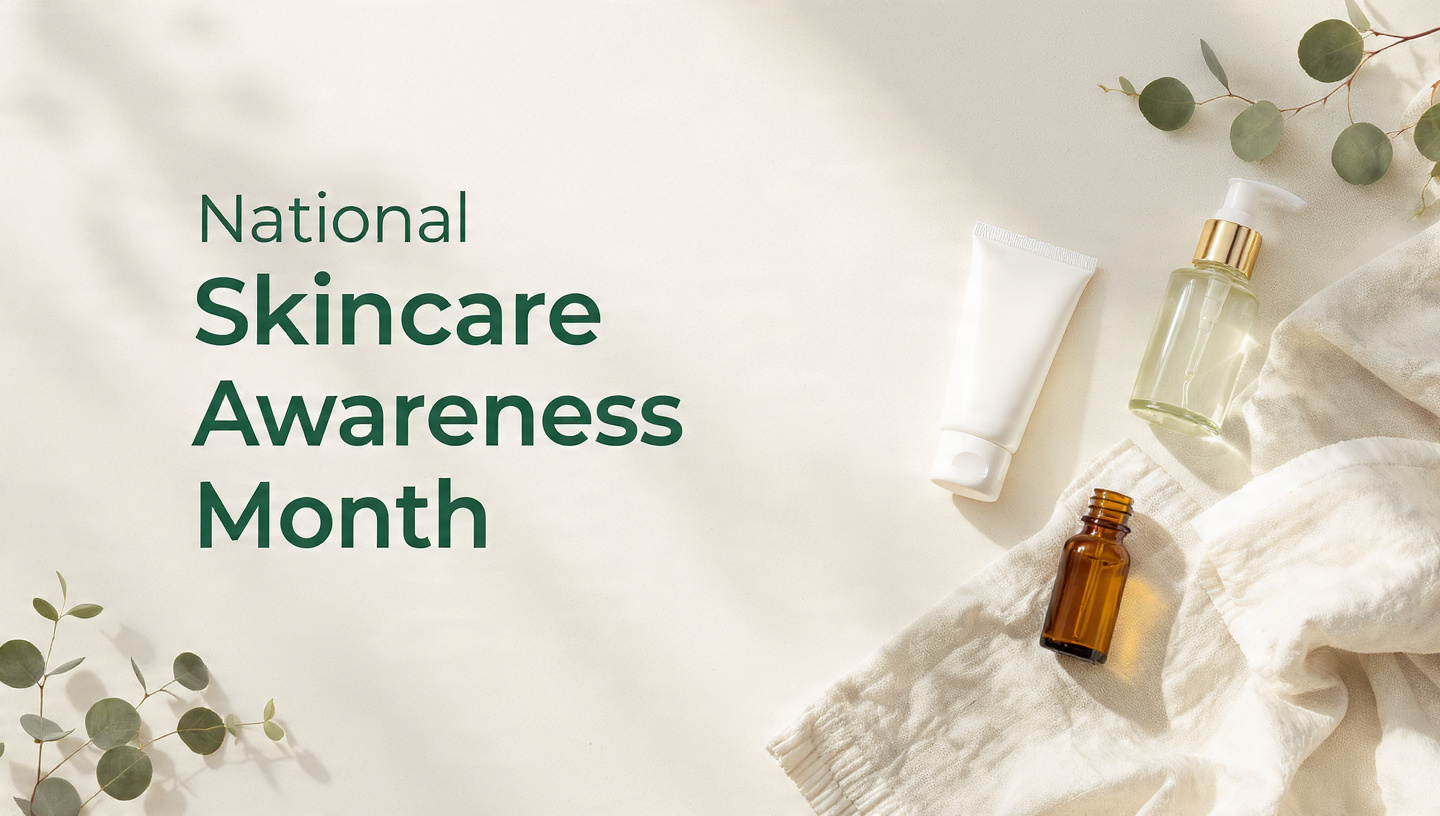
National skincare awareness month is an annual observance dedicated to educating people about skin health, promoting evidence-based skincare practices, and encouraging consistent self-care habits that protect and maintain the body’s largest organ. Understanding how to care for your skin properly can prevent common conditions, slow visible aging, and help you recognize when professional dermatological care is necessary. This observance matters because skin health connects directly to overall physical health, emotional wellbeing, and quality of life.
According to the American Academy of Dermatology, skin cancer remains the most common cancer in the United States, with one in five Americans developing it by age 70. The skin also serves as your first line of immune defense, regulating temperature, synthesizing vitamin D, and protecting internal organs from environmental damage. When skin barrier function fails, the consequences extend beyond cosmetic concerns to include increased infection risk, chronic inflammation, and measurable impacts on mental health.
This guide walks you through what skincare awareness month actually means, which practices have genuine scientific backing, how to build a routine that works for your specific skin type and tone, and how to distinguish evidence-based self-care from marketing noise. You’ll learn how to check your skin for changes, when to seek professional care, and how to make skincare awareness a sustainable part of your daily life rather than a once-a-year afterthought.
What is National Skincare Awareness Month
National skincare awareness month is an annual health observance, most commonly recognized in November as National Healthy Skin Month by the American Academy of Dermatology, dedicated to public education about skin health, disease prevention, and evidence-based self-care practices. This observance provides a structured opportunity to learn about skin biology, evaluate your current skincare habits, and make informed changes that support long-term skin health. The month serves as a reminder that skin health requires consistent attention throughout the year, not just when visible problems arise.
The origins of skin health observances trace back to dermatological organizations recognizing a need for public education about skin cancer prevention, particularly as rates of melanoma and non-melanoma skin cancers continued rising through the late twentieth century. The American Academy of Dermatology established November as National Healthy Skin Month to coincide with the period when people begin spending more time indoors and may neglect sun protection habits. The observance has expanded to include education about common conditions like acne, rosacea, eczema, and psoriasis, as well as general skincare practices.
Skincare awareness month differs from commercial beauty campaigns in one critical way: it prioritizes health education over product promotion. While many brands use this period for marketing, the core purpose remains teaching people how to identify skin changes that warrant medical attention, understand which ingredients have clinical evidence for specific concerns, and build sustainable routines that protect skin barrier function. The educational focus means you should approach this month as a learning opportunity rather than a shopping event.
Different organizations recognize this observance at different times. The American Academy of Dermatology designates November, while some skincare education initiatives and international organizations observe it during other months. What matters more than the specific date is using this designated period to establish habits that continue year-round. Skin health does not improve through a single month of attention, but a focused period of education and habit formation can create lasting change.
Key Takeaway: Skincare awareness month is a health education observance, not a shopping event, and its value lies in teaching you to build sustainable skin health habits rather than making impulse purchases.
Why Skincare Awareness Matters for Skin Health
Skincare awareness matters because your skin functions as a complex biological organ with immune, barrier, thermoregulatory, and sensory roles that directly affect your overall health and wellbeing. When you understand how skin works at a biological level, you can make informed decisions about products, identify early warning signs of skin conditions, and avoid practices that damage skin barrier function. This knowledge translates into measurable health outcomes, including earlier skin cancer detection and reduced chronic inflammatory skin conditions.
The skin’s role as an immune organ is often underappreciated. According to the Journal of Investigative Dermatology, the stratum corneum, your skin’s outermost layer, contains antimicrobial peptides and maintains an acidic pH that inhibits pathogenic bacterial colonization while supporting beneficial skin flora. When this barrier is compromised through harsh cleansing, over-exfoliation, or environmental damage, the risk of infection increases and conditions like atopic dermatitis and contact dermatitis become more likely. Understanding this barrier function helps you recognize why gentle cleansing and proper moisturization are health practices, not cosmetic luxuries.
Skin health also intersects directly with mental health. Research in psychodermatology, published in the British Journal of Dermatology, documents bidirectional relationships between chronic skin conditions like psoriasis and atopic dermatitis and depression, anxiety, and social isolation. People with visible skin conditions often experience stigma and reduced quality of life, which creates stress that can further exacerbate skin inflammation through neuroendocrine pathways. This connection means that skincare awareness extends beyond physical health to encompass psychological wellbeing.
The economic and healthcare system impacts of poor skin health literacy are substantial. Misinformation about skincare ingredients, over-reliance on unproven products, and delayed medical care for treatable conditions all contribute to unnecessary suffering and healthcare costs. When people understand basic skin biology, can identify concerning changes, and know when to seek professional care, outcomes improve across the board. A 2024 study published in the Journal of the American Academy of Dermatology found that patient education about skin self-examination measurably increased early detection of melanoma in high-risk populations.
Key Takeaway: Understanding skin biology helps you recognize that skincare is a health practice, not a cosmetic indulgence, and this knowledge directly improves health outcomes.
Evidence-Based Skincare Practices to Adopt
Evidence-based skincare practices are specific behaviors and product choices supported by clinical research demonstrating measurable improvement in skin barrier function, hydration, photoprotection, or condition management. These practices differ from trends or marketing claims in that they have reproducible results across multiple studies and are recommended by dermatological organizations. Adopting evidence-based practices means prioritizing proven interventions over promising but unverified products or routines.
The most strongly supported skincare practices begin with sun protection. The American Academy of Dermatology recommends daily application of broad-spectrum sunscreen with SPF 30 or higher, regardless of skin tone, as the single most effective intervention for preventing photoaging, hyperpigmentation, and skin cancer. This recommendation is supported by decades of research demonstrating that consistent UV protection measurably reduces DNA damage, collagen degradation, and melanocyte dysfunction. Sun protection is the foundation upon which all other skincare benefits rest.
Gentle cleansing represents another evidence-based practice with clear clinical support. Harsh surfactants like sodium lauryl sulfate can strip the stratum corneum of essential lipids, increase transepidermal water loss (TEWL), and trigger inflammatory responses in sensitive skin. A 2023 study in the International Journal of Cosmetic Science found that switching to a pH-balanced, sulfate-free cleanser improved barrier function in people with atopic dermatitis within four weeks. The evidence consistently shows that less aggressive cleansing supports better skin health.
Moisturization with barrier-supporting ingredients has robust clinical backing. Ceramides, cholesterol, and free fatty acids in specific ratios restore the lipid bilayer that prevents water loss and environmental irritant penetration. Niacinamide at concentrations of 2% to 5% increases ceramide production in keratinocytes and reduces inflammation. These ingredients, applied consistently to damp skin, produce measurable improvements in barrier function that translate to reduced sensitivity, less visible dryness, and better tolerance of other active ingredients.
Key Takeaway: Sun protection, gentle cleansing, and barrier-supporting moisturization are the three evidence-based practices with the strongest clinical support, and they form the foundation of any effective skincare routine.
How to Build a Sustainable Skincare Routine
Building a sustainable skincare routine means creating a consistent, manageable sequence of steps using evidence-based products that address your specific skin needs without overwhelming your time, budget, or skin barrier. Sustainability in skincare refers not to environmental marketing claims but to the practical reality of maintaining a routine long-term. The most effective routine is one you can perform every day without product fatigue, decision paralysis, or irritation.
Start with the minimum effective routine rather than attempting a ten-step regimen. A basic routine consists of three steps: cleanser, moisturizer, and sunscreen in the morning, and cleanser plus moisturizer at night. This foundation addresses the core needs of removing environmental debris, maintaining barrier hydration, and protecting against UV damage. According to the American Academy of Dermatology, this minimal routine is sufficient for most people and provides the greatest benefit per product. Additional products can be added only after this foundation is consistently maintained for at least four weeks.
The order of application follows a simple chemical principle: products with lower pH and water-based formulations go first, followed by oils and occlusives. Water-based serums containing active ingredients like ascorbic acid or niacinamide should be applied to clean skin before heavier moisturizers. Occlusives like petrolatum or dimethicone create a physical barrier that locks in hydration and prevents transepidermal water loss. Understanding this layering logic prevents the common mistake of applying products in an order that reduces their effectiveness.
Sustainability also requires realistic assessment of your time and budget. A routine that takes 30 minutes twice daily is unlikely to be maintained. A routine that requires five products costing hundreds of dollars creates financial stress that undermines consistency. The American Academy of Dermatology emphasizes that drugstore products with evidence-based ingredients perform as well as luxury products with the same active compounds. Cost does not correlate with efficacy when active ingredient concentrations are equivalent.
| Routine Step | Product Type | Function | Frequency | Skin Type Notes |
|---|---|---|---|---|
| 1. Cleanse | Gentle, pH-balanced cleanser | Remove debris, excess sebum, environmental pollutants | Morning and evening | Oily skin may benefit from salicylic acid cleanser |
| 2. Treat | Active serum (optional) | Deliver concentrated ingredients like niacinamide or ascorbic acid | Once daily, typically evening | Sensitive skin should start with one active only |
| 3. Moisturize | Barrier-supporting moisturizer | Hydrate, seal in moisture, support stratum corneum | Morning and evening | Dry skin needs richer occlusives |
| 4. Protect | Broad-spectrum sunscreen SPF 30+ | Prevent UV damage, photoaging, skin cancer | Morning, reapply every 2 hours outdoors | All skin tones need daily protection |
Key Takeaway: A sustainable routine starts with three core steps, maintains a consistent layering order based on product chemistry, and prioritizes consistency over product count or price point.
Skincare Self-Care Practices That Actually Work
Skincare self-care practices that actually work are specific, evidence-informed behaviors that combine skin health maintenance with measurable psychological benefits through consistent ritual, sensory engagement, and stress reduction. These practices differ from commercialized self-care messaging that equates wellness with purchasing products. Genuine skincare self-care is about the quality of attention you give to your skin and the consistency of protective behaviors, not the number of products you own.
The psychological benefits of skincare self-care come primarily from the ritual itself, not from specific products. A 2022 study published in the Journal of Cosmetic Dermatology found that participants who performed a consistent evening skincare routine reported lower perceived stress and improved sleep quality compared to control groups, with the benefit appearing independent of product cost. The mechanism involves parasympathetic nervous system activation during repetitive, soothing activities, which reduces cortisol levels and supports skin barrier repair during sleep. This finding means the consistency of your practice matters more than the specific products you use.
Effective skincare self-care requires setting realistic expectations about what self-care can and cannot achieve. Self-care practices support skin health by reducing stress-related inflammation, improving consistency of protective behaviors, and enhancing your awareness of skin changes that warrant attention. Self-care cannot replace medical treatment for skin conditions like psoriasis, eczema, or skin cancer. The National Eczema Association emphasizes that while stress reduction can reduce flare frequency in atopic dermatitis, it is adjunctive to, not a replacement for, prescribed topical treatments.
Practical self-care practices with genuine benefit include performing your skincare routine without distraction rather than rushing through it, applying sunscreen daily as an act of self-protection rather than obligation, and performing monthly skin self-examinations as a structured check-in with your body. These practices build interoceptive awareness, the ability to notice subtle changes in your body, which supports earlier detection of concerning changes and earlier medical intervention when needed.
A realistic timeline for skincare self-care benefits matters. Skin barrier improvements from consistent moisturization and gentle cleansing can be measured within four weeks. Psychological benefits from the ritual itself often emerge within two weeks of consistent practice. However, visible improvements in conditions like hyperpigmentation or acne require consistent use of active ingredients for eight to twelve weeks. Understanding these timelines prevents the discouragement that leads people to abandon beneficial practices prematurely.
Key Takeaway: Skincare self-care works through the consistency of protective behaviors and the stress-reducing quality of ritual, not through product price, and it supports but cannot replace medical treatment for skin conditions.
The Stress-Skin Connection Explained
The stress-skin connection refers to the documented bidirectional relationship between psychological stress and skin function, mediated by neuroendocrine pathways, immune system changes, and behavioral factors that directly affect skin barrier integrity and inflammatory responses. Understanding this connection helps you recognize why stress management is a legitimate skincare practice and why skin symptoms can serve as signals about your overall stress level. The science here is substantial and clinically relevant.
When you experience psychological stress, your body activates the hypothalamic-pituitary-adrenal (HPA) axis, releasing cortisol and other stress hormones. These hormones bind to receptors in skin cells, including keratinocytes and sebaceous glands, increasing sebum production, disrupting epidermal barrier function, and promoting inflammatory cytokine release. Research published in the Journal of Investigative Dermatology has documented that acute stress measurably impairs stratum corneum recovery after barrier disruption, effectively slowing your skin’s ability to repair itself. Chronic stress compounds this effect, creating a cycle of barrier dysfunction and increased sensitivity.
The clinical implications for specific conditions are well-documented. The National Eczema Association reports that stress is among the most commonly identified triggers for atopic dermatitis flares, with stress reduction interventions showing measurable benefit in reducing flare frequency. Acne similarly responds to stress through cortisol-mediated increases in sebum production and inflammatory responses. A 2023 systematic review in the British Journal of Dermatology found consistent associations between perceived stress and acne severity across multiple studies, though the relationship is correlational rather than purely causal.
Stress reduction practices that specifically benefit skin health include regular sleep, which supports nightly barrier repair processes, and structured relaxation techniques that reduce cortisol levels. The American Psychological Association notes that consistent sleep deprivation measurably impairs skin barrier function and increases inflammatory markers. Protecting sleep is therefore a skincare intervention with evidence behind it. Brief daily relaxation practices, including deep breathing or progressive muscle relaxation, show measurable reductions in cortisol that may support skin barrier recovery.
The behavioral component of the stress-skin connection matters equally. When stressed, people often abandon skincare routines, consume more alcohol, sleep less, and make poorer dietary choices, all of which independently impair skin health. Awareness of these behavioral cascades allows you to maintain protective practices during high-stress periods, interrupting the cycle before visible skin changes occur. This awareness is itself a form of skincare self-care.
Key Takeaway: Psychological stress directly impairs skin barrier function and increases inflammation through cortisol pathways, making stress management and sleep protection legitimate skincare interventions with measurable benefits.
Understanding Your Skin Barrier Function
Your skin barrier function refers to the stratum corneum’s ability to prevent water loss, block environmental irritants and pathogens, and maintain the slightly acidic pH that supports healthy skin flora. Understanding this barrier is essential because nearly every skincare practice either supports or compromises it, and many common skin concerns stem from barrier dysfunction rather than the conditions people assume they have. The barrier is the foundation of all skin health.
Think of your skin barrier like a brick wall. The keratinocytes are the bricks. Ceramides, fatty acids, and cholesterol are the mortar holding everything together. Strip the mortar with harsh surfactants and the wall starts to crumble, letting irritants in and moisture out. This analogy helps explain why over-cleansing and over-exfoliation cause the redness, stinging, and sensitivity that people often mistake for allergies or intrinsic skin sensitivity. In many cases, the problem is not the skin’s nature but its damaged structure.
The stratum corneum maintains a pH of approximately 4.5 to 5.5, which is slightly acidic. This acid mantle inhibits pathogenic bacteria like Staphylococcus aureus while supporting beneficial skin flora. Harsh alkaline cleansers raise this pH, disrupting the microbial balance and impairing enzymes involved in ceramide synthesis. A 2022 study in the International Journal of Cosmetic Science found that maintaining skin pH in the acidic range is essential for optimal barrier recovery after disruption. pH-balanced cleansers are not a marketing gimmick; they preserve the chemistry your barrier depends on.
Transepidermal water loss (TEWL) is the clinical measure of barrier function, representing the amount of water that evaporates through the stratum corneum. High TEWL indicates a compromised barrier and is associated with dryness, sensitivity, and increased penetration of potential irritants. Ingredients like ceramides, niacinamide, and humectants like glycerin and sodium hyaluronate reduce TEWL by supporting the lipid bilayer and drawing water into the stratum corneum. These ingredients do not simply make skin feel better; they measurably improve barrier function.
Barrier repair takes time. The stratum corneum requires approximately four weeks to fully renew itself through normal desquamation. If you have damaged your barrier through over-exfoliation or harsh products, expect a month of consistent gentle care before full recovery. During this period, active ingredients like retinoids and alpha-hydroxy acids should be paused, as they can further compromise the barrier. The American Academy of Dermatology recommends stopping all active ingredients during barrier repair and using only gentle cleanser, moisturizer, and sunscreen.
Key Takeaway: Your skin barrier is a physical and chemical structure that requires maintaining its lipid mortar and acidic pH, and barrier damage from over-cleansing or over-exfoliation requires about four weeks of gentle care to repair.
Skincare Ingredients Worth Knowing in 2026
Skincare ingredients worth knowing in 2026 are specific compounds with robust clinical evidence for measurable skin benefits, including barrier support, photoprotection enhancement, pigmentation regulation, and collagen synthesis stimulation. These ingredients are not trends but established dermatological tools with documented mechanisms of action. Knowing them helps you read labels critically and avoid paying premium prices for unproven compounds.
Niacinamide, also known as nicotinamide, is a form of vitamin B3 with the strongest evidence for barrier support and inflammation reduction among cosmetic ingredients. At concentrations of 2% to 5%, niacinamide increases ceramide production in keratinocytes, reduces transepidermal water loss, and modulates inflammatory cytokines. A 2024 review in the Journal of the American Academy of Dermatology confirmed that niacinamide is effective for improving barrier function, reducing post-inflammatory hyperpigmentation, and managing acne-related inflammation. It is well-tolerated across all skin tones and types.
Ascorbic acid, the active form of vitamin C, functions as an antioxidant that neutralizes reactive oxygen species generated by UV exposure, supports collagen synthesis, and inhibits melanin production. Effective concentrations range from 8% to 20%, with lower concentrations suitable for sensitive skin. The primary challenge with ascorbic acid is its instability in water, requiring proper formulation with stabilizing agents like ferulic acid and vitamin E. Tetrahexyldecyl ascorbate offers a stable, lipid-soluble alternative that penetrates effectively at lower concentrations and causes less irritation.
Retinoids, including over-the-counter retinol and prescription tretinoin, remain the most evidence-supported ingredient class for addressing visible skin aging and acne. Retinoids work by binding to retinoic acid receptors in keratinocytes, accelerating cell turnover and stimulating collagen type I and type III production. Results require consistent use for eight to twelve weeks. Retinoids can cause initial irritation, dryness, and photosensitivity, requiring gradual introduction and consistent sun protection. Pregnant women should not use retinoids due to documented teratogenic risk.
Ceramides, specifically ceramide NP, ceramide AP, and ceramide EOP, are skin-identical lipids that restore the stratum corneum barrier. Formulations with ceramide:cholesterol:fatty acid ratios of 1:1:1 to 3:1:1 show superior barrier repair compared to ceramides alone. These ingredients are universally beneficial and have essentially no irritation risk, making them appropriate for sensitive, compromised, and pediatric skin.
| Ingredient | INCI Name | Effective Concentration | Primary Function | Best For |
|---|---|---|---|---|
| Niacinamide | Niacinamide | 2% to 5% | Barrier support, inflammation reduction | All skin types, hyperpigmentation |
| Ascorbic Acid | L-Ascorbic Acid | 8% to 20% | Antioxidant, collagen synthesis | Photoaging, dullness |
| Retinol | Retinol | 0.1% to 1.0% | Cell turnover, collagen stimulation | Aging, acne |
| Ceramide NP | Ceramide NP | 0.1% to 1.0% | Barrier repair | Dry, sensitive, compromised skin |
| Hyaluronic Acid | Sodium Hyaluronate | 0.1% to 2.0% | Hydration, humectant | Dehydrated skin, all types |
| Salicylic Acid | Salicylic Acid | 0.5% to 2.0% | Exfoliation, pore clearing | Oily, acne-prone skin |
Key Takeaway: Niacinamide, ascorbic acid, retinoids, and ceramides are the ingredients with the strongest evidence for real skin benefits, and knowing their effective concentrations helps you identify worthwhile products.
How to Know if Skincare Products Are Working
Knowing if skincare products are working requires understanding realistic timelines for specific ingredients, tracking observable changes systematically, and distinguishing between genuine improvement and placebo effects or product-induced irritation that mimics short-term cosmetic benefits. The most common mistake people make is abandoning products too early or assuming a product works because it feels luxurious or causes temporary sensory effects. Objective assessment requires patience and attention to measurable changes.
Different ingredient categories have different timelines to visible results. Humectants like hyaluronic acid and glycerin produce visible hydration improvements within hours to days. Barrier-supporting ingredients like ceramides and niacinamide show measurable reduction in transepidermal water loss within two to four weeks. Active ingredients like retinoids, ascorbic acid, and azelaic acid require eight to twelve weeks of consistent use for visible changes in pigmentation, texture, or acne. The American Academy of Dermatology emphasizes that most skincare products require at least four weeks of consistent use before meaningful assessment is possible.
Systematic tracking improves assessment accuracy. Take baseline photos in consistent lighting before starting a new product. Re-photograph at four, eight, and twelve weeks. Note specific changes: reduction in visible redness, improvement in skin texture, changes in breakouts, changes in dryness or oiliness. Subjective impressions like “my skin feels better” are useful but can be influenced by product scent, texture, and packaging. Photographic comparison provides objective evidence of whether visible change is occurring.
Distinguish between product efficacy and product-induced irritation that mimics benefits. Some products cause temporary smoothing through swelling from mild irritation, which can be mistaken for plumping or firming. Retinoids commonly cause initial redness and peeling that is expected and temporary, but persistent stinging, burning, or worsening redness indicates intolerance rather than efficacy. If a product causes stinging upon application that persists for more than a few minutes, it may be disrupting your barrier rather than improving your skin.
Track what happens when you stop using a product. If your skin visibly worsens within days of stopping, the product was likely providing genuine benefit, whether through barrier support, hydration, or active treatment. If there is no change, the product may have been unnecessary. This discontinuation test is a practical way to evaluate whether each product in your routine earns its place.
Key Takeaway: Most skincare products require four to twelve weeks to show visible results, and systematic tracking with baseline photos and discontinuation testing provides better evidence than subjective impressions alone.
Skincare for Different Skin Types and Tones
Skincare for different skin types and tones requires understanding that baseline oil production, barrier sensitivity, and melanin content all influence how your skin responds to products, ingredients, and sun exposure. The same product that works beautifully for one person may cause irritation, clogged pores, or hyperpigmentation in another. Individualization is not optional; it is the difference between effective skincare and skin damage.
Skin type classification centers primarily on sebum production. Oily skin produces excess sebum and benefits from lightweight, non-comedogenic formulations and ingredients like salicylic acid that clear pores. Dry skin produces insufficient sebum and requires richer occlusives and emollients to prevent transepidermal water loss. Combination skin presents both oily and dry areas, requiring targeted application rather than uniform product use. Sensitive skin reacts to products with stinging, redness, or inflammation, requiring fragrance-free, minimal-ingredient formulations with barrier-supporting ceramides and niacinamide.
Skin tone, described clinically through the Fitzpatrick scale from phototype I (palest, always burns) to phototype VI (deepest, rarely burns), determines both sun protection needs and hyperpigmentation risk. People with Fitzpatrick skin types IV through VI have more active melanocytes that respond to inflammation or UV exposure by producing excess melanin, leading to post-inflammatory hyperpigmentation and melasma. This means that sun protection is equally important for all skin tones, contrary to the persistent myth that deeper skin tones do not need sunscreen. The American Academy of Dermatology emphasizes that skin cancer can occur in all skin tones and that daily sunscreen use prevents hyperpigmentation in deeper phototypes.
Age-related skin changes require routine modification. Postmenopausal skin experiences measurable reduction in estrogen, which correlates with decreased collagen production, reduced skin thickness, and impaired barrier recovery. This population benefits from ceramide-rich moisturizers, consistent niacinamide use, and gentler active ingredient introduction. Teenage skin, characterized by hormone-driven sebum production and acne, benefits from salicylic acid, benzoyl peroxide, and non-comedogenic formulations. Children’s skin has a thinner stratum corneum and higher surface area to volume ratio, requiring fragrance-free, minimal-ingredient products and avoiding retinoids and high-strength acids entirely.
People with conditions like rosacea, atopic dermatitis, and psoriasis require condition-specific modifications that often override general skin type guidance. Rosacea-prone skin typically reacts to fragrance, alcohol, and high-concentration acids with flushing and inflammation. Atopic dermatitis requires aggressive barrier support with ceramides and avoidance of common allergens. These conditions are discussed in detail in a later section, but the principle remains: skin type and tone are starting points, not complete determinants of what your skin needs.
Key Takeaway: Skin type guides product texture selection, skin tone determines sun protection and hyperpigmentation considerations, and both must be modified further based on age, conditions, and individual reactivity.
Common Skincare Mistakes to Avoid
Common skincare mistakes to avoid are specific practices that damage skin barrier function, increase inflammation, waste money on ineffective products, or delay necessary medical care. These mistakes are remarkably consistent across skincare consumers and are perpetuated by marketing messages that equate more products, higher concentrations, and more aggressive treatment with better results. Avoiding these mistakes often improves skin more than adding new products.
Over-exfoliation is the most damaging common mistake. Chemical exfoliants like alpha-hydroxy acids and beta-hydroxy acids work by removing dead cells from the stratum corneum, but excessive use strips the barrier and causes inflammation, redness, and increased sensitivity. The American Academy of Dermatology recommends limiting exfoliation to once or twice weekly for most skin types, and less frequently for sensitive skin. Signs of over-exfoliation include persistent redness, stinging with product application, increased dryness, and paradoxical increased oiliness as the skin attempts to compensate for barrier damage.
Skipping sunscreen or applying insufficient amounts is the most consequential mistake for long-term skin health. Most people apply only 25% to 50% of the amount needed to achieve the labeled SPF, which requires 2 mg per square centimeter of skin. This means a facial application requires approximately 1/4 teaspoon. Sunscreen must be reapplied every two hours during sun exposure and daily regardless of weather or season. The American Academy of Dermatology emphasizes that indoor UV exposure through windows still causes cumulative damage.
Introducing multiple new products simultaneously prevents you from identifying which product causes irritation or which product provides benefit. The correct approach is introducing one new product at a time, observing for at least two weeks before adding another. This practice also reduces the risk of overwhelming your skin barrier with multiple new active ingredients simultaneously. When starting a new active like retinol or ascorbic acid, begin with twice weekly application and gradually increase frequency as tolerance develops.
Overpaying for products that contain the same active ingredients as drugstore alternatives is a mistake that does not improve skin outcomes. The FDA regulates cosmetic ingredients such that niacinamide, ceramides, hyaluronic acid, and salicylic acid are identical compounds regardless of product price. Paying more for elegant textures or pleasant fragrance is a personal choice, not a skin health investment. A 2024 consumer analysis published in the Journal of Cosmetic Dermatology found no correlation between product price and measurable improvement in skin hydration or barrier function when active ingredient concentrations were equivalent.
Ignoring persistent skin symptoms and attempting to self-treat conditions that require medical care is a mistake that can lead to scarring, worsening disease, or missed diagnoses. Acne that persists for more than three months despite consistent over-the-counter treatment, suspicious lesions, or rapidly changing moles require board-certified dermatologist evaluation. Delaying professional care while cycling through products wastes time and money and allows treatable conditions to progress.
Key Takeaway: The most common skincare mistakes are over-exfoliation, inadequate sunscreen application, introducing multiple products simultaneously, overpaying for identical actives, and delaying medical care for persistent symptoms.
How to Check Your Skin for Changes
Checking your skin for changes means performing systematic monthly self-examinations to identify new or evolving lesions, changing moles, persistent non-healing spots, or other visible changes that may warrant professional evaluation. This practice is the single most important self-care behavior for early detection of skin cancer, which is highly treatable when caught early. The American Academy of Dermatology recommends that everyone perform monthly skin self-examinations.
The examination follows a systematic pattern to ensure complete coverage. Begin with your face, ears, and scalp, using a mirror to check areas you cannot see directly. Move to your neck, shoulders, and upper back, then your chest and abdomen. Check your arms, including underarms and between fingers. Examine your legs, including soles of feet and between toes. Use a hand mirror to check your back, buttocks, and the backs of your legs. The entire examination takes approximately ten minutes when performed systematically.
The ABCDE rule provides a framework for evaluating moles and pigmented lesions. A stands for asymmetry, where one half does not match the other. B stands for border irregularity, with ragged, notched, or blurred edges. C stands for color that is not uniform, including varying shades of brown, black, or the presence of red, white, or blue. D stands for diameter greater than 6 millimeters, approximately the size of a pencil eraser. E stands for evolution or change over time, including new symptoms like itching or bleeding. Any lesion meeting one or more of these criteria warrants evaluation by a board-certified dermatologist.
The ugly duckling sign is an additional screening concept that identifies lesions that look different from your other moles. Most people have a characteristic mole pattern, and a lesion that stands out from that pattern deserves attention even if it does not meet ABCDE criteria. This concept is particularly useful for people with many moles, where individual assessment of every lesion is impractical.
Photographic documentation supports effective self-examination. Take photos of your skin, particularly your back and areas with many moles, every three to six months. Compare photos to identify new or changing lesions. For people with numerous moles or a family history of melanoma, total body photography performed by a dermatologist provides a comprehensive baseline for future comparison. The American Academy of Dermatology reports that regular self-examination combined with professional evaluation measurably improves early melanoma detection rates.
Key Takeaway: Monthly systematic skin self-examination using the ABCDE rule and ugly duckling sign, documented with photos, is the most effective self-care practice for early skin cancer detection.
Sun Protection Awareness and Daily Habits
Sun protection awareness means understanding that cumulative UV exposure causes DNA damage, accelerates visible skin aging, increases hyperpigmentation, and drives skin cancer risk, making daily sunscreen application the single most important skincare habit regardless of skin tone, weather, or season. The evidence for photoprotection is overwhelming, and the consistent recommendation from every dermatological organization is daily broad-spectrum sunscreen with SPF 30 or higher.
The distinction between UVA and UVB radiation matters for understanding why daily protection is necessary. UVB rays cause visible sunburn and are more intense in summer and at midday. UVA rays penetrate through clouds and window glass and are present at consistent levels year-round. UVA causes deeper damage including collagen degradation and contributes to photoaging and skin cancer. This is why sunscreen is necessary on cloudy days, in winter, and even indoors near windows. The American Academy of Dermatology emphasizes that cumulative daily exposure, not just beach days, drives long-term damage.
Sunscreen formulation matters for both efficacy and skin tolerance. Inorganic filters like zinc oxide and titanium dioxide sit on the skin surface and reflect UV radiation, making them suitable for sensitive skin and safe for use during pregnancy and on children over six months. Organic or chemical filters like avobenzone, octocrylene, and homosalate absorb UV radiation and convert it to heat, offering cosmetic elegance but with higher potential for contact dermatitis in sensitive individuals. Broad-spectrum protection requires either zinc oxide alone at adequate concentration or a combination of organic filters covering both UVA and UVB ranges.
Application amount and reapplication are the two most common points of failure. The labeled SPF requires 2 mg per square centimeter, translating to approximately 1/4 teaspoon for the face and 1 ounce, a full shot glass, for exposed body skin. Most people apply 25% to 50% of this amount, which reduces effective protection substantially. Reapplication every two hours during sun exposure is necessary because sunscreen breaks down and is removed by sweat and friction. Water-resistant formulations maintain protection for 40 to 80 minutes in water, but reapplication is still required after swimming or heavy sweating.
Sun protection extends beyond sunscreen to include protective clothing, hats, sunglasses, and seeking shade during peak UV hours from 10 AM to 4 PM. For infants under six months, physical protection through clothing and shade is recommended rather than sunscreen, as their skin has a higher surface area to volume ratio and greater potential for systemic absorption of chemical filters. This guidance comes from the American Academy of Pediatrics and the American Academy of Dermatology jointly.
Key Takeaway: Daily broad-spectrum sunscreen with SPF 30 or higher, applied in adequate amounts and reapplied every two hours, is the single most important skincare habit for preventing photoaging and skin cancer.
Skincare for Specific Skin Conditions
Skincare for specific skin conditions requires condition-specific product selection, ingredient choices, and routine modifications that differ fundamentally from general skincare guidance. Conditions like rosacea, atopic dermatitis, acne, and psoriasis involve distinct pathophysiological processes that respond to specific ingredients and are exacerbated by others. Understanding these differences prevents the common mistake of applying general skincare advice to skin that requires specialized care.
Rosacea, clinically described as erythematotelangiectatic rosacea in its most common form, involves persistent facial redness, flushing, and visible blood vessels. Rosacea-prone skin reacts to fragrance, alcohol, menthol, and high-concentration acids with flushing and inflammation. The National Rosacea Society recommends fragrance-free, minimal-ingredient formulations with barrier-supporting ceramides and niacinamide. Azelaic acid at 15% concentration has FDA approval for rosacea treatment and is available by prescription. Sun protection is critical, as UV exposure is a well-documented rosacea trigger. People with rosacea should avoid most essential oils and botanical extracts that cause vasodilation.
Atopic dermatitis, commonly called eczema, involves impaired barrier function related to filaggrin mutations, increased transepidermal water loss, and immune dysregulation. The National Eczema Association emphasizes aggressive barrier repair with ceramide-rich moisturizers applied immediately after bathing, avoidance of common allergens including fragrance and certain preservatives, and use of bleach baths or prescription treatments as directed by a dermatologist. Niacinamide at 2% to 5% supports barrier function and reduces inflammation. Consistent moisturization is not optional in atopic dermatitis; it is the foundation of management.
Acne involves excess sebum production, follicular hyperkeratinization, Cutibacterium acnes proliferation, and inflammation. Effective over-the-counter treatment includes salicylic acid at 0.5% to 2% for pore clearing and benzoyl peroxide at 2.5% to 10% for bacterial reduction. Retinoids, whether over-the-counter retinol or prescription tretinoin, normalize follicular keratinization and prevent comedone formation. The American Academy of Dermatology notes that acne treatment requires eight to twelve weeks of consistent use before meaningful improvement is visible. Persistent, scarring, or treatment-resistant acne warrants board-certified dermatologist evaluation for prescription options.
Psoriasis involves accelerated keratinocyte turnover producing thick, scaly plaques. Management requires topical treatments including salicylic acid for scale removal, coal tar, and prescription vitamin D analogs and corticosteroids. The National Psoriasis Foundation emphasizes that psoriasis is a systemic inflammatory condition requiring medical management, and skincare provides supportive care rather than disease-modifying treatment. Consistent moisturization reduces scaling and discomfort, and gentle cleansing prevents irritation of plaques.
Key Takeaway: Rosacea, atopic dermatitis, acne, and psoriasis each require specific ingredients and routine modifications, and while skincare supports management of these conditions, medical treatment is often necessary for adequate control.
When to See a Dermatologist
Seeing a dermatologist becomes necessary when skin symptoms persist despite consistent appropriate over-the-counter treatment, when lesions or changes meet concerning criteria, when skin conditions cause significant psychological distress or functional impairment, or when you have risk factors that warrant professional screening. Knowing the specific clinical thresholds for referral prevents both unnecessary visits and dangerous delays in care. The distinction between what skincare can address independently and what requires professional care is essential.
For acne, board-certified dermatologist evaluation is warranted when over-the-counter treatment with salicylic acid, benzoyl peroxide, or retinol has not produced meaningful improvement after twelve weeks of consistent use, when acne is scarring or leaving dark marks, or when acne causes significant emotional distress. Prescription options including topical retinoids, oral antibiotics, hormonal therapy, and isotretinoin offer treatment that over-the-counter products cannot match. The American Academy of Dermatology emphasizes that early aggressive treatment of scarring acne prevents permanent scarring.
For suspicious lesions, evaluation is warranted for any lesion meeting ABCDE criteria, any lesion that is new and growing, any lesion that bleeds, itches, or fails to heal within two to four weeks, or any lesion that looks different from your other moles, the ugly duckling sign. People with a personal history of skin cancer, extensive sun exposure history, many atypical moles, or a first-degree relative with melanoma should have professional skin examinations at intervals determined by their dermatologist. Early melanoma detection produces five-year survival rates above 99%, while late detection dramatically reduces survival.
For chronic conditions like rosacea, atopic dermatitis, and psoriasis, referral is appropriate when over-the-counter management fails to control symptoms, when symptoms interfere with sleep or daily activities, or when you experience frequent flares. Prescription treatments for these conditions are substantially more effective than over-the-counter alternatives and can prevent disease progression and complications. The National Eczema Association notes that uncontrolled atopic dermatitis increases risk of skin infection and can lead to erythroderma in severe cases.
When you see a dermatologist, bring a list of every product you currently use, including cleansers, moisturizers, sunscreens, and active serums with their concentrations. Bring baseline photos showing your skin at its best and worst. Be prepared to describe when symptoms started, what makes them better or worse, and what treatments you have already tried. This information allows the dermatologist to provide specific, individualized guidance rather than generic recommendations. You can ask about prescription options, what to expect from treatment, and how to modify your existing routine.
Key Takeaway: Referral thresholds are specific: twelve weeks of failed over-the-counter acne treatment, any lesion meeting ABCDE criteria or looking different from your other moles, and chronic conditions that impair sleep or daily function despite consistent management.
How to Celebrate Skincare Awareness Month
Celebrating skincare awareness month means using this designated period to perform meaningful health-promoting actions: schedule a professional skin examination if you are due, perform a thorough self-examination, audit your current skincare routine for evidence-based practices, and commit to one sustainable improvement in your skin health habits. The celebration is in the action, not the purchase. This month is an opportunity for health behavior change, not consumption.
Begin with a professional skin examination if you have never had one or have not had one in the past year. Call a board-certified dermatologist and schedule a full-body skin examination. This single action has more potential health impact than any product purchase. If you have risk factors including extensive sun exposure history, many moles, family history of melanoma, or personal history of skin cancer, make this a priority. Most insurance plans cover annual skin examinations when medically indicated.
Perform a systematic self-examination at home using the ABCDE framework and documenting with photos. Check every area including your scalp, between toes, and your back using mirrors. Compare photos to previous images if you have them. Note any lesions that are new, changing, or concerning. If you find something that worries you, schedule the dermatologist appointment immediately rather than waiting. Early detection is the single most effective intervention for skin cancer survival.
Audit your current skincare routine for evidence-based practices. Review your products for the presence of proven ingredients like niacinamide, ceramides, ascorbic acid, and retinoids at effective concentrations. Confirm your sunscreen provides broad-spectrum SPF 30 or higher and that you are applying enough and reapplying appropriately. Remove products that serve no evidence-based function. Simplify your routine to the minimum effective steps and add products back only with specific rationale. This audit prevents product accumulation and ensures every step earns its place.
Commit to one sustainable improvement for the next twelve months. Options include daily sunscreen application if you currently skip it, introducing one evidence-based active like niacinamide or retinol with proper gradual introduction, performing monthly self-examinations, or establishing a consistent evening skincare ritual as a stress-reduction practice. Choose one change you can realistically maintain. The American Academy of Dermatology emphasizes that consistent daily habits, not intensive short-term interventions, determine long-term skin health.
Key Takeaway: Celebrating skincare awareness month means scheduling a professional skin examination, performing a self-examination, auditing your routine for evidence-based practices, and committing to one sustainable improvement rather than purchasing products.
Frequently Asked Questions About Skincare Awareness Month
When is National Skincare Awareness Month?
National Skincare Awareness Month is most commonly recognized in November as National Healthy Skin Month, designated by the American Academy of Dermatology.
Other skincare education initiatives and international organizations may observe this awareness period at different times throughout the year.
What is the purpose of skincare awareness?
The purpose of skincare awareness is to educate people about skin health, disease prevention, and evidence-based self-care practices.
This includes teaching skin self-examination for cancer detection, understanding barrier function, and distinguishing between proven skincare ingredients and marketing claims.
How do I start a skincare routine for beginners?
Start with three steps: a gentle pH-balanced cleanser, a barrier-supporting moisturizer, and a broad-spectrum sunscreen with SPF 30 or higher.
Maintain this minimal routine consistently for four weeks before adding any active ingredients like niacinamide or retinol.
What skincare ingredients actually work?
Niacinamide at 2% to 5%, ascorbic acid at 8% to 20%, retinoids, ceramides, and salicylic acid at 0.5% to 2% have the strongest clinical evidence for measurable skin benefits.
Hyaluronic acid and glycerin provide reliable hydration, and zinc oxide and titanium dioxide provide effective sun protection.
How do I know if my skincare products are effective?
Track changes with baseline photos at four, eight, and twelve weeks, focusing on specific measurable changes in redness, texture, breakouts, or hyperpigmentation.
Most active ingredients require eight to twelve weeks of consistent use before visible improvement occurs.
When should I see a dermatologist about my skin?
See a board-certified dermatologist for acne that has not improved after twelve weeks of consistent over-the-counter treatment, any lesion that meets ABCDE criteria or looks different from your other moles, or chronic conditions that impair sleep or daily function.
Bring a list of your current products with concentrations and baseline photos to your appointment.
Skincare awareness month offers something more valuable than a product discount or a promotional campaign. It offers a structured opportunity to learn what your skin actually needs, to recognize what it is telling you, and to build habits that protect the organ that protects you.
Start this month by doing one thing you have not done before: schedule that skin examination, perform that self-check, simplify that cluttered routine, or commit to daily sunscreen. Pick the single action most relevant to your skin health right now and do it.
Consistency beats intensity. A simple routine performed daily will outperform an elaborate routine performed sporadically. Your skin responds to what you do every day, not what you do occasionally. That is the entire point of skincare awareness, and it is a lesson worth carrying far beyond a single month.