Korres Skincare Review: Evidence and Ingredient Analysis 2026
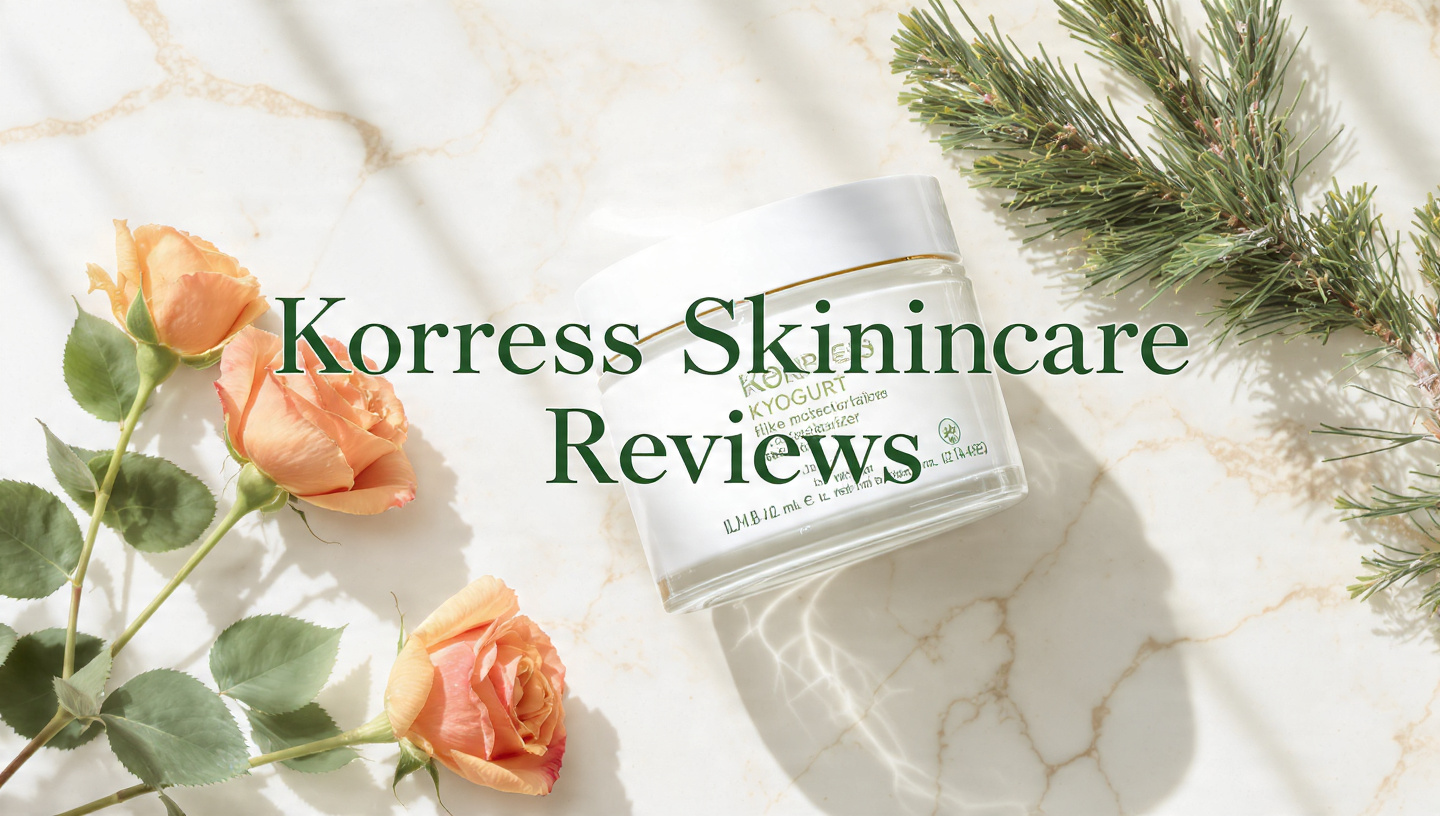
Korres skincare reviews often paint a picture of a brand that beautifully bottles the Greek apothecary tradition. The real question is whether the brand’s star botanical ingredients, like Greek yogurt, wild rose, and black pine, translate into clinically meaningful results for your skin. This review separates the sensory romance of the formulas from the hard evidence, giving you an honest assessment of who Korres is genuinely for and who should look elsewhere.
The “natural” skincare market is saturated with marketing claims that wilt under scientific scrutiny. What makes Korres different is its origin in a homeopathic pharmacy and a stated commitment to clinical testing. Yet, the brand exists in a tension between a “clean,” sensory-rich philosophy and the cold, hard demands of evidence-based dermatology. According to the American Academy of Dermatology, the single most common cause of allergic contact dermatitis from cosmetics is not a synthetic villain but fragrance, including botanical essential oils. This fact alone sets the stage for the core conflict in every Korres review: the ingredients smell incredible, but fragrance and sensitivity risk are inseparable.
We will walk through the brand’s philosophy, analyze each star ingredient’s evidence profile from a cosmetic chemistry perspective, name which products have a genuine reason to exist in a science-backed routine, and give clear safety guidance. You will learn which Korres products are genuinely innovative, which are beautifully packaged commodity formulations, and where the brand’s natural story bumps up against the reality of reactive and aging skin.
Korres Skincare Brand Review
A Korres skincare brand review must start with the company’s origin at an Athens homeopathic pharmacy in 1996, which grounds its identity in plant-based actives. The brand formulates using what it calls “natural-origin” ingredients, avoiding mineral oil, silicones, and propylene glycol. The question for any informed consumer in 2026 is whether this substitution strategy consistently produces superior or even comparable outcomes.
Korres operates six distinct clinical testing labs, which is a stronger investment in safety and efficacy testing than most similarly priced “apothecary” brands make. They conduct RIPT (Repeat Insult Patch Test) for sensitization and consumer-perception studies for product performance. This is commendable and earns the brand a seat above purely conceptual natural brands. Still, it is not equivalent to the published, placebo-controlled, double-blind clinical trial data that supports medical-grade or large dermatological-corporate brands.
The brand’s product range is sprawling, a universe of cleansers, moisturizers, serums, and body care organized around named Greek botanicals. This breadth can be a weakness. A brand that tries to do everything rarely excels at every single clinical endpoint, like targeted hyperpigmentation correction or deep wrinkle reduction. Korres excels at creating gentle, sensorially beautiful daily drivers. It is not a brand that will out-perform a 0.025% tretinoin prescription for photoaging, nor does it try to.
Key Takeaway: Korres is a botanical-forward brand with better clinical testing infrastructure than most, but its scientific identity is built on skin-barrier-friendly daily care and gentle botanical actives, not on replicating the potency of medical-grade treatments.
Is Korres a Good Brand
Is Korres a good brand depends entirely on your definition of good. If your measure is a sensorial experience, cosmetic elegance, a commitment to cruelty-free operations, and gentle daily skincare that maintains skin health, Korres is an excellent brand. If your definition relies solely on maximizing the potency of active ingredients per dollar with the highest level of peer-reviewed clinical evidence, Korres is a good supplementary brand, not a primary one.
Korres products feel luxurious. The textures are whipped, silky, and precisely what you would expect from a premium-priced brand. This hedonic quality, the pleasure of use, has a real but often ignored psychological benefit in a skincare routine. You are more likely to consistently use an SPF or moisturizer if you enjoy applying it. In this regard, Korres boosts user compliance, which is the hidden engine of all skincare results.
The brand’s avoidance of silicones creates a specific skin feel. Silicones like dimethicone are chemically inert, non-comedogenic, and can provide an instantaneous blurring and smoothing effect. Korres replaces these with a combination of emollients like shea butter and oils. For dry or mature skin, this creates a dewy, nourished finish. For very oily or silicone-loving skin types, the textures may feel heavy or greasy in humid conditions. There is no right answer here, only personal preference and skin type fit.
For those who value a brand’s environmental stance, Korres has a strong sustainability program regarding recyclable materials and supporting Greek agriculture. This is a value-add that does not impact the molecular function of a serum but might matter to you as a consumer.
Korres Natural Skincare Ingredients
Korres natural skincare ingredients are a curated roster of botanicals, many sourced from the Greek islands, chosen for their cultural resonance and targeted biological activities. The brand’s philosophy centers on the concept of using food-grade ingredients like yogurt and herbs where possible. The critical nuance is that “natural-origin” does not automatically mean gentler, more effective, or clinically superior to a bio-identical compound synthesized in a lab.
The hero ingredients fall into clear functional categories. Greek yogurt provides lactic acid, a gentle alpha-hydroxy acid (AHA) that exfoliates and hydrates, and potentially prebiotic components that may support the microbiome. Wild rose supplies vitamin C, primarily in the form of ascorbic acid, alongside fatty acids and polyphenols. Black pine bark extract is a source of powerful polyphenol antioxidants like proanthocyanidins. Bakuchiol is a meroterpene phenol from the babchi plant that interacts with the skin’s retinoid receptors.
A significant advantage Korres holds is its vertically integrated extraction and formulation process. They do not simply buy off-the-shelf extracts from a third-party catalogue. By controlling extraction, they can theoretically standardize the concentration of active compounds, which is the fundamental problem with most botanical skincare. An extract of rose can mean anything from a colorless, antioxidant-devoid water to a concentrated, bioactive oil. Korres lab control gives them a better chance at consistency than the average natural brand.
The trade-off is the use of complex, multi-compound extracts. While a single molecule like synthetic tocopherol (vitamin E) has a perfectly known safety and efficacy profile, a full plant extract contains hundreds of molecules. Some are beneficial. Some are inert. Some, like the natural compounds linalool and limonene in citrus and floral oils, are well-documented contact allergens that the European Commission’s Scientific Committee on Consumer Safety has flagged for mandatory labeling when present above a certain concentration.
Key Takeaway: Korres’s ingredient story is stronger than most because of vertical integration, but “natural” is a sourcing descriptor, not a safety or efficacy guarantee. The complex chemistry of botanicals introduces both potent antioxidants and potent allergens.
Korres Greek Yoghurt Skincare Review
The Korres Greek yogurt skincare review centers on the brand’s most famous and clinically-studied range. The core concept is using real, edible-grade strained Greek yogurt as a base ingredient. From a cosmetic chemistry standpoint, yogurt in a rinse-off cleanser or a treatment mask functions as a gentle source of lactic acid and a vehicle for proteins and fats that can condition the skin’s surface.
Lactic acid is a well-established AHA. At the concentration and pH likely found in these formulas, it acts far more as a humectant moisturizer than a resurfacing exfoliant. The stratum corneum benefits from the immediate water-binding effect, which plumps surface cells and creates the look of a refined texture. This is not the same mechanism as a 10% glycolic acid peel. It is a gentle, daily-wear kind of smoothing.
The probiotic and prebiotic claims require more scrutiny. The idea that topical live probiotics can meaningfully shift the skin microbiome is a frontier area of dermatological research with limited and largely in vitro or small-sample cosmetic studies. A 2023 review in the Journal of the American Academy of Dermatology notes that while postbiotic metabolites may have skin-calming effects by interacting with immune cells, the direct benefits of topical live microbes in wash-off products are poorly established. By the time you see a “probiotic” claim on a cleanser, the technical hurdles of keeping the bacteria alive in a preserved formula make the claim more aspirational than functional.
The products to watch in this range are the Foaming Cream Cleanser and the Probiotic Gel-Cream Moisturizer. The cleanser is a perfect example of a non-stripping wash for normal-to-dry skin, using mild surfactants and yogurt-conditioning agents to cleanse without disrupting the skin barrier’s pH. The moisturizer provides a lightweight water-gel texture with a prebiotic sugar complex. It is an excellent summer moisturizer for a post-inflammatory hyperpigmentation (PIH)-prone person who wants gentle hydration without heavy occlusives that can trap heat.
Korres Wild Rose Vitamin C Review
Any Korres wild rose vitamin C review must immediately address the critical question: does a botanical source of ascorbic acid compete with a pure, synthesized L-ascorbic acid serum? The answer is complex. Rose hips, and specifically the oil from the Rosa canina fruit, are rich in vitamin C, along with lycopene and beta-carotene. Vitamin C (ascorbic acid) is a potent antioxidant that neutralizes free radicals from UV radiation, is a necessary co-factor for collagen synthesis, and inhibits the enzyme tyrosinase to reduce melanin production.
The challenge is stability and concentration. L-ascorbic acid is notoriously unstable in water-based formulas, degrading rapidly with exposure to light, heat, and air. Pure ascorbic acid serums at a pH below 3.5 with a 15% to 20% concentration are the gold standard for visible brightening and collagen protection, a fact well-established by decades of research, including a landmark 2012 study in the Journal of Investigative Dermatology. A rose oil or an oil-based extract cannot deliver L-ascorbic acid in this free, water-soluble, low-pH-required form.
The wild rose vitamin C products, like the 15% Vitamin C Spotless Serum, work through a multi-pathway approach. The product uses a stabilized, bio-available form of vitamin C (likely ascorbyl tetraisopalmitate, an oil-soluble ester) alongside the antioxidant power of the rose extract itself. This ester penetrates the lipid-rich stratum corneum beautifully and converts to ascorbic acid inside the skin. The brightening results from this serum are genuine but act more slowly than an aggressive low-pH L-ascorbic acid formula. This makes the Korres wild rose line an exceptional antioxidant choice for those with a Fitzpatrick IV-VI skin type who find that high-strength acidic vitamin C serums disrupt their barrier and trigger PIH instead of fading it.
Key Takeaway: Korres wild rose products deliver real antioxidant protection in an elegant, non-irritating oil-soluble format. They are a best-in-class choice for sensitive and hyperpigmentation-prone skin, but they are not a clinical-strength brightening tool like a well-formulated 15% L-ascorbic acid water serum.
Korres Black Pine Anti-Aging Review
The Korres black pine anti-aging review category is where the brand makes its most ambitious science claims, centering on the extract of the Pinus nigra bark. The bark of the black pine tree, which thrives at high altitudes in the Mediterranean, is exceptionally rich in polyphenols, specifically a class of compounds called proanthocyanidins. These molecules are powerful chain-breaking antioxidants that scavenge multiple types of free radicals.
A comparative analysis puts this in context. The polyphenol profile of black pine bark is functionally similar to that of the extensively researched French maritime pine bark extract (Pycnogenol). A 2021 study published in the Journal of Cosmetic Dermatology demonstrated that topical pine bark extracts can significantly improve skin elasticity and hydration by protecting collagen and elastin fibers from enzymatic degradation by matrix metalloproteinases (MMPs). MMPs are enzymes activated by UV exposure and inflammation that systematically break down the skin’s structural scaffolding over time.
The Black Pine 3D Firming & Lifting Serum is the anchor product. The formula layers the pine extract with peptides and seaweed polymers to create a temporary physical tightening film, a dual-action of instant gratification and long-term antioxidant protection. The instant lift is cosmetic and washes away. The antioxidant shield is the genuine investment. Think of it like a high-quality sunscreen for your skin’s deeper architecture. It’s not rebuilding the walls, but it’s stopping the demolition crew from showing up.
For a person in their 40s who cannot tolerate a prescription retinoid on their neck due to irritation, the Black Pine serum is a scientifically sound alternative for delivering targeted antioxidants to that area. The neck has fewer sebaceous glands and is more prone to retinoid dermatitis, so a non-irritating, antioxidant-rich shield is a practical and defensible clinical choice for slowing the visible aging clock.
Korres Bakuchiol Retinol Alternative
Korres bakuchiol retinol alternative positioning is the brand’s most significant scientific gamble and, for the right person, its most interesting opportunity. Bakuchiol is a meroterpene phenol extracted from the Psoralea corylifolia (babchi) plant. Its claim to fame is functional similarity to retinol without the retinoic acid receptor (RAR) activation that causes dryness, peeling, and photosensitivity.
The evidence anchor is a 2014 randomized, double-blind, 12-week study published in the British Journal of Dermatology. This study compared twice-daily 0.5% bakuchiol to once-daily 0.5% retinol cream. Both treatments demonstrated a statistically significant reduction in wrinkle surface area and hyperpigmentation, with no statistical difference between the two groups. Crucially, the bakuchiol group reported significantly less scaling and stinging.
This sounds like a miracle, but scientists urge context. This is one study, with a relatively small sample size of 44 participants, and it compared bakuchiol to retinol, not to the gold-standard prescription retinoid, tretinoin. The hierarchy of retinoids is well-established. Tretinoin binds directly to all RAR subtypes. Retinaldehyde requires one conversion step. Retinol requires two. Bakuchiol does not bind to the RAR in the same way, but it upregulates the same collagen and extracellular matrix genes via a different signaling pathway. The long-term net result for collagen density over five years of bakuchiol versus three years of tretinoin is simply unknown.
This makes Korres’s Bakuchiol & Niacinamide Serum a goldilocks product for a specific demographic: the pregnant or nursing person, the retinoid-intolerant, and the person with a damaged barrier who wants to start anti-aging treatment. It is not a swap for a clinical retinoid prescription. It is the best alternative currently available that has a genuine, albeit small and non-replicated, human clinical trial behind it.
Korres Moisturizer Review
A Korres moisturizer review must examine how the brand compensates for its silicone-free philosophy. Most mainstream moisturizers use silicone polymers (like dimethicone) to create a silky, spreadable slip and an instant but wash-off-able smoothing effect on skin texture. Korres uses a blend of plant-derived emollients and humectants to achieve a different, richer skin finish.
The hero moisturizers, like the Santorini Grape Velvet Skin Drink, use grapeseed oil, shea butter, and a polyol humectant base. Grapeseed oil is a lightweight emollient high in linoleic acid, an essential fatty acid that plays a role in the skin’s ceramide barrier. This makes it an elegant choice for combination skin that can be prone to breakouts from heavier, oleic-acid-rich oils like olive oil.
Shea butter (Butyrospermum parkii) provides the occlusion. It is a complex fat that melts at skin temperature, sealing moisture into the stratum corneum. For dry, eczematous, or winter-ravaged skin, shea butter is a clinically respected ingredient, recommended by the National Eczema Association for its ability to reduce transepidermal water loss (TEWL) and calm inflammation. The downside is tactile. Without silicones to cut the richness, these moisturizers sit on top of the skin for longer. They leave a genuine “I have applied a cream” feeling that some will describe as pampered and others as greasy.
The Yogurt Probiotic Gel-Cream is the counterpoint for oily skin. It uses a prebiotic sugar complex and light emollients to deliver hydration without occlusion. It sinks in entirely. For anyone in a humid climate or with sebaceous glands in overdrive, this is the texture to explore. It proves Korres can do lightweight, even without the silicone polymers it philosophically avoids.
Key Takeaway: Korres moisturizers are masterclasses in plant-based emollient blending. Dry and normal skin types will thrive on the rich, barrier-supporting textures, while oily skin types need to carefully select the gel-cream, water-based options to avoid a heavy feel.
Korres Cleanser Review
A Korres cleanser review consistently returns to the Greek Yoghurt Foaming Cream Cleanser as the anchor product, and for good reason. It successfully tackles the hardest problem in cleansing: removing daily grime and light makeup without stripping the acid mantle. The acid mantle is a thin, acidic film of sebum and sweat that protects the skin from pathogens and moisture loss. Harsh alkaline soaps disrupt it, but a well-formulated surfactant cream does not.
The surfactant system is built on mild amino-acid-derived cleansers. Unlike traditional sodium lauryl sulfate (SLS) which denatures proteins in the skin barrier, these larger molecule surfactants clean through a gentler mechanism. The yogurt proteins and fats condition the skin during the wash cycle, offsetting the inherent drying nature of any surfactant. This concept is like a conditioner built into a shampoo. You get the clean without the raw, tight, “squeaky” aftermath.
The product does not, however, fully remove waterproof sunscreen or heavy, long-wear foundation in a single step. No gentle cream cleanser does. For a solid SPF 50 day, you still need a first cleanse with an oil-based product or a dedicated micellar water. Using the Korres cleanser as a morning wash or a second-step evening cleanse is where it excels, delivering a sensorial cloud of a vaguely milky, earthy scent that feels designed for a slow, mindful morning.
For very reactive skin, the unscented option, if available, is always the better choice. Even with all its conditioning botanicals, the fragranced version introduces an exposure risk that a barrier-compromised person does not need. Cleansing is a therapeutic necessity. It should be the most boring, safe step in your routine. Korres makes a gorgeous cleanser, but you must decide if the aromatherapy moment of fragrance is worth the inflammation risk for your specific skin status.
Korres Sunscreen
Korres sunscreen formulations are almost exclusively mineral-based, using zinc oxide as the active UV filter. This aligns perfectly with the “natural-origin” brand philosophy and the needs of sensitive, allergy-prone skin. Mineral sunscreens work by forming a physical shield on the skin’s surface that reflects and scatters UV rays, as opposed to chemical sunscreens which absorb UV light and convert it to heat.
The challenge with mineral sunscreens is always cosmetic elegance and visible white cast, especially on melanin-rich skin tones. The Korres laboratories have invested in micronized and coated zinc oxide technologies to mitigate this. The Red Grape SPF 50 Face Sunscreen, for instance, pairs zinc oxide with antioxidant grape extract and a tint that aims to offset the white-blue hue. This tint, however, is a single, universal tint. On a Fitzpatrick skin type I or II, it may appear too warm and dark. On a Fitzpatrick type V or VI, it may still appear ashy or grey.
According to the FDA, zinc oxide is a Category I sunscreen active, meaning it is Generally Recognized as Safe and Effective (GRASE). The antioxidants in the formula add a layer of protection against the free radicals generated by the UV radiation that inevitably slips past the mineral shield. This is a philosophically sound approach: block the rays and mop up the damage. The trade-off is texture. The sunscreen requires a dedicated, unhurried application to rub in the white cast and can feel heavier than chemical alternatives from Japanese or Korean formulations.
For a beach body sunscreen, the weight is reassuring. For a daily-wear city sunscreen under makeup, it can pill or feel occlusive in a way that leads to lower compliance. The best sunscreen is the one you will wear every day, and the sensorial weight of Korres sunscreens makes daily compliance a commitment. For the skin-safe alternative, a board-certified dermatologist would fully endorse the UV protection here, while a makeup artist might protest the base layer.
Korres for Sensitive Skin
Korres for sensitive skin is a question of risk management, not a simple yes or no. The brand’s avoidance of common irritants like sulfates, synthetic dyes, and simple alcohols is a positive starting framework for reactive skin. The use of soothing bases like yogurt and squalane also provides a calming cushion for the stratum corneum. Squalane, a hydrogenated version of squalene, is a weightless emollient that mimics the skin’s own lipids and is universally tolerated.
The problem circles back to the fragrance load. The brand’s identity is built on the aromatherapeutic components of rose, neroli, grape, and pine. These scents are composed of volatile organic compounds, including known contact sensitizers like linalool, limonene, and geraniol. The American Academy of Dermatology consistently names fragrance as the leading cause of cosmetic contact dermatitis. For a truly sensitive skin patient with atopic dermatitis or rosacea, the approach must be one of extreme caution.
When a person with active rosacea applies a fragrant cream, the volatile fragrance molecules can trigger neurogenic inflammation, causing an immediate flush and sting. This is not always an allergy. It is a non-immunological irritation caused by the stimulation of the TRPV1 receptor in nerve endings. Even a “natural” terpenoid from rose oil can trigger this nerve receptor just as powerfully as a synthetic aromatic chemical.
This means a bifurcated verdict. For skin that is “sensitive” in the sense of being prone to breakouts or reacting to harsh detergents, Korres is a viable, often great option, especially the yogurt-based gel creams. For diagnosed reactive conditions, like type 1 rosacea or chronic eczematous skin, the fragrance, irrespective of its natural origin, makes Korres a high-risk gamble. In these cases, the name of the providing dermatologist who directs your routine should take precedence over a brand story.
Does Korres Use Fragrance
Does Korres use fragrance is the single most important safety question on this page, and the direct answer is yes. The brand relies heavily on parfum, natural essential oils, and aromatic plant extracts to create the sensory experience that defines its product lines. Even products that may appear unscented can contain fragrant plant oils or extracts that function as scent maskers or are part of an active blend, like rose oil in a vitamin C serum.
From a cosmetic chemistry perspective, there is no practical safety difference between “parfum” and natural essential oils when it comes to sensitization risk. A molecule of linalool from a synthetic fragrance and a molecule of linalool from a lavender essential oil is structurally identical. The European Commission’s Cosmetics Regulation requires that 26 specific fragrance allergens be labeled individually on the INCI list when their concentration exceeds 0.001% in leave-on products. You will find these names, geraniol, limonene, citral, on the backs of most Korres boxes.
The brand argues its fragrances are safer because they are free from phthalates and other synthetic fixatives. This is a legitimate reduction in potential endocrine-disruptor exposure, which is a chemical class concern. However, it does nothing to reduce the risk of immediate allergic contact dermatitis or irritant contact dermatitis. The immune system’s dendritic cells in the skin do not care if an allergen was synthesized in a lab or pressed from a rose petal; they identify it as an invader and trigger a type IV hypersensitivity reaction either way.
For a consumer committed to a fragrance-free, evidence-based routine to protect a compromised barrier, Korres is a brand to sidestep almost entirely. The scent is the feature, not a bug. It is what the brand’s core customer loves. Acknowledging this clearly allows the sensitive-skin consumer to make an informed, risk-aware choice.
Korres Skin Barrier Products
Korres skin barrier products function best as maintenance therapy for a healthy barrier, not as rescue treatment for a broken one. The formulations are rich in emollients and humectants that support the structural integrity of the stratum corneum. Key ingredients like ceramide NP in select formulas and squalane reinforce the lipid bilayer that controls transepidermal water loss (TEWL).
Think of the stratum corneum as a brick-and-mortar wall. The bricks are dead, protein-rich corneocytes. The mortar is a carefully organized mixture of ceramides, cholesterol, and free fatty acids. When a harsh cleanser or an exfoliant strips away this mortar, TEWL accelerates, and irritants invade. A barrier repair product must deliver the three physiological lipids in an optimized ratio to fill in the missing mortar. A 2022 study in the Journal of the American Academy of Dermatology showed that a 3:1:1 ratio of ceramides to cholesterol to fatty acids is optimal for barrier restoration.
Most Korres moisturizers are not formulated to this precise pharmaceutical ratio. They rely on shea butter and plant oils to provide the fatty acid component and yogurt proteins to condition the corneocyte bricks, but the precise ceramide-cholesterol-fatty acid molar ratio is not the design brief. They are excellent for preventing barrier disruption by keeping the skin supple and hydrated. A healthy barrier bends without breaking, and emollient-rich products enable this plasticity.
For an actively stinging, red, and compromised barrier, a true “shield” product from a brand like La Roche-Posay with a prebiotic fraction and a high niacinamide content, or a balm formulated with a precise lipid ratio, is more aligned with the clinical standard of care. A board-certified dermatologist would guide a patient with post-procedure skin toward these targeted medical-grade formulas before a fragrant botanical cream. Korres products are for the good days, not the bad ones.
Key Takeaway: Use Korres barrier products as daily drivers to maintain a supple, healthy moisture barrier. For an acutely damaged, stinging, or post-inflammatory barrier, turn to fragrance-free, ceramide-ratio-optimized medical brands.
Korres Dermatologist Review
A Korres dermatologist review in 2026 is not a monolith. Dermatologists who prioritize cosmetic elegance and patient compliance with sunscreen and moisturizers view the brand favorably as a “lifestyle” brand that has genuine clinical testing labs backing its safety claims. They appreciate the absence of retinoid dermatitis when their patients use a bakuchiol alternative. They see the value in a beautifully textured product that a patient will actually use.
Dermatologists who practice in contact dermatitis and allergy clinics, however, approach with more reservation. The North American Contact Dermatitis Group (NACDG) consistently finds fragrances and botanical extracts in the top ten allergens causing positive patch test reactions. A dermatologist seeing a patient with a mysterious, persistent facial rash will methodically eliminate all fragrances and botanicals, and that means eliminating Korres.
A nuanced medical opinion from a board-certified dermatologist would land here: “Korres is a reasonable choice for patients without a personal or family history of atopic disease, rosacea, or allergic contact dermatitis who want a sensory, botanical-infused routine. I would strictly avoid the leave-on products in any patient with a compromised epidermal barrier or a history of fragrance allergy. The bakuchiol serum is a legitimate, data-supported consideration for my pregnant patients seeking an anti-aging step.”
This balanced perspective is what a consumer should carry. Korres is not medical-grade. It is not a dermatological treatment brand. It is a premium, plant-forward cosmetic brand with better-than-average safety testing and a product philosophy that will perfectly suit a subset of the population and aggressively irritate another. The clinical skin exam and your personal patch test history are the only definitive guides.
Korres vs Other Natural Skincare Brands
Korres vs other natural skincare brands is a comparison that reveals the brand’s strongest competitive advantage: its specific actives and vertical integration. When compared to a brand like Tata Harper, Korres offers a similar farm-to-face philosophy at a more accessible price point with a greater focus on single-hero-ingredient lines. The Greek Yogurt range is a more directly defined concept than a complex blend of 40 ingredients in a single bottle.
Compared to a brand like Biossance, which centers on a single bio-fermented molecule (squalane) and keeps formulas largely fragrance-free, Korres appears less scientifically focused but more sensorially rich. Biossance speaks the language of a biotech lab. Korres speaks the language of a Mediterranean herb garden. The choice is between a targeted, scent-free treatment serum and a multi-sensory, aromatic experience.
When placed beside French pharmacy brands like Avene or La Roche-Posay, the E-E-A-T gap widens. Avene’s thermal spring water has a narrower but deeper clinical publication record on conditions like atopic dermatitis. The French brands formulate almost entirely without fragrance and have dermatological advisory boards that guide product development. They have the trust of the medical community earned over decades of clinical work, not just product testing.
Korres wins on the joy of use and a specific space in the premium natural market. It creates products that feel more special than a fragrance-free pharmacy lotion. The verdict is not that one category is better. The verdict is that for a person with healthy, non-reactive skin who values the ritual of scent and texture, Korres leads the pack in the “active botanical” category. For a person with active eczema, the French pharmacy giants are the safer, more evidence-based choice.
Frequently Asked Questions About Korres Skincare
Is Korres skincare actually natural?
Korres formulates with a high percentage of natural-origin ingredients, like Greek yogurt, herbal extracts, and plant oils, and avoids mineral oil and silicones. The brand’s definition of natural does not exclude all synthetic preservation systems necessary for product safety. Their use of controlled extraction from their own labs ensures their botanical ingredients are higher quality than most off-the-shelf natural extracts.
What is the best Korres skincare product?
The Korres Greek Yoghurt Foaming Cream Cleanser is widely considered the brand’s standout product because it cleans effectively without disrupting the skin barrier’s pH or moisture levels. The Bakuchiol & Niacinamide Serum is the best anti-aging option for those who cannot tolerate prescription retinoids. The “best” product always depends on your specific skin type and sensitivity to the brand’s signature fragrances.
Is Korres good for acne-prone skin?
Korres can be good for mild, non-inflammatory acne-prone skin, particularly the lighter Yogurt Gel-Cream moisturizer and the gentle foaming cleanser. The brand does not offer potent, targeted acne treatments like 2% salicylic acid or benzoyl peroxide. Acne-prone individuals must scan INCI lists for comedogenic oils and butters in the richer creams and avoid fragrant products that can inflame active breakouts.
Does Korres test on animals?
Korres is a cruelty-free brand that does not test finished products or ingredients on animals, and they do not sell in mainland China where animal testing is legally required for cosmetics. They are certified by organizations like PETA and Leaping Bunny. Their animal testing policy is one of the most rigorously held in the brand’s ethical commitments.
Can you use Korres products with retinol?
You can layer Korres moisturizers and cleansers with a separate prescription retinoid without chemical incompatibility. The moisturizers, rich in emollients, can function as a buffer cream to reduce retinoid irritation when applied on top. Avoid layering the fragranced, essential-oil-rich products directly before a retinoid, as the combination of a sensory irritant and a potent active can compromise the barrier.
Is Korres worth the price?
Korres is worth the price if you are paying for the sensory experience, the proprietary active extraction methods, and the brand’s ethical production commitments. It is not worth the price if you are solely seeking the highest, published-evidence-backed concentrations of active ingredients to reverse deep wrinkles or stubborn hyperpigmentation. You are buying a premium botanical experience, not a clinical pharmacy product.
Closing this review, the most useful thing you can take away is a framework for informed choice. Korres is a brand that does not ask you to choose between science and nature so much as it asks you to accept nature as the science. For the right person, this is a convincing and beautiful proposition. For the wrong person, it is a collection of potent allergens in a beautiful jar.
If you have a healthy skin barrier, a love for herbal fragrances, and no history of atopic dermatitis or allergic contact dermatitis, the brand offers some of the most delightful daily-use products on the market. The Greek Yoghurt cleanser and the Bakuchiol Serum are standout innovations with genuine thought behind their formulation.
If your skin flares up unpredictably, stings, or carries a rosacea diagnosis, admire this brand from a distance. The same volatile aromatic compounds that transport you mentally to a Santorini sunset can trigger a physical cascade of inflammation on your cheeks. You have not failed the product, and the product is not poison. It is simply a mismatch between a fragrant botanical philosophy and a barrier that requires clinical silence.
Your skin will always tell you the truth, no matter how lovely the story on the bottle is. Listen to it first.