Cruelty Free Korean Skincare: Brands, Science, and Safety in 2026
Cruelty free Korean skincare means products formulated and manufactured in South Korea without animal testing at any stage of production, including ingredient sourcing, formulation, and final product verification. The most reliable cruelty-free Korean skincare brands hold independent certification from organizations like the Leaping Bunny Program or PETA’s Beauty Without Bunnies, and they maintain policies against selling in markets that require mandatory animal testing.
This distinction matters because South Korea itself passed a law in 2018 banning animal testing for cosmetics, but brands that sell in mainland China have historically been subject to that country’s mandatory pre-market animal testing requirements. According to the Leaping Bunny Program, a genuine cruelty-free certification requires brands to monitor their entire supply chain, not just their final manufacturing step, which means the ingredient suppliers must also be free of animal testing. A 2023 survey published in the Journal of Cosmetic Dermatology found that consumers increasingly rank animal welfare alongside ingredient efficacy when making skincare purchase decisions.
What follows is a practical guide that goes deeper than a simple brand list. You will learn how to independently verify cruelty-free claims, understand which specific brands maintain certified cruelty-free status in 2026, discover what the clinical evidence actually says about the hero ingredients in cruelty-free K-beauty formulations, and match those products to your specific skin type or concern without falling for marketing language that overstates the science.
What Does Cruelty Free Korean Skincare Mean
Cruelty free Korean skincare refers to products from South Korean brands that do not conduct, commission, or pay for animal testing on their finished products or individual ingredients at any point in the production process. This definition extends to the brand’s ingredient suppliers, contract manufacturers, and any third-party testing laboratories involved in product development, and it also includes a commitment not to sell in markets where government regulations require animal testing as a condition of market entry.
The regulatory picture in South Korea changed substantially in 2018 when the country’s Ministry of Food and Drug Safety implemented a ban on animal testing for cosmetics, bringing South Korean law into alignment with the European Union’s Cosmetics Regulation. However, the South Korean ban contains an exception for ingredients that have no established safety data through alternative methods, which means some individual raw materials may still undergo animal testing if non-animal alternatives cannot adequately assess their safety profile. According to the American Academy of Dermatology, products that carry cruelty-free certification from recognized bodies undergo supply chain audits that verify no animal testing occurred at any tier of production.
The distinction between cruelty-free and vegan creates ongoing confusion. A cruelty-free product contains no animal testing anywhere in its supply chain but may still contain animal-derived ingredients like snail mucin, beeswax, honey, or lanolin. A vegan skincare product contains no animal-derived ingredients whatsoever but may or may not have been tested on animals. Some cruelty-free Korean skincare products are also vegan, but many popular formulations include snail secretion filtrate or bee-derived propolis.
Your ability to trust a cruelty-free claim depends entirely on the certification standard behind it. Brands can self-declare cruelty-free status without independent verification, which creates room for misleading marketing. Third-party certification from the Leaping Bunny Program, PETA, or Cruelty Free International requires documentation, supplier audits, and ongoing compliance monitoring, making these certifications considerably more meaningful than a brand’s own claim on product packaging.
| Certification Body | Verification Standard | What It Covers | Limitations |
|---|---|---|---|
| Leaping Bunny Program | Independent audit, supplier monitoring, fixed cut-off date policy | Final product, ingredients, supply chain | Does not address ingredient sourcing ethics beyond animal testing |
| PETA Beauty Without Bunnies | Brand self-certification with signed assurance, periodic re-verification | Final product, ingredient suppliers | Less rigorous than Leaping Bunny; no independent supplier audit |
| Cruelty Free International | Leaping Bunny standard applied internationally | Final product, ingredients, supply chain | Same standard as Leaping Bunny with global scope |
| KARA (Korea Animal Rights Advocates) | Korean domestic certification, partnership with Leaping Bunny | Final product, Korean supply chain | Limited international recognition |
Key Takeaway: Cruelty-free status requires supply chain verification, not just a brand’s promise, so look for independent certification logos from the Leaping Bunny Program or Cruelty Free International rather than self-declared claims.
How to Verify Cruelty Free Korean Skincare Claims
You can verify cruelty-free Korean skincare claims by searching the official Leaping Bunny Program’s online Compassionate Shopping Guide, checking PETA’s Beauty Without Bunnies database, or contacting brands directly to request their animal testing policy documentation and supplier audit records. These independent verification databases are updated regularly and provide the most reliable public-facing confirmation that a brand’s cruelty-free claim has been reviewed by a third party.
Start with the Leaping Bunny Compassionate Shopping Guide, which maintains a searchable online database of brands that have met the program’s rigorous supply chain monitoring requirements. The database lists the brand name, certification date, and product categories covered. If a Korean skincare brand appears in this database, its cruelty-free status has been independently verified through documentation review and supplier monitoring, not simply accepted on the brand’s word.
PETA’s Beauty Without Bunnies search tool offers a second verification layer. It includes brands that have signed PETA’s statement of assurance, which requires brands to confirm that neither they nor their ingredient suppliers conduct or commission animal testing. The limitation here is that PETA’s program relies on self-certification with periodic re-verification, so the audit depth is shallower than Leaping Bunny’s independent supplier documentation review.
For brands that claim cruelty-free status without appearing in either database, request their animal testing policy in writing and ask specifically about their ingredient suppliers and contract manufacturers. A legitimate cruelty-free brand will provide clear documentation of their fixed cut-off date policy, which establishes the date after which no ingredient in their products has been tested on animals. Brands that cannot or will not provide supplier-level documentation may be relying on a marketing claim rather than a verified standard.
The China question requires careful evaluation. In 2021, China’s National Medical Products Administration announced that imported ordinary cosmetics, a category that includes most skincare products like cleansers, toners, and moisturizers, would no longer require mandatory pre-market animal testing if brands provide alternative safety data. This changed the calculus for cruelty-free Korean brands that previously avoided the Chinese market entirely. However, certain product categories, including sunscreens and some active ingredient formulations, may still trigger testing requirements, so brand-by-brand verification remains essential.
| Verification Method | What It Confirms | Access Point | Strength |
|---|---|---|---|
| Leaping Bunny Compassionate Shopping Guide | Independent supply chain audit completed | Online database, free access | Strongest verification |
| PETA Beauty Without Bunnies | Signed assurance of no animal testing | Online search tool, free access | Moderate verification |
| Cruelty Free International database | Leaping Bunny standard applied globally | Online database, free access | Strong verification |
| Direct brand documentation request | Supplier-level animal testing policy | Email or website contact | Depends on brand transparency |
| Chinese market absence confirmation | Whether brand sells in mainland China | Brand distribution information | Context signal only |
Quick Tip:
[Check the Leaping Bunny database before trusting any cruelty-free claim, including those on product labels]
[Verify whether the brand sells in mainland China, since certain product categories still face mandatory testing requirements]
[Request supplier audit documentation from brands that self-declare cruelty-free status without third-party certification]
Key Takeaway: The Leaping Bunny Compassionate Shopping Guide and PETA’s Beauty Without Bunnies database are the two most accessible tools for independently verifying whether a Korean skincare brand’s cruelty-free claim is backed by third-party oversight.
Which Korean Skincare Brands Are Cruelty Free
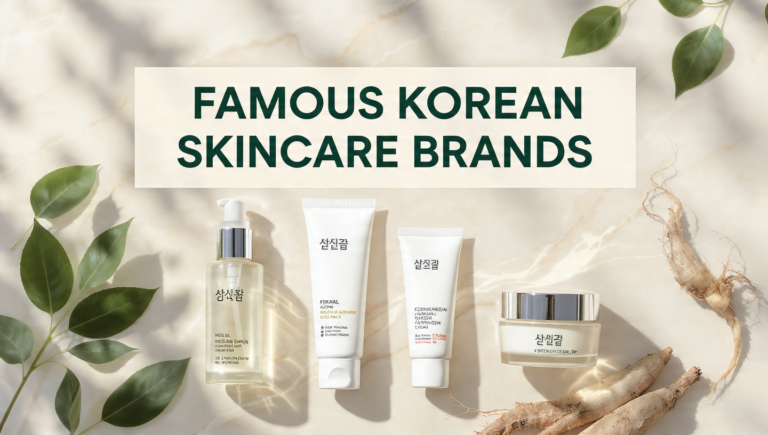
The cruelty-free Korean skincare brands with verified certification in 2026 include COSRX, Beauty of Joseon, Purito, Dear Klairs, Pyunkang Yul, Isntree, Benton, Iunik, Rovectin, and the SoonJung line from Etude House. Each of these brands appears in either the Leaping Bunny Compassionate Shopping Guide or PETA’s Beauty Without Bunnies database, and each maintains a policy of not selling in markets that require animal testing for their product categories.
This list reflects verified certification status as of early 2026, but certification can change when brands enter new markets or alter their supply chain relationships. COSRX and Dear Klairs hold Leaping Bunny certification, which carries the strongest verification standard. Pyunkang Yul, Isntree, Benton, Iunik, and Rovectin are listed in PETA’s Beauty Without Bunnies database. Beauty of Joseon and Purito hold Cruelty Free International certification through the Leaping Bunny standard.
The quality of these brands varies by product category, and cruelty-free status does not automatically mean a formulation will suit your skin. COSRX has built its reputation on fragrance-free, ingredient-focused formulations like the Advanced Snail 96 Mucin Power Essence, which contains 96% snail secretion filtrate. Beauty of Joseon emphasizes traditional Korean herbal ingredients, particularly ginseng and rice bran, in elegant textures. Purito focuses on fragrance-free, essential-oil-free formulations designed for sensitive skin, which distinguishes it from some of its competitors.
Pyunkang Yul derives from a Korean Oriental medicine clinic and emphasizes minimal ingredient lists with a focus on astragalus root extract. Isntree combines hyaluronic acid with natural plant extracts in formulations that avoid synthetic fragrance. Benton positions itself as a clean, vegan-friendly brand with minimal preservative systems. Iunik emphasizes high concentrations of centella asiatica extract and propolis. Rovectin focuses on barrier repair formulations with a core ingredient of panthenol.
The price points across these brands remain accessible by Western skincare standards. Most products fall between $12 and $28, placing cruelty-free Korean skincare firmly in the drugstore-to-mid-range tier. This accessibility distinguishes K-beauty from many Western cruelty-free brands that position themselves in the prestige or luxury category at $60 or more per product.
| Brand | Certification | Signature Ingredient | Best For |
|---|---|---|---|
| COSRX | Leaping Bunny | Snail secretion filtrate | Hydration, gentle exfoliation |
| Beauty of Joseon | Cruelty Free International | Panax ginseng root extract | Anti-aging, antioxidant support |
| Purito | Cruelty Free International | Centella asiatica extract | Sensitive skin, barrier repair |
| Dear Klairs | Leaping Bunny | Sodium hyaluronate | Gentle hydration, sensitive skin |
| Pyunkang Yul | PETA | Astragalus root extract | Minimalist, reactive skin |
| Isntree | PETA | Hyaluronic acid | Hydration, all skin types |
| Benton | PETA | Snail secretion filtrate | Vegan-friendly hydration |
| Iunik | PETA | Centella asiatica, propolis | Soothing, antimicrobial care |
| Rovectin | PETA | Panthenol | Barrier repair, compromised skin |
Key Takeaway: Ten major Korean skincare brands maintain verified cruelty-free certification in 2026, and Purito plus Dear Klairs are the strongest choices if you have sensitive or reactive skin due to their fragrance-free, essential-oil-free formulation philosophies.
Is COSRX Cruelty Free
COSRX is cruelty free and holds Leaping Bunny certification, which verifies that neither the brand nor its ingredient suppliers or contract manufacturers conduct or commission animal testing at any stage of product development. This certification also confirms that COSRX has a fixed cut-off date policy and does not sell in markets that require mandatory animal testing for its product categories.
The brand’s cruelty-free status has remained consistent since it first gained certification, and COSRX does not sell in mainland China through official distribution channels. This matters because it removes the primary regulatory pressure that has historically forced Korean brands into animal testing arrangements. COSRX products are manufactured in South Korea, where the 2018 domestic ban on cosmetic animal testing applies, and the brand sources ingredients from suppliers that have signed no-animal-testing agreements.
Ingredient quality distinguishes COSRX from many cruelty-free competitors. The brand’s most famous product, the Advanced Snail 96 Mucin Power Essence, contains 96% snail secretion filtrate with only a handful of supporting ingredients, including sodium hyaluronate and panthenol. The brand avoids synthetic fragrance across most of its product line, and its formulations generally steer clear of essential oil blends that create irritation risk for sensitive skin.
According to clinical data published in the Journal of Cosmetic Dermatology, snail secretion filtrate demonstrates measurable hydrating and wound healing effects in human trials, with particular benefits for barrier function and post-procedure recovery. The 96% concentration in COSRX’s essence represents the highest commercially available concentration among mainstream K-beauty brands, and the simple formulation reduces the variable interactions that can complicate more complex products.
Who should be cautious with COSRX products? People with known mollusk or snail allergies should conduct a patch test before using any snail mucin formulation, since allergic cross-reactivity remains a theoretical concern. Additionally, the brand’s AHA/BHA products, including the COSRX AHA 7 Whitehead Power Liquid and BHA Blackhead Power Liquid, contain active acids that require gradual introduction and consistent sunscreen use, particularly for Fitzpatrick skin types IV through VI where post-inflammatory hyperpigmentation risk is elevated.
| Product Category | Signature Product | Key Ingredient | Skin Type Suitability |
|---|---|---|---|
| Essence | Advanced Snail 96 Mucin Power Essence | 96% snail secretion filtrate | All skin types, especially dry or dehydrated |
| Exfoliant | BHA Blackhead Power Liquid | 4% betaine salicylate | Oily, acne-prone skin |
| Exfoliant | AHA 7 Whitehead Power Liquid | 7% glycolic acid | Dull, uneven skin texture |
| Moisturizer | Advanced Snail 92 All in One Cream | 92% snail secretion filtrate | Dry, dehydrated, or barrier-compromised skin |
Is Beauty of Joseon Cruelty Free
Beauty of Joseon is cruelty free and holds certification through Cruelty Free International under the Leaping Bunny standard, confirming that the brand does not test on animals at any point in its supply chain and does not sell in markets that require mandatory animal testing. The brand’s certification covers both final products and individual ingredients, extending to contract manufacturers and raw material suppliers.
The brand has maintained this certification consistently while expanding its product range significantly over the last several years. Beauty of Joseon’s growth has been notable precisely because the brand has refused to enter the Chinese mainland market, where animal testing requirements historically applied. This decision has limited the brand’s distribution reach but preserved the integrity of its cruelty-free positioning, and the brand’s continued certification reflects that commitment.
Beauty of Joseon’s formulation philosophy draws on traditional Korean herbal medicine, with Panax ginseng root extract as the brand’s signature ingredient. The brand’s most recognizable product, the Dynasty Cream, combines ginseng root extract with rice bran water and niacinamide in a texture designed for normal to dry skin. The Relief Sun sunscreen has gained particular traction internationally, offering SPF 50+ PA++++ protection without the white cast that affects many mineral formulations, though it uses chemical UV filters rather than zinc oxide or titanium dioxide.
The clinical evidence for Panax ginseng root extract in topical skincare remains promising but less extensive than the evidence for ingredients like niacinamide or retinol. A 2021 review published in the Journal of Ginseng Research noted that ginsenosides Rb1 and Rg1 demonstrate antioxidant and collagen synthesis activity in human skin cell models, with preliminary human trials showing improvements in wrinkle depth and skin elasticity. The evidence base is growing but should be understood as emerging rather than established at the level of prescription-grade dermatology.
Who should approach Beauty of Joseon with caution? People with fungal acne or malassezia folliculitis should review ingredient lists carefully, since several of the brand’s formulations include oils and fatty acids that can trigger fungal acne flares. Pregnant women should note that the brand’s popular Relief Sun sunscreen uses chemical UV filters, which some obstetricians advise minimizing during pregnancy in favor of zinc oxide or titanium dioxide formulations.
| Product | Key Ingredients | Clinical Evidence Level | Best For |
|---|---|---|---|
| Dynasty Cream | Panax ginseng root extract, rice bran water, niacinamide | Preliminary human trials for ginseng; established for niacinamide | Normal to dry skin |
| Relief Sun SPF 50+ | Chemical UV filters, rice extract | Established UV protection data | All skin types, daily use |
| Ginseng Essence Water | Panax ginseng root extract, niacinamide | Preliminary for ginseng; established for niacinamide | Hydration, antioxidant support |
| Revive Eye Serum | Panax ginseng root extract, retinal | Emerging for ginseng; established for retinal | Fine lines, periorbital area |
Key Takeaway: Beauty of Joseon’s cruelty-free certification is independently verified, and its ginseng-based formulations show genuine promise, but the clinical evidence for ginseng remains less established than for ingredients like niacinamide or retinal.
Is Purito Cruelty Free
Purito is cruelty free and holds Cruelty Free International certification under the Leaping Bunny standard, confirming that the brand and its ingredient suppliers do not conduct animal testing and that Purito does not sell in markets requiring mandatory animal testing. This certification is particularly meaningful for Purito because the brand has positioned itself specifically for sensitive skin consumers who need verification of both ethical standards and ingredient safety.
Purito’s formulation philosophy centers on avoiding fragrance, essential oils, denatured alcohol, and other common irritants that frequently appear in Korean skincare. The brand’s best-known products, including the Centella Unscented Serum and the Centella Green Level Recovery Cream, maintain deliberately simple ingredient lists built around centella asiatica extract, niacinamide, and ceramide NP. This restraint distinguishes Purito from many K-beauty brands that formulate with botanical fragrance blends that can create irritation risk for reactive skin.
The clinical evidence for Purito’s hero ingredient, centella asiatica extract, is comparatively strong by skincare ingredient standards. According to a 2017 study published in the Journal of Ethnopharmacology, the centella compounds madecassoside and asiaticoside demonstrate measurable anti-inflammatory activity in human skin models, with specific benefits for reducing redness and supporting barrier repair. A separate review in the International Journal of Cosmetic Science found that centella asiatica extract promotes fibroblast proliferation and collagen synthesis in vitro, which supports its use in barrier repair and anti-aging formulations.
Purito’s sunscreen controversy in 2021 deserves honest acknowledgment. The brand’s Centella Green Level Unscented Sun was found to have an actual SPF significantly lower than the SPF 50+ claimed on its label, and independent testing showed measured protection closer to SPF 19. Purito recalled the product and reformulated subsequent sunscreens. The brand’s current sun protection products have undergone independent verification, but the incident serves as a reminder that cruelty-free certification addresses animal testing, not efficacy claims or quality control.
Who benefits most from Purito’s product range? People with sensitive, reactive, or redness-prone skin who need fragrance-free formulations will find the brand’s approach particularly useful. The brand’s centella-based products are well-suited to Fitzpatrick skin types IV through VI where post-inflammatory hyperpigmentation risk makes anti-inflammatory ingredients a priority.
| Product | Hero Ingredient | Concentration | Best For |
|---|---|---|---|
| Centella Unscented Serum | Centella asiatica extract | 49% | Sensitive, reactive skin |
| Centella Green Level Recovery Cream | Centella asiatica extract, ceramide NP | 50% centella | Barrier repair |
| B5 Panthenol Re-barrier Cream | Panthenol | 10% | Compromised barrier, dryness |
| Daily Soft Touch Sunscreen SPF 50+ | Chemical UV filters | Standard SPF concentration | Daily protection, sensitive skin |
Is Klairs Cruelty Free
Dear Klairs is cruelty free and holds Leaping Bunny certification, which verifies that the brand, its ingredient suppliers, and its contract manufacturers do not conduct or commission animal testing. Dear Klairs has also maintained a public position against selling in mainland China, preserving its cruelty-free status without the regulatory complications that market entry would introduce.
The brand’s founder created Dear Klairs specifically to serve sensitive skin, and the product line reflects that commitment through a near-total absence of synthetic fragrance, essential oils, and denatured alcohol. Dear Klairs products are formulated with a minimalist approach centered on sodium hyaluronate, panthenol, and soothing botanical extracts like centella asiatica, but the brand avoids the aggressive botanical blends that characterize some K-beauty lines.
Dear Klairs’ Supple Preparation Unscented Toner remains one of the most widely recommended toners for sensitive skin in the K-beauty category. The formulation pairs sodium hyaluronate with beta-glucan and licorice root extract for hydration and redness reduction, without the lavender oil or citrus peel oil that appear in the original scented version. This reformulation, driven by consumer feedback about irritation risk, demonstrates a responsiveness to sensitive skin needs that not all brands share.
The clinical evidence supporting Dear Klairs’ ingredient choices is mixed but generally positive. Sodium hyaluronate has well-established hydrating effects with decades of human clinical trial data. Beta-glucan demonstrates barrier-supporting and immune-modulating properties in human studies, with a 2018 study published in the Journal of Cosmetic Dermatology showing improved skin hydration and reduced transepidermal water loss with topical application. Licorice root extract has preliminary evidence for reducing pigmentation through tyrosinase inhibition, though the effect is modest compared to prescription hydroquinone or tretinoin.
Who should be cautious with Dear Klairs products? People with extremely reactive skin should note that even unscented formulations can contain preservatives like phenoxyethanol, which triggers contact dermatitis in a small subset of individuals. The brand’s Midnight Blue Calming Cream contains guaiazulene, a botanical-derived compound that provides blue color and mild anti-inflammatory action, but it can cause irritation in rare cases.
| Product | Key Ingredients | Primary Function | Skin Type Fit |
|---|---|---|---|
| Supple Preparation Unscented Toner | Sodium hyaluronate, beta-glucan, licorice root extract | Hydration, soothing | All skin types, especially sensitive |
| Rich Moist Soothing Cream | Sodium hyaluronate, ceramide NP, panthenol | Moisture barrier support | Dry, dehydrated, or reactive skin |
| Midnight Blue Calming Cream | Guaiazulene, centella asiatica extract | Redness reduction, soothing | Redness-prone, post-procedure skin |
| Freshly Juiced Vitamin Drop | 5% ascorbic acid | Antioxidant, brightening | Normal to oily skin, vitamin C beginners |
Key Takeaway: Dear Klairs combines independently verified cruelty-free certification with a fragrance-free, essential-oil-free formulation philosophy, making it one of the safest cruelty-free K-beauty starting points for sensitive skin.
Centella Asiatica in Korean Skincare
Centella asiatica extract is a botanical active derived from the gotu kola plant that functions as an anti-inflammatory, wound-healing, and barrier-repair ingredient, and it is the most heavily researched botanical in cruelty-free Korean skincare. The active compounds in centella, particularly madecassoside, asiaticoside, asiatic acid, and madecassic acid, are triterpene saponins that demonstrate measurable effects on skin inflammation and collagen production in human clinical studies.
The mechanism of action for centella’s skin benefits operates through multiple pathways. Madecassoside and asiaticoside reduce pro-inflammatory cytokines like interleukin-1 and tumor necrosis factor-alpha in keratinocyte cell models, which translates to reduced visible redness and irritation in human skin. According to a 2017 study published in the Journal of Ethnopharmacology, centella asiatica extract stimulated type I collagen synthesis in human dermal fibroblasts by activating the Smad signaling pathway, a mechanism that overlaps with how prescription retinoids support collagen production without the same irritation profile.
The barrier-repair evidence for centella is particularly relevant for cruelty-free Korean skincare consumers. A 2019 clinical trial published in the Journal of Cosmetic Dermatology found that a formulation containing 0.1% madecassoside significantly improved skin barrier function in subjects with compromised barriers, as measured by reduced transepidermal water loss and increased stratum corneum hydration. These findings support centella’s use in products designed for sensitive, reactive, or post-procedure skin.
The concentration question matters more than most consumers realize. Centella asiatica extract appears in Korean skincare products at concentrations ranging from 0.1% to 50% or higher, but the clinical evidence for specific benefits comes from studies using standardized extracts at known active compound concentrations. Madecassoside at 0.1% to 0.5% demonstrates barrier-repair effects, while total centella extract at 5% or higher shows anti-inflammatory activity in human studies. A product listing “centella asiatica extract” without specifying the percentage or standardized active content may contain too little of the active compounds to deliver the researched effects.
Individual variation applies to centella as it does to any botanical active. While the ingredient is generally well-tolerated across skin types, rare cases of contact dermatitis to centella have been documented in the dermatological literature. People with known allergies to plants in the Apiaceae family, which includes carrots and celery, should patch test centella products before applying them to the full face.
| Centella Compound | Concentration Range | Primary Function | Evidence Strength |
|---|---|---|---|
| Madecassoside | 0.1% to 0.5% | Barrier repair, redness reduction | Multiple human clinical trials |
| Asiaticoside | 0.1% to 0.5% | Wound healing, collagen support | Human trials plus in vitro data |
| Asiatic acid | 0.05% to 0.3% | Anti-inflammatory | Preliminary human data |
| Madecassic acid | 0.05% to 0.3% | Anti-inflammatory | Preliminary human data |
| Total centella extract | 5% to 50% | Broad soothing, hydration | Clinical observation, human trials at higher concentrations |
Snail Mucin in Korean Skincare
Snail mucin, listed on ingredient labels as snail secretion filtrate, is a hydrating and mildly wound-healing ingredient composed of mucopolysaccharides, glycoproteins, glycolic acid, and allantoin, and it has become one of the most recognizable components of cruelty-free Korean skincare. The ingredient is collected from snails without killing the animals, typically through mechanical stimulation that prompts secretion, which allows it to maintain cruelty-free status despite being an animal-derived ingredient.
The hydration mechanism for snail mucin operates primarily through surface film formation rather than deep skin penetration. The mucopolysaccharides in snail secretion filtrate have high molecular weights that keep them in the upper layers of the stratum corneum, where they bind water and reduce transepidermal water loss. This makes snail mucin function more like a humectant and occlusive hybrid than a penetrating active, which explains why it delivers immediate smoothing and softening effects without the delayed results typical of ingredients that work at the dermal level.
According to clinical research published in the Journal of Cosmetic Dermatology, snail secretion filtrate demonstrates measurable benefits for skin hydration and barrier function in human trials. A 2019 study involving human volunteers found that topical application of snail mucin formulations improved skin moisture levels and reduced visible fine lines over an eight-week period, though the study was small and industry-affiliated. The glycolic acid content in snail mucin is naturally low, approximately 2% to 4%, which is below the concentration typically used for meaningful exfoliation, so the ingredient should not be treated as an AHA product.
The ethical distinction between cruelty-free and vegan matters intensely for snail mucin. Snails are not killed during collection, and the process does not cause the level of harm associated with animal testing, but the ingredient is unambiguously animal-derived. Vegan consumers should look for alternatives like beta-glucan, which provides similar hydrating and barrier-supporting effects from oats or mushrooms with growing human clinical evidence.
Who should avoid snail mucin? People with known mollusk or snail allergies should not use these products without consulting a board-certified allergist for patch testing. The theoretical risk of cross-reactivity with shellfish allergens exists because both contain tropomyosin proteins, though documented cases of topical snail mucin allergy remain rare. People with compromised skin barriers should introduce snail mucin products gradually, as with any new ingredient.
| Snail Mucin Product Type | Typical Concentration | Primary Benefit | Evidence Quality |
|---|---|---|---|
| Essence | 90% to 96% | Hydration, smoothing | Human trials, small sample sizes |
| Cream | 70% to 92% | Moisture barrier support | Clinical observation, human trials |
| Sheet mask | 10% to 50% | Temporary plumping | Short-term human data |
| All-in-one treatments | 70% to 96% | Multi-function hydration | Brand-conducted studies |
Key Takeaway: Snail mucin delivers genuine hydration benefits through surface film formation and mild barrier support, but it remains an animal-derived ingredient that vegan consumers should replace with beta-glucan from oats or mushrooms.
Propolis and Ginseng in Korean Skincare
Propolis extract and Panax ginseng root extract are two botanically derived actives that appear frequently in cruelty-free Korean skincare, with propolis functioning as an antimicrobial and anti-inflammatory agent and ginseng acting as an antioxidant and collagen synthesis supporter. Both ingredients have clinical evidence behind them, but the strength and specificity of that evidence vary considerably between the two.
Propolis extract is a resinous substance collected by bees from tree buds and botanical sources, and its skin benefits derive from flavonoid compounds including caffeic acid phenethyl ester, chrysin, and galangin. According to a 2020 study published in the Journal of Cosmetic Dermatology, topical propolis formulations demonstrated antimicrobial activity against Cutibacterium acnes, the bacteria associated with inflammatory acne, alongside measurable anti-inflammatory effects in human skin models. The evidence for propolis in acne treatment is promising but less established than the data for benzoyl peroxide or salicylic acid.
The sensitization risk with propolis requires careful consideration. Propolis is a known contact allergen, particularly for people with bee product allergies or pollen sensitivities. A patch test is non-negotiable before introducing propolis products to your routine, and people with known bee sting allergies should consult a board-certified allergist before using propolis-containing skincare at all. The concentration of propolis in Korean skincare products typically ranges from 1% to 10%, with higher concentrations carrying proportionally higher sensitization risk.
Panax ginseng root extract operates through different mechanisms. The active ginsenosides, particularly Rb1 and Rg1, demonstrate antioxidant activity and stimulate collagen type I synthesis in human dermal fibroblasts according to a 2021 review published in the Journal of Ginseng Research. A human clinical trial involving a ginseng-containing cream showed improvements in wrinkle depth and skin elasticity over 12 weeks, though the study sample was modest. The evidence for ginseng remains preliminary compared to retinoids or vitamin C, but the ingredient’s tolerability profile is notably gentler.
The combination of propolis and ginseng in Korean skincare products often appears in ampoules and serums positioned for anti-aging or blemish-prone skin. The pairing makes chemical sense: propolis addresses surface-level bacterial concerns while ginseng supports longer-term collagen remodeling. However, the two ingredients have different evidence maturity levels, and consumers should understand that ginseng’s collagen claims rest on emerging data rather than the established clinical foundation that supports niacinamide or retinol.
| Ingredient | Active Compounds | Primary Mechanisms | Evidence Strength | Cautions |
|---|---|---|---|---|
| Propolis extract | Caffeic acid phenethyl ester, chrysin, galangin | Antimicrobial, anti-inflammatory, antioxidant | Human trials for acne, wound healing | Bee allergy risk, contact dermatitis |
| Panax ginseng root extract | Ginsenosides Rb1, Rg1, Rg3, compound K | Antioxidant, collagen synthesis support, microcirculation | Preliminary human trials, strong in vitro | Generally well-tolerated |
Cruelty Free Korean Skincare for Sensitive Skin
Cruelty free Korean skincare for sensitive skin requires prioritizing fragrance-free, essential-oil-free, and alcohol-free formulations from brands like Purito, Dear Klairs, and Pyunkang Yul, while avoiding products with high concentrations of botanical extracts that carry sensitization risk. The core principle is ingredient restraint: the fewer potential irritants in a formulation, the lower the probability of triggering a reaction in skin with a compromised barrier or hyperreactive immune response.
Sensitive skin is a clinical descriptor rather than a single diagnosis, and it typically manifests as stinging, burning, redness, or visible irritation in response to products that most people tolerate without issue. According to the American Academy of Dermatology, people with sensitive skin often have impaired stratum corneum function, which allows irritants to penetrate more easily and trigger inflammatory responses in the underlying tissue. This mechanistic understanding explains why fragrance and essential oils create disproportionate problems for sensitive skin: these compounds penetrate compromised barriers more readily and activate inflammatory pathways.
The ingredient priorities for sensitive skin in cruelty-free Korean skincare are specific and evidence-backed. Centella asiatica extract at concentrations of 5% or higher provides anti-inflammatory activity that directly addresses redness and irritation. Panthenol at 2% to 5% supports barrier repair by converting to provitamin B5 in the skin and attracting water to the stratum corneum. Ceramide NP at 0.1% to 1% restores the lipid mortar between skin cells that sensitive skin often lacks. Sodium hyaluronate at 0.1% to 1% provides weightless hydration without the heavy occlusives that can trap heat and irritants against reactive skin.
What you avoid matters as much as what you include. Synthetic fragrance, even at low concentrations, is the most common cause of cosmetic contact dermatitis according to dermatological consensus. Essential oils like lavender oil, citrus peel oil, and tea tree oil contain volatile compounds that can trigger irritation in sensitive skin even when used at low percentages. Denatured alcohol, often included in K-beauty toners for a fast-drying finish, disrupts the skin barrier with repeated use. Products that combine multiple botanical extracts increase the probability that one of those extracts will trigger a reaction.
| Ingredient to Include | Concentration | Function for Sensitive Skin |
|---|---|---|
| Centella asiatica extract | 5% to 50% | Redness reduction, anti-inflammatory |
| Panthenol | 2% to 5% | Barrier repair, hydration |
| Ceramide NP | 0.1% to 1% | Lipid barrier restoration |
| Sodium hyaluronate | 0.1% to 1% | Weightless hydration |
| Beta-glucan | 0.1% to 1% | Soothing, barrier support |
Key Takeaway: For sensitive skin, choose cruelty-free Korean skincare products from Purito, Dear Klairs, or Pyunkang Yul that are explicitly fragrance-free and essential-oil-free, and prioritize formulations with centella asiatica, panthenol, and ceramide NP.
Cruelty Free Korean Skincare for Acne
Cruelty free Korean skincare for acne-prone skin works best when built around non-comedogenic formulations that combine salicylic acid, centella asiatica extract, and niacinamide, with COSRX and Benton offering the strongest cruelty-free product options in this category. The goal is to address inflammatory and non-inflammatory acne lesions while preserving the skin barrier, since barrier damage from aggressive acne treatments creates a cycle of irritation that worsens breakouts.
Salicylic acid, listed on ingredient labels as salicylic acid or in its Korean formulation variant betaine salicylate, is the most evidence-backed acne treatment available in cruelty-free Korean skincare. According to the American Academy of Dermatology, salicylic acid at concentrations of 0.5% to 2% unclogs pores by dissolving the bonds between dead skin cells in the follicle, reducing both open and closed comedones. COSRX’s BHA Blackhead Power Liquid uses 4% betaine salicylate, which converts to salicylic acid on contact with skin and provides a gentler delivery than direct salicylic acid formulations.
Niacinamide at concentrations of 2% to 5% provides anti-inflammatory benefits for acne-prone skin and reduces sebum production without the irritation associated with retinoids or benzoyl peroxide. A 2006 study published in the Journal of Cosmetic Dermatology found that a 2% niacinamide formulation significantly reduced sebum excretion rates over four weeks in human volunteers. This makes niacinamide particularly useful for people whose acne is driven by oil production, and it pairs well with salicylic acid without the compatibility concerns that affect some active combinations.
The centella asiatica connection matters for acne because inflammation drives post-inflammatory hyperpigmentation, particularly in Fitzpatrick skin types IV through VI. When an acne lesion resolves, the inflammatory cascade can leave behind dark marks that persist for months. Centella’s anti-inflammatory activity reduces this risk by calming the inflammatory response while the lesion is active. Purito’s Centella Unscented Serum at 49% concentration provides this benefit in a cruelty-free, fragrance-free formulation.
What should acne-prone skin avoid in cruelty-free Korean skincare? Heavy occlusives like petrolatum, mineral oil, or high concentrations of shea butter can trap sebum and bacteria in follicles, worsening comedonal acne. Products with high concentrations of fatty acids and oils, including coconut oil and olive oil derivatives, can be comedogenic for some skin types. The comedogenic rating system has limitations and individual variation is real, but the general principle holds: acne-prone skin benefits from lightweight, water-based formulations over oil-heavy creams.
| Acne Product Type | Active Ingredient | Concentration | Function |
|---|---|---|---|
| BHA exfoliant | Salicylic acid or betaine salicylate | 0.5% to 4% | Unclogs pores, reduces comedones |
| Serum | Niacinamide | 2% to 5% | Sebum reduction, anti-inflammatory |
| Soothing treatment | Centella asiatica extract | 5% to 50% | Redness reduction, PIH prevention |
| Lightweight moisturizer | Sodium hyaluronate, panthenol | 0.1% to 2% | Hydration without occlusion |
Cruelty Free Korean Skincare for Rosacea
Cruelty free Korean skincare for rosacea requires a minimalist approach built around barrier repair, anti-inflammatory ingredients, and strict avoidance of known rosacea triggers like fragrance, denatured alcohol, and high concentrations of botanical exfoliants. The brands best suited to rosacea-prone skin are Purito, Dear Klairs, and Pyunkang Yul, all of which maintain verified cruelty-free certification and fragrance-free formulation philosophies.
Rosacea is a chronic inflammatory skin condition characterized by persistent facial redness, visible blood vessels, and often papules and pustules that resemble acne but require different treatment. According to the American Academy of Dermatology, rosacea skin typically has a compromised barrier, elevated inflammatory markers, and heightened sensitivity to environmental triggers including heat, sun exposure, and topical irritants. This pathophysiology means that rosacea skincare must prioritize calming the inflammatory response rather than aggressive exfoliation or active treatment.
The role of centella asiatica in rosacea management is supported by its anti-inflammatory mechanism. Madecassoside and asiaticoside reduce pro-inflammatory cytokine production in skin cells, which addresses one of the core pathological processes in rosacea. A 2020 study published in the Journal of Cosmetic Dermatology found that topical centella formulations reduced visible redness in human subjects with sensitive and redness-prone skin over an eight-week period. The evidence is not at the level of prescription therapies like ivermectin or azelaic acid, but centella offers a tolerable adjunctive treatment for redness.
What must rosacea-prone skin avoid in cruelty-free Korean skincare? Fragrance in any form is the highest-risk category, since fragrance compounds are established rosacea triggers according to dermatological consensus. Essential oils present an elevated concern because compounds like linalool, limonene, and citronellol in lavender, citrus, and tea tree oils can trigger flushing and burning. Physical exfoliants, including the sugar scrubs and peeling gels common in K-beauty, create micro-tears in already-compromised rosacea skin and should be avoided entirely. High-strength ascorbic acid formulations can trigger stinging and redness in rosacea-prone skin.
Niacinamide presents a nuanced picture for rosacea. At concentrations of 2% to 4%, niacinamide improves barrier function and reduces inflammation, with clinical evidence supporting its use in rosacea management. At higher concentrations, particularly 10%, some rosacea patients report stinging and flushing. The individual threshold varies, so rosacea-prone skin should start with a 2% to 4% niacinamide product and monitor for reactions before considering higher concentrations.
| Ingredient | Safe for Rosacea | Concentration | Mechanism |
|---|---|---|---|
| Centella asiatica extract | Yes | 5% to 50% | Anti-inflammatory, barrier support |
| Niacinamide | Yes, with caution | 2% to 4% | Barrier repair, inflammation reduction |
| Panthenol | Yes | 2% to 5% | Barrier repair, hydration |
| Azelaic acid | Yes, prescription or OTC | 10% to 15% | Anti-inflammatory, reduces papules |
| Fragrance | No | Any | Trigger for flushing and irritation |
| Essential oils | No | Any | Established rosacea trigger |
Key Takeaway: Rosacea-prone skin needs the gentlest cruelty-free Korean formulations available, centered on centella asiatica and low-concentration niacinamide, with zero tolerance for fragrance, essential oils, or physical exfoliants.
How to Build a Cruelty Free Korean Skincare Routine
You can build a cruelty-free Korean skincare routine by following a sequence of five core steps in the correct order, selecting fragrance-free products from verified cruelty-free brands, and introducing new actives one at a time with at least two weeks between additions. The order of application follows a simple principle: products go from thinnest, most water-based consistency to thickest, most oil-based consistency.
Morning Routine:
- Cleanse with a gentle, low-pH water-based cleanser or simply rinse with lukewarm water if your skin is dry or sensitive
- Apply a hydrating toner, ideally fragrance-free, to damp skin to support ingredient absorption
- Layer a treatment serum or essence containing centella asiatica, snail mucin, or niacinamide based on your skin concern
- Apply a lightweight moisturizer with ceramide NP or panthenol to seal in hydration
- Finish with broad-spectrum SPF 30 or higher sunscreen, which is non-negotiable for skin health and essential for preventing post-inflammatory hyperpigmentation
Evening Routine:
- Double cleanse if you wear sunscreen or makeup, starting with an oil-based cleanser followed by a water-based cleanser
- Apply your hydrating toner to damp skin
- Introduce active treatments three to four nights per week, alternating between BHA if you have congestion and centella or niacinamide on recovery nights
- Apply a slightly richer moisturizer than your morning product to support overnight barrier repair
- Consider a thin layer of a ceramide cream as your final step if your barrier needs intensive support
The introduction protocol for new actives is where most skincare mistakes occur. According to the American Academy of Dermatology, new active ingredients should be introduced one at a time, with a patch test on the inner forearm for 48 hours followed by application to a small facial area for three to five days before full-face use. This protocol catches allergic reactions and irritation before they affect your entire face.
Individual variation in routine building matters enormously. Oily skin may skip the morning cleanse and reduce moisturizer richness, while dry skin may need a morning cleanse and a heavier evening cream. People using prescription tretinoin should avoid adding BHA or AHA products without discussing the combination with the prescribing board-certified dermatologist, since combining retinoids with exfoliating acids increases irritation risk significantly.
| Routine Step | Product Type | Frequency | Key Ingredient Priority |
|---|---|---|---|
| Cleansing | Low-pH water-based cleanser | AM and PM (or PM only) | Gentle surfactants, no fragrance |
| Toning | Hydrating toner | AM and PM | Sodium hyaluronate, panthenol |
| Treatment | Serum, essence, or ampoule | AM and PM, alternate actives | Centella, snail mucin, niacinamide |
| Moisturizing | Lightweight lotion or cream | AM and PM | Ceramide NP, panthenol, squalane |
| Sun protection | Broad-spectrum SPF | AM only, every day | SPF 30 or higher |
Budget Cruelty Free Korean Skincare Options
Budget cruelty free Korean skincare is accessible at nearly every price point, with effective products from COSRX, Purito, Pyunkang Yul, and Isntree available for under $25, and a complete basic routine achievable for under $80 total. The accessibility of cruelty-free K-beauty distinguishes it from many Western cruelty-free brands that position themselves in prestige pricing tiers.
The most affordable entry point is Pyunkang Yul, whose Essence Toner typically retails for under $16 and contains astragalus root extract with a minimalist supporting ingredient list. The brand’s Moisture Cream and Nutrition Cream fall in the $18 to $24 range, and because the formulations are deliberately simple, the per-use cost remains low. Pyunkang Yul’s commitment to minimal ingredient lists also reduces the number of products needed in a routine, which lowers overall cost.
COSRX offers the strongest budget option for treatment products. The Advanced Snail 96 Mucin Power Essence typically retails for $14 to $18 depending on retailer and frequently appears on sale. The BHA Blackhead Power Liquid and AHA 7 Whitehead Power Liquid fall in the $14 to $20 range. These products deliver high active ingredient concentrations at prices far below comparable Western formulations, which reflects both the competitive Korean skincare market and the brand’s efficient formulation approach.
Purito’s Centella Unscented Serum, at around $16 to $19, provides 49% centella asiatica extract in a fragrance-free formulation, making it one of the best-value soothing serums available in the cruelty-free category. Isntree’s Hyaluronic Acid Toner falls in the $15 to $20 range and provides multi-weight hyaluronic acid at a price point that undercuts comparable Western products significantly.
A complete budget cruelty-free Korean routine can be assembled for approximately $80. This includes a low-pH cleanser ($12 to $16), a hydrating toner ($15 to $18), a treatment serum ($16 to $19), a moisturizer ($16 to $20), and a broad-spectrum sunscreen ($14 to $18). The routine can be simplified further by combining steps: a hydrating toner with treatment actives reduces the need for a separate serum, and a moisturizer with SPF eliminates the separate sunscreen step, though dedicated sunscreen is preferable according to the American Academy of Dermatology.
| Budget Product | Approximate Price | Key Ingredient | Best For |
|---|---|---|---|
| Pyunkang Yul Essence Toner | $14 to $16 | Astragalus root extract | Minimalist hydration |
| COSRX Advanced Snail 96 Mucin Power Essence | $14 to $18 | 96% snail secretion filtrate | Hydration, smoothing |
| Purito Centella Unscented Serum | $16 to $19 | 49% centella asiatica extract | Soothing, sensitive skin |
| Isntree Hyaluronic Acid Toner | $15 to $20 | Multi-weight sodium hyaluronate | Deep hydration |
| COSRX BHA Blackhead Power Liquid | $14 to $18 | 4% betaine salicylate | Pore congestion, acne |
Key Takeaway: A complete cruelty-free Korean skincare routine can be built for under $80 by combining products from COSRX, Purito, Pyunkang Yul, and Isntree, with treatment products delivering active concentrations comparable to much more expensive Western formulations.
Ingredients to Avoid in Cruelty Free Korean Skincare
The ingredients to avoid in cruelty-free Korean skincare vary by skin type, but the universal list includes synthetic fragrance, high concentrations of denatured alcohol, and essential oils known to trigger irritation, while condition-specific avoidance lists differ for sensitive, acne-prone, and rosacea-prone skin. Cruelty-free certification addresses animal testing ethics, not ingredient safety, so consumers must evaluate formulation safety separately.
Synthetic fragrance is the highest-priority ingredient to avoid for all skin types, but especially sensitive and rosacea-prone skin. According to the American Academy of Dermatology, fragrance is the most common cause of cosmetic contact dermatitis in the United States, and fragrance compounds can trigger reactions even at concentrations below 1%. The term “fragrance” on an ingredient label can represent a blend of dozens of undisclosed compounds, making it impossible for consumers to identify specific sensitizers. For this reason, fragrance-free formulations from Purito, Dear Klairs, and Pyunkang Yul are the safest starting points.
Essential oils present a specific concern that many consumers underestimate because of their natural positioning. Lavender oil contains linalool, a documented contact allergen. Citrus peel oils contain limonene and citronellol, which are known sensitizers and photosensitizers. Tea tree oil, despite its popular reputation for acne treatment, is a documented contact allergen at concentrations above 5%. The natural origin of these ingredients does not reduce their irritation potential, and for people with rosacea or sensitive skin, essential oils are among the highest-risk ingredients in any skincare product.
Denatured alcohol appears in many K-beauty toners and sunscreens for its fast-drying, weightless finish, but repeated exposure damages the skin barrier. The American Academy of Dermatology advises that people with dry or sensitive skin avoid alcohol-based products because they increase transepidermal water loss and leave skin more vulnerable to irritation. Not all alcohols are problematic: fatty alcohols like cetyl alcohol and stearyl alcohol are non-irritating emollients that improve product texture safely.
For acne-prone skin, heavy occlusives and comedogenic oils present the avoidance priority. Petrolatum, mineral oil, and high concentrations of shea butter can trap sebum and bacteria in follicles, potentially worsening comedonal acne. Coconut oil is particularly problematic for some acne-prone skin due to its high lauric acid content and comedogenic potential. The individual response to these ingredients varies, and what triggers one person’s acne may be perfectly tolerable for another, but the precautionary principle applies when introducing heavy occlusives to acne-prone routines.
| Ingredient to Avoid | Why | Who Is Most at Risk | Alternative |
|---|---|---|---|
| Synthetic fragrance | Most common cause of cosmetic contact dermatitis | Sensitive skin, rosacea | Fragrance-free formulations |
| Lavender oil (linalool) | Documented contact allergen | Sensitive skin, compromised barrier | Centella asiatica for soothing |
| Citrus peel oils (limonene) | Sensitizer, photosensitizer | All skin types, especially rosacea | Niacinamide for brightening |
| Denatured alcohol | Barrier disruption, increased TEWL | Dry, sensitive skin | Fatty alcohols like cetyl alcohol |
| Tea tree oil | Contact allergen above 5% | Sensitive skin, acne-prone with barrier damage | Salicylic acid for acne |
| Heavy occlusives | May trap sebum in follicles | Acne-prone, oily skin | Lightweight emulsions, squalane |
Key Takeaway: Cruelty-free certification does not guarantee formulation safety, so you must independently evaluate ingredients, with fragrance, essential oils, and denatured alcohol as the highest-priority avoidance targets for sensitive and rosacea-prone skin.
Frequently Asked Questions About Cruelty Free Korean Skincare
What is the difference between cruelty-free and vegan Korean skincare?
Cruelty-free Korean skincare means no animal testing occurred at any point in the product’s development, including ingredient sourcing and final manufacturing. Vegan Korean skincare means the product contains no animal-derived ingredients like snail mucin, beeswax, honey, or lanolin. A product can be cruelty-free without being vegan, which is the case for many snail mucin formulations from cruelty-free brands like COSRX.
Is Korean skincare tested on animals in China?
Some Korean skincare brands that sell in mainland China may be subject to animal testing requirements, though China’s 2021 regulatory changes exempted most imported ordinary cosmetics from mandatory pre-market animal testing. Brands that prioritize cruelty-free certification, including all ten brands discussed in this article, do not sell in mainland China at all. Sunscreens and certain active formulations may still face testing requirements, so brand-by-brand verification remains necessary.
Which cruelty-free Korean skincare brand is best for beginners?
Purito is the best cruelty-free Korean skincare brand for beginners because its products are fragrance-free, essential-oil-free, and formulated specifically for sensitive and reactive skin. Dear Klairs offers a similarly gentle approach with a slightly wider product range. Starting with a low-irritation-risk brand reduces the probability of reaction while you learn how your skin responds to different product categories and ingredients.
Are cruelty-free Korean skincare products safe for sensitive skin?
Not all cruelty-free Korean skincare products are safe for sensitive skin, because cruelty-free certification addresses animal testing rather than formulation gentleness. Products from Purito, Dear Klairs, and Pyunkang Yul that are explicitly fragrance-free and essential-oil-free are the safest options for sensitive skin. Avoid products with synthetic fragrance, lavender oil, citrus peel oils, or denatured alcohol, regardless of cruelty-free status.
How do I know if a Korean skincare brand is actually cruelty-free?
You can verify a Korean skincare brand’s cruelty-free status by searching the Leaping Bunny Program’s Compassionate Shopping Guide or PETA’s Beauty Without Bunnies database online. These independent databases list brands that have met third-party verification standards for no animal testing across their supply chain. A brand’s own cruelty-free claim on its packaging or website is not sufficient verification without independent third-party confirmation.
What ingredients should I look for in cruelty-free Korean skincare?
The ingredients to prioritize in cruelty-free Korean skincare depend on your skin concern, but the evidence-backed standards include centella asiatica extract at 5% or higher for soothing, snail secretion filtrate at 90% or higher for hydration, niacinamide at 2% to 5% for oil control and barrier repair, and panthenol at 2% to 5% for barrier support. These ingredients have human clinical trial evidence supporting their efficacy, which distinguishes them from marketing-driven botanicals with weaker research foundations.
The distinction between a cruelty-free claim that means something and one that is marketing language comes down to independent verification. Check the Leaping Bunny database. Check PETA’s search tool. Then evaluate formulation safety separately, because ethical sourcing and skin compatibility are two different conversations.
Start with one fragrance-free product from Purito, Dear Klairs, or Pyunkang Yul that matches your primary skin concern, whether that is redness reduction, hydration, or barrier repair. Introduce it slowly with a patch test, and observe how your skin responds over two weeks before adding anything else to your routine.
You now have the verification tools, the brand knowledge, and the ingredient evidence to build a cruelty-free Korean skincare routine that is both ethically sound and dermatologically appropriate for your skin. Your skin and your standards can be on the same side of the decision.