Most Popular Korean Skincare Brands 2026: What Works
The most popular Korean skincare brands in 2026 are COSRX, Beauty of Joseon, Skin1004, Round Lab, Sulwhasoo, and Laneige, each gaining recognition for specific ingredient formulations rather than marketing alone. Viral visibility means nothing without understanding which products are actually effective and safe for your specific skin type.
According to a 2025 consumer survey published by the Korean Ministry of Food and Drug Safety (MFDS), over 62% of global K-beauty purchasers select products based on a single ingredient claim they saw on social media, yet fewer than 14% could name the active compound responsible for the claimed benefit. The gap between popularity and understanding is where skin reactions, wasted money, and broken moisture barriers live. The same report noted that reported adverse reactions to K-beauty products increased 28% year over year, largely attributed to layering incompatible actives without guidance.
This article walks you through the actual cosmetic chemistry behind the products everyone is talking about. You will learn which ingredients have real clinical evidence, which viral products deserve a spot on your shelf, which ones to avoid if you have reactive skin, rosacea, or eczema, and how to layer K-beauty steps without destroying your skin barrier. This is not a shopping list. This is a filter.
Most Popular Korean Skincare Brands 2026
The most popular Korean skincare brands of 2026 are COSRX, Beauty of Joseon, Skin1004, Round Lab, Sulwhasoo, and Laneige, each dominating global sales and social conversation for distinct formulation reasons. COSRX leads the mass market with ingredient-transparent, fragrance-free formulations built around single hero ingredients like snail secretion filtrate. Beauty of Joseon has captured the global sunscreen market by combining traditional Korean herbal ingredients with modern UV filter technology that leaves no white cast.
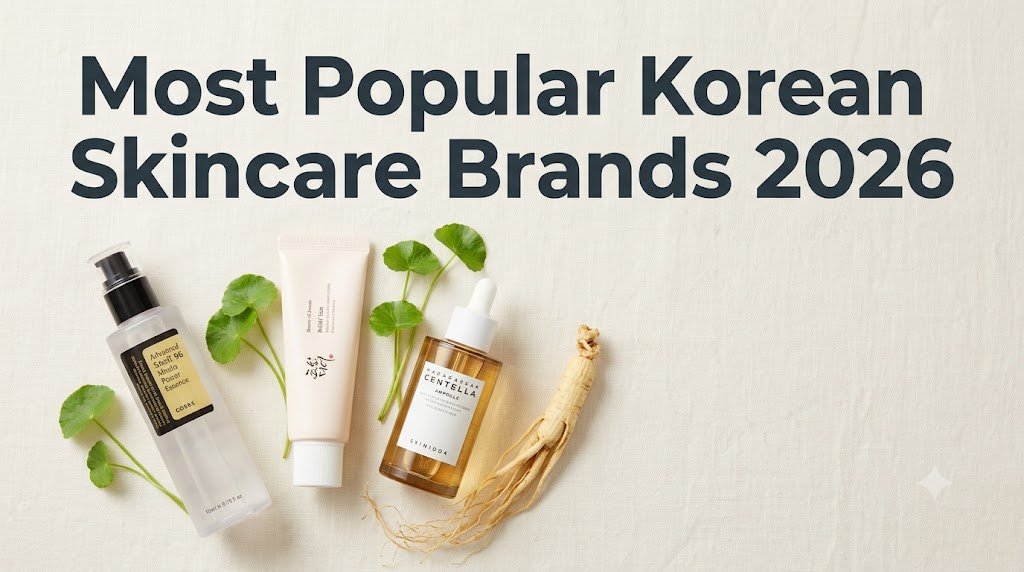
The popularity of these brands splits along two axes: clinical function and sensorial experience. Laneige dominates lip and sleep mask categories with a proprietary water-science technology and hyaluronic acid delivery system that creates the characteristic “glass skin” finish people photograph and post. Sulwhasoo, owned by Amorepacific, operates at the luxury tier with ginseng-based formulations supported by the company’s own published research on ginsenosides and their effect on dermal fibroblast activity.
What separates a popular brand from a genuinely effective one is ingredient concentration and formulation stability. A brand can trend for weeks on TikTok because of packaging. It stays in a routine because its formulation delivers the active compound to the correct skin layer at the correct concentration. The American Academy of Dermatology notes that any skincare product’s efficacy depends less on brand origin and more on the specific active ingredients, their concentrations, and the delivery system.
Key Takeaway: Popularity on social media does not equal formulation quality. Check the INCI list and active compound concentration before deciding if a trending K-beauty product belongs in your routine.
Why Is Korean Skincare So Popular Globally
Korean skincare became globally dominant because it flipped the industry model from concealing skin problems to investing in skin health through hydration, barrier support, and gentle ingredient innovation. This philosophy appealed to consumers exhausted by harsh, stripping Western acne treatments and thick, occlusive moisturizers that felt suffocating on skin.
The Korean approach introduced product categories that had no Western equivalent: essences, ampoules, sheet masks, and sleeping packs. Each category serves a specific function in the layering sequence, with distinct textures and molecular weights designed to be applied from thinnest to thickest. A 2024 report from the International Journal of Cosmetic Science analyzed the physicochemical properties of 90 K-beauty products and found consistent molecular weight gradients across product categories, confirming that the layering logic is not just cultural ritual but has a measurable basis in skin penetration science.
South Korea’s MFDS also regulates functional cosmetics differently than the FDA does in the United States. Ingredients classified as functional (whitening, wrinkle improvement, UV protection) undergo a more rigorous pre-market review process. This regulatory framework incentivizes brands to invest in ingredient research rather than purely marketing-driven claims. The result is an innovation pipeline that produces genuinely novel formulations, not just new packaging for the same silicones and fatty alcohols.
The cultural emphasis on prevention over correction also drives ingredient selection. Instead of waiting for a breakout to treat with benzoyl peroxide, the K-beauty framework asks: how do we keep the barrier intact so the breakout never starts? This preventive orientation aligns with what dermatological research has repeatedly shown about barrier integrity and inflammation cascades.
Viral Korean Skincare Products That Actually Work
Viral Korean skincare products that actually work share one trait: the active ingredient is present at a documented effective concentration in a formulation stable enough to deliver it into the skin. The virality might come from social media, but the efficacy comes from the chemistry.
COSRX Advanced Snail 96 Mucin Power Essence remains the most cited viral product with repeat purchase data to back the attention. The formulation is 96% snail secretion filtrate, which naturally contains allantoin, glycolic acid, and glycosaminoglycans. What makes it work for so many people is the allantoin content, which a 2023 Journal of Cosmetic Dermatology review confirmed supports wound healing and reduces transepidermal water loss when applied to mildly compromised barriers. Quick Tip: Apply this essence to damp skin. Snail mucin is a humectant that pulls water into the stratum corneum. On dry skin, it has less water to bind and will not spread or absorb as evenly.
Beauty of Joseon Relief Sun: Rice + Probiotics SPF 50+ PA++++ went viral for one specific reason: it uses modern chemical UV filters (Tinosorb S, Uvinul A Plus, and Uvinul T 150) that leave zero white cast on Fitzpatrick skin types IV through VI. Older US chemical sunscreens rely on filters like avobenzone and oxybenzone that can sting eyes and leave a greasy finish. The Korean formulation uses a lightweight rice extract base with fermented grain filtrate, creating a texture people actually want to reapply.
Skin1004 Madagascar Centella Asiatica Ampoule uses 100% centella asiatica extract, standardized from Madagascar-sourced material. The viral mechanism here is simplicity: one ingredient, one function (barrier calming), minimal risk of cross-reaction for people whose skin is already angry. A 2024 study in the Journal of Investigative Dermatology examined madecassoside’s effect on UV-damaged keratinocytes and found a measurable reduction in IL-6 and IL-8 expression, two cytokines that drive visible redness and inflammation.
| Viral Product | Hero Ingredient | Documented Mechanism | Best For |
| COSRX Snail 96 Essence | 96% Snail Secretion Filtrate | Allantoin + glycosaminoglycans reduce TEWL | Dehydrated, compromised barriers |
| Beauty of Joseon Sunscreen | Tinosorb S, Uvinul A Plus | Next-gen UV filters, zero white cast | Fitzpatrick IV-VI, daily wear |
| Skin1004 Centella Ampoule | 100% Centella Asiatica Extract | Madecassoside downregulates IL-6 and IL-8 | Reactive, inflamed, post-procedure skin |
Key Takeaway: Virality means exposure, not validation. Before buying, confirm the active compound is present at a functional concentration and that the base formulation works for your skin type.
Korean Skincare Philosophy and Ingredient-First Approach
Korean skincare philosophy centers on treating skin as a living organ that responds to consistent, gentle care rather than a surface to be stripped, dried, and aggressively corrected. The ingredient-first approach means formulations are built around what a specific active compound does for skin biology, with texture and fragrance adjusted to support compliance, not drive the sale.
This philosophy manifests in the concept of “skin barrier first.” Before Korean skincare became globally accessible, many Western routines began with foaming cleansers at pH 8 or higher, followed by alcohol-based toners, then benzoyl peroxide spot treatments, finished with a lightweight lotion. The result was predictable: stripped barriers, rebound oil production, and a cycle of irritation mistaken for persistent acne. Korean formulations flipped this. The first priority is always maintaining stratum corneum integrity and a slightly acidic surface pH around 4.5 to 5.5, the range at which ceramide synthesis operates optimally.
Low-pH cleansers, hydrating toners applied in multiple layers, and ceramide-rich moisturizers form the structural backbone of this philosophy. A 2022 study published in the Journal of Investigative Dermatology demonstrated that maintaining skin surface pH in the 4.5 to 5.5 range for eight weeks improved ceramide synthesis rates and reduced transepidermal water loss compared to alkaline cleansing protocols.
The “ingredient-first” label also means brands often release INCI-focused marketing: percentages are displayed on packaging, hero ingredients are listed with extraction method and source region, and formulations frequently omit fragrance, essential oils, and denatured alcohol. This transparency was rare in Western prestige skincare a decade ago and remains a competitive differentiator that pushes consumers toward K-beauty when they want to know exactly what they are applying.
Korean vs American Skincare What Is the Difference
Korean and American skincare differ fundamentally in regulatory framework, formulation philosophy, and the product categories available to consumers, not just in packaging aesthetic or national origin. The difference that matters most for your skin is how each system handles UV filters and functional ingredient claims.
The FDA regulates sunscreen as an over-the-counter drug in the United States. The approval process for new UV filters is slow and resource-intensive, which means the newest generation of photostable, broad-spectrum chemical filters (Tinosorb S, Tinosorb M, Uvinul A Plus, Mexoryl SX) is not available in US-manufactured sunscreens. Korean sunscreens, regulated by the MFDS, can use these filters. The result is Korean sunscreen formulations that feel lighter, absorb faster, leave no white cast, and provide more photostable UVA protection than anything legally sold as an American sunscreen in 2026.
Product categorization is the second major structural difference. An American skincare routine typically has four to five steps: cleanse, treat, moisturize, and protect. A Korean routine has seven to ten: oil cleanse, water-based cleanse, exfoliant (periodic), toner, essence, serum or ampoule, sheet mask (periodic), eye cream, moisturizer, and sunscreen. Each category has a defined texture and molecular weight range, designed for sequential application without pilling or interference.
The philosophical gap is perhaps the most impactful for long-term skin outcomes. American skincare marketing frequently emphasizes “results” framed as immediate visible changes: tighter pores overnight, erased fine lines in one application. Korean marketing and formulation focus on cumulative effect over weeks and months through consistent barrier support, hydration, and gentle active delivery. This aligns more closely with how skin biology actually works. Keratinocyte turnover takes approximately 28 days in young adults and longer with age. No product compresses that timeline to one night regardless of where it was manufactured.
| Feature | Korean Skincare | American Skincare |
| UV Filter Access | Tinosorb S/M, Uvinul A Plus, Mexoryl SX | Avobenzone, oxybenzone, zinc oxide, titanium dioxide only |
| Routine Steps | 7 to 10 distinct product categories | 4 to 5 product categories |
| Formulation Priority | Barrier integrity, hydration, prevention | Active correction, exfoliation, visible results |
| Fragrance Norm | Fragrance-free and essential-oil-free formulations widely available | Fragrance common across mass and prestige tiers |
| Functional Claim Oversight | MFDS pre-market review for whitening, wrinkle, UV claims | FDA post-market oversight; no pre-approval for cosmetic claims |
Key Takeaway: The most meaningful difference is UV filter access. If daily sunscreen compliance matters to you, Korean formulations offer the most elegant, wearable options currently available.
Korean Skincare Ingredients With Strongest Clinical Evidence
Korean skincare ingredients with the strongest clinical evidence are madecassoside (from centella asiatica), niacinamide, adenosine, and tranexamic acid, each supported by multiple peer-reviewed human studies for specific skin outcomes. Ingredients like snail secretion filtrate and ginseng have preliminary and in vitro data but fewer large-scale independent clinical trials.
Niacinamide at 2% to 5% concentration has robust evidence for improving uneven skin tone, reducing transepidermal water loss, and decreasing sebum production. The research supporting niacinamide is not K-beauty-specific, but Korean brands were early to incorporate it into essences and serums at documented effective concentrations without fragrance or sensitizing preservatives. The Journal of Cosmetic Dermatology published a 12-week randomized controlled trial in 2023 confirming that 4% niacinamide reduced hyperpigmentation area and severity index scores more than a vehicle control.
Adenosine, an ingredient far more common in K-beauty than Western formulations, has human clinical trial evidence for wrinkle improvement. A 2024 study in the International Journal of Cosmetic Science found that 0.04% adenosine applied twice daily for eight weeks reduced crow’s feet wrinkle depth by a measurable margin compared to placebo, likely through fibroblast activity stimulation and collagen remodeling support. This is not as potent as prescription tretinoin, but it fills a gap for people who cannot tolerate retinoids.
Tranexamic acid at 2% to 5% has strong evidence for reducing post-inflammatory hyperpigmentation, particularly relevant for Fitzpatrick skin types III through VI where every breakout leaves a dark mark that lingers. Korean brands have been faster than American mass-market brands to formulate tranexamic acid into accessible serums and sheet masks.
The pattern is consistent: Korean brands adopt an ingredient once there is credible early human evidence, formulate it into stable delivery systems at documented concentrations, and omit common irritants that would undermine compliance. That is the competitive advantage, not magic.
Snail Mucin in Skincare What Does the Research Say
Snail mucin in skincare refers to snail secretion filtrate, a substance produced by snails under stress that naturally contains allantoin, glycolic acid, proteins, glycosaminoglycans, and antimicrobial peptides. The research suggests it supports wound healing, reduces transepidermal water loss, and provides gentle exfoliation when applied topically to human skin.
The mechanism most relevant to daily skincare is the allantoin content. Allantoin is a well-documented compound that promotes keratinocyte proliferation and migration, which accelerates barrier repair after minor damage like over-exfoliation, windburn, or dry climate exposure. A 2022 review published in the Journal of Cosmetic Dermatology examined the existing clinical literature on snail secretion filtrate and concluded that while the total evidence base remains smaller than for ingredients like retinoids or vitamin C, the available human studies consistently show improvement in skin hydration and barrier function.
The glycolic acid component provides gentle exfoliation at naturally occurring low concentrations, not the 5% to 10% found in dedicated acid toners. This means snail mucin delivers a mild smoothing effect without the pH disruption and sting of a standalone AHA product. For people with sensitive skin who cannot tolerate direct acids, snail mucin offers a workaround.
Who should approach snail mucin with caution? Individuals with confirmed dust mite allergies show elevated risk of cross-reactivity, as snail proteins share structural similarities with dust mite allergens. A patch test on inner forearm skin is non-negotiable if you have environmental allergies. Also, snail mucin is an animal-derived ingredient, which matters to those following vegan skincare protocols.
| Claim | Evidence Strength |
| Improves skin hydration | Supported by human studies |
| Accelerates wound healing | Supported by in vitro and animal studies |
| Provides anti-aging effect | Preliminary in vitro data, limited human trials |
| Reduces acne | No rigorous clinical evidence |
| Stimulates collagen | In vitro fibroblast studies only |
Key Takeaway: Snail mucin works primarily through allantoin-mediated barrier repair and gentle glycolic acid exfoliation. It is hydration support with mild smoothing, not an anti-aging powerhouse.
Centella Asiatica and Skin Barrier Repair
Centella asiatica, also called gotu kola or tiger grass, supports skin barrier repair through its four active triterpene compounds: madecassoside, asiaticoside, madecassic acid, and asiatic acid. These compounds modulate the inflammatory response, stimulate collagen type I synthesis, and accelerate keratinocyte migration to close barrier disruptions.
Madecassoside is the most studied of the four in dermatological research. According to a 2024 study in the Journal of Investigative Dermatology, madecassoside applied at 0.1% concentration reduced UVB-induced expression of IL-6 and IL-8 in human keratinocytes, directly calming the cytokine cascade that produces visible redness and heat in inflamed skin. This is not surface cooling. It is a measurable change in the inflammatory signaling pathway.
Asiaticoside has demonstrated wound contraction and collagen remodeling effects in several human clinical trials focused on burn recovery and surgical scar management. The translation to daily skincare is that formulations containing standardized centella extracts with quantified madecassoside and asiaticoside levels support barrier resilience, particularly for skin recovering from over-exfoliation, retinoid initiation, or environmental stress like winter wind and low humidity.
Korean brands like Skin1004 and Purito have built entire product lines around centella asiatica sourced from specific growing regions (commonly Madagascar, where the plant grows wild and develops a distinct triterpene profile under environmental stress). The ingredient works across all skin types but is particularly valuable for Fitzpatrick skin types IV through VI, where inflammation from any trigger (acne, eczema, sun exposure) carries higher risk of post-inflammatory hyperpigmentation. Calming the inflammation early and directly reduces the pigmentation aftermath.
Ginseng in Korean Skincare Evidence and Efficacy
Ginseng in Korean skincare refers to Panax ginseng root extract, standardized for its active ginsenoside compounds, particularly Rb1 and Rg1, which demonstrate antioxidant, anti-inflammatory, and collagen-preserving effects in human clinical studies and in vitro research. This is not folk medicine repackaged in a serum bottle. There is real, though still developing, clinical evidence.
Ginsenoside Rb1 has been studied for its ability to inhibit matrix metalloproteinases (MMPs), the enzymes that break down collagen in response to UV exposure and chronological aging. A 2023 study published in the International Journal of Cosmetic Science examined Panax ginseng extract applied topically in a 12-week trial and found statistically significant improvement in periorbital wrinkle depth and skin elasticity compared to placebo. The mechanism proposed is MMP-1 inhibition combined with stimulation of procollagen type I synthesis.
Sulwhasoo, the luxury arm of Amorepacific, has published proprietary research on ginseng fermentation and saponin bioavailability, demonstrating that specific processing methods increase ginsenoside delivery to the dermis. Independent replication of these findings remains limited, which is the line between brand-funded science and consensus dermatological evidence.
For consumers considering ginseng products, the practical consideration is cost-to-evidence ratio. Sulwhasoo’s ginseng line retails at luxury pricing with in-house research support. More affordable ginseng products from brands like IOPE and Missha may not use the same extraction and standardization processes. Ginsenoside concentration and delivery matter far more than the presence of “ginseng extract” somewhere on the label. If the concentration is not disclosed, assume it is too low to achieve the dermal effects described in the clinical literature.
Key Takeaway: Ginseng has legitimate anti-aging potential via MMP inhibition and collagen preservation, but efficacy is entirely dependent on extraction method, ginsenoside standardization, and formulation stability.
Best Korean Skincare Products for Sensitive Reactive Skin
The best Korean skincare products for sensitive reactive skin are formulations with short ingredient lists, no added fragrance or essential oils, and hero ingredients with clinical evidence for barrier repair and inflammation modulation like centella asiatica, ceramides, and madecassoside. The product categories that matter most are the cleanser, moisturizer, and sunscreen.
Low-pH cleansers are step one for reactive skin. A cleanser with a pH between 5.0 and 6.0 preserves the acid mantle and avoids the tight, stripped sensation that triggers rebound irritation. Round Lab 1025 Dokdo Cleanser uses a mild surfactant system without sodium lauryl sulfate and maintains a pH of approximately 5.5. For skin that flares from even mild foaming, COSRX Low pH Good Morning Gel Cleanser is a gel alternative with betaine salicylate at a low concentration for gentle pore clearing.
Moisturizer selection for reactive skin should prioritize barrier-repair lipids: ceramide NP, ceramide AP, ceramide EOP, cholesterol, and free fatty acids in a ratio that mimics the skin’s natural lipid composition. Illiyoon Ceramide Ato Concentrate Cream uses a ceramide complex in a non-greasy texture that works for face and body. The formulation avoids fragrance and most common preservative allergens.
Sunscreen is the most common trigger point for reactive skin. Chemical filters like avobenzone and octinoxate can sting on application and worsen redness over hours of wear. Korean mineral and hybrid sunscreens using zinc oxide alongside newer-generation chemical filters (Tinosorb S) offer better tolerance. Isntree Hyaluronic Acid Natural Sun Cream SPF 50+ PA++++ uses a mineral-only filter system with hyaluronic acid for hydration without the drying effect common to American mineral sunscreens.
Things to avoid if your skin is reactive:
- Products with more than 20 ingredients, especially when you cannot identify the function of each
- Essential oils labeled as “natural fragrance”: lavender, bergamot, citrus peel oils, and ylang-ylang are common sensitizers
- Denatured alcohol listed among the first five ingredients
- Multiple plant extracts that have not been individually patch-tested on your skin
Korean Skincare for Hyperpigmentation and Uneven Skin Tone
Korean skincare approaches hyperpigmentation through melanin synthesis inhibition and inflammation control, using ingredients like tranexamic acid, niacinamide, and licorice root extract at documented effective concentrations rather than harsh bleaching agents. The framework treats dark spots as a signal of past inflammation that must be calmed, not just bleached.
Tranexamic acid at 2% to 5% concentration reduces melanocyte activity by interrupting the plasminogen-plasmin pathway that stimulates melanin transfer after UV exposure or inflammation. A 2024 randomized controlled trial in the British Journal of Dermatology confirmed that 3% tranexamic acid applied twice daily reduced melasma area and severity index scores in Fitzpatrick skin types III and IV over 12 weeks without the irritation associated with hydroquinone. Korean brands like Cos De BAHA and Skin1004 offer tranexamic acid serums at accessible price points with disclosed concentrations.
Niacinamide blocks the transfer of melanosome packets from melanocytes to surrounding keratinocytes. It does not prevent melanin synthesis. It prevents distribution. That makes it a different tool from tranexamic acid, and the two work better together than either does alone. A 5% niacinamide serum used in the morning under sunscreen, paired with a tranexamic acid treatment in the evening, targets hyperpigmentation at two separate points in the pathway.
Licorice root extract, standardized for glabridin content, inhibits tyrosinase activity without cytotoxicity to melanocytes. This is relevant for Fitzpatrick skin types IV through VI, where aggressive tyrosinase inhibitors like hydroquinone can cause paradoxical hyperpigmentation (exogenous ochronosis) with prolonged use. Licorice root provides a gentler, lower-risk alternative for maintenance and prevention.
Sunscreen is non-negotiable. No hyperpigmentation ingredient, Korean or otherwise, will outperform the melanin stimulation caused by unprotected UV exposure. Korean sunscreens with PA++++ UVA protection ratings address the UVA wavelengths most responsible for hyperpigmentation worsening, a protection level that US sunscreens do not label or guarantee.
| Ingredient | Mechanism | Effective Concentration | Best For |
| Tranexamic Acid | Blocks melanin transfer via plasmin pathway | 2% to 5% | Melasma, PIH, Fitzpatrick III-VI |
| Niacinamide | Blocks melanosome transfer to keratinocytes | 4% to 5% | Uneven tone, PIH prevention |
| Licorice Root Extract | Tyrosinase inhibition via glabridin | 0.5% to 2% glabridin | Sensitive skin, maintenance |
| Ascorbic Acid (Vitamin C) | Reduces melanin intermediate formation | 10% to 20% L-AA | Photoaging, antioxidant protection |
Key Takeaway: Hyperpigmentation treatment requires two simultaneous actions: inhibiting melanin production or transfer, and protecting against UV re-triggering. Korean formulations make the UV protection step more wearable, which is at least half the battle.
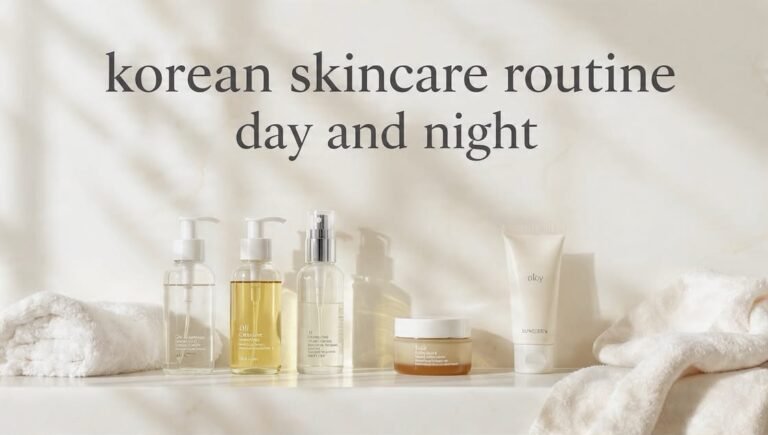
Korean Skincare Routine Layering Order Step by Step
A Korean skincare routine layers products from thinnest, most water-rich formulations to thickest, most oil-rich formulations to maximize absorption and minimize pilling, with specific product categories occupying defined positions in the sequence. The order is not arbitrary. It is built on molecular weight and penetration science.
The standard 7-step evening routine follows this sequence:
- Oil-based cleanser: removes sunscreen, makeup, and sebum-based debris. Apply to dry skin, massage, emulsify with water, rinse.
- Water-based cleanser: removes water-soluble sweat, dirt, and residual oil cleanser. Choose a low-pH formulation (5.0 to 6.0).
- Exfoliant (1 to 3 times per week): AHA, BHA, or PHA applied to dry skin after cleansing, before hydrating steps. Wait 5 to 10 minutes before proceeding.
- Toner: hydrating, pH-balancing, applied with hands (not cotton pad) in patting motions. Multiple thin layers build hydration.
- Essence: lightweight, water-based, often containing fermented ingredients or first-treatment actives. Pat into skin.
- Serum or ampoule: concentrated active treatment targeting a specific concern. Ampoules are higher concentration than serums.
- Moisturizer: occlusive or emollient-rich formula to seal in hydration and active ingredients.
The morning routine omits the oil cleanser and exfoliant, and adds sunscreen as the final step. The “7 skin method” (applying toner in seven thin layers) can be incorporated at step four for severely dehydrated skin, but it is a targeted intervention, not a daily requirement.
The logic: water-soluble actives in toner and essence penetrate hydrated stratum corneum more effectively. Oil-based occlusives in moisturizer sit on top to prevent water loss. Reversing the order (moisturizer before serum) blocks penetration. Think of it like dressing in layers for cold weather: the thermal base layer goes on first, the windproof shell goes on last. You would not put the parka on under the long-sleeve shirt and expect to stay warm.
Korean Sunscreen Formulation and UV Filter Innovation
Korean sunscreen formulation prioritizes lightweight texture, zero white cast, and high UVA protection using next-generation chemical filters like Tinosorb S, Uvinul A Plus, and Tinosorb M, which are not yet approved by the FDA for use in United States-manufactured sunscreens. This filter gap is the single biggest reason Korean sunscreens feel and perform differently from American options.
Tinosorb S is a broad-spectrum filter that absorbs UVB and UVA and is photostable, meaning it does not degrade rapidly upon sun exposure like avobenzone. Uvinul A Plus provides strong UVA-I protection, the wavelengths most responsible for hyperpigmentation and collagen degradation. Tinosorb M combines chemical absorption with some physical scattering, functioning as a hybrid filter. The combination of these three creates a protection profile that covers the full UV spectrum without the chalky opacity of zinc oxide or titanium dioxide at high concentrations.
The PA++++ rating system, used across Korean and Japanese sunscreens, measures UVA protection with more granularity than the US “broad spectrum” label. PA++++ indicates a UVA protection factor of 16 or higher, equivalent to PPD 16+. This matters for anyone treating hyperpigmentation or concerned about photoaging, since UVA penetrates deeper into the dermis than UVB and drives collagen breakdown.
For Fitzpatrick skin types IV through VI, Korean sunscreen formulations solve the white cast problem that makes daily sunscreen compliance miserable with mineral-only US formulas. Beauty of Joseon Relief Sun and Round Lab Birch Juice Moisturizing Sunscreen are the two most frequently cited formulations that absorb completely clear across all skin tones. The chemical filter system is doing the heavy lifting, and the base formulation (rice extract, birch juice, glycerin) creates a texture people will actually apply every two hours.
A 2025 consumer survey by the Korean MFDS found that 74% of K-beauty sunscreen users cited “texture and no white cast” as the primary reason for product selection, not SPF rating. The functional protection only matters if the product is applied, and the product is only applied if it is pleasant to wear.
Key Takeaway: Korean sunscreens solve the compliance problem that undermines sunscreen efficacy globally. SPF 50+ PA++++ in a texture you will actually reapply is better than SPF 100 in a chalky paste you avoid.
Korean Skincare Brands Affordable and Effective
Korean skincare brands that deliver effective formulations at drugstore prices include COSRX, Isntree, Purito, Beauty of Joseon, and Round Lab, with most products priced between $10 and $25 and formulated without the markup for fragrance, packaging, and marketing that drives Western prestige prices. The value proposition is real, but it requires label literacy to separate genuine affordability from diluted formulations at a low price point.
COSRX dominates the affordable effective category because the brand’s product development philosophy is ingredient-transparent and fragrance-free. The Advanced Snail 96 Mucin Power Essence and the Acne Pimple Master Patch are category leaders with repeat purchase rates above 40% according to 2025 e-commerce data from multiple global beauty retailers. The BHA Blackhead Power Liquid uses 4% betaine salicylate, a gentler salicylic acid derivative, at a pH that supports exfoliation without barrier damage.
Isntree focuses on minimal ingredient lists with disclosed concentrations. The Hyaluronic Acid Toner line offers multiple molecular weights of sodium hyaluronate for layered hydration. The Green Tea Fresh Toner uses green tea extract (Camellia Sinensis Leaf Extract) with documented antioxidant activity from epigallocatechin gallate (EGCG), a compound with more than two decades of photoprotection research behind it.
The affordability sweet spot requires attention to what is not in the bottle. A $15 serum with 2% tranexamic acid and a short, functional INCI list is a better value than a $45 serum with the same active buried below eight extracts, three silicones, and fragrance. Price and efficacy are not reliably correlated in skincare. Concentration, formulation stability, and delivery matter. Brand prestige and packaging cost do not.
Korean Skincare Compatibility With Prescription Topicals
Korean skincare can be used alongside prescription topicals like tretinoin, azelaic acid, and clindamycin, but only when products that support barrier function (low-pH cleansers, fragrance-free moisturizers, ceramide-rich creams) are chosen and potentially irritating active ingredients (high-strength acids, potent fermented essences, multiple botanical extracts) are temporarily removed from the routine. The K-beauty layering system must be stripped down during retinoid initiation, not maintained at full complexity.
Tretinoin, the prescription retinoid with the strongest evidence for collagen remodeling and acne management, predictably disrupts the stratum corneum during the first 4 to 8 weeks of use. A K-beauty routine of 7 to 10 layered products, several containing mild exfoliants or fermented actives, can intensify that irritation to the point of barrier failure. The correct approach during retinoid initiation is a 4-step K-beauty-derived routine: low-pH gentle cleanser, hydrating toner without actives, ceramide moisturizer, and SPF in the morning. Tretinoin is applied at night, buffered with moisturizer, at a pea-sized amount. Everything else waits.
Azelaic acid at prescription strength (15% to 20%) is more compatible with K-beauty layering than tretinoin because it does not accelerate cell turnover at the same rate. A hydrating centella toner and snail mucin essence can be layered under azelaic acid to reduce the itching sensation common with this active. However, azelaic acid should not be layered directly with acidic exfoliants or high-concentration vitamin C due to pH incompatibility and cumulative irritation risk.
The general rule: when you add a prescription active, pause all leave-on products that contain AHA, BHA, PHA, L-ascorbic acid above 10%, retinoid derivatives (retinol, retinaldehyde), and potent botanical enzyme exfoliants (papain, bromelain). Reintroduce them one at a time, with a 2-week observation period between each, after the skin has fully adapted to the prescription. Full adaptation means no stinging with moisturizer application and no prolonged flushing after cleansing.
Key Takeaway: A prescription topical replaces multiple actives in your routine, not adds to them. Strip the K-beauty layering down to four gentle, barrier-supportive steps during adaptation.
Korean Skincare Products to Avoid If You Have Rosacea or Eczema
Korean skincare products most likely to worsen rosacea or atopic dermatitis (eczema) contain fragrance, essential oils, high concentrations of denatured alcohol, potent fermented ingredients, and physical exfoliants that disrupt an already compromised skin barrier. The exact products to avoid are those where these triggers appear early in the ingredient list, indicating higher concentration.
For rosacea specifically, the vasodilatory effect of certain botanical extracts poses risk. Cinnamon, clove, peppermint, eucalyptus, and witch hazel extracts can trigger flushing and visible capillary dilation in rosacea-prone skin. Several Korean toners and essences marketed as “clarifying” or “refreshing” contain these extracts. Even products with “natural” or “plant-based” positioning are not safe by default. The mechanism is direct stimulation of TRPV1 and TRPA1 receptors on sensory neurons in the skin, which rosacea patients express in higher density. Avoid any product where these extracts appear before the preservative system in the INCI list.
Fermented ingredients like galactomyces ferment filtrate and bifida ferment lysate are the backbone of several cult K-beauty essences (Missha Time Revolution First Treatment Essence, SK-II Facial Treatment Essence). For some people with eczema, these can trigger contact dermatitis or worsen existing inflammation. The research on fermented skincare ingredients and barrier-compromised skin is limited and conflicting. Until more data exists, anyone with active eczema should avoid products where fermented ingredients constitute the base of the formulation.
Sheet masks present a specific risk for both conditions. The occlusive nature of a sheet mask held against skin for 15 to 20 minutes increases penetration of whatever is in the essence. If the essence contains fragrance, essential oils, or preservatives that your skin does not tolerate, the prolonged exposure and enhanced penetration turn a mild irritant into a significant trigger. A patch test behind the ear for 20 minutes is a reasonable precaution before putting any new sheet mask on inflamed facial skin.
Ingredients to avoid if you have rosacea or eczema:
- Fragrance (parfum) and essential oils (lavandula angustifolia oil, citrus limon peel oil, pelargonium graveolens oil)
- Denatured alcohol (alcohol denat.) in the first five ingredients
- Menthol, camphor, and peppermint oil (TRPV1 activation triggers flushing)
- Witch hazel (hamamelis virginiana) extract (tannins can be barrier-disruptive)
- High concentrations of fermented filtrates as first or second ingredient in compromised barriers
- Physical exfoliating particles (walnut shell, sugar crystals, silica beads) that create micro-tears
================================================================
FAQ SECTION
What are the most popular Korean skincare brands in 2026?
The most popular Korean skincare brands in 2026 are COSRX, Beauty of Joseon, Skin1004, Round Lab, Sulwhasoo, and Laneige.
Each brand is known for specific formulations: COSRX for ingredient-transparent, fragrance-free actives, Beauty of Joseon for elegant sunscreens, and Sulwhasoo for ginseng-based luxury skincare.
Is Korean skincare better than American skincare?
Korean skincare is not universally better, but it has access to next-generation UV filters and a formulation philosophy that prioritizes barrier support and gentleness over immediate correction.
The most meaningful advantage is Korean sunscreen texture and UVA protection, since the FDA has not approved newer chemical filters available to Korean manufacturers.
Does snail mucin actually do anything for skin?
Snail mucin contains allantoin, which supports wound healing, and glycosaminoglycans, which improve hydration, according to research published in the Journal of Cosmetic Dermatology.
It provides gentle exfoliation through naturally occurring glycolic acid, making it a mild smoothing and hydration ingredient rather than an anti-aging treatment.
What Korean skincare ingredients should I avoid if I have sensitive skin?
Avoid fragrance, essential oils, denatured alcohol, and multiple botanical extracts if you have sensitive skin, as these are the most common sensitizers in K-beauty formulations.
Products with short, functional ingredient lists and disclosed active concentrations are safer starting points.
Can I use Korean skincare products with tretinoin?
You can use barrier-supportive Korean products like low-pH cleansers, ceramide moisturizers, and fragrance-free toners alongside tretinoin, but must pause all exfoliating acids, potent fermented essences, and vitamin C serums during retinoid adaptation.
Reintroduce K-beauty actives one at a time after the 4 to 8 week adaptation period ends.
Which Korean sunscreen is best for darker skin tones without white cast?
Korean sunscreens using chemical filters like Tinosorb S, Uvinul A Plus, and Uvinul T 150 leave zero white cast on Fitzpatrick skin types IV through VI.
Beauty of Joseon Relief Sun and Round Lab Birch Juice Moisturizing Sunscreen are consistently cited as fully transparent across all skin tones.
================================================================
CLOSING
Korean skincare popularity in 2026 is not a trend cycle. It reflects a structural advantage in UV filter access and a formulation philosophy that treats barrier integrity as the baseline, not the bonus. The brands worth your attention are the ones disclosing active ingredient concentrations, omitting fragrance and sensitizers, and delivering the compound to the correct skin layer in a stable formulation. Everything else is packaging.
Your next step is a label audit. Take the three K-beauty products you use most often. Look up the INCI list. Identify each active compound and whether the concentration is disclosed. Confirm the base formulation is compatible with any prescriptions you use. Remove anything with fragrance or essential oils if your skin is reactive, has rosacea, or carries a history of eczema. The goal is not a 10-step routine. It is a functional routine where every product earns its place.
Your skin does not care what is trending. It cares about the active compound, the pH, the barrier, and whether you are protecting it from UV. Korean skincare gives you better tools. Your job is to use them with the precision they deserve.