FRE Skincare Review 2026: Active Skin Ingredient Analysis
FRE Skincare is a brand engineered explicitly for women who sweat regularly, targeting the biological aftermath of exercise on facial skin. The product line hinges on a proprietary Argania Active Complex, combined with humectants and antioxidants, to manage post-workout inflammation and dehydration. This review moves beyond brand claims to analyze the ingredient list, compatibility with acne and sensitive skin, and whether the formulations align with cosmetic chemistry consensus.
The concept of “sweat-proof skincare” responds to a genuine biological event. According to a study published in the Journal of the American Academy of Dermatology, eccrine sweat contains water, sodium chloride, and ammonia that, upon evaporation, can concentrate on the stratum corneum and disrupt the skin’s pH balance, leading to tightness and irritation. A well-formulated product for this scenario must replenish lost humectants without trapping heat or using occlusives that clog sweat ducts. The core question for any active woman is whether FRE executes this chemistry correctly. The answer is mostly yes, with specific nuance for sensitive, acne-prone, and hyperpigmentation-prone skin.
This article walks you through every product, the headlining ingredient complex, the label transparency, and the precise conditions where this line shines versus falls short. You will learn exactly who the formulations suit, who should exercise caution, and how to integrate them safely alongside your existing actives. This is a cosmetic chemistry-level breakdown, not a marketing recap.
FRE Skincare: What the Brand Stands For
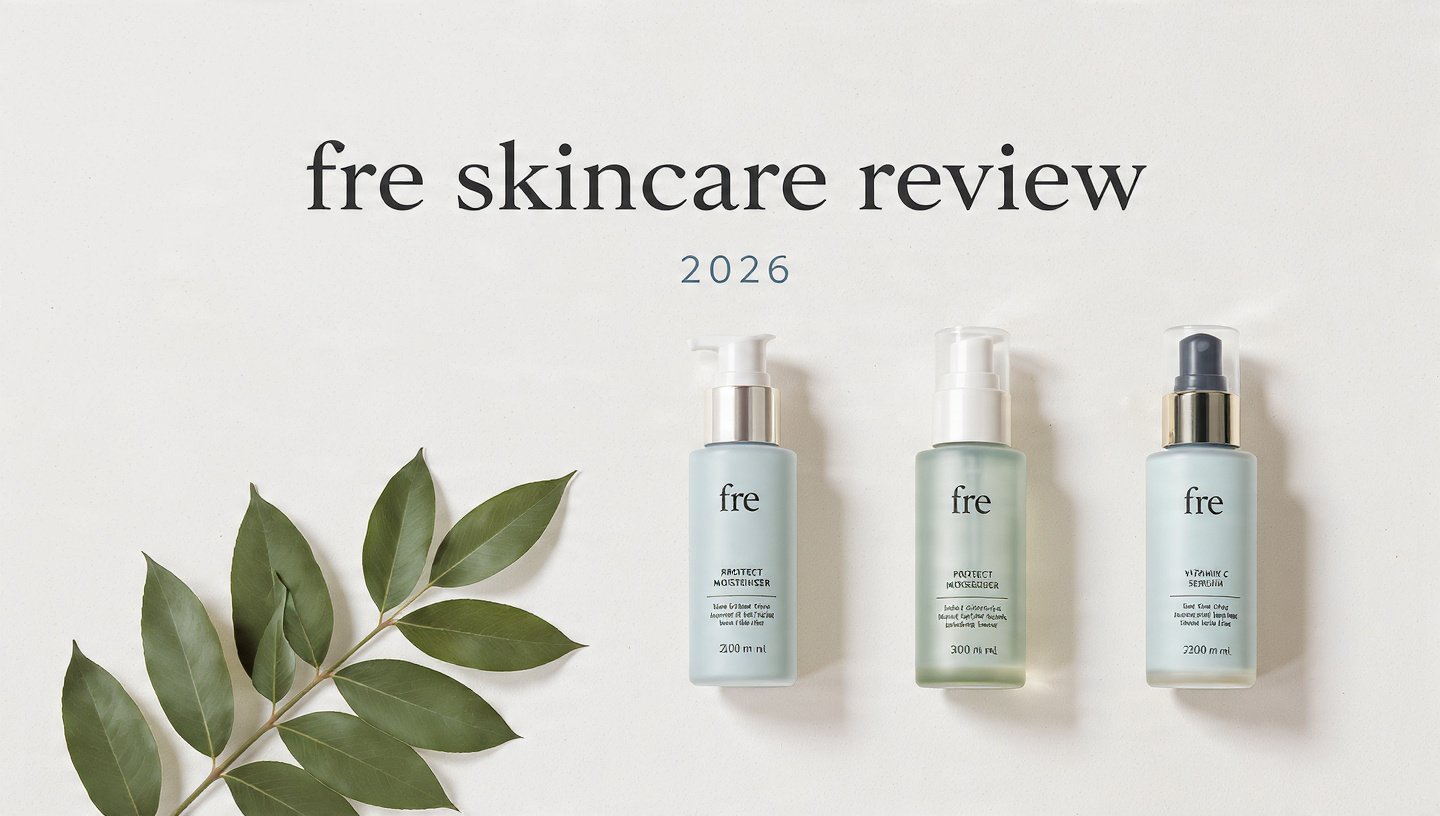
FRE Skincare positions itself as the first dermatologist-tested skincare line designed specifically for the 24-hour cycle of active women. The brand identifies sweat, friction from wiping, and repeated facial cleansing as the three primary disruptors of an active woman’s skin barrier. Their solution is a streamlined three-step system: a cleanser, a moisturizer, and a vitamin C serum. The product names map directly to their intended post-exercise functions. “Purify” is the micellar-based cleanser for removing sweat and debris without water if needed. “Protect” is the lightweight moisturizer delivering the antioxidant complex. “Revive” is the ethyl ascorbic acid serum for antioxidant repair and brightening.
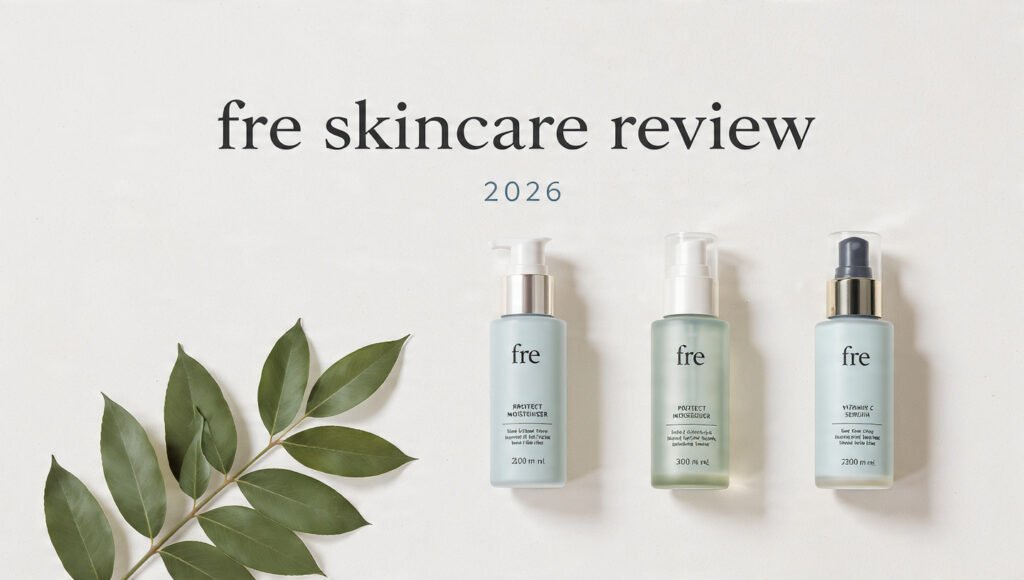
The brand’s messaging avoids promises of “detoxification” in the pseudoscientific sense, instead framing sweat as a neutral stressor that requires managed removal. This is a scientifically sound premise. Sweat is not a toxin, but its dried components are an irritant. The core proposition is the Argania Active Complex, an ingredient derived from the argan tree but distinct from standard argan oil. To understand the value of the entire line, this single complex requires a rigorous scientific unpacking.
FRE Skincare Review: An Evidence-First Analysis
This FRE Skincare review analyzes the formulations through the lens of peer-reviewed cosmetic science and dermatological consensus, not personal anecdote. The first observation is the intentional simplicity of the ingredient lists. Each product contains fewer than 25 ingredients, a restraint that statistically reduces the potential for cumulative allergic contact dermatitis. The brand relies heavily on a core structure of humectants, the proprietary argan extract, and a lightweight emollient base. The preservative system, primarily sodium benzoate and potassium sorbate, is a mild alternative to parabens, though it requires low-pH formulations to be fully effective.
The line’s strength lies in its humectant blend. Multiple products layer glycerin, sodium hyaluronate, and panthenol (pro-vitamin B5) to create a moisture-binding network that functions without heavy occlusives. This is ideal for post-exercise skin, where trapping heat with ingredients like petrolatum can trigger miliaria or a subjective feeling of sweat retention. The main source of contention in this FRE Skincare review is the inclusion of fragrant citrus oils in a product line marketed for slightly compromised, post-sweat skin. The “Purify” cleanser and “Protect” moisturizer both contain Citrus aurantium dulcis (orange) peel oil, a known source of limonene and linalool. While these add a natural scent, their potential for oxidation and subsequent photosensitization on vulnerable post-workout skin is a genuine formulation concern.
Key Takeaway: FRE Skincare gets the humectant and lightweight texture equation right for active skin, but the inclusion of fragrant citrus oils introduces an unnecessary sensitivity variable that contradicts the skin-soothing objective.
Argania Active Complex: The Ingredient Science
Argania Active Complex is a trademarked ingredient blend derived from the argan tree, and it is important to immediately clarify what it is not. It is not Argania spinosa kernel oil, the culinary and cosmetic golden oil rich in oleic acid and linoleic acid. Instead, the complex is an extract from the argan nut kernel that prioritizes the bioactive fraction, specifically triterpenoids and phytosterols like schottenol and alpha-spinasterol. The manufacturing process, as described in brand materials, uses a solvent-free extraction to isolate these protective compounds while leaving behind the heavy lipid fraction that behaves as a standard plant oil.
The biological rationale is that these phytosterols act as potent anti-inflammatory modulators. A 2015 study in the International Journal of Molecular Sciences on argan-derived sterols demonstrated their ability to downregulate IL-6 and other pro-inflammatory cytokines in dermal fibroblast models. For active skin, this mechanism has direct practical application. Post-exercise, the skin experiences a low-grade inflammatory cascade from increased blood flow and sweat component interaction with the epidermis. The complex intends to quell this response without the need for classic anti-irritants like bisabolol. The nuance is that the concentration of the complex within the formulations is unknown. The antioxidant and anti-inflammatory benefits of phytosterols are often concentration-dependent, with in vitro effects observed at 0.5% to 1%. Without the exact concentration disclosed, this ingredient operates on a solid conceptual basis, but it does not have the independent clinical trial backing that something like pure panthenol or niacinamide has.
| Ingredient Complex | Composition | Primary Mechanism | Known Evidence Level |
|---|---|---|---|
| Argania Active Complex | Argan kernel extract (phytosterols) | Anti-inflammatory cytokine modulation | In vitro and preliminary |
| Argania spinosa kernel oil | Triglycerides, oleic, linoleic acid | Barrier lipid replenishment | Clinical studies supported |
| Panthenol (Pro-Vitamin B5) | Pantothenic acid analog | Humectant, wound healing support | Well-established dermatological |
FRE Skincare Ingredients: The Full List Decoded
Moving past the hero complex, a full FRE Skincare ingredients breakdown reveals a formula architecture built on predictability. The backbone of the line is a glycerin and water base, supplemented by sodium hyaluronate. Hyaluronic acid in the sodium hyaluronate salt form has a lower molecular weight than its parent acid, which allows for better penetration into the upper stratum corneum, providing a temporary plumping effect that is beneficial after sweat-induced transepidermal water loss.
The second critical workhorse is panthenol, or pro-vitamin B5. The American Academy of Dermatology recognizes panthenol as an effective humectant with the added benefit of being a precursor to coenzyme A, a molecule essential for lipid synthesis and skin barrier repair. In the context of a face that has been repeatedly wiped with a towel during a run, this ingredient is a structurally sound choice. Aloe barbadensis leaf juice appears high on the list in the cleanser and moisturizer, providing a polysaccharide-rich base that soothes and cools. The ingredient logic is coherent: draw moisture in with glycerin and panthenol, lock it with a thin polysaccharide film from aloe, and calm the skin with phytosterols. The outlier is the citrus peel oil. An ingredient list that relies on aloe and panthenol for barrier respect is chemically at odds with the inclusion of volatile fragrance components that are required by EU cosmetics regulation to be listed as allergens.
- Core Humectants: Glycerin, sodium hyaluronate, panthenol (draw and bind water).
- Soothing Polymer: Aloe barbadensis leaf juice (polysaccharide film former, cools on evaporation).
- Antioxidant Oils: Argania spinosa kernel oil, tocopherol (neutralize oxidative stress from exercise).
- Preservatives: Sodium benzoate, potassium sorbate (non-paraben, acid-pH dependent).
- Allergen Flag: Citrus aurantium dulcis peel oil (contains limonene, linalool; volatile photosensitizer).
FRE Skincare Set: The Three-Step System
The FRE Skincare set compresses an entire routine into three products: Purify, Protect, and Revive. The design philosophy is a “minimum effective dose” for skin subjected to frequent transitions between hot, sweaty outdoor environments and cooled, air-conditioned indoor spaces. For a woman showering twice daily due to a workout schedule, the recommendation is to not further strip the skin with complex ten-step regimens. This set reduces the routine to its essential elements: gentle removal of salt and debris, water-binding hydration with antioxidant protection, and a targeted vitamin C boost.
The sequence is simple. Step one is the micellar gel cleanser, used either at the sink or as a wipe-off formula for immediate post-workout use. Step two is the lightweight moisturizer, applied immediately while the skin is still slightly damp to capture residual moisture. Step three is the vitamin C serum, a potent antioxidant booster used in the morning to counteract oxidative damage from UV and pollution during outdoor exercise. The set is packaged in muted, monochromatic blue and grey, signaling a unisex, clinical aesthetic that avoids the heavily gendered floral packaging of many niche beauty brands. The three-step system succeeds as a behavioral tool. It asks active women to do less, but to do it consistently, with formulas designed to not sting freshly exercised skin.
Key Takeaway: The FRE set is a legitimate time-saver that strips back a routine to the three non-negotiable steps for active women: gentle cleansing, water-based hydration, and antioxidant protection.
FRE Skincare Cleanser: Purify Me
The Purify Me cleanser is a micellar gel formulated to remove sweat and light makeup without requiring a full sink routine, making it a portable post-workout staple. The cleansing mechanism relies on the mild surfactant decyl glucoside paired with glycerin to form micelles that trap oil-soluble debris. Decyl glucoside is a non-ionic surfactant, meaning it carries no electrical charge and is far gentler on the skin’s lipid barrier than anionic surfactants like sodium lauryl sulfate. This is a critical choice for skin that has already been exposed to the alkalizing effect of dried sweat.
The instructions allow for a rinse-free application, a feature that distinguishes it in the active skincare space. A runner finishing a 5k can apply the gel, massage it to lift the salt and sebum residue, and wipe it clean with a cotton round. The presence of allantoin in the formula adds a keratinolytic, soothing property that helps smooth skin roughened by wind and repeated wiping. The counterpoint is the aromatic experience. The natural citrus scent is pleasant, but for a cleanser designed to be left on briefly and wiped away, the contact time is minimal. The sensitization risk from the fragrance is therefore lower than in a leave-on product, but for anyone with active perioral dermatitis or a compromised barrier, a fragrance-free micellar water like Bioderma Sensibio H2O, which uses a simpler ester-based micelle system, remains a clinically safer choice.
- Step 1: Dispense two pumps and massage gently onto dry skin, focusing on the nasolabial folds and hairline where sweat concentrates.
- Step 2: Soak a reusable cotton round with water, or use the cleanser as a wet-cleanse if near a sink.
- Step 3: Wipe in a single direction without harsh scrubbing to avoid further friction on skin already sensitized by salt.
- Step 4: Rinse with cool water if possible. The cooler temperature helps constrict dilated capillaries that contribute to redness.
FRE Skincare Moisturizer: Protect Me
The Protect Me moisturizer is an oil-in-water emulsion that functions as the main delivery vehicle for the Argania Active Complex. The formula is specifically designed to be non-occlusive, which is the central technical challenge for a product made for sweat-prone skin. Rather than using heavy emollients like shea butter or silicones that can create a heat-trapping film, this moisturizer uses caprylic/capric triglyceride and a small amount of glyceryl stearate to provide a breathable finish. Caprylic/capric triglyceride is a fractionated coconut oil that stays liquid and lightweight, offering emollience without clogging.
The primary purpose of this moisturizer is to replenish the water content lost during a workout and to deposit the antioxidant complex into the epidermis. The inclusion of tocopherol (vitamin E) works synergistically with the argan phytosterols to prevent lipid peroxidation. For anyone working out outdoors, this is a sound protective mechanism. However, the packaging in a jar format creates a stability problem. Tocopherol and other antioxidants are vulnerable to degradation upon repeated air and light exposure. A hermetically sealed pump bottle would preserve the antioxidant integrity far better than a jar that exposes the entire formula each time it is opened. This is a common packaging oversight that undermines an otherwise technically sound formula. For those with oily skin, this moisturizer provides sufficient hydration without the need for a separate hyaluronic acid serum.
FRE Skincare Vitamin C: Revive Me
The Revive Me serum is the most chemically sophisticated product in the line, using 3-O-ethyl ascorbic acid as its star ingredient. This is a critical distinction from the more common L-ascorbic acid found in many water-based serums. L-ascorbic acid is notoriously unstable, pH-dependent, and often irritating in the 15% to 20% range needed for efficacy. Ethyl ascorbic acid is an etherified derivative of ascorbic acid, where an ethyl group is attached to the third carbon position. This molecular change makes the molecule lipophilic and stable at a neutral pH of around 5.0 to 6.0, which is much closer to the skin’s natural pH.
According to research published in the Journal of Cosmetic Dermatology, ethyl ascorbic acid exhibits superior percutaneous absorption compared to L-ascorbic acid and maintains its stability in water-based formulations without immediately oxidizing. For active skin that is already slightly inflamed post-exercise, the neutral pH of this serum is a major advantage. It delivers the collagen-stimulating and melanin-suppressing benefits of vitamin C without the acidic sting that can turn a flushed post-run face into an angry red mask. The serum also includes ferulic acid in its liquid-base stabilizer package, a proven antioxidant synergist. This is the one product in the set that can genuinely justify a “clinically effective” antioxidant claim, provided the concentration of ethyl ascorbic acid is in the 2% to 5% range, which is typical and efficacious for this stable ester.
Skincare for Active Women: A Biological Framework
Skincare for active women must address a unique biological cycle that a generalist skincare routine ignores. The starting point is not clean, calm skin. The starting point is skin mid-exercise or immediately post-exercise, where the stratum corneum is hydrated from sweat but simultaneously irritated by its salt content. The average sweat rate for a woman during moderate aerobic exercise is between 0.5 and 1.5 liters per hour depending on heat acclimatization. This fluid loss, combined with repeated evaporation, creates a cyclical dehydration stressor.
The second factor is the inflammatory exercise cascade. Physical activity raises core temperature and dilates capillaries in the dermis to dissipate heat. While this “runner’s flush” is a normal physiological response, the post-exercise period is when the skin is most permeable. According to the Journal of Investigative Dermatology, skin with a compromised barrier, such as from aggressive wiping or sweat maceration, shows increased transdermal penetration of topically applied molecules. This means that the post-workout window is both a high-risk period for irritation and a high-reward period for applying repairing ingredients like panthenol and antioxidants. A routine for active women therefore needs to prioritize non-negotiable gentleness: remove the salt first, then deliver the active repair ingredients immediately.
Think of your skin barrier like the fabric of a high-performance athletic shirt. A shirt that wicks sweat away from the body and dries quickly performs well. If that same shirt is left saturated, rubbed repeatedly, and never rinsed, the fabric degrades. Active skincare follows the same principle. You rinse to remove the corrosive salt, then re-apply a breathable protective layer.
Post-Workout Skincare: Timing and Steps
Post-workout skincare timing is not arbitrary. The optimal window to begin your routine is within fifteen minutes of finishing exercise. This is the period when sweat has stopped actively flowing but before the salt residue has had time to fully crystallize on the skin’s surface. Letting sweat dry completely and then simply starting your day is one of the most common triggers for “athlete’s face,” a pattern of congested, bumpy skin along the sweat-tracks of the temples, hairline, and jaw.
The first step is the most overlooked. If you cannot shower immediately, the FRE Purify cleanser’s wipe-off method is a functional stopgap. It is critical to not just wipe sweat with a dry towel. A dry towel mechanically abrades the softened, macerated skin cells. Always dampen the towel or use a micellar gel to dissolve the salts. The second step is the immediate application of a humectant-rich moisturizer. A 2023 study in the International Journal of Cosmetic Science confirmed that moisturizers applied to slightly damp skin demonstrate a 20% to 30% improvement in transepidermal water loss reduction compared to application on dry skin. For active women, this means applying Protect Me while the face is still slightly moist from a shower or rinse.
- 0:05 Post-Workout: Wipe sweat gently with a damp, clean microfiber cloth or rinse with cool water.
- 0:10 Post-Workout: Apply a micellar cleanser like Purify Me to dissolve residual sebum and salt.
- 0:15 Post-Workout: While skin is damp, apply a thin layer of a humectant moisturizer.
- 0:20 Post-Workout: If it is a morning outdoor workout, follow immediately with the vitamin C serum and a broad-spectrum mineral SPF.
Sweat Proof Skincare: Formulation Chemistry
“Sweat-proof skincare” is a marketing term, not a regulatory claim. No topical product can stop the physiological function of eccrine glands. What the term actually refers to is formulation resistance to sweat-induced wash-off and a texture that does not turn sticky or occlusive when diluted by perspiration. FRE achieves this through a polymer and humectant network. The use of aloe vera gel as a natural film former, combined with pentylene glycol, creates a thin, breathable shield that resists immediate dissolution.
Pentylene glycol serves a dual purpose as a humectant and a mild antimicrobial booster for the preservative system. Crucially, it does not create the pore-suffocating film that high-molecular-weight silicones, such as dimethicone crosspolymer, can produce. A 2022 comparative formulation study in the International Journal of Cosmetic Science assessed various base textures under simulated sweat conditions. Formulations relying on glycerin, propanediol, and pentylene glycol maintained skin hydration without increasing skin surface pH, whereas heavy occlusives led to a spike in post-exercise pH and a subjective feeling of “clogging.” FRE’s reliance on this lightweight polyol blend aligns with that peer-reviewed finding. For truly outdoor sweat-proof wear, the chemistry is sound. The sunscreen layer you apply over it, however, is the true determinant of all-day protection.
Key Takeaway: “Sweat-proof” means a formula does not slide off or clog when you sweat, not that it stops sweating. FRE’s formula stays breathable under heat stress.
FRE Skincare for Acne: Comedogenicity and Risk
Is FRE Skincare safe for acne-prone skin? The simple answer is yes, for comedonal acne vulgaris, with one specific caution. The ingredient lists for the moisturizer and serum are mostly non-comedogenic. Caprylic/capric triglyceride has a comedogenic rating of roughly 1 to 2, which is low, and glyceryl stearate is a standard, safe emulsifier. The ethyl ascorbic acid in the Revive serum can actually assist in preventing the oxidation of sebum that contributes to inflammatory acne formation.
The caution is not with the base formula but with the aloe and citrus oil combination. For individuals with active inflammatory papulopustular acne, the skin barrier is fundamentally compromised. Applying a product containing natural citrus oils, which contain the volatile fragrant compounds limonene and citral, can trigger a stinging sensation and worsen redness. This is not an acne mechanica reaction (clogged pores) but an inflammatory one. If your acne is primarily hormonal, deep, and cystic, and your skin is already reactive, the cleanser and moisturizer carry a non-zero risk of causing a stinging flare. The Vitamin C serum, in contrast, uses a neutral-pH ester and is the safest of the three products for acne-prone users. A board-certified dermatologist would likely advise a patient with active acne to use the Revive serum but substitute the cleanser and moisturizer for a truly fragrance-free, non-stinging alternative.
FRE Skincare Fungal Acne Safe: A Malassezia Check
Evaluating FRE Skincare for fungal acne (Malassezia folliculitis) requires a strict ingredient-by-ingredient assessment against the known triggers for Malassezia yeast. Malassezia feeds on fatty acids with carbon chain lengths between C11 and C24. This makes many plant oils, esters, and emulsifiers potential food sources. The Purify cleanser is the safest product in the line for fungal acne. Its micellar base uses decyl glucoside, a sugar-based surfactant that does not provide a lipid substrate for yeast. The fragrance oils in the cleanser are a wash-off component and not a significant food source.
The Protect Me moisturizer presents a borderline risk. It contains caprylic/capric triglyceride. Caprylic acid is an 8-carbon chain fatty acid. Capric acid is a 10-carbon chain. Neither falls in the classic C11-C24 Malassezia feeding range, and some studies indicate caprylic acid may have anti-fungal properties. However, it also contains glyceryl stearate, which is a glycerol ester of stearic acid (C18). Stearic acid is within the chain length range and can theoretically feed Malassezia in susceptible individuals. If you have a confirmed case of fungal acne, a moisturizer using purely squalane (C30, not a trigger) and pentylene glycol is a more conservative choice than Protect Me. The Revive serum, with its propanediol base and ethyl ascorbic acid, scores the lowest on the fungal acne trigger scale. Its formulation is effectively fungal acne safe.
- Purify Cleanser: Generally safe. Micellar and sugar-surfactant base, wash-off.
- Protect Moisturizer: Borderline. Glyceryl stearate is a potential trigger. Caprylic/capric triglyceride is low-risk.
- Revive Vitamin C: Safe. Propanediol base, no esters or oils.
- Verdict: Not a fully fungal acne safe line. The serum passes; the moisturizer fails for strict elimination protocols.
FRE Skincare Sensitive Skin: Irritant and Allergen Audit
Sensitive skin is a consumer term encompassing several dermatological conditions, most commonly rosacea, atopic dermatitis (eczema), and contact dermatitis. For a product to be truly suitable for sensitive skin, it must pass an irritant and allergen audit. FRE Skincare’s core humectant base of glycerin, panthenol, and sodium hyaluronate passes the irritant audit beautifully. These are among the most well-tolerated ingredients in dermatological care, often found in products recommended by the National Eczema Association.
The point of failure in this audit is the fragrance component. The Citrus aurantium dulcis (orange) peel oil is not a synthetic but a complex natural mixture of volatile organic compounds. These include D-limonene, which, upon air oxidation, forms potent skin sensitizers. For someone with rosacea, the vasodilatory effect of fragrance can trigger a flushing cascade. For someone with compromised barrier function from atopic dermatitis, the penetration of these allergens is amplified, increasing the risk of allergic contact dermatitis. The FDA does not ban these oils, but dermatological consensus strongly advises against them for sensitive skin. If you identify your skin as sensitive, reactive, or prone to redness, your safest choice is to avoid the Purify and Protect products and use only the Revive vitamin C serum from this line, which was formulated without the peel oil.
FRE Skincare Pros and Cons: A Balanced Verdict
A balanced FRE Skincare review requires a clear separation of the formulation science from the marketing aspiration. The core strength of the brand is its biomechanical understanding of the active woman’s skin cycle. The focus on rapid, gentle salt removal and lightweight, non-occlusive rehydration is a legitimate contribution to a segment of the market that was previously just told to “wash your face after the gym.”
The primary weakness is the fragrance decision. The choice to scent a product line designed for post-exercise inflammation with a known photoallergen undermines its own primary selling point. For a woman whose skin is sensitized from sweat, the citrus oil is a liability.
- Pros:
- Formulated with a scientifically sound humectant base (glycerin, panthenol, HA).
- Uses a stable, non-irritating ethyl ascorbic acid form for the vitamin C step.
- Lightweight emulsion textures proven not to trap heat or clog sweat ducts.
- Simplified three-step routine reduces cleansing fatigue and barrier over-stripping.
- Cons:
- Citrus aurantium dulcis peel oil introduces sensitization risk.
- The moisturizer’s jar packaging degrades the antioxidant ingredients.
- The core Argania Active Complex lacks independent, peer-reviewed clinical efficacy data.
- The moisturizer is not formally safe for fungal acne protocols due to glyceryl stearate.
Key Takeaway: FRE gets the active-skin texture and base hydration science right, then undermines it with unnecessary fragrance. The Revive serum is the standout, evidence-backed product in the line.
Is FRE Skincare Good? Who It’s For, Who Should Pass
Is FRE Skincare good? The answer is a conditional yes. For a specific demographic, it is an excellent solution. That demographic is a physically active woman with non-sensitive, normal to combination skin who wants to simplify her routine and is not prone to fungal acne or rosacea. The user who runs outdoors, wants a portable post-workout cleanse, and needs a stable vitamin C she does not have to refrigerate will find the Revive Me serum a standout product. The formulas will hydrate efficiently without causing breakouts in non-reactive skin types.
Who should pass on this line? Women with a diagnosed history of Malassezia folliculitis should avoid the moisturizer. Those with rosacea should avoid the citrus-scented products. Anyone with a fragrance allergy confirmed by a patch test should steer clear of the cleanser and moisturizer entirely. Women with deeper Fitzpatrick skin types (IV to VI) who are particularly concerned about triggering post-inflammatory hyperpigmentation should patch test the Protect moisturizer for five days behind the ear before applying it to the face. If any warmth or tingling occurs, discontinue use. There are many effective alternatives without fragrance risk, including squalane-based moisturizers and mineral SPF formulations that serve active skin without compromise.
| Skin Type or Condition | FRE Skincare Suitability | Safer Alternative |
|---|---|---|
| Normal / Combination | Well-suited. Entire system works as designed. | N/A |
| Oily / Acne-Prone | Moisturizer and Serum are fine. Cleanser’s fragrance may irritate inflamed lesions. | Fragrance-free micellar water for Post-Workout. |
| Dry / Dehydrated | Moisturizer provides good humectant support. Use immediately on damp skin. | Add a squalane drop to the moisturizer for extra lipid support. |
| Rosacea | Not recommended for cleanser or moisturizer. Serum is acceptable. | Avene Tolerance Control Soothing Skin Recovery Cream. |
| Fungal Acne (Malassezia) | Only the Revive Vitamin C serum is safe. | Malezia moisturizer or a simple squalane oil. |
| Fitzpatrick IV-VI | Patch test required due to fragrance irritation and subsequent hyperpigmentation risk. | EltaMD or La Roche-Posay active wear products. |
Frequently Asked Questions About FRE Skincare
What is FRE Skincare made for?
FRE Skincare is formulated for women who sweat frequently and want a simplified routine to manage post-workout skin irritation and dehydration.
The brand targets the effects of sweat salt, friction from wiping, and repeated cleansing on the facial skin barrier.
Is FRE Skincare good for acne-prone skin?
The lightweight formulas are mostly non-comedogenic and safe for mild comedonal acne, but the fragrant citrus oil can sting active inflammatory acne lesions.
The vitamin C serum is the best product for acne-prone skin because of its neutral pH and stable ethyl ascorbic acid.
Can I use FRE Skincare if I have fungal acne?
You cannot use the full line safely.
The Protect Me moisturizer contains glyceryl stearate, which can feed Malassezia yeast, but the Revive vitamin C serum is completely safe and non-triggering.
Does FRE Skincare contain fragrance?
Yes, the Purify cleanser and Protect moisturizer contain natural fragrance from citrus peel oil, which includes the allergens limonene and linalool.
The Revive vitamin C serum is the only product in the line formulated without this fragrant oil.
Can I use the FRE vitamin C serum with retinol?
You can use them in the same routine by applying the vitamin C serum in the morning and a retinol product at night.
The ethyl ascorbic acid in the FRE serum is stable and non-acidic, so it does not conflict chemically with a retinol used on the opposite shift.
Is FRE Skincare cruelty-free and vegan?
FRE Skincare is cruelty-free and does not test on animals.
The brand states its products are vegan, meaning they do not contain animal-derived ingredients like beeswax or lanolin.
The formulation science behind FRE Skincare is more thoughtful than most niche activewear brands, and the Revive Me vitamin C serum is a genuinely smart piece of cosmetic chemistry that deserves space in a runner’s morning routine. The cleanser and moisturizer provide a convenient, texture-perfect solution for active days, but they carry an unnecessary fragrance liability that you, as an informed consumer, need to weigh against your own skin’s reactive history. Your skin after a workout is not just a blank canvas; it is a temporarily vulnerable organ, and what you apply in that window determines whether you build resilience or invite irritation over time. Trust the ingredient list over the brand story, choose the fragrance-free path where your skin demands it, and never compromise on a broad-spectrum SPF, whether you are crossing a finish line or just crossing the street.