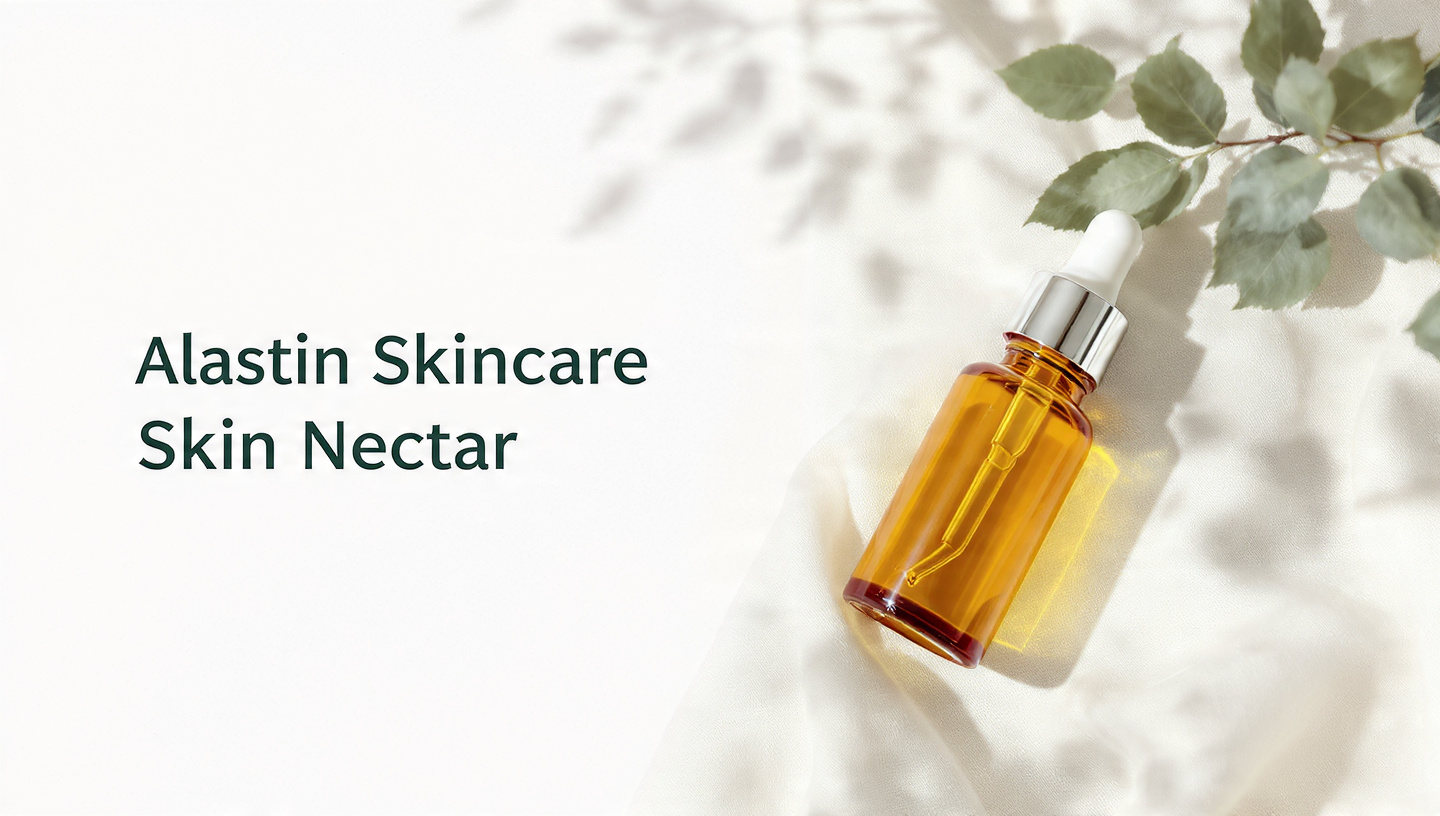
Alastin Regenerating Skin Nectar Review: Worth It in 2026?
Alastin Skincare Regenerating Skin Nectar is a post-procedure peptide serum designed to support skin recovery and stimulate collagen and elastin production after cosmetic treatments. The product contains a proprietary blend of peptides called TriHex Technology plus supporting ingredients like niacinamide and sodium hyaluronate, but independent clinical validation of the complete formulation remains limited.
Post-procedure skincare matters because the first two weeks after a laser treatment, microneedling session, or chemical peel determine how well your skin heals and whether you develop complications like post-inflammatory hyperpigmentation. The American Academy of Dermatology emphasizes that proper wound care and sun protection after procedures directly influence both recovery time and final results. A product that genuinely supports the skin’s repair mechanisms during this window could meaningfully improve outcomes.
This review examines the complete ingredient list, the actual science behind the peptide claims, how the product compares to alternatives, what you should realistically expect to pay, and who should approach with caution. You will learn what the evidence supports, what remains marketing, and whether this product deserves a place in your post-procedure protocol.
What Does Alastin Regenerating Skin Nectar Do
Alastin Regenerating Skin Nectar is formulated to accelerate post-procedure recovery, support the skin’s natural repair processes, and stimulate new collagen and elastin production through a proprietary peptide complex. The product targets the wound healing cascade that activates after cosmetic procedures like laser resurfacing, microneedling, or chemical peels.
The skin’s repair mechanism after controlled injury follows a predictable biological sequence. Inflammatory cells arrive first, clearing damaged tissue and releasing signaling molecules called cytokines. Fibroblasts then migrate to the area and begin synthesizing new extracellular matrix proteins, primarily collagen type I and collagen type III. The Journal of Investigative Dermatology has documented that this fibroblast activation phase peaks between days three and seven after injury, making it the critical window for intervention.
Peptides function as cell signaling molecules. When applied topically in the right molecular form, specific peptide sequences can theoretically bind to fibroblast receptors and trigger collagen synthesis pathways. Palmitoyl tripeptide-1, one of the key ingredients in this product, has demonstrated collagen-stimulating activity in multiple in vitro studies. The palmitoyl fatty acid modification helps the peptide penetrate the stratum corneum more effectively than unmodified peptides.
What this product cannot do is replace proper wound care, sun protection, or the procedural expertise of your treating physician. It supports the skin’s own repair biology. It does not bypass it.
| Product Function | Mechanism | Evidence Strength |
|---|---|---|
| Collagen stimulation | Peptide signaling to fibroblasts | In vitro support, limited human data |
| Elastin synthesis | TriHex peptide complex | Brand-funded studies only |
| Hydration | Sodium hyaluronate, glycerin | Well-established |
| Barrier support | Niacinamide | Multiple peer-reviewed studies |
| Soothing | Panthenol, allantoin | Well-established |
Alastin Skincare Regenerating Skin Nectar: Full Product Analysis
Alastin Regenerating Skin Nectar positions itself as a medical-grade post-procedure treatment rather than a daily maintenance serum. The brand markets this product specifically for the recovery period after cosmetic dermatology procedures. The formulation emphasizes peptide technology, humectants, and soothing agents over exfoliating actives or retinoids.
The product’s positioning reflects a real clinical need. According to the American Academy of Dermatology, post-procedure skin is temporarily compromised with elevated transepidermal water loss and reduced barrier function. Ingredients that might be well-tolerated on intact skin can cause stinging, redness, or delayed healing when applied to freshly treated skin. This product avoids common irritants like fragrance, denatured alcohol, and high concentrations of exfoliating acids.
What separates this from a basic moisturizer is the peptide complex. Most post-procedure products focus purely on occlusion and hydration, creating an environment where skin can heal on its own. Alastin’s approach adds signaling peptides intended to actively accelerate the repair process. Whether this active acceleration produces clinically meaningful differences compared to standard post-procedure care remains the central question.
The product comes in an airless pump, which protects the peptide ingredients from oxidation and contamination. Peptides are relatively stable molecules compared to antioxidants like ascorbic acid, but airless packaging remains a sensible choice for any product with this price point and these claims.
Quick Tip:
- Apply only after the skin surface has fully closed, typically 24 to 72 hours post-procedure depending on treatment depth
- Store at room temperature away from direct sunlight
- Use within 12 months of opening for optimal peptide stability
Regenerating Skin Nectar Ingredients: Complete INCI Breakdown
The complete ingredient list for Alastin Regenerating Skin Nectar includes water, glycerin, niacinamide, sodium hyaluronate, palmitoyl tripeptide-1, palmitoyl hexapeptide-12, tripeptide-1, hexapeptide-11, acetyl tetrapeptide-2, panthenol, allantoin, tocopheryl acetate, arnica montana flower extract, phospholipids, and standard formulation stabilizers including phenoxyethanol.
Niacinamide functions as a barrier-repair ingredient with extensive peer-reviewed evidence. A 2022 review in the Journal of Cosmetic Dermatology noted that niacinamide at concentrations between 2% and 5% increases ceramide synthesis in keratinocytes, reduces transepidermal water loss, and demonstrates anti-inflammatory properties. This makes it well-suited for post-procedure skin where barrier function is temporarily compromised.
Sodium hyaluronate is the salt form of hyaluronic acid with a lower molecular weight that allows deeper penetration into the epidermis. It functions as a humectant, drawing water into the stratum corneum. Glycerin, another humectant in the formula, has decades of clinical data supporting its efficacy as a skin hydrator. Both ingredients work by increasing water content in the upper skin layers, which supports enzymatic activity necessary for barrier repair.
The peptide complex forms the product’s core marketing claim. Palmitoyl tripeptide-1 and palmitoyl hexapeptide-12 are synthetic peptides with fatty acid modifications for enhanced skin penetration. Tripeptide-1 and hexapeptide-11 are unmodified peptide sequences. Acetyl tetrapeptide-2 is a tetrapeptide with an acetyl group modification. Each peptide targets different aspects of skin repair biology, though the specific mechanisms and concentrations remain proprietary.
| Ingredient | INCI Name | Function | Evidence Level |
|---|---|---|---|
| Niacinamide | Niacinamide | Barrier repair, anti-inflammatory | Strong, multiple RCTs |
| Sodium Hyaluronate | Sodium Hyaluronate | Humectant, hydration | Strong, well-established |
| Glycerin | Glycerin | Humectant, hydration | Strong, well-established |
| Palmitoyl Tripeptide-1 | Palmitoyl Tripeptide-1 | Collagen signaling | In vitro, limited human data |
| Palmitoyl Hexapeptide-12 | Palmitoyl Hexapeptide-12 | Elastin signaling | In vitro only |
| Panthenol | Panthenol | Soothing, wound healing | Well-established |
| Allantoin | Allantoin | Soothing, anti-irritant | Well-established |
| Tocopheryl Acetate | Tocopheryl Acetate | Antioxidant | Established, concentration-dependent |
| Arnica Montana Extract | Arnica Montana Flower Extract | Soothing | Limited evidence, potential sensitizer |
Alastin TriHex Technology: What the Peptides Actually Do
TriHex Technology is Alastin’s proprietary name for a blend of peptides that the brand claims supports the skin’s natural ability to clear damaged elastin and collagen fragments while stimulating new protein synthesis. The peptide combination includes tripeptide-1, hexapeptide-11, and additional peptide sequences that the brand has not fully disclosed in peer-reviewed literature.
The theoretical mechanism involves matrix metalloproteinase regulation. After cosmetic procedures, the skin produces enzymes called matrix metalloproteinases that break down damaged extracellular matrix proteins. Some of these enzymes are beneficial, clearing away fragmented collagen so new synthesis can occur. Others contribute to inflammation and delayed healing. The claim is that specific peptides can modulate this enzyme activity, selectively supporting the beneficial clearance pathways while minimizing excessive degradation.
Palmitoyl tripeptide-1, also known as Matrixyl 3000 when combined with palmitoyl tetrapeptide-7, has the most independent research among the peptides in this formulation. Studies have shown that this peptide can stimulate collagen type I and fibronectin synthesis in cultured human fibroblasts. The key limitation is that most of this evidence comes from in vitro experiments or small studies funded by the ingredient manufacturer rather than independent clinical trials.
The challenge for consumers is that proprietary complexes like TriHex Technology do not undergo the same independent scrutiny as individual ingredients studied in academic settings. Without published concentration data, peptide ratios, and third-party clinical trials, it is impossible to verify whether the blend works as claimed. This does not mean the product fails. It means the evidence for the complete formulation remains preliminary.
Key Takeaway: The individual peptides in TriHex Technology have plausible biological mechanisms supported by in vitro research, but the complete proprietary blend lacks independent peer-reviewed clinical validation, making the brand’s specific collagen and elastin claims difficult to verify.
Peptide Serums for Collagen Production: How They Compare
Peptide serums function differently from retinoids or vitamin C in collagen stimulation. Retinoids work primarily through nuclear receptors that directly activate collagen gene expression. Peptides work as signaling molecules that bind to cell surface receptors and trigger intracellular pathways that lead to collagen synthesis. The evidence for peptide efficacy is more limited but the tolerability profile is generally superior.
The peptide landscape includes several well-studied options. Matrixyl 3000 combines palmitoyl tripeptide-1 with palmitoyl tetrapeptide-7 and has independent clinical data showing improvement in wrinkle depth and skin texture. Matrixyl synthe’6 contains palmitoyl tripeptide-38 and targets collagen type I synthesis specifically. Copper tripeptide-1, also known as copper peptide, has a longer research history and demonstrates wound healing properties in addition to collagen stimulation.
What distinguishes peptides from retinoids is tolerability. Tretinoin, the gold standard for collagen stimulation, causes irritation in many users during the initial adjustment period. Peptides rarely cause irritation and can be used on compromised skin where retinoids would be contraindicated. This makes peptide serums particularly relevant for post-procedure recovery, where skin is temporarily more reactive.
For someone seeking collagen stimulation without the irritation of retinoids, peptide serums offer a reasonable alternative. The tradeoff is weaker evidence. Retinoids have decades of randomized controlled trial data supporting their collagen-stimulating effects. Peptides have promising but less robust clinical validation. Choosing between them depends on your skin tolerance, procedural status, and willingness to accept preliminary evidence in exchange for gentler formulation.
Regenerating Skin Nectar How to Use: Correct Application
Apply Alastin Regenerating Skin Nectar to clean, dry skin using a pea-sized amount for the full face, morning and evening, during the post-procedure recovery period. The product should be applied only after the skin surface has fully closed following any cosmetic procedure, which typically occurs 24 to 72 hours after treatment depending on the modality used.
The correct application sequence matters for product efficacy. After cleansing with a gentle, non-foaming cleanser, apply the serum to slightly damp skin. Damp skin has higher water content in the stratum corneum, which helps humectants like glycerin and sodium hyaluronate draw moisture into the skin. Allow the serum to absorb for 60 to 90 seconds before applying any subsequent products.
Layering order follows the standard skincare principle of thinnest to thickest. After the serum, apply a moisturizer if needed, followed by sunscreen during the day. The American Academy of Dermatology emphasizes that post-procedure skin is particularly vulnerable to UV damage, and sunscreen use is non-negotiable during recovery. A broad-spectrum sunscreen with SPF 30 or higher should be applied every morning, even on days spent primarily indoors.
Do not combine this product with retinoids, alpha-hydroxy acids, beta-hydroxy acids, or vitamin C during the immediate post-procedure period unless your treating physician specifically instructs otherwise. These actives can cause stinging, redness, and delayed healing on compromised skin. Wait until your skin has fully returned to baseline before reintroducing any active ingredients, typically two to four weeks post-procedure.
Alastin Post Procedure Skincare: Timing and Protocol
Post-procedure skincare timing depends entirely on the procedure type and depth. The American Academy of Dermatology provides modality-specific guidance: after microneedling, products can typically be applied 24 hours post-treatment; after non-ablative laser resurfacing, 48 to 72 hours; after ablative laser resurfacing or medium-depth chemical peels, up to five to seven days or until the skin surface has fully re-epithelialized.
Applying peptide serums too early carries specific risks. Before re-epithelialization is complete, the skin lacks its protective stratum corneum barrier. Any product applied during this window can trigger stinging, inflammation, or contact dermatitis. More concerning, certain ingredients can theoretically interfere with the wound healing cascade by prematurely modulating inflammatory signaling. The inflammatory phase is necessary for proper healing, and suppressing it too early may delay repair.
The product’s intended use is the recovery period after the skin has closed but remains compromised. During this phase, barrier function is still reduced, transepidermal water loss is elevated, and the skin is more susceptible to irritation from products that would normally be well-tolerated. This is when the soothing ingredients like panthenol and allantoin provide benefit alongside the peptide signaling.
Your treating physician’s protocol should always supersede general product instructions. Different practitioners have different preferences based on their clinical experience, the specific device settings used, and individual patient factors including skin type, phototype, and history of post-inflammatory hyperpigmentation. If your provider gives specific post-procedure instructions, follow those over any general guidance.
Post-Procedure Skincare Routine: Step-by-Step Guide
A proper post-procedure skincare routine supports the skin’s natural healing process while minimizing irritation and complication risk. This routine applies to the recovery period after the skin surface has closed and before full return to baseline, typically days three through fourteen post-procedure.
To build a safe post-procedure routine:
- Cleanse with a gentle, fragrance-free, non-foaming cleanser using lukewarm water only. Hot water increases transepidermal water loss and can trigger flushing in recently treated skin.
- Apply a minimal number of products. During early recovery, fewer products means fewer potential irritants. A peptide serum, a bland moisturizer, and sunscreen may be all you need.
- Pat products on gently rather than rubbing. Rubbing creates friction on skin with a compromised barrier, which can trigger irritation and delay healing.
- Apply broad-spectrum SPF 30 or higher every morning as the final daytime step, reapplying every two hours if outdoors.
- Avoid all exfoliating products, retinoids, and acid-based actives until your provider clears you to resume them.
For people with Fitzpatrick skin types IV through VI, post-procedure sun protection is especially critical. The risk of post-inflammatory hyperpigmentation is significantly higher in deeper skin tones, and UV exposure during the healing phase can worsen pigmentation. The Journal of the American Academy of Dermatology has documented that post-inflammatory hyperpigmentation is one of the most common complications in patients with darker skin phototypes undergoing cosmetic procedures.
| Recovery Phase | Timing | What to Apply | What to Avoid |
|---|---|---|---|
| Immediate | Days 1 to 2 | Prescribed wound care only | All cosmetic products |
| Early Healing | Days 3 to 7 | Gentle cleanser, peptide serum, bland moisturizer, SPF | Actives, exfoliants, fragranced products |
| Late Healing | Days 8 to 14 | Continue gentle routine, may add niacinamide | Retinoids, AHAs, BHAs, vitamin C |
| Return to Baseline | Day 15+ | Gradual reintroduction of actives | Overuse of multiple new products at once |
Alastin Regenerating Skin Nectar Review: Independent Assessment
Alastin Regenerating Skin Nectar contains scientifically plausible ingredients with documented mechanisms for skin repair support, but the evidence for the complete formulation falls short of what its premium pricing might suggest. This is a product with good individual ingredients, reasonable formulation choices, and insufficient independent validation of its proprietary technology.
The strengths of this formulation are real. The base includes niacinamide, sodium hyaluronate, glycerin, panthenol, and allantoin, all of which have solid evidence supporting their use on compromised skin. The airless packaging protects the ingredients. The absence of fragrance, denatured alcohol, and exfoliating acids makes it appropriate for its stated use case. These are meaningful formulation decisions that many products at this price point get wrong.
The weakness lies in the proprietary peptide complex. Without independent clinical trials, published concentration data, or peer-reviewed research on the specific peptide blend, the central marketing claim remains unverified. The brand’s internal studies may demonstrate efficacy, but brand-funded research without independent replication carries limited scientific weight. A 2023 review in the Journal of Cosmetic Dermatology noted that many cosmetic peptide claims rest on in vitro data that does not reliably translate to clinical outcomes.
Your decision should rest on what you are actually paying for. If you want a well-formulated, fragrance-free post-procedure serum with solid hydrating and soothing ingredients plus potentially beneficial peptides, this product delivers. If you expect independently verified collagen and elastin stimulation, the evidence does not yet support that expectation.
Alastin Nectar vs SkinMedica TNS: Head-to-Head Comparison
SkinMedica TNS Advanced+ Serum is the most common comparison product for Alastin Regenerating Skin Nectar, but the two products have fundamentally different ingredient strategies despite both being positioned in the premium post-procedure and anti-aging category. SkinMedica uses human fibroblast conditioned media as its core technology, while Alastin relies on synthetic peptides.
SkinMedica TNS contains growth factors, cytokines, and soluble proteins derived from cultured human fibroblasts. The theory is that these biologically active molecules directly signal skin cells to proliferate and produce extracellular matrix proteins. The evidence for growth factor serums is stronger than for synthetic peptides, with multiple clinical studies demonstrating improvements in fine lines, texture, and overall skin appearance. However, the sourcing raises questions for some consumers, as the growth factors come from human cell cultures.
Alastin’s synthetic peptides offer a more predictable safety profile and greater stability than biologically derived growth factors. Synthetic peptides can be manufactured with precise sequences and concentrations. The tradeoff is that synthetic signaling molecules may not replicate the complexity of naturally occurring growth factor cocktails. Human skin biology involves multiple simultaneous signaling pathways, and a single synthetic peptide cannot match this complexity.
Cost comparison shows similar pricing between the two products. Both fall in the $250 to $300 range for approximately one ounce. If your priority is the strongest independent clinical evidence, SkinMedica TNS has more published research supporting its core technology. If you prefer synthetic ingredients with lower theoretical safety concerns and are comfortable with preliminary evidence for the peptide complex, Alastin is reasonable.
| Feature | Alastin Regenerating Skin Nectar | SkinMedica TNS Advanced+ Serum |
|---|---|---|
| Core Technology | Synthetic peptides | Human growth factors |
| Key Ingredients | Palmitoyl tripeptide-1, hexapeptides | Fibroblast conditioned media |
| Evidence Base | In vitro, brand-funded studies | Multiple clinical studies |
| Price Range | $250 to $280 | $280 to $300 |
| Stability | High, synthetic | Lower, biological |
| Post-Procedure Use | Yes, after skin closes | Yes, after skin closes |
Key Takeaway: Alastin uses synthetic peptides with preliminary evidence, while SkinMedica TNS uses biologically derived growth factors with stronger clinical data, but the choice often comes down to personal preference on ingredient sourcing versus evidence strength.
Best Peptide Serum for Post Procedure: Alternatives That Work
The best peptide serum for post-procedure recovery depends on your budget, your procedural history, and your tolerance for evidence uncertainty. Beyond Alastin and SkinMedica, several alternatives offer comparable peptide technology at different price points or with different ingredient profiles.
Medik8 Liquid Peptides contains a 30% peptide complex including copper peptides, Matrixyl 3000, and argireline. The brand publishes full ingredient concentrations, which is a transparency advantage over Alastin. At approximately $70 to $90 for one ounce, it offers a significantly lower price point. The formulation includes glycerin and sodium hyaluronate for hydration. It is fragrance-free and suitable for post-procedure use once the skin has closed.
The Ordinary Buffet + Copper Peptides 1% combines multiple peptide complexes with copper tripeptide-1 at a documented 1% concentration. The price point, typically under $40, makes it the most accessible option with named peptide ingredients. The formulation is simpler than Alastin’s, without the proprietary technology claims. For someone who wants basic peptide support without premium pricing, this is a defensible choice.
Stratia Interface combines peptides with ceramides, cholesterol, and fatty acids in a ratio designed to support barrier repair. This is particularly relevant for post-procedure recovery, where barrier function is compromised. The product includes Matrixyl 3000 and Matrixyl synthe’6 at documented concentrations. It is fragrance-free, preservative-systemed appropriately, and priced around $30 to $40.
What these alternatives demonstrate is that the core peptide ingredients in Alastin’s formulation are not proprietary. Palmitoyl tripeptide-1 and related peptides are widely available to formulators. What Alastin offers is a specific combination, a premium experience, and a brand reputation in the medical aesthetics channel. Whether that justifies the price differential depends on your assessment of the proprietary blend’s incremental value.
Regenerating Skin Nectar Worth It: Cost-Benefit Analysis
Alastin Regenerating Skin Nectar costs approximately $250 to $280 for one ounce, which translates to roughly $8 to $9 per daily application if used twice daily at the recommended amount. Whether this is worth it depends on what you are comparing it to and what outcome you are hoping to achieve.
The cost per application calculation requires context. A premium moisturizer with ceramides and niacinamide costs $30 to $60 for one ounce, or roughly $1 to $2 per application. A tretinoin prescription costs $20 to $80 per tube lasting two to three months, or $0.30 to $1 per application, with far stronger collagen-stimulating evidence. Vitamin C serums with documented concentrations of ascorbic acid cost $20 to $180, with efficacy depending heavily on formulation stability.
What you are paying for with Alastin is the post-procedure positioning, the proprietary peptide blend, and the medical channel distribution. The base formulation ingredients are widely available at much lower prices. The peptides are also widely available. The specific combination and the brand’s internal research are what justify the premium, and those are exactly the elements with the weakest independent evidence.
For most people, the honest answer is that this product is not necessary if budget is a concern. A simple post-procedure routine of a gentle cleanser, a bland moisturizer with ceramides, and diligent sunscreen will support healing effectively. If you have the budget and want to add peptide support with a well-formulated product, Alastin is reasonable but not essential.
Alastin Regenerating Skin Nectar Dupes: Affordable Options
Alastin Regenerating Skin Nectar contains no proprietary ingredients that cannot be found in more affordable formulations. The core peptide technology is commercially available to any formulator. The supporting ingredients are commodity cosmetic compounds. What makes a true dupe difficult is replicating the exact peptide ratios, which Alastin does not disclose.
The Ordinary Multi-Peptide + HA Serum, previously called Buffet, contains Matrixyl 3000, Matrixyl synthe’6, argireline, and multiple additional peptide complexes at documented concentrations. The price of approximately $20 to $25 for one ounce makes it the most accessible peptide option. The formulation includes sodium hyaluronate and glycerin. It is fragrance-free and suitable for post-procedure use.
Good Molecules Super Peptide Serum includes acetyl hexapeptide-8, palmitoyl tripeptide-1, and copper tripeptide-1 at a price point under $20. The brand discloses full ingredient lists and concentrations. While the formulation is simpler than Alastin’s, it covers the core collagen-signaling peptide categories.
The Ordinary Buffet + Copper Peptides 1% adds copper tripeptide-1 at a documented 1% concentration to the peptide base. Copper peptides have independent research supporting wound healing properties, which is particularly relevant for post-procedure recovery. The price of approximately $35 makes it a strong value proposition.
None of these alternatives replicate Alastin’s exact peptide blend or the brand’s clinical positioning. What they offer is access to the same peptide categories at a fraction of the cost, with documented concentrations. For a consumer evaluating post-procedure skincare on a budget, these alternatives provide reasonable peptide support without the premium pricing.
| Product | Price per Oz | Key Peptides | Concentrations Disclosed | Post-Procedure Suitability |
|---|---|---|---|---|
| Alastin Regenerating Skin Nectar | $250 to $280 | TriHex complex | No | Yes, after skin closes |
| Medik8 Liquid Peptides | $70 to $90 | Copper peptides, Matrixyl | Yes | Yes |
| The Ordinary Buffet + Copper | $35 | Copper tripeptide-1, Matrixyl | Yes | Yes |
| Good Molecules Super Peptide | $18 | Acetyl hexapeptide-8, tripeptide-1 | Yes | Yes |
| Stratia Interface | $35 | Matrixyl 3000, synthe’6 | Yes | Yes, with barrier support |
Alastin Nectar Pregnancy Safe: Safety Considerations
Alastin Regenerating Skin Nectar has not been specifically tested for safety during pregnancy or nursing, and the brand does not make explicit pregnancy-safety claims for this product. The precautionary principle suggests avoiding this product during pregnancy and breastfeeding unless your obstetric care provider specifically approves its use.
The concern with peptide skincare during pregnancy is theoretical rather than documented. Synthetic peptides are large molecules that do not penetrate deeply into the skin, and systemic absorption through intact skin is minimal. No adverse outcomes have been reported from topical peptide use during pregnancy. However, the absence of safety data, not the presence of risk, drives the precautionary recommendation.
Niacinamide, sodium hyaluronate, glycerin, panthenol, and allantoin are all considered safe during pregnancy when used topically. These ingredients have decades of safety data and are routinely included in pregnancy-safe skincare recommendations from organizations like the American College of Obstetricians and Gynecologists. The concern is specifically the proprietary peptide blend and the arnica extract, which carries a theoretical concern due to its botanical origin and potential for contact sensitivity.
If you are pregnant or nursing and seeking post-procedure support, a simple routine of a gentle cleanser, a ceramide-based moisturizer, and mineral sunscreen will support healing without any ingredient safety questions. Discuss any product containing peptides, growth factors, or botanical extracts with your obstetric provider before use.
Alastin Regenerating Skin Nectar Before and After: Realistic Results
Realistic results from Alastin Regenerating Skin Nectar depend on when you use it and what outcome you are measuring. When used during post-procedure recovery, the product may support faster resolution of redness, reduced dryness, and improved comfort compared to no post-procedure skincare. The collagen and elastin stimulation claims produce changes over weeks to months, not days.
The post-procedure recovery benefits are the most realistic to expect. Niacinamide has documented anti-inflammatory properties that can help reduce post-procedure redness. Sodium hyaluronate and glycerin provide hydration that supports the skin’s repair processes. Panthenol and allantoin soothe irritated skin. These benefits are attributable to ingredients with strong evidence and should be noticeable within the first one to two weeks of use.
The anti-aging benefits, including fine line reduction and improved skin firmness, require realistic timelines. Collagen remodeling occurs over weeks to months, not days. If the peptides in this formulation do stimulate collagen synthesis, visible improvements would typically appear after eight to twelve weeks of consistent use. The Journal of Cosmetic Dermatology has documented that even tretinoin, with its robust collagen-stimulating evidence, requires a minimum of twelve weeks for clinically meaningful improvements.
Individual variation matters significantly. Someone undergoing their first microneedling session with post-inflammatory hyperpigmentation risk will have different outcomes than someone in their third year of consistent professional treatments. Skin phototype, age, baseline collagen status, and procedural modality all influence results.
Key Takeaway: Expect realistic post-procedure recovery support within two weeks, but approach anti-aging collagen claims with patience and skepticism, understanding that any genuine structural improvement requires months of consistent use and may be modest even then.
Frequently Asked Questions About Alastin Regenerating Skin Nectar
Does Alastin Regenerating Skin Nectar really work?
Alastin Regenerating Skin Nectar contains ingredients with documented mechanisms for supporting skin recovery, including niacinamide, sodium hyaluronate, and panthenol. The proprietary peptide blend has theoretical collagen-stimulating activity supported by in vitro research on individual peptides. Independent clinical validation of the complete formulation has not been published in peer-reviewed journals.
What are the key ingredients in Alastin Regenerating Skin Nectar?
The key ingredients include palmitoyl tripeptide-1, palmitoyl hexapeptide-12, tripeptide-1, hexapeptide-11, niacinamide, sodium hyaluronate, glycerin, panthenol, allantoin, and tocopheryl acetate. The peptide ingredients form the brand’s proprietary TriHex Technology. The supporting ingredients provide hydration, barrier support, and soothing properties with well-established evidence.
How do I use Alastin Regenerating Skin Nectar after microneedling?
Wait 24 to 48 hours after microneedling until the skin surface has closed before applying Alastin Regenerating Skin Nectar. Apply a pea-sized amount to clean, dry skin twice daily. Follow with a bland moisturizer and broad-spectrum SPF 30 or higher every morning.
Is Alastin Regenerating Skin Nectar worth the price?
For most people, the evidence does not justify the $250 to $280 price tag when comparable peptide serums with documented concentrations are available for $20 to $90. The product is well-formulated with good supporting ingredients. The premium price reflects the brand’s medical channel positioning and proprietary claims rather than independent proof of superior efficacy.
Can I use Alastin Regenerating Skin Nectar with retinol?
Do not combine Alastin Regenerating Skin Nectar with retinol during the immediate post-procedure period when skin is compromised. Once skin has fully returned to baseline, typically two to four weeks post-procedure, the products can be used together with the peptide serum applied first and retinol layered over it.
Is Alastin Regenerating Skin Nectar safe during pregnancy?
Alastin Regenerating Skin Nectar has not been tested for safety during pregnancy or nursing, and the brand does not make explicit pregnancy-safety claims. The core hydrating and soothing ingredients are considered pregnancy-safe, but the proprietary peptide blend and arnica extract lack safety data in pregnancy. Consult your obstetric provider before use.
Your skin’s post-procedure recovery depends more on gentle care, consistent sun protection, and patience than on any single product, no matter how well-marketed. Alastin Regenerating Skin Nectar is a thoughtfully formulated product with plausible peptide science and solid supporting ingredients. It is not a necessity, and it is not independently proven to outperform significantly cheaper alternatives.
If you choose to use it, apply it correctly, give it time, and protect your healing skin from the sun. If you choose to skip it, a simple routine of gentle cleansing, barrier-supporting moisturizer, and diligent sunscreen will serve your recovery well. The most important post-procedure product in your routine is the one with SPF on the label.
Make your decision based on what the evidence actually shows, not what the marketing claims, and your skin will thank you for it.