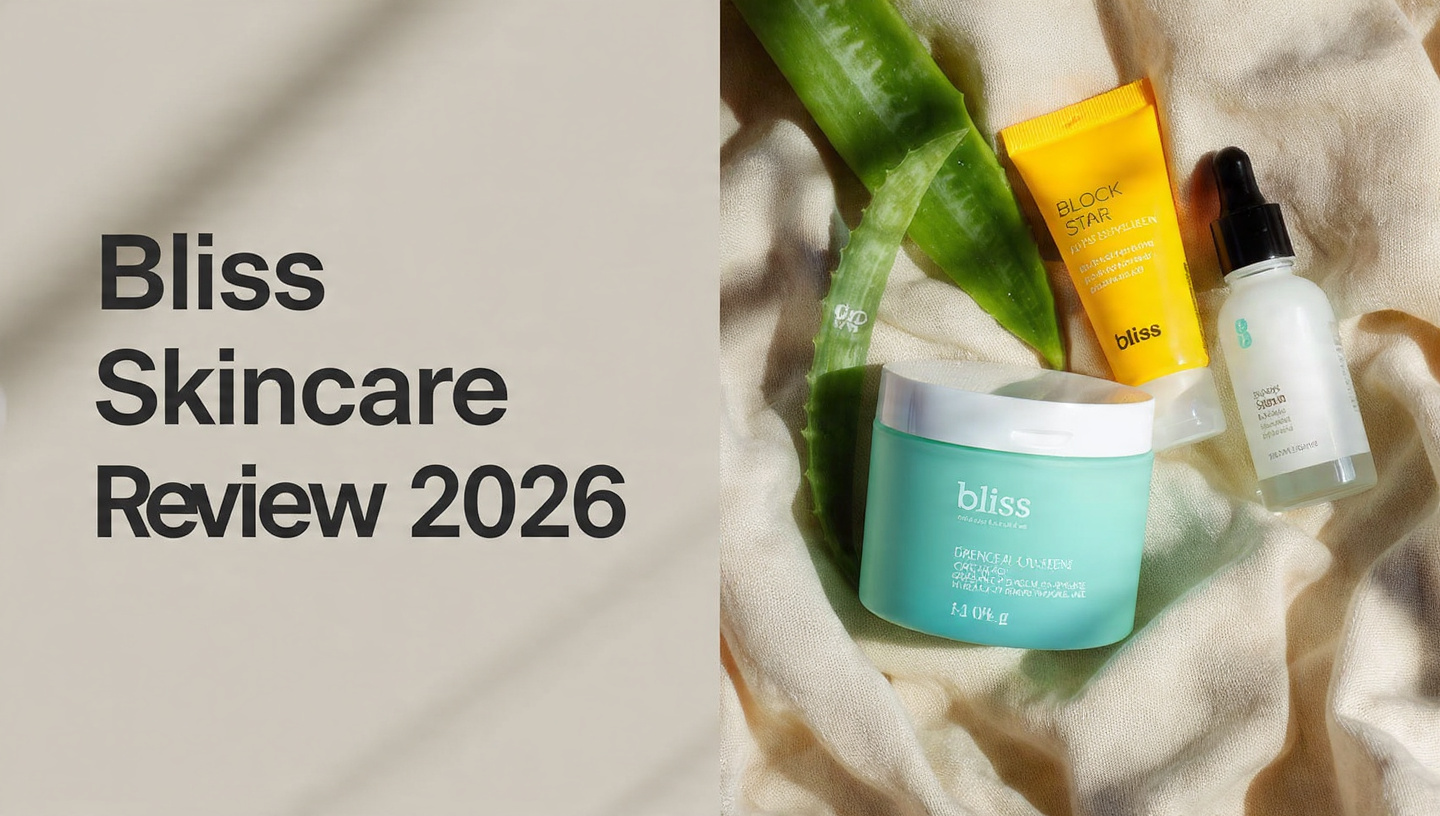
Bliss Skincare Review 2026: An Ingredient-First Guide
Bliss skincare is a nostalgic brand that has reinvented itself for a new generation, but its quality varies widely from genuinely effective to potentially problematic depending on the product and your skin type. This is not a universally gentle or “clean” line, and its heavy use of fragrance places it firmly in the sensory-over-sensitivity category of skincare. You need to read the ingredient labels carefully because what smells like a spa day can sometimes behave more like a stress test for a reactive skin barrier.
Fragrance is one of the most common causes of allergic contact dermatitis in personal care products, a fact consistently reported by the American Academy of Dermatology. A product’s experience and immediate sensory pleasure do not predict its long-term impact on your stratum corneum health. This review separates the products with solid, well-formulated active ingredients from those that are better left on the shelf, especially if your skin leans sensitive, acne-prone, or easily irritated.
You will find a full breakdown of the brand’s philosophy, a clinical look at their four most popular products, and direct comparisons to category leaders like The Ordinary. I will name exactly which ingredients matter, which formulas conflict, and which skin types need to exercise the most caution. If you have been scanning the Bliss aisle wondering whether the cute packaging holds up to a chemist’s scrutiny, you will have a clear answer by the end.
Is Bliss a Good Skincare Brand?
Bliss is a decent mid-tier skincare brand with a strong grasp on sensory appeal and a handful of genuinely effective active-driven products, but it is not a universally safe choice for all skin types. The brand operates on a spectrum where you can find both a well-formulated, dermatologically sound sunscreen and a highly fragranced toner with astringents that can strip the skin barrier.
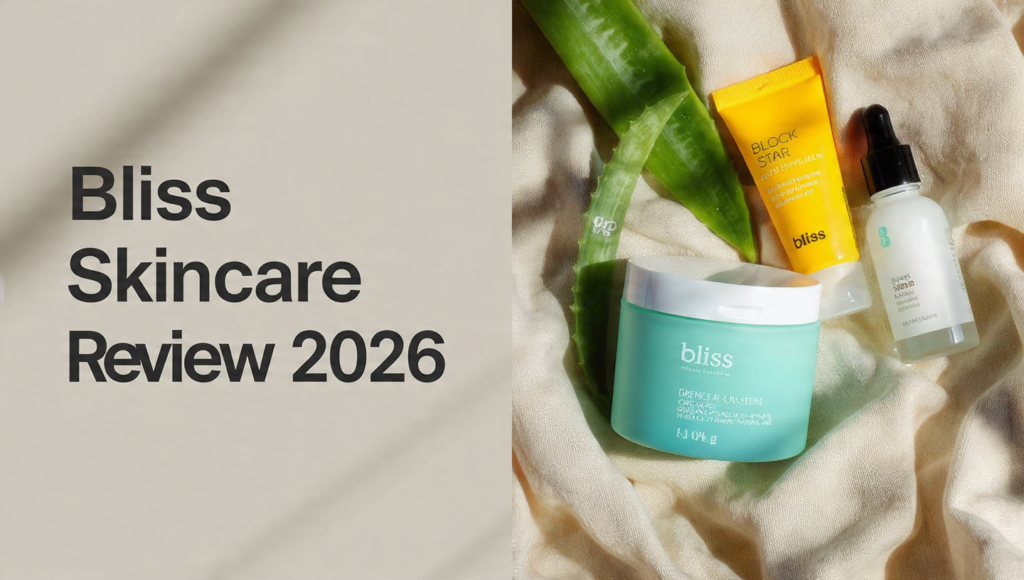
The brand was originally a New York City spa founded in 1996, and that spa DNA still runs through every product. The textures are intentionally lush, the scents are pronounced, and the packaging is bright and playful. After being acquired by AS Beauty Group, the brand expanded its reach while keeping its price point firmly in the accessible masstige category, meaning most products fall between twelve and thirty dollars. This positions them as a step up from basic drugstore but not in the same tier as clinical or professional-grade lines.
From a formulation perspective, Bliss does not adhere to one unified philosophy. Some products lean heavily on proven actives like salicylic acid and glycolic acid. Others rely on botanical extracts and fragrances that make for a pleasant routine but add no measurable dermal benefit. The brand’s “Bliss Fabulous” promise is marketing language, not a clinical standard. The real answer to whether the brand is good rests entirely on which product you pick and what your skin barrier can tolerate.
Key Takeaway: Bliss is a product-by-product brand where your results and safety depend on reading the INCI list, not trusting the product name or spa-inspired marketing.
Bliss Skincare Ingredient Philosophy
Bliss formulates for the sensory experience first and skin compatibility second, creating a house style defined by high fragrance, playful textures, and occasional potent active ingredients. You will not find a single unifying clinical philosophy like “fragrance-free” or “barrier-first” here. Instead, the brand treats skincare as a joy-driven ritual, which is a valid approach for some people but a genuine hazard for others.
The most predictable constant across the line is the presence of synthetic fragrance listed as parfum or fragrance on the INCI list. This is one of the few categories the Cosmetic Ingredient Review (CIR) Expert Panel identifies as a common sensitizer. Fragrance molecules can cause a delayed hypersensitivity reaction, meaning your skin can seem fine for weeks or months and then suddenly react. For someone with a fully intact barrier and no history of contact dermatitis, this might never be an issue. For anyone with atopic dermatitis, rosacea, or simply reactive skin, this single ingredient choice makes a large portion of the Bliss catalog a risky proposition.
On the active ingredient side, Bliss is less consistent. Some formulations include workhorse ingredients like niacinamide and sodium hyaluronate, both of which are well-supported by multiple clinical trials for barrier support and hydration respectively. In the same product line, you might find alcohol denat. (denatured alcohol) sitting high on the ingredient list, creating a contradictory effect where the product hydrates and strips simultaneously. The brand frequently uses silicones like dimethicone for a silky slip, which is dermatologically sound and helps trap water in the skin. The problem is not any single ingredient. It is the combination of barrier-supporting humectants with barrier-disrupting irritants in the same bottle.
Key Takeaway: The Bliss ingredient philosophy is sensory maximalism, meaning you must scan every product for fragrance and denatured alcohol before you assume it is skin-compatible.
Bliss Clear Genius Clarifying Gel Review
The Bliss Clear Genius Clarifying Gel is a lightweight salicylic acid serum formulated to clear clogged pores, but its base includes several potentially sensitizing ingredients that can undermine its acne-fighting goal. This product works well for someone with oily, non-reactive skin who needs a reliable 2% salicylic acid treatment and tolerates witch hazel and fragrance. For anyone else, it introduces more risk than benefit.
Salicylic acid is a beta-hydroxy acid that penetrates the lipid-rich environment of the pore lining, dissolving the keratinocyte debris and sebum that create comedones. The American Academy of Dermatology recognizes salicylic acid as an effective non-prescription acne treatment specifically because of this pore-level mechanism. At 2%, the concentration in Clear Genius is clinically validated to reduce comedonal acne over six to twelve weeks of consistent use. This is the product’s main asset and the reason people with stubborn blackheads and whiteheads gravitate toward it.
The formulation problem lies in what surrounds the salicylic acid. Hamamelis Virginiana (Witch Hazel) Water appears prominently. Most commercial witch hazel is distilled using alcohol, which strips away the tannins responsible for any genuine anti-inflammatory benefit and leaves behind an astringent liquid that constricts tissue and removes surface oils. If your skin overproduces sebum, this initially feels great, but it signals your sebaceous glands to compensate by producing even more oil. Combined with fragrance and a gel base, this can push acne-prone skin into a cycle of oiliness, stripping, irritation, and new breakouts that look like acne but are actually irritant contact dermatitis.
Skin Type and Variation Note: If you have Fitzpatrick skin types IV through VI, any irritation from astringent or fragranced acne products carries an elevated risk of post-inflammatory hyperpigmentation. That dark spot can linger for months after the initial irritation fades.
Bliss Drench and Quench Cream-to-Water Hydrator Review
The Bliss Drench and Quench Cream-to-Water Hydrator is a genuinely well-formulated humectant moisturizer for someone with dry skin who wants the sensory novelty of a texture-transforming cream and can tolerate fragrance. This product is one of the stronger offerings in the Bliss line, built on a hydrating base that makes biomechanical sense.
The primary mechanism here is the cream-to-water transformation. The formula is a high-water-phase emulsion that uses glycerin and sodium hyaluronate as the dominant humectants. Humectants work by drawing water from the deeper dermis and the surrounding environment into the stratum corneum, where it plumps the outermost skin layers and smooths the appearance of fine dehydration lines. Glycerin is one of the most thoroughly studied humectants in dermatology, with a 2016 study in the International Journal of Cosmetic Science confirming its ability to improve stratum corneum hydration over four weeks when used at concentrations between 5% and 25%.
The cream also includes dimethicone, a silicone-based occlusive that sits on top of the skin to slow transepidermal water loss (TEWL). This pairing of a humectant with a partial occlusive is mechanically sound and closely mirrors the hydration strategy used in medical-grade barrier repair creams. The texture gimmick that transforms the cream into water droplets on contact is a formulation achievement that serves a real function: it aids spreadability without requiring fatty alcohols or heavy oils that might feel greasy on oily or combination skin. This makes Drench and Quench a solid daytime option for someone who dislikes the weight of traditional creams.
The single significant caution is the fragrance. Even in an otherwise intelligent formula, fragrance sits in the base and can cause cumulative irritation, especially if you are using other actives elsewhere in your routine.
Key Takeaway: Drench and Quench is one of the smartest formulas Bliss makes, and it would be an outstanding drugstore-level hydrator if the brand offered a fragrance-free version.
Bliss Incredi-Peel Resurfacing Pads Review
Bliss Incredi-Peel Resurfacing Pads deliver an effective 10% glycolic acid chemical exfoliation in a convenient pre-soaked format, but the formula is too aggressive for daily use on most skin types and the addition of fragrance turns a strong peel into a potential irritant cocktail. These pads are easily the most potent product in the Bliss line and the one most likely to cause over-exfoliation damage when used without a clear protocol.
Glycolic acid has the smallest molecular weight among alpha-hydroxy acids, which allows it to penetrate the stratum corneum faster and deeper than lactic acid or mandelic acid. A 10% concentration at a low pH is sufficient to significantly accelerate cell turnover, as confirmed by a 2020 clinical study in the Journal of Clinical and Aesthetic Dermatology that demonstrated a 10% glycolic acid formulation effectively improved skin texture and hyperpigmentation over eight weeks. For someone with sun-damaged skin, uneven texture, or post-inflammatory marks, the active ingredient choice and concentration in Incredi-Peel are clinically rational and effective.
The execution problem is the frequency recommendation. The packaging frames these as daily pads, but daily application of 10% glycolic acid is excessive for anyone except a long-term acid user with a fully robust barrier. Over-exfoliation presents as tightness, shininess that is not hydration, increased redness, and a stinging sensation with water or neutral moisturizers. This is the stratum corneum thinning beyond its functional capacity. If you add the fragrance component, you now have a daily application of a potent acid plus a known skin sensitizer. This is the exact formulation pattern that dermatologists, including the American Academy of Dermatology’s position on exfoliants, warn against because it accelerates barrier degradation without providing the ceramides and fatty acids needed for repair.
Skin Type Note: For people with darker Fitzpatrick skin types, glycolic acid at this concentration with a daily frequency can trigger post-inflammatory hyperpigmentation if even mild irritation develops. A 5% concentration used two to three times weekly is a much safer starting point.
Bliss Block Star Invisible Daily Sunscreen Review
Bliss Block Star Invisible Daily Sunscreen is the single most dermatologically sound product in the entire Bliss lineup, a fully mineral SPF 30 sunscreen with a sheer finish that avoids the major formulation pitfalls common to both the brand and the sunscreen category. This product is the exception that proves the brand is capable of restraint when the product category demands it.
The active ingredients are titanium dioxide and zinc oxide, both classified as GRASE (Generally Recognized as Safe and Effective) by the FDA Final Sunscreen Monograph. Mineral sunscreens work by forming a physical barrier on the skin’s surface that reflects and scatters UV radiation before it reaches living tissue. Unlike chemical sunscreens that absorb UV and convert it to heat, mineral filters sit on top of the stratum corneum, making them the preferred recommendation for sensitive skin, pregnant individuals, and children over six months of age according to the American Academy of Dermatology.
What makes Block Star stand out is the formulation approach to the classic mineral sunscreen problem: the white cast. Zinc oxide and titanium dioxide are inherently white pigments. Many brands nano-size the particles to reduce visibility, but Bliss uses a tinted iron oxide blend suspended in a silicone base with dimethicone and squalane to create a sheer, blurring finish. The iron oxides serve a dual function beyond cosmetic elegance. They also provide protection against visible light, which is relevant for anyone managing hyperpigmentation, particularly melasma patients and people with Fitzpatrick types III through VI. A 2021 study published in the Journal of the American Academy of Dermatology confirmed that tinted sunscreens containing iron oxides significantly reduced visible light-induced pigmentation compared to non-tinted formulas.
This sunscreen is fragrance-free, which is a notable departure from the rest of the brand. If the entire Bliss catalog were formulated to this standard, ingredient-conscious, fragrance-forward, and barrier-respectful, the brand’s clinical reputation would be materially different.
Bliss Skincare for Acne-Prone Skin
Bliss skincare offers some useful active ingredients for acne-prone skin, but its fragranced formulations and astringent base ingredients can easily trigger the kind of irritation that worsens breakouts over time. If you have acne, you are walking a fine line with this brand where the benefit of a 2% salicylic acid product can be completely canceled out by the irritation caused by a witch hazel base.
Acne-prone skin is not simply oily skin that needs to be dried out. It is skin where the follicular lining is shedding abnormally, sebum composition has shifted toward pro-inflammatory lipid profiles, and the skin barrier is often compromised by the very treatments designed to clear it. This is why dermatologists treating acne now emphasize barrier preservation alongside active treatment. A 2023 clinical review in the British Journal of Dermatology reinforced that a damaged barrier increases transepidermal water loss and creates micro-inflammation that can exacerbate inflammatory acne.
The Clear Genius line delivers the right active in salicylic acid but wraps it in a routine that strips the barrier with astringents and fragrance. For someone with robust, oily, non-reactive skin, this may work. For the larger population of acne patients who also have underlying sensitivity, the formulation introduces a cycle of irritation breakouts that look identical to acne but are mechanistically distinct. The Block Star Sunscreen is a genuinely good product for acne-prone skin because sun protection is non-negotiable, especially if you are using exfoliating acids, and the mineral formula is non-comedogenic and fragrance-free. A better approach is to use a fragrance-free salicylic acid product from a clinical brand and supplement with Block Star for sun protection.
Key Takeaway: Your acne routine should have exactly one job: clear breakouts without breaking your barrier. Some Bliss products get the first part right but fail the second.
Bliss Skincare for Sensitive Skin and Rosacea
Bliss skincare is broadly unsuitable for sensitive skin and rosacea due to the pervasive use of fragrance, botanical extracts, and astringents across the product line. If you have diagnosed rosacea or even general reactive skin, only the Block Star Sunscreen and possibly the fragrance-free portions of the now-reformulated basics can be considered safe.
Rosacea is a chronic inflammatory condition characterized by a dysregulated innate immune response, vascular hyperreactivity, and a weakened epidermal barrier. The rosacea-prone barrier has lower levels of natural moisturizing factors and is more permeable to irritants. A 2022 study in the Journal of the American Academy of Dermatology confirmed that topical fragrance exposure is one of the most common exogenous triggers for rosacea flare-ups because the fragrance molecules activate TRPV1 receptors on sensory nerve endings in the skin, triggering flushing, stinging, and inflammation.
When you look at the ingredient lists for the top-selling Bliss products, fragrance is a constant, and denatured alcohol appears in several toners and treatments. Denatured alcohol functions as a solvent and a quick-drying agent, but it dissolves the intercellular lipids that hold corneocytes together. In a rosacea-affected barrier already deficient in these lipids, this further dismantles the barrier’s only defense. Even botanical ingredients like lavender oil or citrus extracts, which Bliss sometimes includes for their aromatic properties, are known contact allergens for reactive skin according to the American Contact Dermatitis Society.
If you have rosacea, the one product you can confidently buy from Bliss is Block Star. The zinc oxide in the sunscreen is a known anti-inflammatory that can reduce the erythema associated with rosacea flare-ups, and the fragrance-free base will not trigger vasodilation. Everything else should be approached with the assumption that it contains at least one common rosacea trigger.
Bliss Skincare Products With Fragrance and Potential Irritants
Bliss is a fragrance-forward brand, and the vast majority of its products contain parfum, denatured alcohol, or botanical extracts known to be skin sensitizers. This is the most significant and consistent criticism of the brand from a clinical skincare perspective. If you filter the Bliss catalog solely by “would a board-certified dermatologist recommend this to a patient with any degree of skin sensitivity,” the answer narrows dramatically.
Fragrance in skincare serves only one purpose: to make the product smell pleasant during application. It provides zero functional skincare benefit. The Cosmetic Ingredient Review Expert Panel has long recognized fragrance as one of the leading causes of allergic contact dermatitis, alongside preservatives like methylisothiazolinone. The issue is not that everyone will react. It is that the population of people who do react is large enough that fragrance-free formulation is considered a clinical best practice in dermatology.
Here is a breakdown of the most common irritants found across the Bliss product line and which products typically contain them:
| Potential Irritant | INCI Name | Function | Found In (Examples) | Risk Profile |
|---|---|---|---|---|
| Synthetic Fragrance | Parfum/Fragrance | Scent | Clear Genius, Drench and Quench, Jelly Glow Peel | Contact dermatitis, rosacea trigger |
| Denatured Alcohol | Alcohol Denat. | Solvent, quick-dry agent | Original Toner, some acne treatments | Barrier lipid dissolution, TEWL increase |
| Witch Hazel Distillate | Hamamelis Virginiana Water | Astringent | Clear Genius Toner and Gel | Stripping, rebound oil, irritation |
| Lavender Oil | Lavandula Angustifolia Oil | Fragrance | Select body products | Linalool and limonene oxidation into allergens |
| Citrus Extracts | Citrus Limon/Citrus Aurantium | Fragrance, antioxidant claim | Various masks and washes | Phototoxic potential, irritant |
One product that stands as the exception is the Block Star Sunscreen, which demonstrates that Bliss knows how to formulate without fragrance when the product category demands it. This suggests the fragrance is a deliberate brand identity choice, not a formulation necessity.
Quick Tip: Before buying any Bliss product, open the ingredient list and press Ctrl+F (or Command+F on Mac) to search for “fragrance,” “parfum,” “alcohol denat.,” and “linalool.” If you find more than one, your reactive skin threshold should be on high alert.
Bliss vs The Ordinary: A Comparative Analysis
Bliss and The Ordinary occupy a similar price band in the masstige skincare market, but they are philosophically opposite brands when it comes to formulation integrity, transparency, and skin compatibility for sensitive or condition-specific skin. If you care primarily about sensory experience and brand aesthetic, Bliss wins. If you care about ingredient efficacy, formula minimalism, and clinical compatibility, The Ordinary is the vastly safer and more effective choice.
The Ordinary, owned by DECIEM, built its entire identity on single-ingredient-focused, fragrance-free, alcohol-free formulations that let consumers build their own routine from clinically validated molecules. Every product is named after its active ingredient. Every label states the concentration. This transparency makes the line compatible with dermatological guidance in a way that Bliss, with its proprietary blends and heavy fragrance load, cannot match.
Here is a direct comparison across the key evaluation criteria:
| Evaluation Criteria | Bliss | The Ordinary |
|---|---|---|
| Primary Focus | Sensory, spa-like routine | Ingredient-led clinical efficacy |
| Fragrance-Free | No (Block Star is the exception) | Yes (entire line) |
| Active Concentration Disclosure | Inconsistent | Always stated |
| Barrier-Safe Base Formulations | Mixed; often includes alcohol and fragrance | Yes; water, propanediol, or squalane bases |
| Best For | Non-reactive skin seeking a fun routine | All skin types, especially sensitive, acne-prone, rosacea |
| SPF Offering | Excellent mineral SPF 30 | Minimal SPF options (a brand weakness) |
For a direct product comparison, consider an exfoliating acid serum: Bliss Incredi-Peel at 10% glycolic acid in a fragranced, pre-soaked pad versus The Ordinary Glycolic Acid 7% Toning Solution, which is a fragrance-free, alcohol-free liquid with a slightly lower concentration and a gentler base. The Bliss product feels like a stronger spa treatment. The Ordinary product is safer for consistent use across a wider range of skin types.
The one area where Bliss holds a clear advantage is in the SPF category. Block Star is a better-formulated sunscreen than anything The Ordinary currently offers, with its tinted, sheer, fragrance-free mineral formula. A hybrid routine is a reasonable approach: build your actives and serums from The Ordinary and borrow Block Star for daily sun protection.
How to Use Bliss Active Ingredients Safely in Your Routine
To use Bliss active ingredients safely, you must treat any product containing glycolic acid or salicylic acid as a standalone active and build the rest of your routine with fragrance-free, barrier-repairing products to compensate for the irritation potential in the Bliss formulas. Do not layer multiple Bliss actives together. Do not increase frequency beyond what your barrier can visibly tolerate.
Here is the step-by-step protocol for incorporating a Bliss active product into a routine built for skin tolerance:
- Patch Test Behind the Ear: Apply a small amount of the Bliss active product behind your ear once daily for three days. Check for redness, itching, or stinging. If you react behind the ear, you will react on the face, but the reaction will be smaller and easier to manage.
- Start at Twice-Weekly Frequency: Even if the packaging says “daily,” begin with Monday and Thursday nights only. This allows you to observe how your skin responds over a full two-week period without risking a cumulative barrier injury.
- Buffer the Active: Apply a thin layer of a fragrance-free, basic moisturizer like one containing ceramide NP and dimethicone before the Bliss active. This slows absorption and reduces the initial stinging. The clinical efficacy of the acid is not reduced by buffering; only the irritation potential is lowered.
- Protect With a Mineral Sunscreen Daily: The morning after using any Bliss exfoliating product, apply a zinc oxide-based sunscreen like Block Star. Even one application of a glycolic acid product increases your photosensitivity for up to seven days, a fact confirmed by the FDA’s sunscreen guidance documents.
- Never Layer With Other Actives on the Same Night: Do not use a Bliss Incredi-Peel pad and then apply a retinol, a vitamin C product, or another acid toner. The stratum corneum has a finite capacity to process exfoliation and cell signaling. Exceeding it triggers inflammation, not faster results.
Individual Variation Note: If you are pregnant or nursing, salicylic acid at 2% used on small body surfaces is generally considered acceptable by the American College of Obstetricians and Gynecologists, but full-face high-percentage glycolic acid peels are best avoided during pregnancy due to higher systemic absorption potential compared to lower-strength leave-on products.
Key Takeaway: The best Bliss active ingredient routine treats the product like a prescription-strength tool, not a daily cosmetic, regardless of the marketing on the jar.
Where Bliss Skincare Fits in the Skincare Market in 2026
In 2026, Bliss occupies the accessible masstige middle ground between clinical fragrance-free brands and luxury sensory brands, serving as an entry point for consumers who prioritize the ritual of skincare over the clinical precision. This positioning is profitable and popular, but it creates a responsibility gap that clinically informed consumers will notice immediately.
The skincare market in 2026 has bifurcated. On one side, you have pharmacy-derived, dermatologist-founded lines like CeraVe, La Roche-Posay, and The Ordinary, where ingredient integrity and barrier health are the primary value proposition. On the other side, you have luxury brands where the experience, packaging, and brand storytelling justify price points above eighty dollars per bottle. Bliss sits right in the middle, offering something that feels more special than a drugstore tube but at a price that a 28-year-old building their first serious routine can afford.
The brand’s strength is in visual identity and the cream-to-water, gel-to-oil texture innovations that make skincare feel like an enjoyable ritual. For a skincare newcomer, this ritual aspect matters. It builds consistency, and consistency drives results. The weakness is that the fragranced, astringent formulations do not evolve with the consumer. Someone who starts their skincare journey with Bliss at age 25 might find that by age 32, their skin can no longer tolerate the fragrance, and they need to upgrade to a more barrier-respectful line.
Block Star Sunscreen is the brand’s most future-proof product. It competes directly with Supergoop and EltaMD on the mineral-tinted sunscreen category at a lower price point. If Bliss invested more heavily in this direction, fragrance-free, high-sensory, barrier-first formulas, the brand could capture the growing market of consumers who want both clinical safety and a delightful texture. Until then, Bliss is best understood as a transitional brand.
Who Should Not Use Bliss Skincare Products
Anyone with diagnosed rosacea, chronic atopic dermatitis, a compromised skin barrier, active contact dermatitis, or a known fragrance allergy should not use the vast majority of Bliss skincare products. If you fall into any of these categories, the only product with an acceptable safety profile is the Block Star Invisible Daily Sunscreen, and even that should be patch tested if you have an acute flare.
Beyond clinical conditions, specific life stages and circumstances warrant caution. Pregnant individuals should be aware that Bliss products often contain complex botanical blends with essential oil components like linalool and limonene, which are not regulated for pregnancy safety. While the systemic absorption of topical fragrance is minimal, the heightened skin sensitivity common during pregnancy, especially during the first and third trimesters, makes a fragrance-forward routine unnecessarily risky. A simpler, fragrance-free routine is the standard recommendation from obstetrics and dermatology professionals.
Teenagers and young adults starting acne treatment should also proceed carefully. The cultural draw of Bliss packaging is strong for this demographic, but beginning an acne treatment journey with a fragranced, astringent-heavy routine can establish harmful patterns. It teaches the user that skin should feel tight, stripped, and scented to be clean. This sensation becomes addictive and leads to long-term barrier damage that can take months to repair. A teenager with comedonal acne is far better served by a fragrance-free 2% salicylic acid wash from a clinical brand and a basic non-comedogenic moisturizer.
If your skin stings when you apply water after washing, if you have visible redness that persists more than thirty minutes after your routine, or if your skin is flaking in patches that are not related to a known peel, stop all Bliss products immediately. These are signs of a disrupted barrier. A board-certified dermatologist can help you identify the specific allergen or irritant and rebuild your routine with safe alternatives.
The most practical truth about Bliss skincare is that it rewards the selective shopper and punishes the loyalist who buys into the entire system without checking individual ingredient labels. The Block Star Sunscreen is a genuine category leader. The Drench and Quench moisturizer is a clever humectant formula hiding a fragrance problem. The Clear Genius and Incredi-Peel lines contain the right active ingredients in the wrong base for anyone but the most non-reactive skin. If you have sensitive skin, rosacea, or a compromised barrier, your skincare dollars will go further and your skin will stay calmer with fragrance-free, barrier-respecting alternatives. If your skin is resilient and you genuinely enjoy fragrance as part of your routine, you can find value in select products here, provided you treat any exfoliating active with the caution a clinical ingredient deserves. Read the full ingredient list before every purchase. That single habit makes the difference between a good review and a bad outcome.