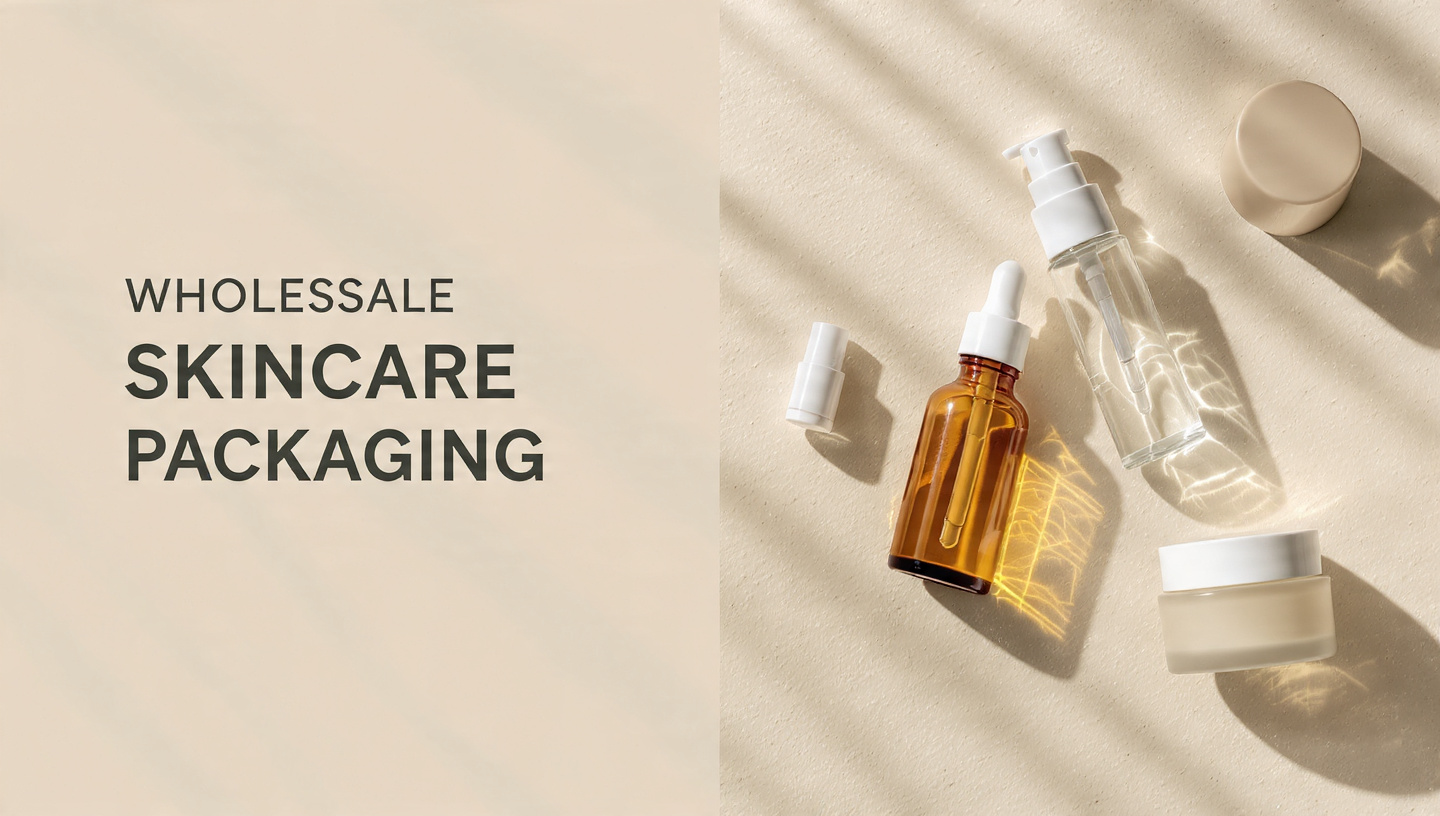
Wholesale Skincare Packaging: The 2026 Material Guide
Wholesale skincare packaging is the structural foundation that determines whether your serum stays stable or your cream oxidizes. Choosing the right container is not just an aesthetic decision; it is the primary engineering control against degradation. If you purchase the wrong plastic for your acid serum, you are shipping a compromised product.
This matters because the skin barrier, the stratum corneum, is designed to keep things out, but compromised ingredients can cause inflammation or simply fail to work. According to the United States Pharmacopeia (USP) Chapter 661, plastic containers used for pharmaceuticals and cosmetics must pass rigorous biological reactivity and physicochemical testing to ensure they do not leach harmful chemicals into the contents. Most indie brands skip this test.
Here is what you need to know. We are going to walk through the materials, the mechanisms, and the safety standards for 2026. You will learn why airless pumps are essential for retinoids, why amber glass saves your vitamin C, and where to source these containers without falling for supplier marketing fluff.
Wholesale Skincare Packaging
Wholesale skincare packaging refers to the bulk purchase of containers—bottles, jars, tubes, and pumps—used to store and dispense cosmetic formulations. The primary function of this packaging is to act as a physical barrier between the active ingredients and the environment. It prevents oxidation, contamination, and moisture loss while allowing the consumer to dispense the product.
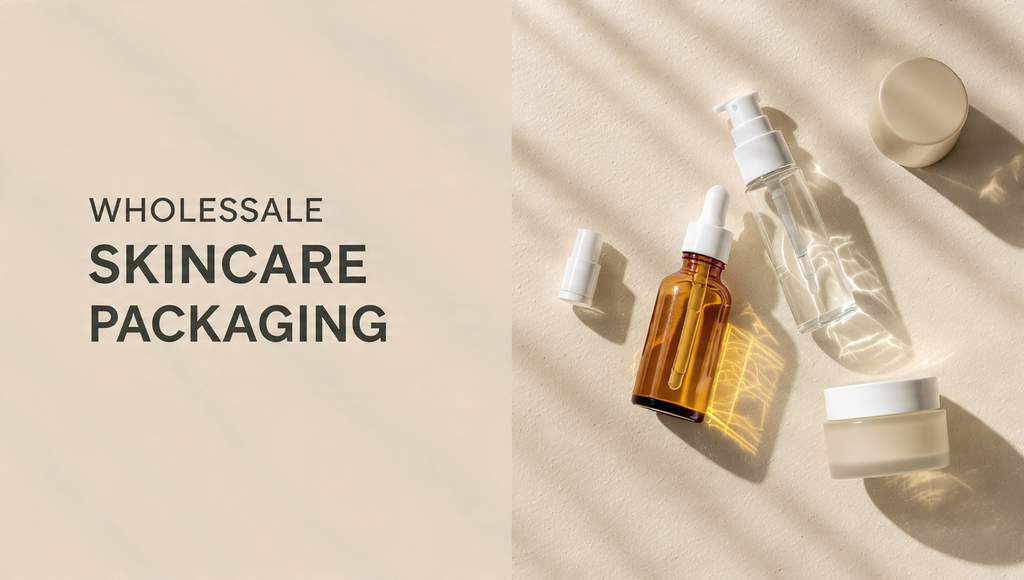
Most suppliers sell packaging based on volume capacity and material type. You will see options like High-Density Polyethylene (HDPE) and Polyethylene Terephthalate (PET) listed frequently. These two plastics behave very differently chemically. HDPE is flexible and opaque, often used for body lotions. PET is rigid, crystal clear, and has a high chemical resistance, making it the standard for many serum bottles.
The chemistry of your formula dictates the choice. Oil-based serums and balms generally require packaging with a strong oxygen barrier. Water-based formulas with actives like niacinamide or salicylic acid require packaging that prevents water loss and microbial growth. The interior surface of the package must not react with the formula. According to the FDA, cosmetic packaging must be safe for the intended use, meaning it cannot leach harmful substances into the product.
- HDPE (High-Density Polyethylene): Excellent moisture barrier, poor oxygen barrier. Best for thick creams and body butters.
- PET (Polyethylene Terephthalate): Good oxygen and moisture barrier. Best for water-based serums and toners.
- PP (Polypropylene): High heat resistance, good barrier. Best for products requiring hot filling or high-temperature processing.
Skincare Product Packaging
Skincare product packaging is the system that delivers a specific formula type—serum, cream, or gel—while maintaining its chemical integrity from the fill line to the final use. A dropper bottle and an airless pump serve completely different functions in product preservation. The choice between them depends on the volatility of the ingredients inside.
Actives like retinol and ascorbic acid are notoriously fragile. Retinol degrades when exposed to UV light and oxygen, converting into less effective compounds and potentially causing irritation. Ascorbic acid oxidizes when air is introduced, turning the formula yellow or brown and rendering it useless. These ingredients demand packaging that excludes oxygen and light entirely.
The interaction between the product and the container is regulated. The Journal of Pharmaceutical Sciences reports that leachables—chemicals that migrate from plastic into product—can accelerate degradation of sensitive formulas. The type of plastic resin, the additives used in manufacturing, and the seal type all influence product stability. A 2023 study in Packaging Technology and Science found that certain antioxidants in plastic caps can migrate into lipid-based formulas over time, neutralizing the product’s own preservatives.
- Formulation Type: Water-based gel vs. oil-based balm.
- Active Ingredients: Retinoids, acids, and antioxidants require light and air protection.
- Viscosity: Thick creams cannot be dispensed through a fine mist spray.
- Shelf Life: Products without strong preservatives need stricter packaging barriers.
Key Takeaway: Packaging is not a decorative casing; it is the active control system for the chemistry inside your bottle.
Bulk Cosmetic Containers
Bulk cosmetic containers are purchased in large quantities, typically thousands of units, to reduce per-unit cost for brands and contract manufacturers. The volume of the purchase impacts the manufacturing process used. High-volume orders often use injection molding for consistency, while low-volume orders might use extrusion blow molding.
The cost of a container is driven by the resin price, the complexity of the mold, and the decoration process. A simple natural HDPE bottle costs significantly less than a custom-molded PETG (Polyethylene Terephthalate Glycol) jar with a silk-screened logo and metalized cap. The supply chain for these materials fluctuates with the petroleum market, impacting wholesale prices.
When sourcing bulk containers, you must verify the certification. The supplier should provide a Certificate of Analysis (COA) confirming the material meets FDA food-grade standards at minimum. For skincare, you want to confirm the container has passed USP Class VI testing for biological reactivity. This ensures the plastic does not cause skin irritation or systemic toxicity when in prolonged contact with the product.
| Container Type | Typical Volume | Best Use Case | Material Note |
|---|---|---|---|
| Bottle | 15ml to 500ml | Toners, cleansers, lotions | PET or HDPE |
| Jar | 5g to 500g | Balms, masks, thick creams | PP, Acrylic, Glass |
| Tube | 3ml to 200ml | Spot treatments, eye creams | Laminated or Extruded |
| Dropper | 5ml to 100ml | Facial oils, serums | Glass with rubber bulb |
Airless Pump Bottles Wholesale
Airless pump bottles wholesale are containers that use a vacuum mechanism to dispense product without allowing air to enter the chamber. The mechanism works by a piston rising from the bottom of the bottle as the pump actuator is pressed. This creates a vacuum that pushes the product upward, leaving no air pocket behind.
This mechanism is critical for preserving antioxidants and retinoids. When you pump a standard bottle, air rushes back into the container to replace the displaced volume. That air introduces oxygen and moisture, which accelerates the oxidation of vitamin C and the degradation of retinol. Airless technology prevents this by physically removing the air reservoir.
There is a specific form of airless packaging called the “bag-in-bottle” system. This uses a flexible inner pouch surrounded by a rigid outer shell. Air pressure from the pump compresses the pouch. This system is exceptionally good at preventing contamination, as the product never touches the actuator mechanism. A 2024 report in Cosmetics & Toiletries noted that airless packaging extends the physical shelf life of anhydrous formulas by up to 18 months compared to traditional open-mouth jars.
- Mechanism: Piston-driven vacuum.
- Contamination Risk: Very low, as users cannot touch the interior.
- Viscosity Range: Best for lotions and serums, not heavy balms.
- Cost: Significantly higher than standard bottles, typically 2 to 3 times the price.
Amber Glass Dropper Bottles Wholesale
Amber glass dropper bottles wholesale are the standard for preserving light-sensitive botanical oils and high-end serums. The amber glass acts as a physical filter, blocking the high-energy wavelengths of light that trigger photodegradation. Specifically, amber glass blocks ultraviolet (UV) light and blue light, which are the primary wavelengths that break down essential oils and retinol.
The dropper mechanism itself is often the weak point in this system. The rubber bulb at the top of the dropper allows air to enter the bottle every time it is used. If the serum inside is highly oxygen-sensitive, the dropper introduces fresh oxygen with each use. This is why some chemists prefer treated amber glass with a pump closure instead of a dropper for highly unstable molecules like L-ascorbic acid.
The glass composition matters. Type III soda-lime glass is standard and adequate for most pH ranges. However, if you are formulating a product with a very high concentration of chelating agents or acids, Type I borosilicate glass is superior because it has lower extractable levels of sodium and calcium. These metals can leach into the product and catalyze oxidation.
| Feature | Amber Glass Dropper | Clear Glass Dropper |
|---|---|---|
| Light Protection | High (blocks UV and visible blue) | Low (requires secondary carton) |
| Chemical Resistance | Moderate (Type III) | Moderate (Type III) |
| Consumer Experience | Classic, “apothecary” feel | Shows off product color |
| Cost | Moderate | Low |
Key Takeaway: If your formula has natural colorants or essential oils, amber glass is a requirement, not an aesthetic preference.
Serum Packaging Wholesale
Serum packaging wholesale is specifically engineered for low-viscosity, high-actives formulas that require precise dosing. A serum is a concentrated formula designed to penetrate the stratum corneum. Because the ingredients are often expensive and potent, the packaging must deliver a consistent dose without waste.
The most common dispensing options for serums are dropper tips and airless pumps. A dropper tip relies on gravity and user skill, which leads to inconsistent dosing. An airless pump delivers a calibrated dose, usually 0.2 to 0.5 ml per actuation, ensuring the consumer uses the right amount to achieve efficacy. Over-application of potent actives like glycolic acid can lead to chemical burns, so dose control is a safety feature.
The material of the bottle impacts the stability of hyaluronic acid solutions. These solutions are water-based and susceptible to microbial growth. The packaging must be compatible with preservatives like phenoxyethanol or sodium benzoate. Some plastics absorb preservatives, reducing their effectiveness over time. Polypropylene (PP) is known for its low preservative uptake compared to certain low-density plastics.
- Dose Control: Airless pumps provide consistency; droppers are variable.
- Material: PET or PP are preferred for water-based serums.
- Seal: An induction seal on the inner neck prevents leakage and provides tamper evidence.
- Actuator: The shape of the actuator determines if the product comes out as a stream or a mist.
Cream Jars Wholesale
Cream jars wholesale are the traditional choice for thick emulsions, body butters, and balms. The primary drawback of a jar is the exposure to air and fingers every time it is opened. This introduces bacteria and oxygen directly into the product, which is why jars are generally unsuitable for retinol or vitamin C formulas.
However, jars are ideal for water-in-oil emulsions that are physically stable. A thick moisturizer containing ceramide NP and petrolatum forms an occlusive barrier on the skin, but it can also tolerate some air exposure inside the jar without immediately degrading. The formulation’s viscosity prevents rapid oxygen diffusion through the bulk.
The inner lining of the jar is critical. Some plastics and coatings react with citrus oils or limonene. If you are filling a jar with a high percentage of essential oils, the liner must be phenolic or epoxy-lined to prevent the oils from dissolving the plastic. Unlined metal jars are generally a poor choice for acidic formulas.
- Double-Wall Jar: Provides better insulation and a premium feel but costs more.
- Single-Wall Jar: Lighter and cheaper, standard for body products.
- Liner: Ensure the liner is compatible with your solvent system (water vs. oil).
Lotion Bottles Bulk
Lotion bottles bulk are designed for high-volume dispensing of low-to-medium viscosity products. Lotion bottles often feature a disc top cap or a pump dispenser. The choice between these two closures impacts the product’s usability and the rate of evaporation.
Most lotion bottles are made from PET or HDPE. PET offers superior clarity, allowing consumers to see the remaining product. HDPE offers better resistance to stress cracking and is often opaque, which provides some incidental light protection. For body lotions with mild actives, HDPE is a cost-effective and durable choice.
The neck finish is a technical detail that brand owners often overlook. The neck finish must match the cap or pump you intend to use. A 24/410 neck finish is the industry standard for many lotion pumps, while a 20/410 is common for smaller bottles. Ordering the wrong finish results in inventory that cannot be assembled.
| Cap Type | Dispensing Method | Best For |
|---|---|---|
| Disc Top | Flip top with a small orifice | Thin lotions, cleansers |
| Lotion Pump | Spring-loaded piston | Standard body lotions |
| Treatment Pump | Airless, no dip tube | Serums, expensive actives |
| Smooth Cap | Screw top, no dispenser | Thick butters, masks |
Key Takeaway: The cap and closure system is just as important as the bottle, as it controls the microbial entry point.
Sustainable Skincare Packaging Wholesale
Sustainable skincare packaging wholesale refers to containers made from renewable, recycled, or refillable materials that minimize environmental impact. This includes Post-Consumer Recycled (PCR) resin, paper-based tubes, and refillable glass systems. The demand for these materials is driven by both consumer preference and impending regulatory pressure.
There is a tension between sustainability and preservation. PCR plastic is made from recycled bottles, which introduces variability in the molecular structure of the material. This can result in micro-cracks or inconsistent barrier properties compared to virgin plastic. If you are packaging a sensitive serum, a 100% PCR bottle might have a higher failure rate for oxygen ingress than a virgin PET bottle.
Brands are solving this with hybrid structures. A refillable outer case made from heavy glass or aluminum can be paired with a recyclable inner pouch. This allows the consumer to keep the premium exterior while replacing the active chemistry inside. According to the Sustainable Packaging Coalition, this model reduces transportation weight and material waste while maintaining product efficacy.
- PCR (Post-Consumer Recycled): Reduces landfill waste but has variable quality.
- Paper Tubes: Cardboard exterior with a thin plastic liner; challenging for high-water formulas.
- Refillable Systems: High upfront cost for the consumer but excellent for brand loyalty.
- Bioplastics: Derived from corn or sugarcane; generally poor oxygen barriers for skincare.
Recyclable Cosmetic Packaging
Recyclable cosmetic packaging is designed to be processed by standard municipal recycling facilities without extensive disassembly. The reality of recycling skincare containers is complicated by the mixture of materials. A typical pump contains a metal spring, a glass ball, and different plastic polymers, making it nearly impossible to recycle through curbside programs.
Mono-material packaging is the solution. This means the bottle, cap, and label are all made from the same resin type, usually Polypropylene (PP) . PP is widely recyclable and has good chemical resistance. By using a PP bottle and a PP pump (where the spring is encased or replaced with a plastic mechanism), the entire unit can be recycled without separation.
The How2Recycle label system is the standard for communicating recyclability to consumers. Brands must accurately assess the recyclability of their components. If a component is not recyclable, the label must state “Check Locally” or “Not Yet Recyclable.” Mislabeling packaging as recyclable when it is not is considered greenwashing and can damage brand trust.
Biodegradable Skincare Containers
Biodegradable skincare containers are designed to break down in specific environmental conditions, such as industrial composting facilities. These containers are typically made from Polylactic Acid (PLA) or other plant-based polymers. While this sounds ideal, it creates specific challenges for skincare preservation.
PLA has a much lower heat resistance than PET and a higher moisture vapor transmission rate (MVTR). This means water-based products will slowly evaporate through the container wall over time. This alters the concentration of the formula and can destabilize the emulsion. Biodegradable containers are generally only suitable for dry products, like powder masks or solid shampoo bars, or products with a very short intended shelf life.
The term “biodegradable” is regulated loosely. Many plastics labeled as biodegradable only break down in high-heat industrial facilities, not in a backyard compost bin or the ocean. If you are selling a product in a biodegradable container, you must clearly specify the required disposal conditions to avoid misleading consumers about the product’s actual environmental impact.
Key Takeaway: Sustainability is important, but not at the cost of product safety and efficacy; matching the right eco-material to the right formula is the key.
Custom Skincare Packaging
Custom skincare packaging involves creating unique molds, shapes, or decorations tailored to a specific brand identity. This goes beyond simply applying a label to a stock bottle. It requires investment in tooling (molds) and often involves higher minimum order quantities.
The customization process allows you to control the user experience. You can design an ergonomic grip, a specific actuator shape, or a color scheme that reflects your brand. However, custom tooling is expensive, often costing $5,000 to $50,000 per mold depending on complexity. This does not include the cost of the bottles themselves.
Stock packaging with custom decoration is a more accessible entry point. You can purchase standard bottles in bulk and apply custom screen printing, hot stamping, or labeling. This allows you to achieve a branded look without the prohibitive cost of unique molds. Many successful indie brands start with decorated stock packaging and transition to custom molds once their volume justifies the investment.
- Stock Mold: Lower cost, faster lead times, limited design options.
- Custom Mold: High upfront cost, longer lead times, full design control.
- Stock + Decor: The sweet spot for most indie brands.
Private Label Skincare Packaging
Private label skincare packaging refers to purchasing pre-formulated products from a contract manufacturer and branding them as your own. The packaging options are often limited to the manufacturer’s standard catalog. This is the fastest way to launch a skincare line, as you bypass the formulation stage entirely.
The risk with private label packaging is the lack of customization regarding material compatibility. If the manufacturer uses a standard jar for all their creams, but you want to sell a cream with retinol, that jar might be insufficient for preservation. You are relying on the manufacturer’s assurance that the packaging meets stability standards.
When vetting a private label partner, request stability testing data for the specific formula in the specific package. A reputable contract manufacturer will have this data available. If they cannot provide evidence that the packaging maintains the product’s efficacy over the claimed shelf life, you should consider a different supplier or a different packaging configuration.
Minimum Order Quantity Skincare Packaging
Minimum order quantity (MOQ) refers to the lowest number of units a supplier is willing to sell in a single transaction. In the skincare packaging industry, stock containers typically have MOQs ranging from 500 to 10,000 units. Custom molded containers have much higher MOQs, often 10,000 to 50,000 units or more.
The MOQ is driven by the manufacturing process. Injection molding machines have high output rates, but changing the mold is time-consuming. Suppliers set MOQs to justify the downtime required to set up a production run. For custom packaging, the MOQ is influenced by the color of the resin and the complexity of the decoration.
Many small brands find themselves trapped between high MOQs and limited capital. This leads to “overstocking” where a brand buys 10,000 units of a bottle but only has enough capital to fill 2,000. They end up with pallets of empty packaging consuming warehouse space. To avoid this, look for suppliers who specialize in “low MOQ” or “stock plus” programs that allow you to purchase smaller quantities of popular sizes with basic decoration.
Key Takeaway: Factor in storage costs and fill rates when calculating your true packaging cost, not just the per-unit price.
Skincare Packaging Suppliers USA
Skincare packaging suppliers USA are companies that manufacture or distribute containers within the United States, offering faster lead times and potentially higher quality control standards than overseas suppliers. Sourcing domestically reduces shipping costs and carbon footprint, but often increases the unit cost.
The primary advantage of a US-based supplier is supply chain transparency. You can often request a facility audit or review their quality certifications. Look for suppliers with ISO 9001 certification for quality management systems and ISO 14001 for environmental management. These certifications indicate that the supplier has documented processes for consistency and compliance.
When comparing US suppliers to overseas options, consider the total landed cost. A bottle that costs $0.10 from an overseas supplier might cost $0.15 from a US supplier, but the overseas option requires paying for shipping, import duties, and potentially holding inventory for months. The US supplier can often deliver in 2 to 4 weeks, allowing for more agile inventory management.
Lip Balm Tubes Wholesale
Lip balm tubes wholesale are small, handheld dispensers designed specifically for anhydrous (water-free) balms and butters. The standard size is 0.15 oz (4.25 grams). These tubes are typically made from Polypropylene (PP) or High-Density Polyethylene (HDPE) .
The primary consideration for lip balm tubes is the mechanical function of the twist-up mechanism. The elevator platform inside the tube must move smoothly up and down without jamming. If the mechanism fails, the consumer cannot access the product, rendering the packaging useless. Quality control for lip balm tubes focuses on the tolerance between the inner screw and the outer sleeve.
Because lip balms are often applied to broken or chapped skin, the container must be free from sharp edges or burrs. High-quality tubes have a smooth, polished rim. Low-quality tubes can have plastic flashing from the molding process that cuts the lips. This is a safety and quality issue that separates premium suppliers from discount ones.
Child Resistant Skincare Packaging
Child resistant skincare packaging is designed to prevent young children from accessing potentially harmful topical products. This is particularly relevant for products containing retinoids, salicylic acid, or essential oils that can cause serious adverse effects if ingested or applied excessively by a child.
The Poison Prevention Packaging Act (PPPA) requires child-resistant closures for certain products. While most cosmetic products are exempt from the PPPA, products that contain ingredients in concentrations that could be hazardous are not. The FDA recommends that any product containing ingredients that pose a risk to children use child-resistant packaging.
Child-resistant mechanisms typically require a two-handed operation or a push-and-turn motion that young children find difficult to coordinate. Common designs include the “push down and turn” cap and the “squeeze and turn” cap. If you are selling a product with a high concentration of glycolic acid or other peeling agents, child-resistant packaging is a responsible safety measure.
| Ingredient Risk | Packaging Requirement | Rationale |
|---|---|---|
| High % Acids | Push-and-turn cap | Prevent accidental facial application or ingestion |
| Retinoids | Airless, CRC cap | Prevent child access to potent cell regulators |
| Essential Oils | Secure dropper cap | Prevent aspiration or oral ingestion |
Key Takeaway: If your formula poses a risk to a toddler, your packaging must be a physical barrier, not just a label warning.
Cosmetic Packaging Design Ideas
Cosmetic packaging design ideas in 2026 focus on tactile experience, sensory branding, and functional minimalism. The design must communicate the brand’s ethos while supporting the product’s usability. The weight of the cap, the softness of the matte coating, and the precision of the dispenser all contribute to the consumer’s perception of quality.
Texture is becoming a dominant trend. Soft-touch matte finishes on HDPE tubes provide a premium feel without the high cost of glass or metal. UV spot printing creates a contrast between gloss and matte surfaces, drawing the eye to the brand logo. These tactile elements increase the perceived value of the product.
Color psychology remains relevant. Earth tones and sage greens communicate natural formulations, while deep blues and blacks communicate clinical efficacy. The Pantone Color Institute’s 2026 Color of the Year, “Mocha Mousse,” is influencing a shift towards warm, grounding neutrals in premium skincare lines. This reflects a consumer desire for comfort and reliability in their self-care routines.
- Tactile Finishes: Soft-touch matte coatings increase grip and perceived luxury.
- Sustainability Aesthetics: Unbleached kraft paper labels and natural cork accents.
- Minimalist Typography: Clean, sans-serif fonts that communicate ingredient transparency.
- Color Blocking: Using distinct colors for different product lines (e.g., green for acne, blue for hydration).
Frequently Asked Questions About Wholesale Skincare Packaging
What is the best packaging for vitamin C serum?
The best packaging for vitamin C serum is an opaque airless pump that blocks light and excludes oxygen. Ascorbic acid is highly unstable and oxidizes quickly when exposed to air or light. Amber glass with a dropper is a secondary option, but it introduces air with each use.
Is plastic or glass better for skincare products?
Plastic is generally better for shipping durability and cost, while glass is better for chemical inertness and light protection when amber. The choice depends on the formula’s sensitivity to oxygen and light. PET plastic offers a good balance for most water-based products.
What is an airless pump bottle?
An airless pump bottle is a container that uses a piston mechanism to dispense product without allowing air to enter the container. This prevents oxidation and contamination of air-sensitive ingredients. It delivers a precise dose with each pump.
How do you sanitize bulk cosmetic containers before filling?
You should use a production facility that sanitizes containers with UV light, ozone, or filtered compressed air. Washing containers at home is not recommended for commercial sale due to the risk of bacterial contamination. Most suppliers deliver containers ready for filling, but verify their cleanliness certifications.
Can you recycle amber glass dropper bottles?
Yes, amber glass dropper bottles are highly recyclable because glass is infinitely recyclable. You must remove the rubber bulb and plastic cap before placing the glass in the recycling bin. The dropper stem is often glass but may contain a plastic insert that must be separated.
What is the minimum order quantity for custom skincare boxes?
The minimum order quantity for custom skincare boxes typically ranges from 500 to 5,000 units. Digital printing has reduced MOQs for boxes to as low as 500, while traditional offset printing usually requires 2,000 or more. The specific quantity depends on the box manufacturer’s equipment.
================================================================
The right wholesale skincare packaging does more than hold your product; it locks in the efficacy of your actives and protects your customer’s skin. Whether you choose an airless pump for retinol or amber glass for botanical oils, the material science must align with the formula chemistry. Ignoring this alignment is the fastest way to ship a product that fails safety checks or disappoints customers.
Start by auditing your current formula. Identify the volatile ingredients and match them to the barrier properties of the container. Then, compare suppliers not just on price, but on their certification history and material transparency.
When your packaging protects the product, the product can do its job on the skin. That is the standard you should hold for every jar, bottle, and tube you purchase.