Sun Damaged Skin Skincare Guide 2026
Sun damaged skin responds best to a consistent routine built around three proven ingredients: a stable vitamin C serum in the morning, a retinoid at night, and broad spectrum sunscreen daily. This combination addresses the visible signs of photoaging while preventing further damage. Sun exposure is widely cited as the biggest single cause of visible skin aging (the Skin Cancer Foundation puts it at about 90%), making targeted skincare the most direct intervention available outside of in-office procedures.
Key Takeaways
- Most visible photoaging, including fine lines, sun spots and rough texture, comes from years of cumulative UV exposure.
- Daily broad-spectrum SPF 30 or higher is the foundation; retinoids and vitamin C have the strongest evidence for improving existing damage.
- Results take months, and prescription tretinoin is more potent than cosmetic retinol.
- A gentle cleanser and a good moisturizer help skin tolerate active ingredients.
- See a doctor if a spot is new, growing, changing color, bleeding or not healing, or if you notice rough, scaly patches. These can be signs of skin cancer or precancer and need a professional check.
Rebuilding sun damaged skin requires understanding what actually works at the cellular level, not just what sounds good in marketing copy. Dermatology guidance and clinical research consistently support topical retinoids, vitamin C and daily sunscreen as core tools for improving fine lines, texture and uneven pigmentation over months of use. The evidence supports these ingredients, but the results depend entirely on how you use them.
Here is what you need to know to repair sun damaged skin effectively. You will learn which ingredients have genuine clinical evidence, how to layer them safely without wrecking your skin barrier, and exactly what a morning and evening routine should look like for skin that has accumulated years of UV exposure. You will also learn what cannot be fixed with skincare alone and when a board-certified dermatologist becomes necessary.
Skincare For Sun Damaged Skin
Skincare for sun damaged skin is a targeted approach that combines barrier repair, collagen-stimulating actives, and daily photoprotection to address wrinkles, rough texture, hyperpigmentation, and laxity caused by chronic UV exposure. The goal is to reverse what can be reversed and prevent what cannot. Sun damage manifests as a cluster of changes rather than a single concern, which means effective treatment requires a multi-ingredient strategy rather than one miracle product.

Chronic UV exposure damages skin through several mechanisms simultaneously. UVA radiation penetrates deep into the dermis where it degrades collagen type I and type III and creates reactive oxygen species that trigger matrix metalloproteinases, enzymes that break down the extracellular matrix. UVB radiation damages DNA directly in keratinocytes and melanocytes, causing mutations and irregular melanin production. The result is the familiar constellation of sun damage: fine lines, brown spots, rough texture, visible blood vessels, and a leathery quality called actinic elastosis.
A well-designed routine for sun damaged skin addresses each of these mechanisms specifically. Antioxidants neutralize the reactive oxygen species before they can degrade collagen. Retinoids stimulate new collagen production and normalize keratinocyte turnover. Niacinamide repairs the skin barrier that UV exposure has compromised. Sunscreen prevents further UV interaction with already vulnerable skin. No single ingredient accomplishes all of this, which is why the routine matters as much as any individual product.
The starting point for anyone with sun damaged skin is assessment. Look at your skin in natural light and identify your primary concerns: fine lines, deeper wrinkles, brown spots, redness, texture irregularity, or a combination. This determines which ingredients deserve priority in your routine. Someone with significant hyperpigmentation may want to emphasize niacinamide and a targeted pigment inhibitor, while someone with deep wrinkles may benefit most from a prescription-strength retinoid obtained through a board-certified dermatologist.
Key Takeaway: Sun damaged skin requires a multi-ingredient approach: antioxidants in the morning, retinoids at night, and sunscreen every single day are the non-negotiable foundation.
What Is Sun Damaged Skin
Sun damaged skin, also called photoaged skin, is skin that has undergone structural and functional changes due to cumulative exposure to ultraviolet radiation from the sun or tanning beds. The clinical term photoaging distinguishes this process from chronological aging, which occurs regardless of sun exposure. Photoaging accounts for the majority of what people perceive as premature aging: wrinkles, sagging, brown spots, and rough texture.
The distinction between chronological aging and photoaging matters because they are biologically different processes. Chronological aging involves gradual cellular senescence, reduced collagen production, and slowed cell turnover that occurs with time. Photoaging involves direct DNA damage, oxidative stress, inflammation, and enzymatic degradation of collagen and elastin. Photoaging research shows that chronically sun-exposed skin has distinct changes, including higher activity of collagen-degrading enzymes called matrix metalloproteinases, that are much less prominent in skin that ages without significant UV exposure.
Visually, sun damaged skin presents with specific features. Fine lines appear first around the eyes and mouth, areas of repeated expression and high sun exposure. Hyperpigmentation develops as irregular brown spots called solar lentigines or, in cases of more diffuse darkening, melasma-like patches. Texture becomes rough and uneven due to abnormal keratinocyte maturation. Blood vessels near the surface become more visible. In advanced cases, the skin develops a thickened, leathery appearance from accumulation of abnormal elastin fibers, a condition called actinic elastosis.
Understanding that sun damaged skin is not simply “old skin” changes the treatment approach. Because the damage is largely driven by UV-induced biochemical processes, interrupting those processes can produce meaningful improvement even decades after the damage occurred. Clinical studies have demonstrated that topical retinoids can partially reverse photoaging changes even in skin that has been sun-damaged for 30 years or more. The skin retains some capacity for repair throughout life, though the degree of improvement depends on the severity and duration of the damage.
Quick Tip:
- Sun damage is cumulative, meaning every exposure adds to the total burden. The skin does not fully “reset” between exposures.
- Photoaging and chronological aging require different treatment strategies. Photoaging responds better to topical actives.
- Even long-standing sun damage shows improvement with consistent treatment. The skin retains repair capacity throughout life.
How Sun Damage Changes Skin Biology
Sun damage changes skin biology by altering the structure and function of every major skin layer, from the stratum corneum barrier to the collagen-rich dermis below. UV radiation triggers a cascade of biochemical events that deplete antioxidant reserves, activate matrix metalloproteinases, damage DNA, and disrupt normal cell signaling. Understanding these mechanisms explains why specific ingredients work and what they are actually doing beneath the surface.
The stratum corneum, the outermost barrier layer, suffers direct damage from UV exposure. Chronic UV exposure can also weaken the skin barrier, which may increase transepidermal water loss and dryness. This explains why sun damaged skin often feels dry and rough even with moisturizer use. The barrier is structurally compromised, not just superficially dry. Ceramides, cholesterol, and free fatty acids, the three components of the skin’s natural mortar, are depleted.
In the epidermis, UV radiation damages the DNA of keratinocytes and melanocytes. Keratinocytes respond by becoming disorganized, producing the rough, scaly texture characteristic of photoaged skin. Melanocytes respond to DNA damage by producing excess or irregular melanin, leading to solar lentigines and patchy hyperpigmentation. The American Academy of Dermatology notes that this melanocyte dysfunction is a direct response to UV-induced DNA damage that accumulates over decades.
The dermis suffers the most destructive changes. UVA radiation generates reactive oxygen species that activate enzymes called matrix metalloproteinases, specifically MMP-1, MMP-3, and MMP-9. These enzymes degrade collagen type I and type III, the structural proteins that give skin its firmness and resilience. Repeated activation over years produces the deep wrinkles and laxity associated with sun damage. Simultaneously, elastin fibers become abnormally thickened and disorganized, creating the leathery texture of actinic elastosis. These changes are progressive and become more difficult to reverse the longer they persist.
Think of sun damaged skin like a building that has been through decades of storms without proper maintenance. The exterior siding (stratum corneum) has gaps and cracks from repeated stress. The interior framework (collagen and elastin) has been slowly eaten away by environmental corrosion. The electrical system (cell signaling) has short circuits from accumulated damage. Repair requires addressing each system, not just applying a fresh coat of paint.
Key Takeaway: Sun damage depletes ceramides in the barrier, creates DNA mutations in epidermal cells, and triggers enzymes that destroy dermal collagen. Each mechanism requires a specific ingredient response.
Best Ingredients For Sun Damaged Skin
The best ingredients for sun damaged skin are retinoids, ascorbic acid (vitamin C), niacinamide, alpha-hydroxy acids, and mineral sunscreens containing zinc oxide or titanium dioxide. Each addresses a different aspect of photoaging: retinoids stimulate collagen production, ascorbic acid neutralizes oxidative damage, niacinamide repairs barrier function and reduces hyperpigmentation, alpha-hydroxy acids accelerate cell turnover, and mineral sunscreens prevent further UV interaction. No single ingredient addresses all aspects of sun damage, which is why a layered routine produces the best results.
Evidence quality varies significantly across these ingredient categories. Retinoids have the strongest clinical evidence base, with multiple randomized controlled trials demonstrating measurable improvement in fine lines, texture, and hyperpigmentation. Ascorbic acid has strong human clinical trial support for antioxidant protection and collagen synthesis. Niacinamide has well-established evidence for barrier repair and hyperpigmentation reduction. Alpha-hydroxy acids have solid clinical support for texture improvement at low concentrations. Mineral sunscreens have the most rigorous regulatory validation as FDA-approved OTC active ingredients.
Here is a comparison of the primary evidence-backed ingredients:
| Ingredient | Primary Function | Evidence Level | Typical Concentration | Key Limitation |
|---|---|---|---|---|
| Retinol | Collagen stimulation, cell turnover | Multiple RCTs | 0.3% to 1.0% | Irritation, photosensitivity |
| Ascorbic Acid | Antioxidant, collagen cofactor | Multiple RCTs | 10% to 20% | Unstable, pH-dependent |
| Niacinamide | Barrier repair, pigment reduction | Multiple RCTs | 2% to 5% | Limited effect on deep wrinkles |
| Glycolic Acid | Exfoliation, texture smoothing | Clinical studies | 5% to 10% | Irritation risk at high concentrations |
| Zinc Oxide | UV protection | FDA OTC monograph | 5% to 20% | White cast, reapplication required |
The choice of ingredients depends on your specific concerns and your skin’s tolerance level. Someone with sensitive, reactive skin may need to start with niacinamide and a mineral sunscreen before introducing retinoids or acids. Someone with Fitzpatrick skin type IV through VI should introduce actives more gradually to minimize the risk of post-inflammatory hyperpigmentation, which can occur when aggressive actives cause irritation.
Formulation quality matters as much as ingredient selection. A retinol serum is only effective if the retinol is stable and delivered at an effective concentration in a vehicle that does not cause excessive irritation. An ascorbic acid serum must be formulated at a pH below 3.5 to penetrate the stratum corneum, but this acidity can sting on compromised or sensitive skin. Look for products that specify concentration and pH rather than simply listing ingredients without amounts.
Quick Tip:
- Start with niacinamide and sunscreen if your skin is reactive. Build tolerance before adding retinoids or acids.
- Choose products that specify active ingredient concentration. “Contains vitamin C” tells you nothing. “10% L-ascorbic acid” tells you what you need to know.
- Mineral sunscreens are generally better tolerated by sun damaged skin than chemical filters, which can cause stinging on compromised barriers.
Retinol For Sun Damaged Skin
Retinol for sun damaged skin works by converting to retinoic acid in the skin, where it binds to nuclear receptors in keratinocytes and fibroblasts to increase cell turnover and stimulate collagen type I and type III production. The result is smoother texture, reduced fine lines, and improved skin firmness over 12 to 24 weeks of consistent use. Retinol is the most extensively studied topical ingredient for photoaging, with decades of clinical evidence supporting its efficacy.
Prescription-strength retinoids like tretinoin and adapalene have the strongest evidence base. Randomized controlled trials have demonstrated that prescription tretinoin at concentrations of 0.025% to 0.1% produces measurable improvement in fine wrinkles, mottled hyperpigmentation, and skin roughness after 6 to 12 months of daily use. Over-the-counter retinol works through the same pathway but requires conversion steps that make it slower-acting and less potent. Retinol at 0.3% to 1.0% produces improvement, but results take longer and may be less dramatic than prescription options.
The critical reality of retinoid use is the adjustment period. During the first 4 to 6 weeks, most people experience retinoid dermatitis: redness, peeling, dryness, and increased sensitivity. This is not an allergic reaction. It is the visible sign of accelerated cell turnover as the skin adapts to the increased proliferation rate. Starting slowly minimizes this reaction. Apply a pea-sized amount to dry skin twice weekly for the first two weeks, then increase to every other night for two weeks, then nightly if tolerated. The American Academy of Dermatology recommends this gradual introduction to reduce irritation.
Who should be cautious with retinoids? Pregnant women should avoid all retinoids, as tretinoin has been associated with birth defects when taken orally and topical use is not recommended during pregnancy or nursing. People with rosacea or eczema may find retinoids too irritating even at low concentrations. Those with Fitzpatrick skin type IV through VI should start with lower concentrations and introduce the ingredient very gradually, as retinoid-induced irritation can trigger post-inflammatory hyperpigmentation that takes months to resolve.
To introduce retinol correctly:
- Start with a 0.3% retinol or 0.025% tretinoin formulation, not a higher-strength product.
- Apply to completely dry skin at night. Wet skin increases penetration and irritation.
- Use a pea-sized amount for the entire face. More does not accelerate results.
- Begin with twice-weekly application, then increase frequency every two weeks as tolerated.
- Always use sunscreen the morning after. Retinoids increase photosensitivity.
Key Takeaway: Retinol is the most evidence-backed ingredient for sun damaged skin, but it requires patience. Start low, go slow, and expect 12 to 24 weeks before seeing meaningful improvement.
Vitamin C For Sun Damaged Skin
Vitamin C for sun damaged skin, specifically L-ascorbic acid, works as a potent antioxidant that neutralizes the reactive oxygen species generated by UV exposure and as a cofactor for the enzymes that synthesize collagen type I and type III. Applied topically at concentrations of 10% to 20%, ascorbic acid reduces oxidative damage, brightens hyperpigmentation, and supports dermal collagen production. The catch is that ascorbic acid is notoriously unstable and requires specific formulation conditions to remain effective.
The antioxidant mechanism is straightforward and well-documented. UV radiation generates reactive oxygen species that trigger matrix metalloproteinases, the enzymes responsible for collagen degradation. Studies suggest topical vitamin C can help reduce UV-induced oxidative stress in skin when applied before sun exposure, although it does not replace sunscreen. This is why vitamin C belongs in the morning routine: it provides protective antioxidant capacity during the hours when UV exposure occurs.
Formulation matters more for ascorbic acid than for almost any other skincare ingredient. Pure L-ascorbic acid is water-soluble, which makes it difficult to deliver through the lipid-rich stratum corneum. It also degrades rapidly when exposed to light, heat, or air. Effective formulations use a pH below 3.5 to facilitate penetration and often combine ascorbic acid with stabilizing partners like vitamin E (tocopherol) and ferulic acid. A 2005 study in the Journal of Investigative Dermatology (Lin and colleagues) found that adding ferulic acid stabilized a vitamin C and E solution and roughly doubled its photoprotection in skin.
Alternative vitamin C derivatives offer greater stability but may deliver less potency. Magnesium ascorbyl phosphate, sodium ascorbyl phosphate, and tetrahexyldecyl ascorbate are more stable in formulation and less irritating than pure ascorbic acid. However, the evidence base for these derivatives is thinner than for L-ascorbic acid. Tetrahexyldecyl ascorbate is lipophilic and penetrates the stratum corneum more effectively than pure ascorbic acid, making it a reasonable option for sensitive or barrier-compromised skin. For sun damaged skin specifically, pure L-ascorbic acid at 10% to 15% remains the standard recommendation if tolerated.
Skin type considerations apply here. People with sensitive or reactive skin may find ascorbic acid at low pH irritating, especially if their barrier is already compromised from sun damage. Starting with a derivative or a lower concentration of 10% and building tolerance is reasonable. People with Fitzpatrick skin type IV through VI should not experience issues with ascorbic acid itself, as it does not typically trigger post-inflammatory hyperpigmentation the way aggressive acids can.
Quick Tip:
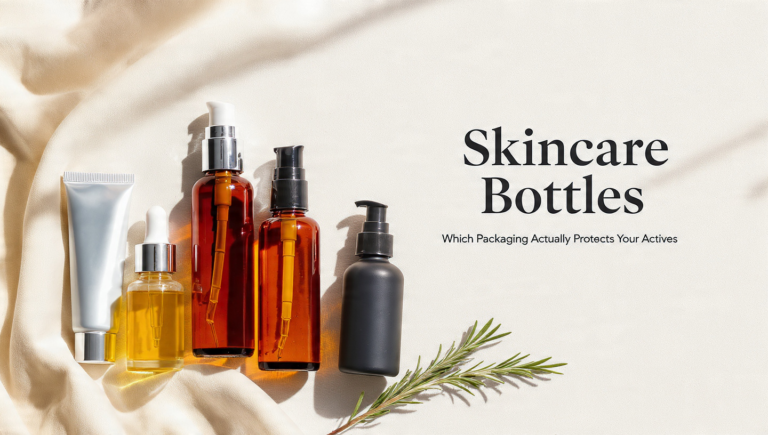
- Look for ascorbic acid serums packaged in opaque, airless containers. Clear glass bottles allow light degradation.
- Apply vitamin C in the morning before sunscreen, not at night. The antioxidant protection is most valuable during UV exposure hours.
- If pure ascorbic acid stings, switch to tetrahexyldecyl ascorbate or magnesium ascorbyl phosphate. You will sacrifice some potency but gain tolerability.
Niacinamide For Sun Damaged Skin
Niacinamide for sun damaged skin works through multiple complementary mechanisms: it increases ceramide synthesis to repair the compromised barrier, reduces transepidermal water loss, inhibits melanosome transfer from melanocytes to keratinocytes to fade hyperpigmentation, and suppresses inflammatory cytokines triggered by chronic UV exposure. At concentrations of 2% to 5%, niacinamide is one of the best-tolerated evidence-based ingredients for photoaged skin.
The barrier repair mechanism is particularly relevant for sun damaged skin. Chronic UV exposure reduces ceramide production in keratinocytes, weakening the stratum corneum and increasing water loss. A study published in the British Journal of Dermatology demonstrated that topical niacinamide at 2% significantly increased ceramide synthesis and reduced transepidermal water loss in human subjects after four weeks of application. For sun damaged skin that feels perpetually dry and rough despite moisturizer use, niacinamide addresses the underlying barrier defect rather than just coating the surface.
Niacinamide also inhibits the transfer of melanosomes from melanocytes, where melanin is produced, to keratinocytes, where melanin becomes visible as pigmentation. This mechanism is distinct from ingredients like hydroquinone that suppress melanin production or acids that exfoliate pigmented cells. A small 2011 trial in people with melasma (Navarrete-Solís and colleagues) found that 4% niacinamide improved pigmentation over eight weeks, with fewer side effects than 4% hydroquinone. For sun-induced hyperpigmentation, niacinamide offers a well-tolerated option with minimal irritation risk.
One of niacinamide’s greatest practical advantages is its compatibility with other active ingredients. Unlike ascorbic acid, which requires a low pH, or retinoids, which cause irritation, niacinamide functions at skin-neutral pH and rarely causes stinging or redness. It can be layered with retinoids to reduce retinoid-induced irritation, applied alongside ascorbic acid without the chemical interaction concerns once claimed, and used morning or night. For people with reactive or compromised skin, niacinamide is often the first active ingredient they can tolerate.
The evidence supports niacinamide as a foundational ingredient rather than a replacement for retinoids or vitamin C. It does not stimulate collagen production the way retinoids do, and its antioxidant capacity is weaker than ascorbic acid. But as a barrier repair agent and hyperpigmentation treatment, it fills a specific role that the other ingredients do not cover. In a comprehensive sun damage routine, niacinamide belongs alongside retinoids and vitamin C, not instead of them.
Key Takeaway: Niacinamide repairs the barrier defect that sun damage creates, making it the ingredient that allows your skin to tolerate the more aggressive actives like retinoids and acids.
How To Rebuild Skin Barrier After Sun Damage
Rebuilding the skin barrier after sun damage requires restoring the three lipid components of the stratum corneum: ceramides, cholesterol, and free fatty acids, while simultaneously reducing transepidermal water loss and avoiding further irritation from harsh products. The barrier is not simply dry; it is structurally compromised by UV-induced reduction in ceramide synthesis. Effective repair uses targeted barrier-repair ingredients and removes anything that further strips the barrier.
The stratum corneum functions as a brick wall. Corneocytes, the flattened keratinocytes that form the outermost layer, are the bricks. The lipids between them, primarily ceramides, cholesterol, and free fatty acids in a specific ratio, are the mortar. Chronic UV exposure depletes ceramide production, leaving gaps in the mortar through which water escapes and irritants enter. The result is increased transepidermal water loss, roughness, flaking, and reactivity to products that previously caused no issues.
Barrier repair involves two simultaneous approaches: adding back the missing lipids and removing irritants that perpetuate the damage. The first approach uses barrier-repair moisturizers containing ceramide NP, ceramide AP, ceramide EOP, cholesterol, and free fatty acids. Research published in the Journal of Investigative Dermatology has demonstrated that topical application of these three lipids in a specific ratio accelerates barrier recovery in disrupted skin. Look for moisturizers that list multiple ceramide types on the INCI label, not just one.
The second approach is equally important: eliminating harsh surfactants, high-percentage acids, and aggressive physical exfoliation. Many people with sun damaged skin respond to rough texture by exfoliating more aggressively, which further damages the already compromised barrier. Sulfate-based cleansers strip the natural lipids. Physical scrubs create micro-tears in the stratum corneum. Alcohol-heavy toners denature the barrier proteins. The barrier cannot rebuild while these products remain in the routine.
The timeline for barrier repair depends on the degree of damage and the consistency of the intervention. With a proper barrier-repair routine, measurable improvement in transepidermal water loss typically occurs within two to four weeks. Full structural repair of the stratum corneum takes approximately four to six weeks, as this is the time required for complete corneocyte turnover. During this period, the skin may remain more reactive than usual, which means new active ingredients should be introduced slowly.
To rebuild your barrier:
- Replace your cleanser with a non-foaming, sulfate-free option. Foaming cleansers strip barrier lipids.
- Apply a ceramide-containing moisturizer to damp skin twice daily. Damp skin absorbs lipids more effectively.
- Add a niacinamide serum at 2% to 5% concentration. Niacinamide directly stimulates ceramide synthesis.
- Pause all acids, retinoids, and vitamin C until the barrier stabilizes. Reintroduce them one at a time after four to six weeks.
- Use only mineral sunscreen containing zinc oxide or titanium dioxide. Chemical filters can sting on compromised barriers.
Key Takeaway: Sun damaged skin often has a structurally compromised barrier, not just dry skin. Rebuilding it requires ceramides, cholesterol, and free fatty acids combined with a moratorium on all potentially irritating actives for four to six weeks.
Morning Skincare Routine For Sun Damaged Skin
A morning skincare routine for sun damaged skin prioritizes antioxidant protection, barrier hydration, and broad spectrum sun protection in that order. The goal of the morning is not to treat, which happens at night, but to protect the skin from the oxidative damage that occurs during daylight hours. This routine should be simple, fast, and consistent, because the consistency of daily sun protection matters more than the elegance of any other step.
The first step is a gentle, non-foaming cleanser or a water-only rinse. Sun damaged skin often has a compromised barrier, and morning cleansing with a foaming cleanser strips lipids that the skin needs to retain moisture. If your skin feels tight or squeaky after cleansing, the cleanser is too harsh. A cream or lotion cleanser without sulfates is the appropriate choice for most people with photoaged skin. Those with very dry or reactive skin can simply rinse with lukewarm water and proceed to the next step.
The second step is a vitamin C serum containing 10% to 20% L-ascorbic acid, or a stable derivative for sensitive skin. Ascorbic acid neutralizes the reactive oxygen species generated by UV exposure, reducing the activation of matrix metalloproteinases that degrade collagen. Apply the serum to dry skin and allow it to absorb for 60 to 90 seconds before applying subsequent layers. This is the protective step that reduces the daily oxidative burden on already damaged skin.
The third step is a moisturizer containing ceramides, niacinamide, or both. The moisturizer serves to maintain barrier function throughout the day and reduce transepidermal water loss. Niacinamide at 2% to 5% provides additional barrier support and begins the gradual process of fading hyperpigmentation through melanosome transfer inhibition. Choose a lightweight lotion for normal to combination skin or a richer cream for dry skin.
The final and most important step is sunscreen. The American Academy of Dermatology recommends a broad spectrum sunscreen with SPF 30 or higher applied every morning, regardless of weather or season. For sun damaged skin, a mineral sunscreen containing zinc oxide or titanium dioxide is generally preferred, as these provide immediate protection upon application and rarely cause stinging on compromised barriers. Apply at least a quarter teaspoon for the face and a shot glass amount for the body. Reapply every two hours if outdoors.
| Step | Product Category | Key Ingredient | Function | Skin Type Note |
|---|---|---|---|---|
| 1 | Gentle Cleanser | Cream or lotion formula | Remove overnight residue without stripping | All skin types, especially dry |
| 2 | Vitamin C Serum | 10-20% L-ascorbic acid | Antioxidant protection | Sensitive skin: use derivative |
| 3 | Moisturizer | Ceramides, niacinamide | Barrier support, hydration | Richer cream for dry skin |
| 4 | Sunscreen | Zinc oxide, titanium dioxide | UV protection | Mineral formulas for sensitive skin |
Key Takeaway: Your morning routine is about protection, not treatment. Vitamin C and sunscreen are the two non-negotiable steps for sun damaged skin.
Night Skincare Routine For Sun Damaged Skin
A night skincare routine for sun damaged skin focuses on repair and treatment, using the overnight hours when the skin is in repair mode to deliver collagen-stimulating retinoids, barrier-repair lipids, and targeted pigment treatments. The absence of UV exposure at night means the skin can process active ingredients without the added oxidative burden of daylight. This is where the actual reversal of sun damage occurs.
The first step at night is a thorough but gentle cleanse. Unlike the morning, the evening cleanse needs to remove sunscreen, which often requires either a double cleanse or a more effective single cleanser. A double cleanse involves an oil-based or balm cleanser followed by a gentle water-based cleanser. The oil cleanser dissolves sunscreen and sebum without stripping barrier lipids. The second cleanser removes any remaining residue. If a double cleanse feels excessive for your skin, use a single cream cleanser and follow with a soft cloth to ensure complete sunscreen removal.
After cleansing, the treatment step is a retinoid. Retinol at 0.3% to 1.0% is the over-the-counter option, while tretinoin at 0.025% to 0.1% requires a prescription from a board-certified dermatologist. Prescription-strength tretinoin produces faster and more dramatic results for sun damaged skin, but it also produces more irritation. Over-the-counter retinol is a reasonable starting point if you prefer to avoid the prescription process or if your skin is too sensitive for tretinoin. Apply a pea-sized amount to completely dry skin, avoiding the eye area unless the product is specifically formulated for that region.
The third step is a barrier-repair moisturizer. Retinoids compromise barrier function during the adjustment period, so the moisturizer applied after a retinoid serves both to mitigate irritation and to deliver the ceramides, cholesterol, and fatty acids that sun damaged skin needs. Applying moisturizer over a retinoid does not dilute its efficacy, contrary to a persistent myth. It actually improves tolerability by reducing transepidermal water loss. Some people prefer to apply moisturizer first, wait 15 minutes, then apply the retinoid, a technique called buffering that reduces irritation without significantly reducing efficacy.
For those with hyperpigmentation as a primary concern, a targeted pigment inhibitor can be added after the retinoid and before moisturizer. Tranexamic acid at 2% to 3%, azelaic acid at 10% to 20%, or a licorice root extract serum can complement the effects of the retinoid. Azelaic acid has the advantage of being well-tolerated and pregnancy-safe, unlike retinoids. Tranexamic acid has strong evidence for melasma and sun-induced hyperpigmentation but should be used with caution by anyone with a history of blood clots, though topical absorption is minimal.
To build your night routine:
- Cleanse with an oil or balm cleanser to dissolve sunscreen, followed by a gentle water-based cleanser.
- Apply a pea-sized amount of retinoid to completely dry skin. Start with twice-weekly application if you are new to retinoids.
- Wait two to three minutes, then apply a ceramide-containing moisturizer over the retinoid.
- Add a targeted pigment treatment like azelaic acid or tranexamic acid if hyperpigmentation is a primary concern.
- Apply an occlusive like petrolatum or dimethicone as a final layer if your skin is very dry or you are in a low-humidity environment.
Key Takeaway: Night is treatment time for sun damaged skin. Retinoids do the heavy lifting, but barrier-repair moisturizers are what allow your skin to tolerate them consistently.
How To Layer Actives For Sun Damaged Skin
Layering actives for sun damaged skin means applying products in the correct order and with the correct spacing to maximize efficacy while minimizing irritation and chemical interactions. The fundamental rules are: water-based before oil-based, lower pH before higher pH, and no more than two to three active ingredients in a single routine. Overloading actives creates irritation that slows progress rather than accelerating it.
The pH ordering rule is the most important technical consideration. Ascorbic acid requires a pH below 3.5 to penetrate the stratum corneum and function effectively. Niacinamide functions optimally at skin-neutral pH around 5.5 to 6.5. Applying niacinamide before ascorbic acid raises the skin’s surface pH and reduces ascorbic acid penetration. The correct order in a morning routine is ascorbic acid first, wait 60 to 90 seconds, then apply niacinamide-containing products. This sequence preserves the low-pH environment ascorbic acid needs while still delivering niacinamide’s barrier-repair benefits.
The water-based before oil-based rule governs moisturizer application. Serums and essences are water-based and should be applied to clean skin before heavier creams and oils. Moisturizers containing occlusives like dimethicone or petrolatum form a barrier that water-based products cannot penetrate. If you apply a serum after a heavy moisturizer, the serum sits on the surface without reaching the epidermis. This matters for sun damaged skin because the actives need to reach the living layers of the epidermis and dermis to produce their effects.
The active count limitation prevents the most common layering mistake: applying too many actives at once. A routine that includes ascorbic acid, niacinamide, retinol, glycolic acid, and azelaic acid all in the same evening is not more effective than a simpler routine. It is more irritating. The skin can only process so many biochemical signals at once, and excessive actives trigger inflammation that damages the barrier and produces the opposite of the intended result. For sun damaged skin, the optimal approach is one antioxidant in the morning, one retinoid at night, and one or two supporting ingredients like niacinamide or a pigment inhibitor.
Here is a compatibility reference for common sun damage actives:
| Ingredient | Pairs Well With | Conflicts With | Best Time |
|---|---|---|---|
| Retinol | Niacinamide, ceramides | Glycolic acid same night | PM |
| Ascorbic Acid | Vitamin E, ferulic acid | High pH products | AM |
| Niacinamide | Everything | Nothing | AM or PM |
| Glycolic Acid | Ceramides | Retinol same night | PM, alternate nights |
| Azelaic Acid | Niacinamide | High-concentration acids | AM or PM |
Quick Tip:
- Space ascorbic acid and niacinamide by 60 to 90 seconds to preserve the low-pH environment ascorbic acid needs.
- Never use retinol and glycolic acid on the same night. Alternate nights or use glycolic acid in the morning and retinol at night.
- If you are new to actives, introduce one at a time with two weeks between additions. Your skin needs time to adapt.
Sunscreen For Sun Damaged Skin
Sunscreen for sun damaged skin is the single most important product in the routine because it prevents further UV interaction with already vulnerable skin and allows the repair processes from other ingredients to proceed without being undone by daily UV exposure. The American Academy of Dermatology recommends a broad spectrum sunscreen with SPF 30 or higher applied every single day, regardless of season, weather, or time spent outdoors. For sun damaged skin specifically, mineral sunscreens containing zinc oxide or titanium dioxide are generally preferred.
The rationale for mineral sunscreen preference is threefold. First, mineral filters sit on the surface of the skin and reflect, scatter, and absorb UV radiation without penetrating the stratum corneum to any significant degree. This is particularly relevant for sun damaged skin with a compromised barrier, where chemical filters might cause stinging or irritation. Second, zinc oxide provides broad spectrum protection across both UVA and UVB ranges, while many chemical filters cover only portions of the UVA spectrum. Third, mineral sunscreens are suitable for all Fitzpatrick skin types when formulated appropriately, though some older formulations leave a white cast that is more visible on deeper skin tones.
The distinction between UVA and UVB protection matters for sun damaged skin. UVB radiation causes direct DNA damage and sunburn. UVA radiation penetrates deeper into the dermis where it generates the reactive oxygen species that degrade collagen and elastin. Both contribute to photoaging, but UVA is the primary driver of the dermal changes that characterize sun damaged skin. In the United States, the term “broad spectrum” on a sunscreen label indicates that the product provides protection against both UVA and UVB radiation, but the degree of UVA protection is not quantified the way SPF quantifies UVB protection.
Reapplication is the most commonly neglected aspect of sunscreen use. A single morning application does not provide all-day protection, regardless of the SPF rating. Sunscreen degrades with light exposure, rubs off with contact, and is diluted by sweat and oil production. The American Academy of Dermatology recommends reapplication every two hours when outdoors and immediately after swimming or heavy sweating. For everyday use in an office or indoor setting, one morning application is generally sufficient, but any outdoor activity requires reapplication.
The amount applied matters more than most people realize. SPF testing assumes application of 2 milligrams per square centimeter of skin. For the face and neck, this translates to approximately one quarter teaspoon. Most people apply between 25% and 50% of the tested amount, which dramatically reduces the effective SPF. A sunscreen labeled SPF 30 applied at half the tested amount provides approximately SPF 15 protection. For sun damaged skin, under-application is a form of self-sabotage.
| Skin Type | Recommended Formulation | Key Consideration |
|---|---|---|
| Dry, barrier-compromised | Cream with zinc oxide and ceramides | Occlusive benefits, no stinging |
| Oily, congestion-prone | Lightweight lotion with titanium dioxide | Non-comedogenic formulation |
| Fitzpatrick IV-VI | Tinted mineral with iron oxides | Avoids white cast, adds visible light protection |
| Sensitive, reactive | Zinc oxide only, no fragrance | Minimum ingredient list |
| Active, outdoors often | Water-resistant SPF 50+ | Sport formulations, frequent reapplication |
Key Takeaway: Sunscreen is the product that makes all your other skincare investments worthwhile. Without it, you are treating sun damage while simultaneously creating more of it.
Hyperpigmentation From Sun Damage
Hyperpigmentation from sun damage, clinically called solar lentigines, is the result of melanocytes producing excess melanin in response to decades of UV-induced DNA damage. The melanin becomes irregularly distributed in the epidermis, creating flat brown spots that persist even after sun exposure ends. Treatment requires inhibiting melanin production, blocking melanosome transfer, and accelerating the turnover of pigmented keratinocytes through a combination of specific ingredients.
The mechanism of solar lentigines involves chronic UV exposure triggering melanocyte proliferation and increased melanin synthesis. Unlike a tan, which fades as the skin sheds, solar lentigines represent a more permanent alteration in melanocyte behavior. The DNA damage from UV radiation causes melanocytes to produce melanin continuously and irregularly, creating the mottled appearance characteristic of photoaged skin. Solar lentigines (sun spots) contain more melanin, and often more active melanocytes, than the surrounding skin, which helps explain why they persist.
Effective treatment of sun-induced hyperpigmentation requires a multi-pronged approach. Niacinamide at 4% to 5% inhibits melanosome transfer from melanocytes to keratinocytes, reducing the visible pigment without suppressing melanin production itself. Tranexamic acid at 2% to 3% reduces melanocyte activation by inhibiting plasmin, which is involved in the UV-induced inflammatory cascade that stimulates melanin production. Azelaic acid at 10% to 20% has both anti-inflammatory and tyrosinase-inhibiting effects. Kojic acid at 1% to 2% directly inhibits tyrosinase, the enzyme responsible for melanin synthesis.
Layering multiple pigment inhibitors with different mechanisms often produces better results than using a single ingredient. A routine that combines niacinamide with a tyrosinase inhibitor like azelaic acid or kojic acid addresses the problem at multiple points in the melanin pathway. Retinoids complement these ingredients by accelerating the turnover of pigmented keratinocytes, allowing the pigment to shed more quickly. The combination of inhibited melanin production and accelerated cell turnover is more effective than either approach alone.
Patience is essential for treating solar lentigines. Unlike the red-brown post-inflammatory hyperpigmentation that fades over weeks, solar lentigines represent long-term melanocyte alteration that requires months of consistent treatment. Expect to see meaningful lightening after 8 to 12 weeks of consistent use. Complete resolution of established sun spots is unlikely with topical treatment alone. In-office procedures like laser therapy, chemical peels, and cryotherapy performed by a board-certified dermatologist often provide more dramatic results, with topical skincare serving as maintenance.
Key Takeaway: Sun spots require months of consistent treatment with multiple pigment-inhibiting ingredients. Expect lightening over 8 to 12 weeks, not complete resolution.
Sun Spots Treatment Skincare
Sun spots treatment skincare specifically targets solar lentigines with ingredients that inhibit melanin production, block melanosome transfer, or accelerate the shedding of pigmented cells. The most effective over-the-counter options include niacinamide, azelaic acid, kojic acid, tranexamic acid, and alpha-hydroxy acids, each working through a different mechanism to reduce the visible pigment. The choice among these depends on your skin type, the age and darkness of the spots, and your tolerance for potentially irritating ingredients.
Niacinamide at 4% to 5% is the gentlest effective option. It inhibits the transfer of melanosomes from melanocytes to keratinocytes, meaning the melanin is produced but does not become visible in the surface skin cells. This mechanism makes niacinamide particularly suitable for sensitive skin and for people with Fitzpatrick skin type IV through VI, where aggressive pigment treatments risk causing post-inflammatory hyperpigmentation. A small 2011 melasma trial found that 4% niacinamide improved pigmentation over eight weeks.
Azelaic acid at 10% to 20% offers a stronger effect with a good safety profile. It inhibits tyrosinase, the enzyme that catalyzes melanin production, and has anti-inflammatory properties that make it suitable for skin prone to irritation. Azelaic acid is pregnancy-safe, unlike retinoids, and it does not increase photosensitivity the way alpha-hydroxy acids do. For people who cannot use retinoids or high-strength acids, azelaic acid is often the most effective option for sun spot treatment.
Alpha-hydroxy acids, particularly glycolic acid at 5% to 10%, accelerate the shedding of pigmented keratinocytes from the stratum corneum. This produces visible improvement in sun spots by literally removing the cells that contain the excess pigment. However, alpha-hydroxy acids increase photosensitivity, which means diligent sunscreen use is mandatory, and they can trigger post-inflammatory hyperpigmentation in deeper skin tones if used too aggressively. People with Fitzpatrick skin type IV through VI should start with lactic acid rather than glycolic acid, as lactic acid is gentler and less likely to cause irritation.
For stubborn sun spots, the most effective over-the-counter option may be a combination product that pairs a tyrosinase inhibitor with an exfoliant. Products containing both azelaic acid and glycolic acid, or kojic acid and lactic acid, deliver both mechanisms in a single application. However, combination products also carry higher irritation risk, so they should be introduced gradually and only after individual ingredients have been tolerated.
Quick Tip:
- For sensitive skin, niacinamide is the safest starting point for sun spot treatment.
- For stubborn sun spots, azelaic acid offers stronger tyrosinase inhibition without the photosensitivity risk of alpha-hydroxy acids.
- Sun spots that are raised, changing, or irregular should be evaluated by a board-certified dermatologist to rule out skin cancer before cosmetic treatment begins.
Actinic Elastosis Skincare
Actinic elastosis is the clinical term for the thickened, leathery skin texture that develops after decades of UV exposure, caused by the accumulation of abnormal, fragmented elastin fibers in the dermis. Unlike wrinkles, which respond to collagen-stimulating retinoids, actinic elastosis represents structural damage to the elastic framework of the skin that is more difficult to reverse with topical treatment alone. Skincare can improve the appearance of actinic elastosis modestly, but significant correction often requires in-office procedures.
The pathology of actinic elastosis involves UV radiation triggering the abnormal production of elastin by fibroblasts. Instead of the organized, functional elastin fibers found in healthy skin, the UV-damaged fibroblasts produce disorganized, non-functional elastin that accumulates in the upper dermis. This accumulation creates the thickened, yellowish, leathery appearance characteristic of chronically sun-exposed skin. Actinic elastosis, a buildup of damaged elastic fibers in the skin, is a hallmark of photoaging that tracks with cumulative UV exposure rather than age alone.
Skincare for actinic elastosis focuses on preventing further elastin damage and stimulating the production of functional collagen to compensate for the loss of elasticity. Retinoids remain the primary topical intervention, as they stimulate collagen type I and type III production that can partially offset the loss of functional elastin. However, retinoids do not remove the accumulated abnormal elastin. The improvement in texture from retinoid use comes from increased collagen density and smoother epidermal turnover, not from elastin repair.
Antioxidants play a supporting role by reducing the ongoing oxidative damage that perpetuates elastin degradation. Ascorbic acid, in addition to its collagen synthesis function, neutralizes the reactive oxygen species that activate matrix metalloproteinases. These enzymes degrade both collagen and the remaining functional elastin. Daily antioxidant use in the morning reduces the oxidative burden on already compromised dermal tissue.
The honest assessment is that actinic elastosis is the aspect of sun damage least responsive to topical treatment. The structural alteration in the dermis is profound and cumulative. In-office treatments including laser resurfacing, chemical peels, and microneedling performed by a board-certified dermatologist can produce improvement that skincare cannot match. Topical treatment serves as maintenance and prevention of further damage rather than a complete solution for established actinic elastosis.
Key Takeaway: Actinic elastosis is the most difficult aspect of sun damage to treat with skincare alone. Topicals slow progression and support collagen production, but significant correction typically requires in-office procedures.
Prevent Further Sun Damage
Preventing further sun damage requires daily use of broad spectrum sunscreen, sun-protective clothing, and behavioral changes that reduce UV exposure during peak hours. The skin does not lose its vulnerability to UV damage simply because it has already been damaged. In fact, sun damaged skin may be more vulnerable to additional damage due to its compromised barrier and depleted antioxidant reserves. Prevention is not optional for photoaged skin; it is the foundation that allows all other treatments to work.
The American Academy of Dermatology recommends a broad spectrum sunscreen with SPF 30 or higher applied every day, including cloudy days and winter days. UVA radiation penetrates clouds and window glass, meaning indoor exposure near windows contributes to cumulative UV damage. For people who spend significant time driving or working near windows, applying sunscreen even on indoor days is a reasonable precaution. The cumulative effect of daily low-level UV exposure adds up over years and decades.
Sun-protective clothing provides protection that does not require reapplication and does not depend on user compliance the way sunscreen does. UPF-rated clothing, wide-brimmed hats, and UV-blocking sunglasses reduce the surface area of skin exposed to UV radiation. The Skin Cancer Foundation recommends UPF 50+ clothing for extended outdoor activity, as it blocks 98% of UV radiation. Clothing is particularly valuable for people who cannot or will not reapply sunscreen every two hours during outdoor activity.
Behavioral changes complete the prevention strategy. Avoiding the sun during peak UV hours, typically 10 AM to 4 PM, reduces the most intense exposure. Seeking shade during outdoor activities reduces direct UV contact. Avoiding tanning beds entirely eliminates an entirely preventable source of concentrated UVA exposure. The World Health Organization classifies tanning beds as carcinogenic to humans, placing them in the same category as tobacco and asbestos. For anyone with existing sun damage, tanning bed use represents the most counterproductive skincare decision possible.
Quick Tip:
- Apply sunscreen even on cloudy days and winter days. UVA penetrates clouds and windows.
- UPF-rated clothing provides protection that does not depend on reapplication compliance.
- Avoid the sun between 10 AM and 4 PM when UV radiation is most intense. This single behavioral change reduces cumulative UV burden significantly.
Key Takeaway: Prevention is not separate from treatment. It is the foundation that makes treatment work. Sun damaged skin is more vulnerable to further damage, not less.
Frequently Asked Questions About Skincare For Sun Damaged Skin
Can sun damaged skin be reversed?
Sun damaged skin can be partially reversed with consistent use of retinoids, vitamin C, and sunscreen over 6 to 12 months.
The degree of reversal depends on the severity of the damage and how long it has been accumulating.
Deep wrinkles and actinic elastosis respond less completely than fine lines, texture, and hyperpigmentation.
What is the best skincare ingredient for sun damaged skin?
Retinoids have the strongest clinical evidence for improving sun damaged skin, including wrinkles, texture, and hyperpigmentation.
Prescription tretinoin produces more dramatic results than over-the-counter retinol.
Sunscreen is equally essential because it prevents further damage while retinoids work.
How long does it take to see results from retinol on sun damaged skin?
Results from retinol on sun damaged skin typically appear after 12 to 24 weeks of consistent nightly use.
The first 4 to 6 weeks often involve retinoid dermatitis as the skin adapts.
Meaningful improvement in fine lines and texture becomes visible after three to six months.
Is niacinamide or vitamin C better for sun damage?
Vitamin C is better for antioxidant protection and collagen synthesis support, while niacinamide is better for barrier repair and hyperpigmentation.
The two ingredients address different aspects of sun damage and work well together in a single routine.
Neither replaces the other, and both are valuable in a comprehensive approach.
Can I use retinol and vitamin C together for sun damaged skin?
Retinol and vitamin C can be used together by applying vitamin C in the morning and retinol at night.
Using both at the same time increases irritation risk without adding benefit.
This separation preserves the low-pH environment vitamin C needs while allowing retinol to work undisturbed overnight.
What sunscreen is best for sun damaged skin?
A mineral sunscreen containing zinc oxide or titanium dioxide with SPF 30 or higher is best for sun damaged skin.
Mineral filters are less likely to sting on compromised barriers and provide broad spectrum protection without significant skin penetration.
Tinted mineral formulations with iron oxides add visible light protection, which is beneficial for hyperpigmentation.
The most practical takeaway from this guide is that sun damaged skin responds to consistency more than intensity. A simple routine with vitamin C in the morning, a retinoid at night, and sunscreen every single day will produce better results over six months than an elaborate routine you cannot maintain. The ingredients with evidence matter, but they only work when used consistently.
Start with the foundation: a gentle cleanser, a ceramide moisturizer, and a mineral sunscreen you will actually wear daily. Once that routine is stable for two weeks, add one active ingredient at a time. Give each new ingredient two weeks before adding the next. This pace allows your skin to adapt and lets you identify what actually helps versus what merely irritates.
Your sun damaged skin has been accumulating damage for years. It will take months of consistent care to see meaningful improvement. But the skin retains more repair capacity than most people realize, and the right ingredients used correctly can produce changes that are visible, measurable, and worth the patience.
Sources and Further Reading
- MedlinePlus: Sun Exposure
- US FDA: Sunscreen, How to Help Protect Your Skin from the Sun
- NHS: Sunscreen and Sun Safety
- Skin Cancer Foundation: Photoaging
Reviewed and updated November 15, 2026. This article is general information, not medical advice, diagnosis or treatment. Talk to a dermatologist or other qualified health professional about your own skin. See our Editorial Policy.