Cellulite Self-Care in 2026: What the Evidence Really Shows
Effective cellulite self-care starts with understanding what cellulite actually is, because most of the advice circulating online targets the wrong tissue entirely. No topical product, diet change, or massage technique can permanently erase cellulite, but specific evidence-supported practices can measurably reduce its visible severity, and the difference between what works and what does not comes down to anatomy.
Roughly 90% of females who have been through puberty have cellulite, and despite how common it is, it is linked to negative psychosocial effects. That means most women reading this are dealing with a normal physiological variation, not a health problem, but that does not mean self-care options are absent or ineffective.
This article covers the structural biology of cellulite, the evidence quality for every major self-care approach including retinol, caffeine topicals, massage, and resistance exercise, a step-by-step daily routine you can start tonight, and a clear line between what self-care can realistically achieve and when professional support becomes the appropriate next step.
Cellulite Self-Care: What It Can and Cannot Achieve
Cellulite self-care refers to consistent at-home practices, topical, physical, and lifestyle-based, that reduce the visible appearance of skin dimpling without clinical procedures. It is appearance management, not structural correction.
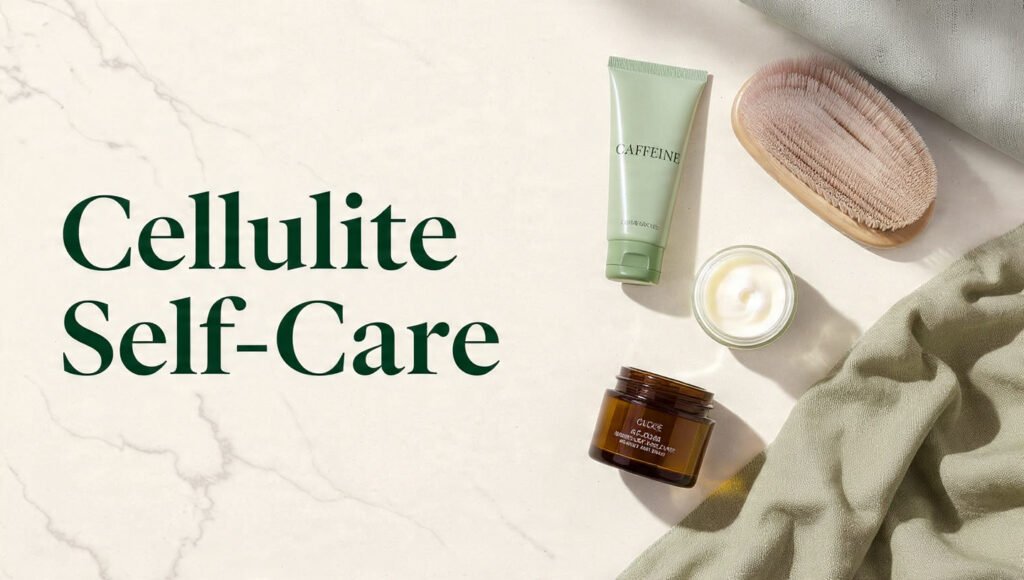
Self-care as a standalone approach works best for grade I to grade II cellulite: mild dimpling visible under compression or in certain lighting, and moderate dimpling visible while standing. For grade III (deep visible dimpling at rest with raised and depressed areas), self-care can reduce severity but is unlikely to resolve the pattern without adjunctive clinical intervention.
Cellulite is not a dangerous or life-threatening condition, and it is your choice to treat it or not, regardless of what the beauty industry says. This is an important frame. Self-care for cellulite is an aesthetic and personal wellness choice, not a medical necessity.
The distinction that most guides miss is this: self-care addresses two things that clinical procedures cannot easily replicate at home: consistent long-term epidermal thickening through topical retinol, and body composition improvement through resistance training. Neither works in weeks. Both require months of consistent effort. The expectations you bring to this routine determine whether you experience it as progress or disappointment.
What self-care can do: Temporarily reduce local interstitial fluid accumulation (massage, caffeine topicals). Thicken the epidermis to partially mask subdermal dimpling (retinol at 0.3%). Reduce adipocyte volume and improve subdermal fullness through muscle development (resistance exercise). Slow collagen degradation (stress management, sleep, antioxidant-rich diet).
What self-care cannot do: Sever or remodel fibrous septae, the structural tethers that pull skin downward and create dimpling. That requires clinical procedures targeting the connective tissue directly.
Key Takeaway: Cellulite self-care works best for mild to moderate cases by masking dimpling rather than eliminating its structural cause; setting this realistic expectation from the start determines how well you sustain the routine.
What Cellulite Actually Is (and What It Is Not)
Cellulite is a structural skin condition, not a fat problem, in which fibrous connective bands pull skin downward while subcutaneous fat pushes upward, creating the dimpled, orange-peel texture.
Clinically, it is also known as gynoid lipodystrophy or edematous fibrosclerotic panniculopathy (EFSP). These names reflect the three-part nature of the condition: adipose tissue changes, connective tissue structural alteration, and localized edema (fluid accumulation) in the subcutaneous tissue.
In normal skin, adipose tissue is separated into quilt-like chambers by fibrous bands of connective tissue called septa. In individuals with cellulite, the septa are contracted and sclerosed, keeping the skin at a fixed length with continuous tension.
Think of the underside of your skin like a mattress. The septa are the springs and tufting threads. When those tufting threads pull tightly, the top of the mattress dimples inward while the foam (adipose tissue) presses upward on either side. No amount of smoothing the mattress surface from the top changes the tension in the threads below. This is why topical products alone have structural limits.
Anatomically, cellulite is an architectural disorder of the dermis and its associated subcutaneous tissue. In regions where cellulite is most common, particularly the buttocks, the dermal-subcutaneous unit consists of superficial fat, superficial fascia, deep fat, and deep fascia. Two types of fibrous septa traverse these layers: short, thin septa connecting the dermis to the superficial fascia, and longer, thicker septa anchoring the deep fascia.
For people with Fitzpatrick skin types IV to VI, the dimpling pattern of cellulite may be less visually prominent in certain lighting conditions due to reduced light contrast on deeper skin tones. This does not mean cellulite is absent or less severe structurally; it means visual severity assessments in clinical tools may underestimate the actual grade in darker skin tones.
Why Women Get Cellulite More Than Men
Women develop cellulite far more frequently than men, and the reason is architectural, not hormonal alone.
In women, the septa are oriented perpendicularly to the skin and are less numerous, resulting in larger fat lobules and less structural stability, thereby allowing subdermal adipose tissue to become displaced. In men, the septa stretch from the dermal undersurface at a 45-degree angle and form a crisscross pattern, resulting in smaller fat lobules and a denser subdermal arrangement.
The male septae pattern distributes mechanical tension more evenly, like a suspension bridge with cables running at angles rather than straight down. The female septae pattern, perpendicular and fewer in number, creates multiple point-tethers that pull skin directly downward while fat pushes up between them.
Clinical data support that targeting the collagen-rich fibrous septae in cellulite dimples through mechanical, surgical, or enzymatic approaches is most likely to improve skin topography and produce durable improvement in the appearance of cellulite. This is why self-care approaches that only address the fat layer or the skin surface have inherent limits regardless of consistency.
Importantly, cellulite prevalence and severity are not determined by body weight alone. Regardless of weight, you can have cellulite. Extra weight often makes it more visible, but it is not the cause. Lean, highly fit women commonly have cellulite because their septae architecture creates the pattern independent of overall fat mass.
For adolescent girls, cellulite commonly appears at puberty when estrogen levels rise and subcutaneous fat distribution shifts to the thighs and buttocks. There is no clinically appropriate self-care intervention for adolescents beyond basic hydration and avoiding the marketing of “anti-cellulite” products, which carry no evidence of effectiveness in this age group and may contain ingredients not appropriate for developing skin.
How Hormones and Estrogen Affect Cellulite
Estrogen plays a documented role in cellulite development and progression, particularly as levels fluctuate across the reproductive lifespan.
Cellulite formation is significantly affected by female sex hormones, estrogens and progesterone. Estrogen deficiency decreases connective tissue production in the skin. The diminished type I and III collagen and elastin fiber content also contributes to cellulite formation.
Estrogen receptors are found in dermal fibroblasts, the cells responsible for synthesizing collagen. When estrogen levels drop, as they do during perimenopause and postmenopause, fibroblast activity decreases. The dermis thins. The epidermis becomes less supported from below. These structural changes make existing septae tethering more visually prominent because the skin above the tethers has less thickness to buffer the underlying dimpling pattern.
Estrogens stimulate lipogenesis, affect connective tissue remodeling, and increase vascular permeability, all of which favor edema and structural changes. This explains why cellulite is often reported to worsen during phases of hormonal change: perimenopause, the postpartum period, and cycles of oral contraceptive initiation or discontinuation.
Estrogen also affects microcirculation in subcutaneous tissue. Reduced microvascular flow leads to localized lymphatic congestion, which compounds the interstitial fluid accumulation that worsens visible dimpling.
For women in their late 30s and 40s noticing increased cellulite despite no significant change in body weight or diet, the underlying driver is likely the gradual reduction in skin-level collagen synthesis driven by declining estrogen. Self-care in this phase needs to actively target collagen support through retinol, dietary protein, and vitamin C alongside the standard physical and lifestyle practices.
Cellulite Severity Grades Explained
Clinical grading of cellulite determines which self-care practices are most appropriate and sets realistic outcome expectations.
Dermatologists use two validated assessment tools. The Nürnberger-Müller scale grades cellulite from grade 0 (no dimpling at rest or under compression) to grade III (severe dimpling at rest with raised areas, depressions, and visible gross irregularities). The Cellulite Severity Scale (CSS) is used in most post-2015 clinical trials and evaluates number of depressions, depth of depressions, morphological appearance, grade of laxity, and the Nürnberger-Müller classification on a combined 0 to 15-point scale.
| Grade | Nürnberger-Müller Description | Best Self-Care Response |
|---|---|---|
| Grade 0 | No dimpling at rest or under skin compression | Preventive: hydration, exercise, sun protection |
| Grade I | Dimpling only visible under skin compression | Retinol, caffeine topicals, resistance training |
| Grade II | Dimpling visible while standing, not lying down | Full self-care routine; expect 6-month minimum |
| Grade III | Dimpling visible at rest; raised and depressed areas | Self-care as adjunct to clinical procedures |
Development of an evidence-based treatment algorithm using the CSS classification shows that mild cellulite responds best to lifestyle changes and adjunct topical treatments, though data on topicals are inconsistent.
Grade III cellulite, where the dimpling is clearly visible lying flat and involves deep ridges, lies largely outside the reach of self-care as a primary management strategy. A board-certified dermatologist can assess CSS grade and recommend clinical options such as acoustic wave therapy or subcision alongside supportive self-care. If you are unsure of your grade, your primary care physician can provide a referral for a dermatologic assessment and discuss what a realistic improvement looks like for your specific presentation.
Key Takeaway: Knowing your cellulite grade before choosing a self-care approach prevents wasted effort on practices suited to a different severity level; grade I and II respond most meaningfully to consistent at-home routines.
Retinol for Cellulite: What the Evidence Actually Shows
Retinol (INCI: retinol; chemical name: all-trans vitamin A alcohol) is the most evidence-supported topical ingredient for cellulite appearance reduction available without a prescription.
Topical products containing 0.3% retinol may reduce the appearance of cellulite by thickening the skin. You typically need to use the product for at least 6 months to notice any results. This timeline is consistent across multiple dermatology reviews and is referenced explicitly by the American Academy of Dermatology.
Here is the mechanism: retinol penetrates the stratum corneum and is oxidized intracellularly, first to retinaldehyde and then to retinoic acid, the biologically active form. Retinoic acid binds to nuclear retinoid receptors in dermal fibroblasts, stimulating the synthesis of collagen type I and type III, increasing epidermal cell turnover, and thickening the epidermis. A thicker epidermis creates a denser, less translucent surface layer over the subdermal dimpling pattern. It does not move or sever the fibrous septae, but it visually masks them more effectively.
Body skin has a thicker stratum corneum than facial skin. This means retinol penetration is inherently lower on thighs and buttocks than on the face, and the same concentration applied to body skin delivers less active compound to the dermis. Starting at 0.3% and using a formulation that includes penetration-supportive ingredients (lightweight emollient bases, no occlusive heavy oils that reduce absorption) gives the best chance of meaningful delivery.
Application guidance for body retinol:
- Apply to clean, completely dry skin. Any residual moisture can drive irritation.
- Use a pea-sized amount per body area. More is not more effective.
- Apply in the evening only. Retinol degrades under UV exposure.
- Apply broad-spectrum SPF to treated body areas the following morning.
- Begin 3 nights per week. Build to nightly use over 4 to 6 weeks as tolerance develops.
- Do not combine with AHA (alpha-hydroxy acid) or BHA (beta-hydroxy acid) exfoliants in the same application on the same body area.
People with Fitzpatrick types IV to VI should start at 0.1% or the lowest available body retinol concentration, titrating upward slowly. Retinoid dermatitis, redness, and peeling in darker skin tones carry a higher risk of post-inflammatory hyperpigmentation. Pregnant women should avoid all retinol-containing products on any body area. Bakuchiol (INCI: bakuchiol), a plant-derived compound with preliminary evidence of retinol-comparable collagen-stimulating activity and significantly lower irritation potential, is an appropriate alternative for pregnant women, those with compromised skin barriers, or those with established retinol intolerance.
Caffeine Topical Creams for Cellulite: Mechanism and Evidence
Topical caffeine (INCI: Caffeine; chemical name: 1,3,7-trimethylpurine-2,6-dione) has a well-characterized mechanism that makes it a biologically plausible anti-cellulite ingredient at the adipocyte level.
Caffeine causes fat lipolysis and manages cellulite by inhibiting phosphodiesterase enzyme activity. This enzyme is responsible for converting cyclic adenosine monophosphate (cAMP) to AMP; thus, the level of cAMP increases, and adipocyte lipolysis occurs.
Put simply: caffeine prevents a cellular enzyme from deactivating the signal that tells fat cells to break down stored fat. More cAMP means more lipolytic signal in the hypodermal adipocytes (the fat cells directly beneath the skin). Caffeine also enhances microcirculatory blood flow, accelerating lymphatic drainage from fat cells in addition to activating lipolysis and prohibiting lipogenesis.
The mechanism is real. The delivery challenge is also real. Caffeine’s high hydrophilicity leads to limited skin permeability through the lipophilic barrier of the stratum corneum and poor cutaneous retention. For successful anti-cellulite activity, the stratum corneum barrier must be overcome to deliver more caffeine into deeper skin layers.
This means standard caffeine creams with conventional formulations deliver far less active compound to subcutaneous adipocytes than the in vitro mechanism studies suggest is needed. Products using emulgel bases, nanovesicle delivery systems, or microencapsulated caffeine show better penetration data, though most of these studies are from in vitro or animal (rat) models. Human clinical RCT data for enhanced-delivery caffeine formulations remains limited as of 2026.
| Caffeine Delivery Format | Evidence Level | Estimated Penetration | Notes |
|---|---|---|---|
| Standard cream/lotion | Human clinical (limited) | Low-moderate | Daily use required; effects temporary |
| Emulgel base | In vitro, some human data | Moderate | Better absorption than cream |
| Nanovesicle/nanocarrier | In vitro, animal models | High (modeled) | Human RCT evidence still emerging |
| Combined with aminophylline | Small RCTs | Moderate | Combination data more consistent |
For consumers: a caffeine cream used daily at a concentration of 3% or higher, ideally in an emulgel base, applied with massage (which mechanically assists penetration and independently improves microcirculation), is the most evidence-supported at-home topical approach. Expect temporary visual reduction in puffiness and surface irregularity with consistent use, not permanent structural change.
Dry Brushing and Body Massage for Cellulite
Dry brushing and body massage for cellulite are among the most popular self-care practices, and their evidence base is worth understanding precisely rather than dismissing or overstating.
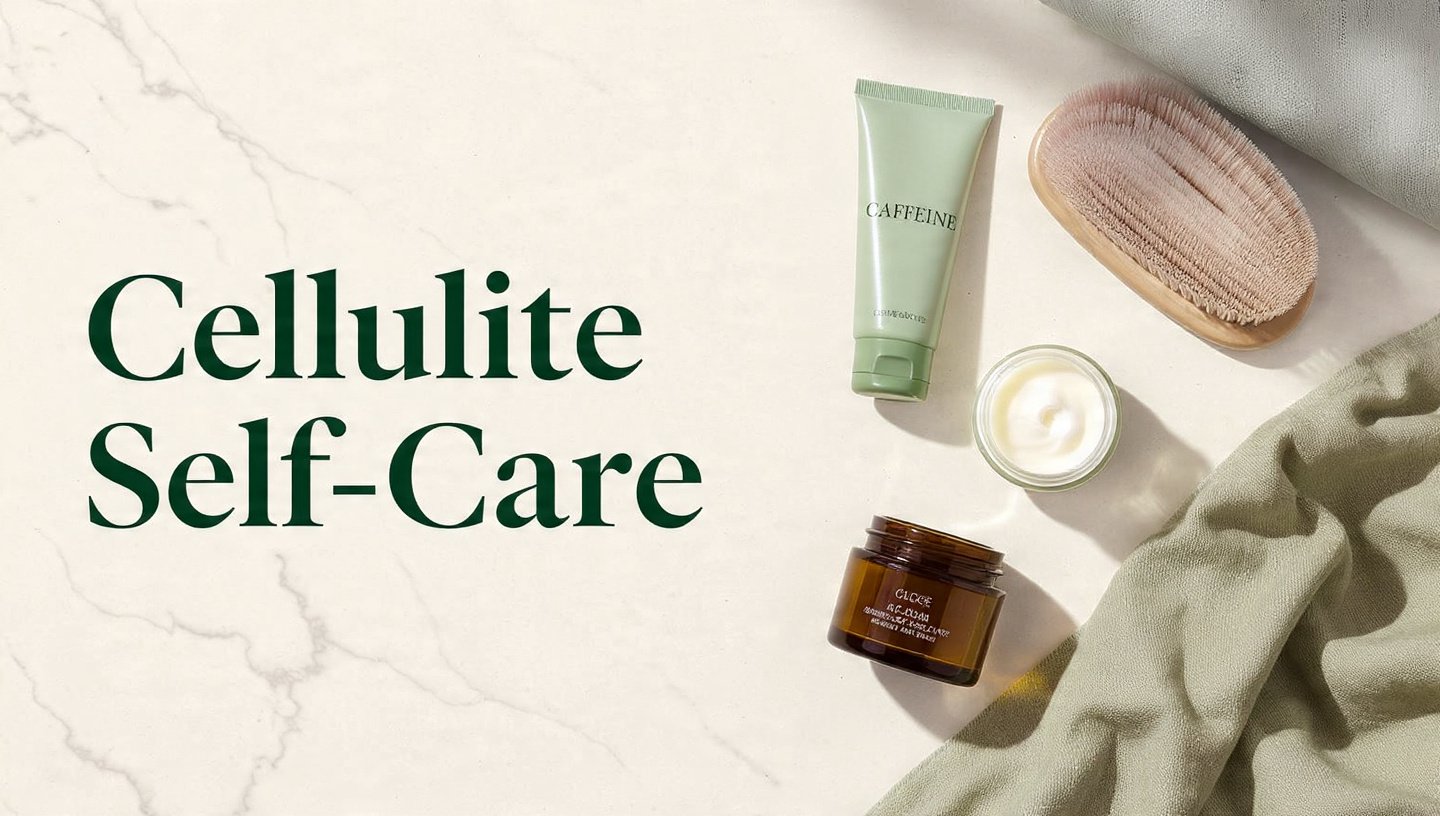
Dry brushing involves using a firm-bristled body brush on dry skin before showering, moving in circular or long strokes toward the heart. The physiological rationale is surface circulation stimulation and mechanical exfoliation of the stratum corneum. There is no published randomized controlled trial demonstrating that dry brushing independently reduces cellulite grade. What it reliably does: removes superficial dead skin cells (improving the surface texture over dimpled areas), transiently increases local blood flow, and creates a temporary visual smoothing effect from surface inflammation subsiding.
Manual body massage has slightly stronger evidence. Massage is used to remove interstitial fluid and accelerate lymphatic drainage, which leads to the reduction of cellulite. The reduction referenced here is temporary and depends on consistent application. Deep kneading massage (palper-rouler technique) mechanically mobilizes interstitial fluid toward lymph nodes, temporarily reducing the fluid accumulation component of cellulite’s appearance.
Effective dry brushing technique:
- Use a natural-bristle body brush on completely dry skin.
- Begin at the feet. Move in long strokes upward toward the heart on legs.
- On the abdomen, use gentle circular clockwise motions.
- Apply moderate, consistent pressure. Hard enough to feel the bristles, not enough to redden or irritate.
- Brush for 3 to 5 minutes maximum. Shower immediately afterward.
- Apply a caffeine-containing body lotion or retinol body cream while skin is still slightly warm from circulation stimulation.
People with sensitive skin, eczema (atopic dermatitis), psoriasis, or rosacea affecting body skin should not dry brush. The mechanical irritation of bristles on compromised skin can trigger flares. A soft microfiber cloth or silicone massage brush is a gentler alternative that still provides light circulatory stimulation.
Key Takeaway: Dry brushing and massage improve temporary visual cellulite appearance by reducing local fluid accumulation and improving surface texture, not by altering the underlying fibrous septae, so consistency is the only thing that sustains the effect.
Lymphatic Drainage and Cellulite Self-Care
Lymphatic drainage, whether through manual massage, pneumatic compression devices, or targeted movement, addresses the interstitial fluid accumulation component of cellulite that visually worsens dimpling.
The lymphatic system is the body’s fluid-clearing network. Lymphatic capillaries in the dermis and hypodermis collect excess interstitial fluid (fluid that has leaked from blood capillaries into surrounding tissue) and return it to central circulation. When lymphatic flow is sluggish, whether from sedentary behavior, chronic venous insufficiency, or inflammation, fluid pools in subcutaneous tissue. This swelling worsens the visual prominence of cellulite by increasing the pressure beneath already-tethered skin.
At-home lymphatic drainage techniques for cellulite-prone areas:
- Use very light pressure: lymphatic capillaries are superficial and close to the skin surface. Deep pressure bypasses them.
- Begin at the lymph node clusters: inner groin (for thigh cellulite), backs of knees, and armpits.
- Work in a flowing, pumping motion from the extremities toward the nearest lymph node cluster.
- Duration: 10 to 15 minutes per session, 3 to 4 times per week.
- Combine with gentle walking or ankle pumps immediately after to support venous return.
According to the American Psychological Association, chronic psychological stress is associated with elevated cortisol, which promotes inflammation and increases vascular permeability. This directly increases interstitial fluid leakage into subcutaneous tissue. Meaning: stress management is not just a mood intervention; it has a direct, measurable effect on the fluid accumulation component of cellulite appearance.
People with diagnosed lymphedema or chronic venous insufficiency should not attempt vigorous self-massage or at-home lymphatic drainage without first consulting a licensed physical therapist or certified lymphedema therapist (CLT). Vigorous drainage in these populations without proper guidance can displace fluid inappropriately and worsen swelling in adjacent areas.
Resistance Exercise and Cellulite Appearance
Resistance exercise is the single most evidence-supported lifestyle practice for improving cellulite appearance, and the mechanism is well-established.
Having more muscle makes your skin look smoother and firmer. Replacing fat with muscle can also make cellulite less noticeable. This is not because muscle removes septae. It is because increased muscle mass beneath cellulite-affected areas fills the space between the skin and the muscle fascia, reducing the amount of loose adipose tissue available to protrude through septae gaps. The skin sits over a firmer, more even foundation.
Exercise can increase overall muscle mass and improve blood flow, both of which can help with the appearance of cellulite.
The exercise type matters. Cardio alone burns calories but does not build the subdermal muscle mass that provides the structural support beneath dimpled skin. Resistance training, specifically targeting the thighs, glutes, and hamstrings, builds the muscle architecture that most directly counters the visual effect of septae tethering.
Resistance training plan for cellulite reduction, 3 sessions per week:
- Squats: 3 sets of 12 to 15 repetitions. Target: quadriceps, glutes, hamstrings.
- Romanian deadlifts: 3 sets of 10 to 12 repetitions. Target: posterior chain, glute-hamstring junction.
- Glute bridges or hip thrusts: 3 sets of 15 repetitions. Target: gluteus maximus.
- Reverse lunges: 3 sets of 12 per leg. Target: quadriceps, gluteus medius.
- Leg press: 3 sets of 12 to 15 repetitions. Target: overall thigh volume.
Allow 48 hours between sessions for muscle protein synthesis. Pair with 150 to 300 minutes of moderate-intensity cardio per week for body composition support, not as the primary cellulite intervention.
Older adults and postmenopausal women benefit most from resistance training for cellulite management, precisely because this demographic experiences accelerated muscle loss (sarcopenia) and collagen decline simultaneously. A study published in the Journal of the American Academy of Dermatology has noted that muscle development in older women provides measurable improvement in skin topography over dimpled areas when maintained consistently.
Diet, Hydration, and Cellulite Management
Diet does not eliminate cellulite, but specific dietary patterns affect the three components of cellulite most amenable to self-care: adipocyte volume, collagen synthesis, and interstitial fluid retention.
Adipocyte volume: A dietary pattern that promotes body fat reduction will reduce the amount of fat available to push through septae gaps. This requires a sustained caloric deficit combined with adequate protein intake (1.6 to 2.2 grams per kilogram of body weight) to preserve lean muscle mass during fat loss. For some people, losing weight and staying at a healthy weight reduces the amount of cellulite they see. If you develop loose skin while losing weight, however, cellulite can become more noticeable. Rapid weight loss with significant skin laxity can actually worsen grade by increasing the loose skin component above the tethered areas.
Collagen synthesis: Dietary collagen support requires adequate vitamin C (ascorbic acid), the essential cofactor for prolyl and lysyl hydroxylase enzymes that cross-link collagen fibers. Aim for 75 to 90 mg of vitamin C daily from dietary sources (citrus, bell peppers, kiwi, strawberries). Dietary protein, specifically the amino acids glycine, proline, and hydroxyproline, provides the building blocks for collagen type I and III. Bone broth and collagen peptide supplements are popular but their contribution to skin-level collagen synthesis in vivo remains the subject of ongoing study. Preliminary evidence is positive; strong RCT confirmation for skin-specific outcomes in cellulite populations is not yet established.
Interstitial fluid retention: High sodium intake increases osmotic fluid retention in interstitial spaces. A dietary pattern high in ultra-processed foods, typically carrying 1,500 to 3,000 mg of sodium per serving, directly worsens the fluid accumulation component of cellulite visibility. Certain eating habits can increase your chances of developing cellulite, like eating a lot of ultra-processed foods high in fat, salt, and refined sugars. Focusing on whole foods, good hydration, and healthy antioxidants can help.
Hydration targets of 2 to 2.5 liters of total fluid daily (from food and beverages combined) support lymphatic flow and maintain dermal turgor. Dehydration reduces skin elasticity and makes existing dimpling more prominent by reducing the plumpness of the skin above tethered areas.
Stress, Sleep, and Skin Texture
Chronic stress and inadequate sleep do not directly cause cellulite, but they worsen its visible severity through two well-characterized biological pathways.
The stress-cortisol-skin axis: Chronic activation of the hypothalamic-pituitary-adrenal (HPA) axis, the body’s central stress response system, elevates circulating cortisol. Cortisol upregulates matrix metalloproteinases (MMPs), enzymes that degrade collagen type I and type III in the dermis. A chronically elevated MMP environment accelerates dermal thinning. Thinner dermis means less structural padding between the surface and the underlying septae, making dimpling more visible. Cortisol also promotes adipogenesis (fat cell development) in the subcutaneous layer, increasing the fat volume available to protrude through septae gaps.
Sleep and skin repair: During deep sleep (stages 3 and 4 of non-REM sleep), growth hormone secretion peaks. Growth hormone stimulates fibroblast activity, the same fibroblasts responsible for producing collagen types I and III. Chronic sleep deprivation (less than 6 hours per night) suppresses growth hormone release and reduces the nightly collagen repair cycle. The American Psychological Association has documented the relationship between sleep deprivation and impaired skin barrier function, which, while not specific to cellulite, is consistent with the broader pattern of skin structural decline under insufficient rest.
| Stress/Sleep Factor | Biological Effect | Impact on Cellulite Appearance |
|---|---|---|
| Chronic stress (HPA activation) | Elevated cortisol, MMP upregulation | Accelerated dermal collagen loss |
| Cortisol-mediated adipogenesis | Increased subcutaneous fat volume | More fat available to protrude through septae |
| Sleep under 6 hours/night | Reduced growth hormone secretion | Reduced nightly collagen repair |
| Adequate sleep (7-9 hours) | Optimal fibroblast activity | Supports collagen type I and III maintenance |
| Stress management practices | Reduced HPA activation | Preserved dermal thickness over time |
Stress management practices with documented physiological effects on cortisol include 20 to 30 minutes of moderate aerobic exercise (which also independently activates parasympathetic nervous system recovery), 10 to 20 minutes of diaphragmatic breathing or structured meditation, and consistent sleep scheduling anchored to a regular wake time.
Key Takeaway: Chronic stress accelerates dermal collagen degradation through cortisol-driven MMP activity, making stress management a legitimate and biologically grounded part of any cellulite self-care plan, not just a wellness trend.
Daily Cellulite Self-Care Body Routine (Step-by-Step)
A structured daily cellulite self-care body routine targets appearance reduction through overlapping mechanisms: epidermal thickening, circulatory stimulation, temporary fluid reduction, and collagen support.
Morning Routine:
- Dry brush for 3 to 5 minutes before your shower. Move from feet to groin in upward strokes. Shower immediately.
- While skin is warm and slightly damp post-shower, apply a caffeine-containing body lotion or emulgel (look for caffeine at 3% or higher on the INCI list) to affected areas. Massage in using firm circular motions for 60 seconds per zone.
- Apply broad-spectrum SPF 30 or higher to any body areas that will be exposed to sunlight. This is non-negotiable if you are using retinol at night, as treated skin is more photosensitive.
- Drink 500 ml of water within 30 minutes of waking to support lymphatic flow before the day begins.
Evening Routine:
- Cleanse body with a gentle, sulfate-free wash. Harsh surfactants strip the skin barrier and increase transepidermal water loss (TEWL).
- Pat skin dry. Wait 5 to 10 minutes until skin is fully dry before applying retinol.
- Apply 0.3% retinol body product to cellulite-affected areas. Begin 3 nights per week. Build to nightly after 6 weeks of tolerance.
- Allow retinol to absorb for 10 minutes. Layer an emollient body moisturizer (look for dimethicone, shea butter/butyrospermum parkii, or squalane in the INCI list) over retinol to reduce dryness and support barrier function.
- Perform 5 to 10 minutes of gentle self-lymphatic drainage massage using very light pumping strokes from extremities toward the groin.
| Routine Step | Product Type | Mechanism | When to Use |
|---|---|---|---|
| Dry brushing | Natural-bristle brush | Circulation stimulation, exfoliation | AM, pre-shower |
| Caffeine body cream | 3%+ caffeine emulgel | PDE inhibition, lipolysis, microcirculation | AM, post-shower |
| SPF body | Broad-spectrum SPF 30+ | UV protection (mandatory with retinol) | AM, after caffeine cream |
| 0.3% retinol body | Retinol cream or lotion | Epidermal thickening, collagen support | PM only |
| Emollient moisturizer | Dimethicone/squalane base | Barrier support, reduces retinol dryness | PM, over retinol |
| Lymphatic self-massage | Hands only | Fluid drainage, microcirculation | PM |
Resistance training sessions should be scheduled 3 days per week on non-consecutive days, integrated into the overall weekly plan but separate from the topical routine.
Cellulite Self-Care for Postmenopausal Women
Postmenopausal women face a specific set of skin biology changes that require modifications to standard cellulite self-care guidance.
Estrogen deficiency decreases connective tissue production in the skin. The diminished type I and III collagen and elastin fiber content also contributes to cellulite formation. After menopause, this process accelerates. Studies consistently show that women lose approximately 30% of dermal collagen in the first 5 years following menopause, with continued slower loss thereafter. Thinner dermis magnifies the visual effect of fibrous septae tethering.
The practical implication: postmenopausal women starting a cellulite self-care routine need a longer timeline for visible results, and the collagen-support components of the routine carry more weight than they do for younger women. Retinol’s mechanism, stimulating fibroblast activity and collagen synthesis, is directly relevant to this biology and represents the highest-priority topical intervention in this population.
Key modifications for postmenopausal cellulite self-care:
- Prioritize resistance training. Sarcopenia (age-related muscle loss) compounds subcutaneous fat redistribution. Building and maintaining lean mass requires consistent progressive resistance training, ideally with a personal trainer for proper form if beginning in this life stage.
- Use a ceramide-containing barrier moisturizer alongside retinol. Postmenopausal skin has measurably reduced barrier function; ceramide NP (INCI: Ceramide NP), ceramide AP, and ceramide EOP in a moisturizer formulation help maintain the stratum corneum integrity disrupted by retinol use.
- Consider dietary collagen support. Increasing dietary protein to 1.8 to 2.2 g/kg body weight supports musculoskeletal maintenance alongside skin structural needs.
- Expect a 9 to 12 month timeline rather than 6 months for visible retinol response. Reduced baseline fibroblast activity slows the rate of epidermal thickening.
If postmenopausal skin changes are rapid, severe, or accompanied by significant changes in skin laxity, a board-certified dermatologist can evaluate whether hormonal or procedural options alongside self-care are appropriate for the specific presentation.
Cellulite Myths and What Does Not Work
Several popular anti-cellulite approaches have no meaningful biological rationale or consistent human clinical evidence.
Myth 1: “Detox” or body wraps eliminate cellulite.
Body wraps temporarily reduce visible dimpling by compressing subcutaneous tissue and drawing surface fluid through mild osmotic effects. Any visible change resolves within hours as fluid redistributes. There is no mechanism by which a body wrap alters fibrous septae structure or induces any lasting change in subdermal tissue.
Myth 2: Vigorous lymphatic drainage massage is better than gentle.
Deep cellulite massage should not be done too hard (you will injure the skin unnecessarily) and not too lightly. Overly vigorous manual massage compresses lymphatic capillaries rather than stimulating them, reducing drainage efficiency. Light-to-moderate pressure is physiologically more effective for lymphatic flow.
Myth 3: Drinking celery juice or other specific “detox” drinks targets cellulite.
No beverage has a documented mechanism for altering fibrous septae structure or inducing localized subcutaneous fat mobilization. General hydration supports skin turgor and lymphatic flow. Specific “detox” claims attached to branded juice or supplement products are marketing language with no clinical evidence base.
Myth 4: Anti-cellulite supplements with collagen peptides work rapidly.
Oral collagen peptide hydrolysates show preliminary evidence for supporting skin elasticity and hydration in human trials, with modest outcomes over 8 to 12 weeks. They do not directly target cellulite and have no established mechanism for altering subdermal septae architecture. They may support the collagen-maintenance aspect of a comprehensive self-care plan, but should not be positioned as cellulite treatments.
Myth 5: Cardio alone will clear cellulite.
Strong muscles under lumpy areas can make your skin look more even, which is why resistance training outperforms cardio for cellulite appearance specifically. Cardio supports body composition and cardiovascular health but lacks the muscle-building mechanism that provides direct structural support beneath dimpled skin.
Key Takeaway: The self-care practices with the most consistent biological rationale for cellulite appearance are 0.3% retinol applied nightly for at least 6 months, resistance training 3 times weekly, and caffeine topicals with penetration-enhancing bases; everything else should be evaluated against that standard rather than accepted as equivalent.
When Self-Care Is Not Enough: Professional Treatment Options
When cellulite self-care has been consistently applied for 6 to 12 months without satisfactory improvement, or when the severity grade is III, professional treatment becomes the appropriate primary intervention, with self-care continuing as supportive maintenance.
Clinical studies targeting the collagen-rich fibrous septae in cellulite dimples through mechanical, surgical, or enzymatic approaches suggest that targeting fibrous septae is the strategy most likely to provide durable improvement of skin topography and the appearance of cellulite.
Evidence-supported clinical options:
- Subcision (Cellfina): An FDA-cleared minimally invasive procedure in which a small needle-like device is inserted beneath the skin to mechanically release individual tethered fibrous septae. In a study of 232 patients, 99% reported satisfaction with Cellfina results. The results can last 2 years and possibly longer.
- Acoustic wave therapy (ESWT): A noninvasive handheld device delivers sound waves to affected tissue. Sound waves are applied directly to affected areas of the skin. The sound waves loosen the tight connective tissue that creates the cellulite dimples, while also causing an increase in blood flow and collagen production. Multiple sessions are required.
- Laser treatment (Cellulaze): A tiny laser fiber is inserted beneath the skin. When the laser is fired, the energy breaks up the tough bands beneath the skin. This treatment can also thicken the skin, which is important. Results last a year or longer.
- Carboxytherapy: Carbon dioxide gas injected beneath the skin may improve microcirculation and reduce visible dimpling, with early study data showing modest improvement. Evidence is preliminary.
If self-care is not producing the results you expected, schedule a consultation with a board-certified dermatologist who specializes in body contouring and cellulite management. Bring a record of your self-care routine (products used, concentrations, duration, frequency) so the dermatologist can accurately assess what has and has not been tried, and what grade your cellulite has been graded at baseline. This allows the most targeted clinical recommendation rather than a blanket procedural recommendation.
Although some studies have demonstrated positive outcomes with skincare products and topicals, robust evidence and studies with extended follow-up are still lacking. Additional research is necessary to evaluate the long-term efficacy of topical treatments as standalone therapies for cellulite. This is not a reason to dismiss self-care but to calibrate expectations accurately.
Frequently Asked Questions About Cellulite Self-Care
Does dry brushing actually reduce cellulite?
Dry brushing does not alter the fibrous septae structure that causes cellulite dimpling.
It temporarily reduces visible irregularity by stimulating surface circulation and reducing localized interstitial fluid accumulation through mechanical pressure.
Consistent use as part of a daily routine, combined with topical retinol and caffeine cream applied immediately after, extends the practical value of the practice beyond standalone use.
How long does retinol take to improve cellulite appearance?
According to the American Academy of Dermatology, topical retinol at 0.3% concentration requires at least 6 months of consistent nightly application to produce visible improvement in cellulite appearance.
Postmenopausal women may need 9 to 12 months due to lower baseline fibroblast activity.
Results reflect epidermal thickening that partially masks subdermal dimpling, not structural elimination of fibrous septae.
Can diet changes get rid of cellulite?
Diet changes cannot eliminate cellulite because diet does not alter the orientation or density of fibrous septae.
A dietary pattern that reduces subcutaneous fat volume (sustained moderate caloric deficit with adequate protein), limits sodium-driven fluid retention, and supports collagen synthesis through vitamin C and dietary protein will reduce visible severity in grade I and II cellulite.
Rapid weight loss can worsen visible dimpling by increasing skin laxity above existing septae tethering.
What is the best self-care routine for cellulite at home?
The most evidence-supported daily cellulite self-care routine combines morning dry brushing, a caffeine-containing body cream at 3% or higher applied with massage, and evening application of 0.3% retinol followed by an emollient moisturizer.
Resistance training 3 times per week targeting the thighs, glutes, and hamstrings provides the structural muscle support beneath dimpled skin that topicals alone cannot replicate.
Consistent practice for a minimum of 6 months produces the most meaningful visible reduction in mild to moderate cellulite.
Does losing weight make cellulite worse or better?
For some people, losing weight reduces the amount of cellulite they see. If you develop loose skin while losing weight, however, cellulite can become more noticeable.
Gradual fat loss combined with resistance training to maintain muscle mass provides the best outcome for cellulite appearance.
Rapid weight loss without muscle maintenance typically worsens visible dimpling through increased skin laxity.
At what point should I see a dermatologist about cellulite?
Schedule a consultation with a board-certified dermatologist if consistent self-care (retinol, caffeine topicals, resistance training) practiced daily for 6 or more months has not produced any visible improvement, or if your cellulite is visibly severe at rest with deep ridges (grade III on the Nürnberger-Müller scale).
You should also seek professional assessment if cellulite-affected areas are painful, hardened, or rapidly worsening asymmetrically, as these presentations may indicate fibrosclerotic panniculopathy rather than cosmetic cellulite.
Bring a list of your current self-care products with concentrations, how long you have used them, and any photographs documenting changes over time.
The Bottom Line on Cellulite Self-Care
Start with what the evidence actually supports: 0.3% retinol applied nightly, a caffeine-containing body cream at 3% or higher used daily with massage, and resistance training targeting the thighs and glutes three times per week. These three practices address the three mechanisms most amenable to self-care: epidermal thickness, temporary adipocyte volume reduction, and subdermal muscle mass. Nothing else in the self-care toolkit has comparable evidence behind it, though dry brushing and lymphatic drainage massage contribute meaningfully as supporting practices.
Give the routine six months. Not six weeks. The biology of collagen remodeling and epidermal thickening runs on a cellular timeline that marketing never acknowledges.
You are managing the visible appearance of a structural feature, not treating a disease. The goal is not perfection. It is knowing you are doing the things that the evidence actually supports, for long enough to give them a fair outcome.