Yina Skincare Review 2026: A Dermatology Researcher’s Verdict
Intro:
Yina skincare is a luxury botanical line that translates Traditional Chinese Medicine (TCM) into a modern wellness-infused beauty ritual. The brand builds its formulas around adaptogenic herbs and mushrooms like reishi and tremella, promising to calm stressed, reactive skin.
This matters because the wellness-beauty crossover market is flooded with plant-based claims that sound therapeutic but lack the scientific rigor expected of dermatological treatments. According to the American Academy of Dermatology, botanical ingredients are among the most common causes of cosmetic contact dermatitis, making a chemistry-level analysis, not just a brand story, critical for anyone with sensitive skin.
We are going to examine Yina’s hero ingredients under a cosmetic chemistry lens, compare their traditional use to published clinical evidence, break down the product textures and layering logic, and clearly identify who might benefit from this system and who should absolutely avoid it. If you have been wondering whether the steep price of the Divine Bio-Cellulose Mask or the Hydra-Fluid Emulsion is paying for proven skin therapy or a beautifully packaged placebo, you will leave here with a clear, sourced answer.
What Is Yina Skincare?
Yina is a skincare brand that formulates its products around the principles of Traditional Chinese Medicine, focusing on plant-based adaptogens to address what the brand identifies as modern skin stressors. The line includes everything from a fermented essence to a rich recovery cream, all designed to be layered in a ritualistic sequence.
The brand was founded by a TCM practitioner and an acupuncturist, which sets its product philosophy apart from a lab-first cosmetic chemistry approach. Instead of isolating one star molecule like ascorbic acid or retinol, Yina blends multiple whole-plant extracts with the intention of working synergistically on the body’s meridian system, a concept from Chinese medicine that does not have a direct biological correlate in Western dermatology.
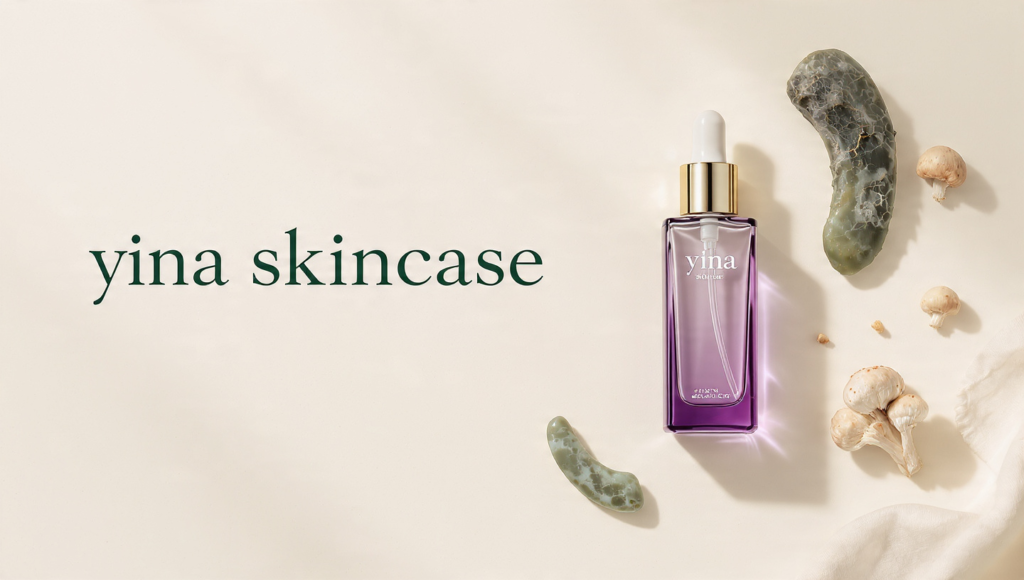
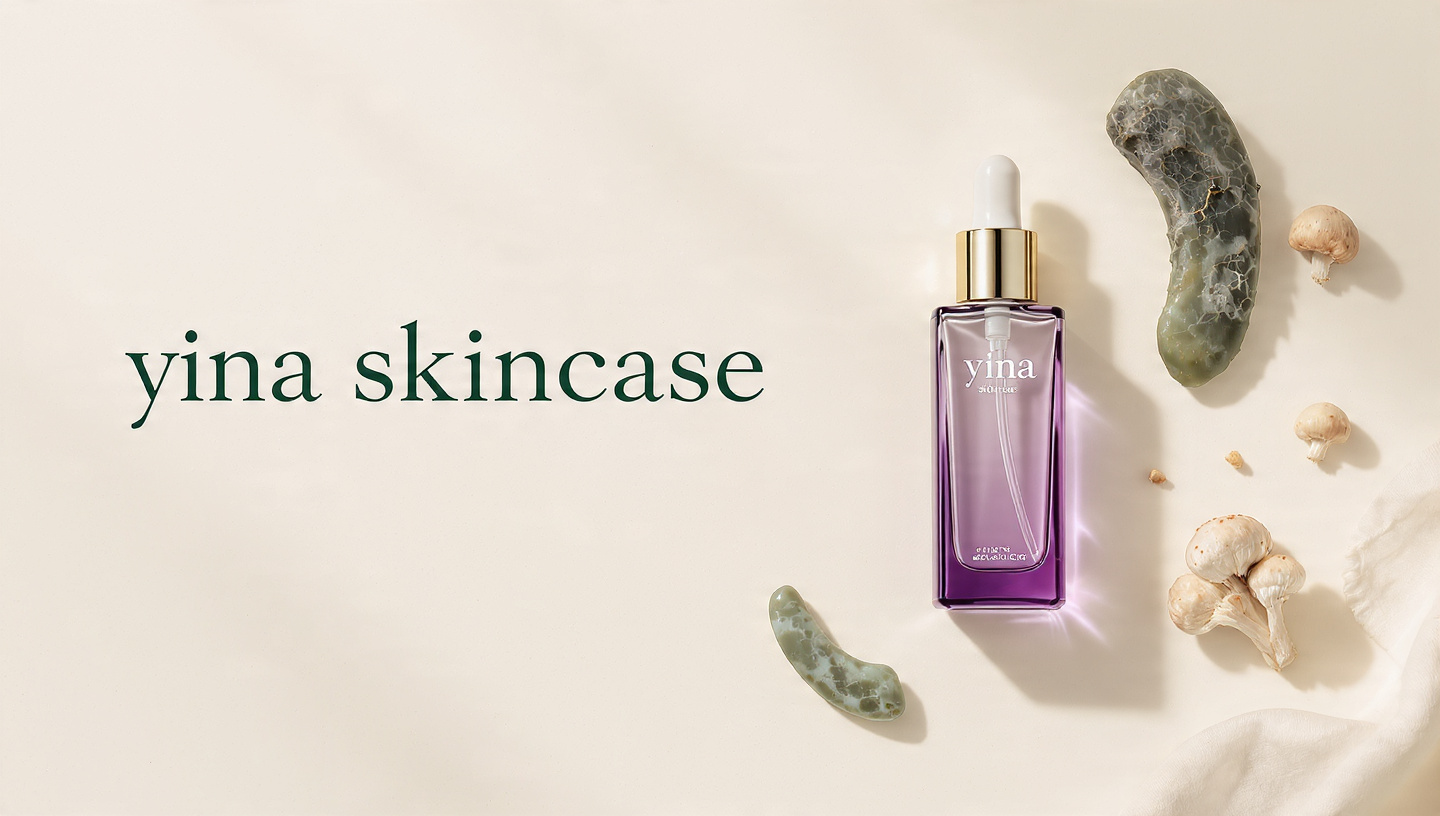
Visually and texturally, the products are stunning. A dark violet glass bottle protects the formula from light, and the aromatics are potent and earthy. The line is certified organic, cruelty-free, and sold at retailers with strict ingredient standards like Credo Beauty. But credentials in sourcing and sustainability, while valuable, do not speak to whether the plant compounds in the bottle alter skin biology in a clinically significant way. That question requires looking at each plant’s phytochemistry separately.
What Is Traditional Chinese Medicine in Skincare?
Traditional Chinese Medicine in skincare applies the TCM diagnostic framework, which views skin issues as external manifestations of internal imbalances, to topical product formulation. Instead of treating a dry patch as just an epidermal barrier defect, a TCM approach might attribute it to a “yin deficiency” or “blood dryness” and select herbs believed to nourish yin.
The herbs chosen in TCM skincare, such as reishi mushroom and goji berry, are classified by their energetic properties, like cooling or warming, and their affinity for specific organ meridians. A 2022 review published in the Journal of Ethnopharmacology explains that while these classification systems are not based on the biochemical pathways recognized in Western science, many of the individual plants do contain bioactive compounds with measurable anti-inflammatory and antioxidant effects.
The gap between TCM theory and skin biology is in the language and the framework, not always in the plant’s potential activity. For example, a TCM formula might be designed to “clear heat” from the skin. A cosmetic chemist would reframe that as providing anti-inflammatory compounds that downregulate cytokines. The practical question for your routine is whether the final formula contains a meaningful concentration of these active molecules in a base that delivers them to living skin cells. A beautiful TCM concept printed on a box does not guarantee that the bioactives are stable, bioavailable, or dosed high enough to do the job.
Yina Skincare Ingredients: A Scientific Breakdown
Yina skincare ingredients are built around a core of fermented plant extracts, adaptogenic mushrooms, and TCM herbs combined in a multi-step ritual. The ingredient lists are not minimal. Each product often contains a dozen or more botanical extracts, which makes it impossible to know exactly how much of any single active compound reaches your skin.
The hero ingredient across the line is Tremella fuciformis sporocarp extract, commonly called snow mushroom. In cosmetic chemistry, tremella functions as a humectant. It naturally contains a high concentration of polysaccharides that have a molecular structure similar to hyaluronic acid. A 2021 study in the International Journal of Biological Macromolecules showed that tremella polysaccharides can hold up to 500 times their weight in water. This is a legitimate, well-documented moisturizing mechanism. When applied to skin, it creates a flexible, water-binding film on the stratum corneum that reduces transepidermal water loss (TEWL).
Another consistent ingredient is Ganoderma lucidum (reishi mushroom) extract. The primary bioactives in reishi are triterpenes and beta-glucans. In vitro research published in the Journal of Ethnopharmacology demonstrates that ganoderic acids, the key triterpenes in reishi, inhibit the release of pro-inflammatory cytokines like TNF-alpha and IL-6. This is the mechanism behind the “calms stressed skin” claim. The evidence for topical use is preliminary, with most studies performed on cultured human keratinocytes in a lab, but the pathway is plausible.
Fermented ingredients, like the Saccharomyces ferment filtrate found in the Yina Essence, are well-established in skincare science. Fermentation breaks down larger plant molecules into smaller, more skin-penetrable components like amino acids and organic acids. A 2019 article in the Journal of Cosmetic Dermatology noted that fermented plant extracts often show increased antioxidant activity compared to their non-fermented forms, a direct result of the fermentation process releasing bound phenolic compounds.
Key Ingredients in the Yina Line:
Tremella Fuciformis Sporocarp Extract: Humectant polysaccharide film-former.
Ganoderma Lucidum (Reishi) Extract: Anti-inflammatory triterpenes, antioxidant beta-glucans.
Panax Ginseng Root Extract: Contains ginsenosides, which in vitro studies suggest can stimulate collagen synthesis and improve microcirculation.
Centella Asiatica (Gotu Kola) Extract: Contains asiaticoside, madecassoside, and asiatic acid, which have clinical evidence supporting wound healing and collagen type I synthesis stimulation.
Saccharomyces Ferment Filtrate: Fermented yeast extract rich in amino acids, vitamins, and peptides that supports the skin microbiome and brightens through gentle enzymatic exfoliation.
Chamomilla Recutita (Matricaria) Flower Extract: A well-studied anti-inflammatory agent containing bisabolol and chamazulene, effective for soothing erythema.
Adaptogenic Herbs for Skin: Hype vs. Reality
Adaptogenic herbs for skin is a marketing concept borrowed from herbalism, where adaptogens are defined as substances that help the body resist physical, chemical, and biological stressors. Yina applies this to skin by arguing that reishi, ginseng, and astragalus help skin cells adapt to environmental stress from UV rays and pollution. The reality is more nuanced.
In oral herbalism, an adaptogen works systemically, usually by modulating the hypothalamic-pituitary-adrenal (HPA) axis and cortisol levels. A topical cream containing reishi extract does not interact with your HPA axis. It does not reduce your systemic cortisol. The use of the word “adaptogenic” to describe a topical moisturizer is a conceptual stretch. What the plant compounds can do topically is act as potent antioxidants and anti-inflammatory agents, which does help cells manage oxidative stress.
A 2020 in vitro study published in the International Journal of Medicinal Mushrooms found that Ganoderma lucidum polysaccharides protected human dermal fibroblasts from UVB-induced oxidative damage by upregulating the cell’s own antioxidant enzyme systems, including superoxide dismutase (SOD) and glutathione peroxidase. This is a real, measured cellular defense mechanism. It is not magic. It is a plant polysaccharide triggering an endogenous protective response in a skin cell in a petri dish. Whether the same effect happens at a meaningful level when the molecule is applied onto intact human skin, blended in a cream with other ingredients, remains a theoretical benefit, not a clinical promise.
The term “adaptogenic skincare” is also unregulated. No cosmetic regulatory body, including the FDA or the European Commission, recognizes “adaptogenic” as a validated cosmetic function. A brand can call any plant extract adaptogenic without proving it meets the strict pharmacological definition used in herbal medicine. When you see this term in skincare, translate it in your mind to “antioxidant-rich plant extract,” because that is the accurate, demonstrable skin function at play.
Key Takeaway: Yina’s formulations are scientifically beautiful blends of humectant and antioxidant-rich plant extracts, but the TCM and adaptogenic language describes a philosophy of ingredient selection, not a proven, exclusive mechanism of action on skin.
Yina Skincare Reviews: What Real Users Report
Yina skincare reviews across multiple retailers and community forums cluster around a few consistent themes. The sensory experience of the products, meaning the texture, the glass bottle weight, and the herbal aroma, receives overwhelmingly positive feedback. Users describe the ritual as grounding and the immediate skin feel as plush and hydrated.
The most frequently praised product is the Yina Mist, with reviewers with dry and dehydrated skin reporting that it provides instant relief that lasts when layered under the essence. The Divine Bio-Cellulose Mask gets a near-perfect score for the way it adheres to the skin and leaves an undeniable glow for the 24 hours following use. Users consistently use the word “glass skin” to describe the result.
Critical reviews follow a pattern that aligns with the ingredient analysis above. A subset of users, many identifying as having reactive or rosacea-prone skin, report tingling, redness, or a hot sensation, particularly from the aromatic mist and the cream. This is almost certainly a reaction to the volatile aromatic compounds from the essential oils and plant extracts, not a product defect. Yina’s own product pages list natural fragrances like linalool, limonene, and citronellol, which are among the most documented contact allergens in dermatological literature.
The reviews that mention long-term changes beyond sensory pleasure and immediate hydration are scarce. No users report that Yina replaced their prescription tretinoin or faded deep melasma. This is an important signal. The reviews reflect exactly what the ingredient science predicts. These are exceptional products for cosmetic elegance, ritualistic self-care, and intense surface hydration. They are not a replacement for a targeted, clinically proven active ingredient for concerns like significant collagen loss or stubborn hyperpigmentation.
Yina Divine Bio-Cellulose Mask: Does It Work?
The Yina Divine Bio-Cellulose Mask works exceptionally well as a short-term occlusive treatment that forces hydration and water-soluble botanical actives into the upper layers of the stratum corneum. The mechanism is physical, not pharmacological. Bio-cellulose is a nanofiber sheet produced by bacterial fermentation, and it has a 3D matrix structure that holds a massive volume of liquid against the skin with near-perfect adherence.
This tight seal prevents any evaporation. Your skin’s surface water content cannot escape, so water and whatever humectants are in the mask serum, primarily tremella polysaccharides, sodium hyaluronate, and glycerin, are driven into the corneocytes. The result is an intense but temporary plumping effect. A 2018 study in the Journal of Cosmetic Dermatology comparing mask materials found that bio-cellulose was superior to cotton and hydrogel sheets for immediate and sustained skin hydration for up to six hours after removal.
The “glow” effect users describe is a combination of this intense hydration and a temporary reduction in light scattering on the skin’s surface. When the outer dead layer of skin is fully saturated, it appears smoother and reflects light more evenly. This is a real, cosmetic effect. It is also gone within 48 hours once your skin’s surface water content returns to baseline. The mask also contains centella asiatica and ginseng extracts, which may soothe any surface inflammation during the mask period. At $25 per single-use mask, the question of whether it “works” depends on what job you are hiring it to do. For a pre-event cosmetic skin perfector, it is exceptional. For a long-term therapeutic change in skin health, it is an expensive hydrating serum in mask form.
Yina Mist and Essence Routine: How to Layer Correctly
The Yina Mist and Essence routine is designed as a two-step hydration sandwich that works best when applied to damp skin immediately after cleansing. The correct layering order is mist first, then essence patted into the still-damp skin, not onto a dry face. This sequence follows a well-established cosmetic chemistry principle of humectant activation.
A humectant like tremella polysaccharide or glycerin pulls water into the skin, but if the ambient humidity is low and the skin is dry, it can pull water from the deeper dermis outward, which paradoxically dehydrates you. By applying the mist, which is 90% or more water and floral hydrosols, you provide the water source. Then, when you press the viscous, polysaccharide-rich essence over the top, you trap that water and the humectants in a single, highly effective hydration step.
The Yina Mist contains a blend of aloe vera water, tremella, and essential oil distillates. Use three to four generous spritzes, not a light misting. The essence contains the Saccharomyces ferment filtrate, tremella, and licorice root extract. Apply two pumps to your palms, press them together to activate the texture, and press firmly into the skin rather than rubbing. Pressing minimizes friction and improves the occlusive seal. Let this layer sit for 60 seconds before moving to your cream. If you apply cream too quickly, you will dilute the essence layer and reduce its film-forming efficacy. This routine is an excellent template for dehydrated skin, but the heavy reliance on fragrant floral waters in the mist makes it a problem for those with a compromised barrier or active rosacea. For those individuals, a simple, fragrance-free thermal water spray under a plain hyaluronic acid serum achieves the same hydration mechanism without the fragrance contact risk.
Yina Cream vs. Emulsion: Which One Matches Your Skin?
Yina offers two primary moisturizing products with distinct cosmetic chemistry profiles. The cream is a richer, oil-in-water emulsion designed for dry and normal skin types. The emulsion, called the Hydra-Fluid, is a lightweight, water-based lotion with a lower lipid phase, built for combination and oily skin. Choosing between them is about understanding your skin’s sebaceous gland activity and barrier lipid needs, not just the feel of the texture.
Skin Type
Best Match
Formula Structure
Key Occlusives
Key Emollients
Primary Function
Dry / Normal
Yina Cream
Oil-in-water emulsion
Shea butter, jojoba esters
Caprylic triglycerides
Lipid barrier repair, water retention
Combination / Oily
Yina Hydra-Fluid
Lightweight lotion
Squalane (plant-derived)
Caprylic triglycerides, low concentration
Hydration without excess sebum feel
Dehydrated, Sensitive
Hydra-Fluid (with caution)
Water-based with minimal occlusives
None of significance
None
Humectant relief without pore-clogging
The Yina Cream relies on caprylic/capric triglyceride and shea butter esters as its occlusive and emollient backbone. This is a standard, effective natural lipid base that mimics the skin’s own intercellular lipids to slow TEWL. It is fragranced with a blend of essential oils, which gives it the signature earthy scent but introduces the risk of contact dermatitis, especially on the thin skin of the eyelids and neck. The Hydra-Fluid Emulsion uses squalane as its primary emollient, a wise choice for oily skin as squalane is lightweight, non-comedogenic, and chemically very similar to human sebum. If you cannot decide, the emulsion layered under a tiny amount of the cream pressed only onto your driest spots, like the cheeks and lower jaw, is a smart, customizable approach that uses the product design to your advantage without overwhelming your skin.
Yina Skincare for Sensitive Skin: A Cautious Guide
Yina skincare for sensitive skin presents a genuine paradox. The brand’s philosophy and many of its core humectant ingredients are soothing. But the product formulations are concentrated with botanicals that are common triggers for sensitive skin. A dermatologist would want to patch test every single product, especially the most aromatic ones, for at least five days on a small area of the lateral neck.
Sensitive skin is clinically defined by a lower threshold for stinging, burning, and erythema in response to normally innocuous topical applications. A 2019 paper in the journal Frontiers in Medicine notes that this hyperreactivity is often linked to a compromised skin barrier and heightened sensory nerve fiber density in the epidermis. When this type of skin encounters volatile compounds like linalool and limonene, which are present in Yina’s products, the TRP nerve channels in the skin can fire, creating that familiar flush and heat sensation.
The product with the highest risk profile for sensitive skin is the mist, because it contains aromatic hydrosols and essential oil compounds directly applied to a damp face with no buffering lipids. The bio-cellulose mask creates an occlusive seal that can drive these volatile compounds deeper, intensifying the reaction. The products with the most tolerable profile for a cautious sensitive-skin user are the fragrance-free components of the line, if any. However, Yina does not sell an unscented version. If your skin reacts to botanical fragrances, this entire brand is likely incompatible with your skin’s needs. For a truly sensitive barrier, a formula with as few ingredients as possible, free of all fragrance and essential oils, is the consensus dermatological standard. The National Eczema Association’s Seal of Acceptance criteria, which requires products to be free of known sensitizers, are a useful benchmark.
Key Takeaway: The adaptogenic herbs in Yina do have anti-inflammatory bioactives, but for a truly sensitized barrier, the fragrance delivery system in the formula often outweighs the soothing benefit of the plant extract.
TCM Skincare vs. Medical-Grade Skincare: Where’s the Line?
TCM skincare and medical-grade skincare serve fundamentally different functions within a complete routine, and they should not be positioned as alternatives for conditions that require pharmaceutical intervention. The line between them is defined by the strength of clinical evidence for the active ingredient and the regulatory pathway under which the product is sold.
Medical-grade or cosmeceutical skincare refers to products that contain active ingredients with robust, peer-reviewed human clinical trial data demonstrating a measurable physiological change in the skin. Think tretinoin for stimulating collagen synthesis, backed by decades of data. Or 15% ascorbic acid serums formulated at a pH below 3.5 to stimulate collagen and fade hyperpigmentation, with efficacy demonstrated in placebo-controlled studies. These products alter skin biology through well-characterized nuclear receptor pathways and enzymatic inhibition.
TCM skincare, including Yina, provides a complex cocktail of phytochemicals with demonstrated in vitro bioactivity but a much lighter burden of proof for actual clinical outcomes on human skin. The reishi in your cream likely downregulates some inflammatory cytokines in your epidermal cells. That is a real cosmetic effect. It will not remodel your dermal collagen matrix, turn over your skin cells at an accelerated rate, or erase established actinic damage. Using the two systems together, where medical-grade skincare does the heavy lifting on specific, diagnosed concerns and a line like Yina provides the sensorial, hydrating, and antioxidant-supportive ritual, is a rational approach. The problem arises when a person with a condition like cystic acne or melasma abandons their derm-prescribed regimen for a 100% plant-based routine under the mistaken belief that the TCM approach is a proven therapeutic alternative. It is not, and no credible clinical guideline supports it as one.
Are Yina Skincare Products Worth the Cost?
The question of whether Yina products are worth the cost depends on what you are buying them to do for your skin. If you are buying them expecting a clinical-level therapeutic change, like fading stubborn post-inflammatory hyperpigmentation or reversing deep expression lines, the cost is very high for a weak evidence base. If you are buying them for an exceptional, sensorial hydration ritual and the immediate cosmetic glow that comes from well-formulated humectants and occlusives, the value proposition makes more sense.
Let’s break down the Yina Mist. It costs $68 for 100ml. The primary functional ingredients are tremella polysaccharides and glycerin, which are not expensive raw cosmetic materials. The cost is in the organic certification, the heavy violet glass packaging, the complex multi-plant extraction process, and the brand’s aesthetic and philosophical markup. A functionally similar hydration mechanism can be achieved with a $10 glycerin and water spray from a drugstore. The drugstore mist will not feel like a sensory ritual. It will not have the forest-floor aroma. But it will hydrate your skin. This is the trade.
The Divine Bio-Cellulose Mask is a special case. The raw manufacturing cost for a true bacterial fermentation-derived bio-cellulose sheet is genuinely higher than standard paper or cotton masks. Combined with a high-concentration tremella and centella serum, the $25 price point, while steep, reflects a unique product in the market. If you use it before a wedding or an event where you want your makeup to look flawless, you are buying a distinct cosmetic tool. If you use it every week hoping to fundamentally change your skin’s aging trajectory, you are spending $100 a month on surface hydration that rinses off.
Value Assessment by Product Type:
Yina Mist: Low functional value. A luxury sensory purchase.
Yina Essence: Moderate value. Fermented ingredients provide brightening and gentle exfoliation over time.
Divine Bio-Cellulose Mask: High value for pre-event cosmetic prep. Low value for daily skin health investment.
Yina Cream: Moderate value if the sensory experience of the essential oils is worth the contact allergy risk and price.
Hydra-Fluid Emulsion: Good value for combination skin. A well-formulated, lightweight moisturizer with a smart lipid profile.
Gua Sha Tool: Low tool value, high ritual value. The tool is a shaped stone. The value is in the guided self-massage practice.
Clean Beauty Standards for Botanical Skincare
Clean beauty standards for botanical skincare are retailer-defined marketing criteria, not federal safety standards. Yina is sold at Credo Beauty, which has one of the strictest “clean” lists in retail, banning over 2,700 ingredients. The brand proudly aligns with this clean positioning. It is crucial to understand what this does and does not mean for your skin’s safety.
A clean certification means a product is free of parabens, phthalates, sulfates, and certain synthetic compounds. It does not mean it is hypoallergenic or non-sensitizing. The Cosmetic Ingredient Review (CIR) Expert Panel, an independent body that assesses cosmetic ingredient safety, has repeatedly affirmed the safety of parabens at typical cosmetic use levels. Meanwhile, botanical extracts and essential oils, including the linalool and limonene in Yina, are among the most frequently cited causes of allergic contact dermatitis in dermatology clinics. A 2023 analysis by the American Contact Dermatitis Society lists hydroperoxides of limonene and linalool as the 2023 Allergens of the Year.
The “clean” label creates a health halo that can be misleading. A Yina cream that smells strongly of geranium and rose has a much higher probability of triggering a reaction on sensitized skin than a synthetic, fragrance-free cream preserved with parabens. This is not a critique of Yina specifically. It is a critique of the clean beauty framework that equates plant-derived with gentleness and synthetic with harm. In dermatological immunology, a molecule’s potential to trigger a Type IV hypersensitivity reaction is determined by its chemical structure and its ability to bind to skin proteins, not by whether it came from a leaf or a lab flask. Yina is a genuinely well-made clean beauty brand. It is still a brand built on potent, complex botanical allergens that clean standards do not screen for.
Yina Gua Sha Tool and Facial Massage: A Practical Guide
The Yina gua sha tool is a sculpted piece of jade or rose quartz designed for a daily facial massage practice that aims to move stagnant lymphatic fluid and relax expression muscles. From a mechanistic perspective, gua sha works through two physical actions. The gentle, sustained pressure creates a temporary mechanical lift by spreading interstitial fluid. The stroking motion directed toward the lymph nodes theoretically supports the natural drainage of the lymphatic system, which relies on muscle movement and external pressure because it has no internal pump.
The evidence for facial gua sha is almost entirely anecdotal and culturally transmitted over centuries. A small 2017 study published in Complementary Therapies in Medicine found that a single session of upper body gua sha improved perceived muscle tension but measured no structural facial changes. The immediate sculpting effect users see is a temporary reduction in fluid pooling that happens when you sleep horizontally. The effect is real but transient. Within a few hours, gravity and normal fluid dynamics return your face to its baseline. There is zero evidence that gua sha stimulates permanent collagen production or lifts sagging tissue.
To use the tool correctly, apply three to four drops of a facial oil, not a fast-absorbing serum, to create enough slip. Hold the tool at a 15-degree angle, almost flat to the skin. Stroke from the center of the face outward and upward toward the hairline. Then, from the jawline down the sides of the neck toward the clavicles where the lymphatic ducts drain. Use firm but comfortable pressure. Never drag the skin. Work each stroke three to five times. The practice takes five minutes. The most validated benefit is a mindful, grounding break in your day that incidentally helps with morning facial puffiness.
Key Takeaway: Yina is a premium sensory system for those whose skin tolerates complex botanicals. It is a hydration and self-care ritual, not a pharmacological skin treatment, and it must be evaluated within that specific category of product.
Frequently Asked Questions About Yina Skincare
What is Yina Skincare and what makes it unique?
Yina is a luxury skincare brand that combines Traditional Chinese Medicine herbalism with modern cosmetic formulation.
Its point of difference is the use of adaptogenic mushrooms, fermented plant extracts, and a full sensory ritual grounded in TCM philosophy rather than a single dermatological active ingredient.
What are the key ingredients in Yina skincare products?
The core ingredients are Tremella fuciformis (snow mushroom) for humectant polysaccharide hydration, Ganoderma lucidum (reishi) for anti-inflammatory triterpenes, and Panax ginseng for antioxidant ginsenosides.
These are supported by fermented yeast filtrate, centella asiatica, and aromatic botanical extracts and essential oils in a complex multi-ingredient base.
Can you use Yina skincare if you have sensitive skin or rosacea?
Patch testing is non-negotiable because Yina products contain volatile fragrance compounds like linalool and limonene that are known triggers for sensitive and rosacea-prone skin.
A board-certified dermatologist would generally advise a person with a compromised barrier or active facial erythema to select a fragrance-free, minimal-ingredient routine over any botanical-heavy system.
Is the Yina Divine Bio-Cellulose Mask worth the price?
At $25 per mask, it is worth the price for a pre-event skin-perfecting treatment because the bio-cellulose material creates an intense, temporary occlusive hydration effect that few other masks replicate.
It is not a cost-effective tool for long-term skin health improvement, as the results are cosmetic and transient.
How do you use Yina Mist and Essence together?
Apply the Yina Mist generously to freshly cleansed, damp skin so the water-based humectants have a source of water to bind.
Then, press the essence into the still-wet skin with your palms to seal the hydration layer before it evaporates.
Is gua sha actually effective for anti-aging?
Gua sha provides a temporary reduction in facial puffiness through lymphatic drainage and fluid displacement, not a permanent change in skin structure or collagen density.
There is no clinical evidence that gua sha prevents or reverses the aging process of the skin.
The evidence is clear. Yina creates a beautiful, intentional, and aromatic hydration experience that outperforms generic moisturizers in sensorial pleasure and immediate cosmetic glow. The science of their polysaccharide humectants and centella extracts is sound, and the bio-cellulose mask is a legitimately impressive physical delivery device. If your skin barrier is intact and you find deep satisfaction in a wellness-rooted skincare moment, you will likely love this line.
But if you have rosacea, reactive skin, or a history of contact dermatitis, the fragrance delivery system in these bottles is a red flag that no amount of reishi extract can erase. Do not ignore a stinging sensation because the branding tells you the product is “healing.” That is not healing. That is a TRPV1 nerve channel response to a plant volatile you are sensitive to.
Build your skincare house with proven fundamentals: a gentle cleanser, a well-formulated SPF, and a retinoid or antioxidant serum with robust human data. Then, if you have room in your budget and your barrier is calm, let Yina be the beautiful, grounding ritual layered on top. Just know exactly what job each product is doing and which one you are paying to do the real work.