Best Preppy Skincare Brands of 2026: Ingredients & Picks
Preppy skincare brands are a category of products defined by minimalist packaging, skin-first formulation philosophy, and an aesthetic rooted in effortless, healthy-looking skin rather than heavy coverage. In 2026, the most recognizable names in this space include Byoma, Bubble, Glow Recipe, Drunk Elephant, Glossier, and Laneige.
What’s worth knowing before you buy: the aesthetic often outpaces the science. Some brands in this category have genuinely well-engineered formulas with barrier-supporting ceramide ratios and clinically studied actives. Others rely on appealing packaging and trending ingredient names without the concentration levels needed for real results. This guide separates the two, using ingredient-level analysis to tell you which products are worth your money, which brands suit which skin types and age groups, and what to look for on the label.
We cover every major brand in the preppy skincare space, their standout ingredients with correct INCI names and concentration context, price-tier comparisons, and specific safety guidance for the teen and tween users who make up a large share of this market.
What Are Preppy Skincare Brands?
Preppy skincare brands are lines that pair aesthetically considered packaging with formulations emphasizing gentle, barrier-respecting, skin-first ingredients over trend-driven actives or heavy fragrances.
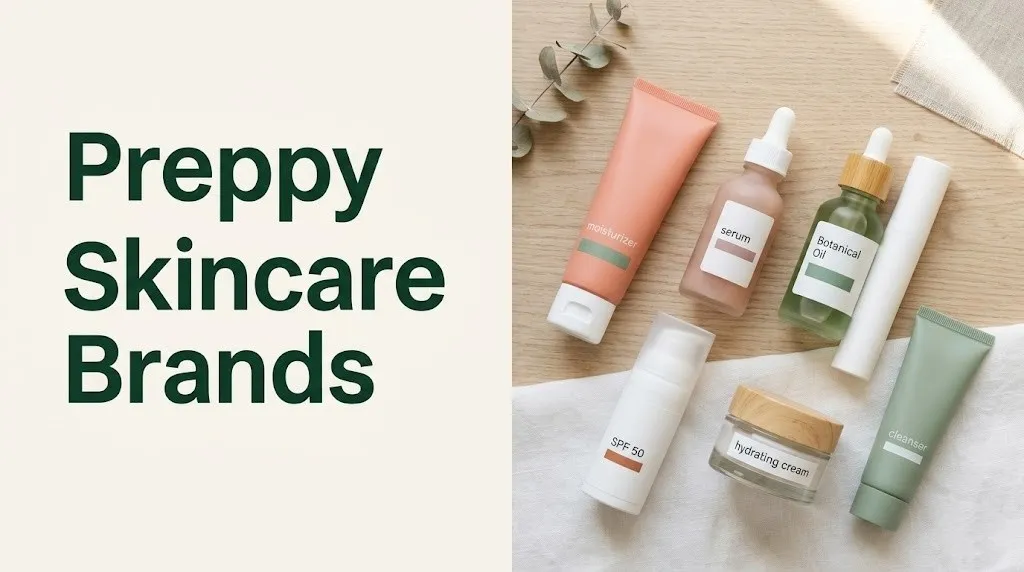
The term “preppy” migrated from American prep school and Ivy League culture into beauty through social media, particularly TikTok, where content tagged with #preppyskincare had accumulated over 136 million views by 2023 and continues to grow. The aesthetic values clean shelves, coordinated product sets, and routines that look intentional without appearing high-maintenance. In skincare terms, that translates to lightweight textures, soft or minimal fragrance, ingredients like sodium hyaluronate, niacinamide, and ceramide NP, and routines simple enough to be sustainable.
The defining characteristics are consistent across the category:
- Minimalist or playfully branded packaging (pastel tones, transparent bottles, bold yet clean typography)
- Formulas focused on hydration, barrier reinforcement, and gentle tone-evening rather than aggressive exfoliation
- Price points that span drugstore to luxury, with mid-range dominating
- Strong social media identity and visual coherence across product lines
- A core audience of teens, young adults, and aesthetics-oriented self-care consumers
Not every brand marketed as preppy earns the label through formulation quality. Packaging can mimic the aesthetic while the ingredient list tells a different story. Understanding that distinction is what this guide is built to help you do.
What Makes a Skincare Brand Actually “Preppy”
A skincare brand earns the preppy label through three things working together: aesthetic identity, formulation philosophy, and the specific ingredient story the products tell on their labels.
Aesthetically, the brand needs a look that reads as considered and effortless at the same time. Think Glossier’s soft pink and matte white, Byoma’s coral and blush tones, Glow Recipe’s fruit-forward bold colors, Drunk Elephant’s bright primary palette. These are not accidental. The visual language signals “I know what I’m doing with my skin without overdoing it.”
Formulation philosophy is where the real differentiation happens. The strongest preppy brands build their products around a clear ingredient rationale: Byoma’s approach centers on ceramide-cholesterol-fatty acid ratios that mirror the stratum corneum‘s natural lipid composition. Drunk Elephant avoids its “Suspicious 6” of essential oils, drying alcohols, synthetic fragrances, silicones, chemical UV filters, and sodium lauryl sulfate (SLS) on the basis that these ingredients are the most common disruptors of skin barrier function. Bubble focuses on accessible active concentrations for younger skin types. Each philosophy reflects a specific, defensible stance on skin biology.
The ingredient story on the label is the final test. According to the American Academy of Dermatology, effective skincare for healthy skin requires at minimum a cleanser, moisturizer, and broad-spectrum sunscreen with at least SPF 30. Products that add to that foundation deserve scrutiny of their key actives:
| Evaluation Criterion | What to Look For on the Label |
|---|---|
| Humectant quality | Glycerin, sodium hyaluronate, propanediol high in the INCI list |
| Barrier lipid quality | Ceramide NP, ceramide AP, ceramide EOP listed before emollients |
| Active concentration signal | Key actives (niacinamide, ascorbic acid) appear within first 10 INCI ingredients |
| Fragrance status | “Fragrance,” “parfum,” or essential oil names (citrus, lavender) near top of list are a concern for reactive skin |
| Preservative choice | Phenoxyethanol + ethylhexylglycerin is a common, well-tolerated option; parabens are low-risk at legal cosmetic concentrations |
A brand that checks all three elements, visual identity, formulation philosophy, and label integrity, is genuinely preppy in the meaningful sense.
Popular Preppy Skincare Brands Worth Knowing
The most popular preppy skincare brands in 2026 are Byoma, Bubble, Glow Recipe, Drunk Elephant, Glossier, Laneige, Sol de Janeiro, and Tatcha, with CeraVe holding an unusual position as a dermatologist-favorite that has been adopted by the preppy aesthetic community despite its purely clinical origin.
Popularity on social media does not equal formulation quality. The ranking below separates the two.
Brands with strong formulation rationale, verified by ingredient analysis:
- Byoma: clinically studied ceramide complex with equimolar ratios
- CeraVe: ceramide NP, AP, and EOP plus niacinamide and MultiVesicular Emulsion delivery technology
- Glow Recipe: niacinamide combined with ceramide NP and fruit-derived antioxidants
- Drunk Elephant: consistent application of their formulation philosophy across the line; no “Suspicious 6” ingredients
Brands that are strong for specific functions:
- Laneige: genuinely effective water-binding technology for overnight hydration; sodium hyaluronate crosspolymer at meaningful levels
- Bubble: well-formulated for its target age group; ceramide NP, glycerin, and niacinamide at appropriate concentrations for teen skin; fragrance-free across most lines
- Glossier: minimal actives at gentle concentrations; better suited to maintaining healthy skin than addressing specific concerns
Brands that are primarily aesthetic/lifestyle rather than formulation-forward:
- Sol de Janeiro: body care with strong fragrance identity; effective as sensory self-care; limited evidence-based skincare function beyond basic glycerin and squalane moisturization
- Tatcha: premium Japanese beauty-inspired formulas; legitimate ingredient science but premium price reflects brand heritage as much as formulation superiority
The Journal of Investigative Dermatology consistently identifies ceramide depletion and compromised barrier function as precursors to skin sensitivity, dehydration, and inflammation, which is why ceramide-formulation quality matters more than aesthetic appeal when choosing between brands.
Key Takeaway: Not every brand in the preppy skincare space has the formulation science to back its aesthetic. Byoma, CeraVe, Glow Recipe, and Drunk Elephant have the clearest ingredient rationale. Glossier and Sol de Janeiro are better suited to maintenance and sensory experience than active skin management.
The Full Preppy Skincare Brands List for 2026
A complete preppy skincare brands list for 2026 should account for brand formulation quality, price tier, primary skin benefit, and who each brand is best suited for.
| Brand | Price Tier | Key Actives (INCI) | Best For | Not Ideal For |
|---|---|---|---|---|
| Byoma | Affordable ($12-$28) | Ceramide NP, cholesterol, phytosphingosine, niacinamide | Barrier-compromised, dry, oily, all ages | Those seeking strong AHA/BHA exfoliation |
| Bubble | Affordable ($14-$22) | Sodium hyaluronate, ceramide NP, niacinamide, squalane | Teens, tweens, oily and combination skin | Those needing prescription-strength actives |
| Glow Recipe | Mid-range ($18-$46) | Niacinamide, ceramide NP, sodium hyaluronate, fruit extracts | Combination, oily, tone-evening concerns | Very sensitive or reactive skin (fragrance present in some) |
| Drunk Elephant | Premium ($34-$90) | Marula oil (Sclerocarya birrea seed oil), glycolic acid, retinol | Mature skin, anti-aging concerns, acne-prone | Budget-conscious; tweens without adult supervision |
| Glossier | Mid-range ($22-$45) | Glycerin, aloe vera (Aloe barbadensis leaf juice), hyaluronic acid | Beginners, healthy skin maintenance | Those with active skin concerns needing targeted actives |
| Laneige | Mid-range ($26-$45) | Sodium hyaluronate crosspolymer, beta-glucan, ceramide NP | Dry, dehydrated skin; overnight hydration | Oily or acne-prone skin without careful product selection |
| Sol de Janeiro | Mid-range ($15-$42) | Glycerin, squalane, parfum (fragrance) | Body hydration, sensory self-care | Fragrance-sensitive skin; eczema-prone skin |
| Tatcha | Premium ($52-$120) | Erythritol, Hadasei-3 (green tea, rice, algae extracts) | Dry, dull, or post-procedure skin | Those prioritizing evidence-based single actives |
| CeraVe | Drugstore ($14-$22) | Ceramide NP, AP, EOP; niacinamide; sodium hyaluronate | All skin types including sensitive, eczema-prone | Those wanting aesthetically-focused “preppy” packaging |
| Tower 28 Beauty | Mid-range ($20-$38) | Hypochlorous acid (HOCl), niacinamide, aloe | Sensitive, reactive, rosacea-adjacent skin | Those needing heavier barrier support |
This table covers the most-searched and most-recommended brands as of 2026. New entrants like Pipa Skincare and Evereden target the youngest demographic (under 12) with pediatric-formulated options worth noting separately.
Best Preppy Skincare Products by Category
The best preppy skincare products by category are those where the active ingredient concentration and delivery format match the intended function, not just the aesthetic.
Cleansers: The goal is to remove surface debris, sebum, and sunscreen without stripping the skin’s acid mantle or disrupting transepidermal water loss (TEWL). Bubble’s Fresh Start Gel Cleanser (key ingredients: glycerin, aloe barbadensis leaf juice, gluconolactone) uses a PHA exfoliant at a low concentration suitable for daily use on teen skin. Glow Recipe’s Avocado Ceramide Moisture Barrier Cleanser pairs Persea gratissima (avocado) oil with ceramide NP for barrier-supportive cleansing. Drunk Elephant’s Beste No. 9 Jelly Cleanser uses glycerin and rosehip oil (Rosa canina fruit oil) without SLS or fragrance.
Serums: This is where the most meaningful active ingredient work happens, and where formulation quality matters most.
- Byoma Brightening Serum: niacinamide plus ceramide NP, cholesterol, and phytosphingosine in their studied equimolar ratio. Effective for barrier support and tone-evening.
- Glow Recipe Watermelon Glow Niacinamide Dew Drops: niacinamide at approximately 10% concentration alongside sodium hyaluronate and watermelon fruit extract. One user note: 10% niacinamide can cause transient flushing in individuals sensitive to nicotinic acid conversion. Starting with 2-5% niacinamide products is advisable for reactive skin.
- Drunk Elephant B-Hydra Serum: sodium hyaluronate, pineapple ferment (Ananas sativus), and provitamin B5 (panthenol). A hydration-focused serum without targeted actives beyond humectancy.
Moisturizers: A moisturizer does three things: prevents TEWL (occlusives), attracts water to the skin (humectants), and maintains the lipid structure (emollients and ceramides). Byoma’s Moisturising Gel Cream delivers ceramide NP, cholesterol, and phytosphingosine alongside glycerin and caprylic/capric triglyceride in an oil-free format suited to oily and combination skin types. Glossier Priming Moisturizer Rich uses aloe vera as its hydration base, making it appropriate for dry skin types that don’t need active exfoliation.
Quick Tip:
- Look for the word “ceramide” followed by “NP,” “AP,” or “EOP” on the label; these are the three ceramide types found in healthy skin and they deliver the most studied barrier benefit.
- Products listing “ceramide” without a type specifier may contain a single ceramide class at cosmetic (trace) concentrations, which provides less barrier benefit than a multi-ceramide formula.
- For combination skin: prioritize gel-cream formats with glycerin and niacinamide rather than heavy oil-based formulas.
Preppy Skincare and Makeup Brands That Do Both
Several preppy skincare and makeup brands have built crossover lines that serve both functions, either through skincare-infused makeup or coordinated product ecosystems designed to be used together.
Rare Beauty by Selena Gomez occupies the crossover space with skincare-forward makeup: the Positive Light Tinted Moisturizer SPF 20 uses titanium dioxide and zinc oxide as its UV filters, avoiding chemical UV filter actives that some reactive skin types find sensitizing. It also incorporates hyaluronic acid (sodium hyaluronate) and niacinamide in a formula designed for comfortable daily wear. The brand’s aesthetic, clean branding with a mental health advocacy mission, fits the preppy sensibility while the formulation reflects genuine skincare consideration.
Glossier functions as the clearest skincare-makeup hybrid in this space. Products like Futuredew (glycerin, squalane, rosehip oil, sea buckthorn oil/Hippophae rhamnoides) are positioned as skin oils usable as makeup primers. Cloud Paint blush and Boy Brow are formulated with similar skin-respecting principles to the core skincare line. The limitation is that Glossier’s skincare formulas, while gentle and aesthetically coherent, don’t include clinically meaningful concentrations of actives for targeted concerns.
According to the American Academy of Dermatology, any tinted sunscreen or makeup product used in place of a standalone SPF product should carry a broad-spectrum SPF 30 minimum label with both UVA and UVB protection. Products relying on mineral filters (zinc oxide / titanium dioxide) offer stable, broad-spectrum coverage without the potential hormone-disruption concerns associated with some chemical UV filter actives like oxybenzone, though the FDA has noted limited human systemic absorption data for most chemical filters at approved concentrations.
Drunk Elephant’s bronzing drops and tinted body products bridge body skincare and cosmetics. Their Bronzing Drops combine marula oil with mica and iron oxides, functioning as a hybrid serum-cosmetic with no synthetic fragrance or SLS. For Fitzpatrick phototypes IV-VI, mica-based tinted products may provide less visual payoff per layer than products designed for deeper skin tones, and selecting shades formulated with deeper undertones matters for finish quality.
Best Preppy Skincare Brands for Teens
The best preppy skincare brands for teens are those formulated with gentler active concentrations, a lower fragrance load, and a product philosophy that respects rather than disrupts a developing skin barrier.
Teen skin between ages 13-17 is actively changing. Rising androgen levels increase sebaceous gland activity, producing more sebum. This leads to oilier T-zones, larger visible pores, and a higher likelihood of comedonal and inflammatory acne. The temptation to address these with the same high-strength actives used in adult routines, 10% niacinamide, 2% salicylic acid daily, retinol, can backfire: over-treated teen skin develops barrier dysfunction that worsens breakouts and increases sensitivity.
The most appropriate brands for teen skin in 2026:
- Bubble Skincare: Specifically formulated for teens and young adults. Their active ingredient concentrations are calibrated for younger, more reactive skin. Key formulas use sodium hyaluronate, ceramide NP, niacinamide, and squalane. Fragrance-free across most products. Widely available at Target, Walmart, and CVS. The Level Up Balancing Gel Moisturizer is a strong, accessible option for oily teen skin.
- Byoma: Barrier-first philosophy makes it well-suited to teens experiencing barrier disruption from over-cleansing, acne treatment dryness, or environmental stressors. The Hydrating Serum uses ceramide NP, glycerin, squalane, and niacinamide without high-strength exfoliants.
- CeraVe: Not aesthetically “preppy” but dermatologist-formulated and widely recommended for teen acne, sensitivity, and barrier repair. The Foaming Facial Cleanser (ceramide NP, AP, EOP; niacinamide; hyaluronic acid) offers the same ceramide types as premium brands at a fraction of the cost.
- Tower 28 Beauty: SkinSafe-certified and allergy-tested across the line. The SOS Daily Rescue Facial Spray uses hypochlorous acid (HOCl) at 0.003%, a concentration supported by multiple clinical studies for reducing surface bacteria without disrupting skin pH.
A note for parents: Drunk Elephant, while high-quality, contains some products (Glycolic Night Serum, Retinol products) with active strengths more appropriate for adult skin. These are not suitable for unsupervised use by anyone under 16 without guidance from a board-certified dermatologist.
Key Takeaway: For teen skin, the best preppy skincare approach prioritizes gentle ceramide-based hydration, low-fragrance formulas, and niacinamide at 2-5% rather than 10%, with actives like AHAs and retinoids reserved for supervised, specific use cases.
Preppy Skincare Brands Cheap: What to Buy on a Budget
Preppy skincare brands cheap enough for a real teen or young adult budget do exist, and several deliver formulation quality that matches mid-range competitors at half the price.
The key budget principle: the most important skincare functions (cleansing, barrier repair, SPF protection) can be accomplished extremely well at a low price point. Budget is where the preppy brand premium earns its keep only when the active ingredient concentration and delivery system genuinely outperform the lower-cost option.
| Brand | Price Range | Best Budget Buy | INCI-Level Justification |
|---|---|---|---|
| Bubble Skincare | $14-$22 | Cloud Surf Water Cream | Sodium hyaluronate, ceramide NP, niacinamide at accessible concentrations; fragrance-free |
| Byoma | $12-$28 | Moisturising Gel Cream | Ceramide NP, cholesterol, phytosphingosine at equimolar ratio; clinical trials completed |
| The Ordinary | $7-$15 | Niacinamide 10% + Zinc 1% | Niacinamide at stated 10%; zinc PCA for sebum regulation; transparent, single-active formulation |
| CeraVe | $14-$22 | Moisturizing Cream (original) | Ceramide NP, AP, EOP; MultiVesicular Emulsion delivery; developed with dermatologists |
| e.l.f. Cosmetics | $12-$20 | Holy Hydration! Face Cream | Hyaluronic acid, peptides (palmitoyl tripeptide-1), niacinamide; competitive with mid-range pricing |
| Starface | $14-$18 | Hydro-Stars (pimple patches) | Hydrocolloid wound dressing; clinically established mechanism for absorbing exudate and protecting healing skin |
Think of it this way: the ingredient list doesn’t know what the product costs. A $12 Byoma gel cream with a properly studied ceramide complex will outperform a $45 serum that lists ceramide as the 30th ingredient on its label. Learning to read the first 10 to 15 INCI ingredients is the single most useful skill for buying skincare at any budget.
The Journal of Cosmetic Dermatology notes that ceramide-containing formulations regardless of price tier show comparable barrier function improvements when the ceramide type and ratio approximate the physiological ratio in healthy stratum corneum (roughly 1:1:1 ceramide:cholesterol:fatty acid by weight). Formulation architecture, not price, determines efficacy.
Byoma Skincare: The Barrier-Science Brand
Byoma is a skincare brand built around a proprietary Tri-Ceramide Complex designed to replicate the three-lipid structure of the healthy stratum corneum: ceramide NP, cholesterol, and free fatty acids (stearic acid, phytosphingosine) in an equimolar ratio.
The science behind this approach comes from three decades of research on skin barrier lipid organization. The Journal of Investigative Dermatology has established that healthy stratum corneum lipids self-assemble into lamellar structures, with ceramides as the primary structural lipid (roughly 50% of barrier lipid mass), cholesterol at approximately 25%, and fatty acids at approximately 15%. When this ratio is disrupted by harsh surfactants, over-exfoliation, or environmental stress, TEWL increases and skin becomes reactive.
Byoma’s formulation specifically addresses this by using ceramide NP alongside cholesterol and phytosphingosine, a ceramide precursor. This isn’t a marketing claim about ceramides in general. It reflects a studied approach to barrier lipid chemistry. By September 2025, Byoma reported completing over 75 independent clinical trials with more than 130,000 skin measurements captured across their product line, a level of clinical investment unusual for a brand in its price tier ($12-$28).
The brand launched a dedicated Blemish system in late 2025 using a patent-pending Clearamide Complex combining ceramide NP and phytosphingosine with salicylic acid. This is a formulation worth noting because it pairs a barrier-first lipid complex with a beta-hydroxy acid exfoliant, addressing the common problem of salicylic acid treatments drying and sensitizing the very skin barrier they need to treat acne on.
Byoma is fragrance-free across most of its line, making it appropriate for sensitive skin, teens with barrier disruption from acne treatment dryness, and individuals with mild atopic dermatitis who want a budget-accessible ceramide product. Those on isotretinoin (Accutane) or prescription retinoids should confirm suitability with their prescribing dermatologist before adding any new actives.
Key Takeaway: Byoma’s ceramide-to-cholesterol-to-fatty-acid ratio is formulated to approximate the skin’s own lipid structure, giving it a genuine formulation rationale beyond aesthetic positioning. It’s the most evidence-grounded affordable preppy brand in 2026.
Bubble Skincare: The Teen-Friendly Pick
Bubble Skincare is specifically formulated for teen and young adult skin, and its ingredient philosophy reflects that focus clearly in the INCI lists.
The brand’s Water Slide Hydration Boosting Serum is one of the most ingredient-complete products in the teen skincare space at its price point. Its full formula includes: propanediol, glycerin (humectant), squalane (emollient), niacinamide (skin barrier and tone support), Saccharide Isomerate (natural moisturizing factor mimic), sodium hyaluronate and sodium hyaluronate crosspolymer (dual-weight hyaluronic acid for surface and deeper hydration), palmitoyl tripeptide-1 and palmitoyl tetrapeptide-7 (Matrixyl peptides; well-studied for collagen type I and III stimulation in human fibroblast models), Tremella fuciformis (mushroom) extract (polysaccharide humectant, preliminary evidence for hyaluronic acid-comparable surface hydration), and ceramide NP.
According to research published in a 2025 study in Applied Science, a cosmetic preparation containing niacinamide showed measurable improvement in skin hydration over three weeks compared to both standard moisturizer and ceramide cream controls in young adult participants. Bubble’s use of niacinamide alongside ceramide NP targets the same mechanism: niacinamide stimulates ceramide biosynthesis via serine palmitoyl transferase upregulation, as documented in the British Journal of Dermatology by Tanno et al.
Bubble is fragrance-free across most core products and avoids harsh alcohols, parabens, and silicones. This makes it one of the more genuinely appropriate options for younger skin. The Fresh Start Gel Cleanser contains gluconolactone, a polyhydroxy acid (PHA) that exfoliates more gently than glycolic or lactic acid and is associated with less irritation in reactive skin types.
One practical note: Bubble is formulated for teen skin, meaning its moisture level is calibrated for younger, oilier skin types. Adults over 25 with dry or dehydrated skin may find the lightweight formulas insufficient on their own and may want to layer with a heavier occlusive or emollient. For Fitzpatrick phototypes IV-VI with active hyperpigmentation, the niacinamide content can support pigmentation management, but a dermatologist consultation is worth pursuing if concerns are beyond what a cosmetic routine can address.
Glow Recipe Skincare: Fruit Actives with Real Chemistry
Glow Recipe builds its formulations around fruit-derived actives combined with clinically studied compounds, a combination that reads well on a label when the underlying chemistry is sound.
The brand’s signature product, the Watermelon Glow Niacinamide Dew Drops, contains niacinamide alongside watermelon fruit extract (Citrullus lanatus fruit extract), sodium hyaluronate, and hyaluronic acid. The niacinamide concentration in this product is approximately 10%, a level supported by multiple controlled trials for reducing sebum production, minimizing pore appearance, and reducing post-inflammatory hyperpigmentation.
However, 10% niacinamide is not appropriate for all users. A small percentage of individuals convert niacinamide to nicotinic acid at higher concentrations, producing a transient flushing effect. For first-time niacinamide users, particularly teens or those with reactive skin, starting at 2-5% is the evidence-guided approach before moving to 10% formulas.
The Avocado Ceramide Recovery Serum is a stronger formulation story: Persea gratissima (avocado) oil, ceramide NP, ceramide NS, and niacinamide in a barrier-repair-focused base. Avocado oil contains oleic acid and linoleic acid in a ratio that closely mirrors the skin’s natural sebum composition for dry skin types, making it genuinely emollient rather than decorative.
| Glow Recipe Product | Key INCI Actives | Best Skin Type | Notes |
|---|---|---|---|
| Watermelon Glow Niacinamide Dew Drops | Niacinamide (~10%), sodium hyaluronate | Oily, combination | Start with 2-5% niacinamide products first |
| Avocado Ceramide Recovery Serum | Ceramide NP, ceramide NS, Persea gratissima oil, niacinamide | Dry, barrier-compromised | Contains fragrance; patch test recommended |
| Watermelon Glow Niacinamide Sunscreen SPF 50 | Zinc oxide, niacinamide, ceramide NP | All skin types | Mineral filter; good for sensitive and reactive skin |
| Plum Plum Hyaluronic Cream | Sodium hyaluronate, ceramide NP, Prunus domestica (plum) extract | Dry, dehydrated | Heavier texture; not ideal for oily skin |
Some Glow Recipe products contain fragrance components. For those with fragrance sensitivity, eczema-prone skin, or compromised barriers, a patch test at the inner forearm over 48 hours before full-face application is the practical approach recommended by board-certified dermatologists.
Drunk Elephant Skincare: Ingredient Purity at a Premium
Drunk Elephant built its reputation and its premium pricing on a single, defensible formulation philosophy: remove the six most common cosmetic skin disruptors from every product in the line.
Their “Suspicious 6” are: essential oils (including citrus, rose, lavender, and mint oils that function as common contact allergens), drying alcohols (denatured alcohol, isopropyl alcohol, and similar short-chain alcohols that damage the skin’s lipid barrier at standard cosmetic concentrations), synthetic fragrances and dyes (the single largest category of cosmetic contact allergens per dermatological patch test data), silicones (not physiologically harmful, but functionally occlude the skin without contributing barrier lipids), chemical UV filter actives (specifically avobenzone, oxybenzone, and homosalate, which some formulation chemists associate with higher sensitization rates than mineral alternatives), and SLS/SLES (sodium lauryl sulfate and sodium laureth sulfate, anionic surfactants that disrupt the skin’s acid mantle and increase TEWL at standard rinse-off concentrations).
This is a coherent formulation stance. Not every element of it has the same evidence weighting. Silicones, for example, are not genuinely harmful to the skin barrier and their removal is more about formulation purity philosophy than clinical necessity. SLS removal, on the other hand, is well-supported by evidence: a study published in the Journal of the American Academy of Dermatology documented measurable increases in TEWL following regular SLS-containing cleanser use compared to SLS-free alternatives.
Drunk Elephant’s most evidence-backed products are the Lala Retro Whipped Cream (ceramide NP, ceramide NX, marula oil, mongongo oil, sodium hyaluronate, vitamin B5), the T.L.C. Framboos Glycolic Night Serum (glycolic acid, lactic acid, tartaric acid, salicylic acid in a multi-acid pH of approximately 3.5), and the Protini Polypeptide Cream (Matrixyl peptides, signal peptides, amino acids).
The brand’s pricing premium ($34-$90 per product) reflects brand positioning, packaging quality, and formulation development investment rather than ingredient costs that necessarily outperform CeraVe or Byoma at their respective functions. For a teen or budget-conscious buyer, Drunk Elephant’s philosophy can be replicated at a fraction of the cost by choosing fragrance-free, SLS-free, and alcohol-free products from CeraVe or Byoma.
Key Takeaway: Drunk Elephant’s formulation philosophy is sound and consistently applied, but the premium price is not justified by ingredient superiority over well-formulated drugstore alternatives. It is justified if you value the aesthetic, the brand ecosystem, and the convenience of a complete Suspicious 6-free system in one product line.
Glossier Skincare: Minimalist Skincare with a Real Following
Glossier pioneered the “skin first, makeup second” philosophy that defines the aesthetic dimension of the preppy skincare movement, and their products genuinely reflect that philosophy in their formulation choices.
The brand’s core strengths are gentleness and consistency. Milky Jelly Cleanser uses poloxamer 407 as its primary cleansing agent, a gentle nonionic surfactant that removes makeup and surface debris without disrupting the acid mantle, alongside rosewater (Rosa damascena flower water), glycerin, and panthenol (vitamin B5). It’s designed to work well with almost any skin type, including reactive and barrier-compromised skin, because it avoids every ingredient class that commonly causes irritation.
Priming Moisturizer Rich is a glycerin-heavy formula with aloe vera, hyaluronic acid, and pink algae extract (Haematococcus pluvialis, a source of astaxanthin, a carotenoid antioxidant). The antioxidant contribution is real but modest. Astaxanthin has preliminary human evidence for UV-induced oxidative stress reduction, though concentrations in cosmetic products are typically below the 1-4 mg/day oral range studied in clinical contexts.
Where Glossier has a real limitation is in targeted skin concerns. Their ingredient concentrations for active functions like exfoliation, tone-evening, and barrier repair are intentionally gentle. If you have persistent acne, post-inflammatory hyperpigmentation, or significant barrier disruption, Glossier’s core line will maintain your skin without meaningfully improving those conditions. That’s a philosophically honest position but one buyers should understand.
The product most underrated in the Glossier line is Futuredew: a face oil-serum hybrid using squalane, rosehip oil (Rosa canina fruit oil), sea buckthorn oil (Hippophae rhamnoides), and glycerin. Rosehip oil contains naturally occurring trans-retinoic acid at trace levels and a high concentration of linoleic acid, which the Journal of Investigative Dermatology identifies as essential for proper ceramide synthesis in the stratum corneum. This is a product with genuine skin chemistry behind it, even if the ingredient marketing focuses more on the “dewy skin” visual.
Laneige and Sol de Janeiro: Hydration-First Picks
Laneige and Sol de Janeiro represent two different approaches to the hydration-first aesthetic that sits at the center of preppy skincare: one built on precise water-binding technology, the other on sensory indulgence with basic moisturizing efficacy.
Laneige’s signature is the Water Sleeping Mask, a leave-on overnight hydration treatment using sodium hyaluronate crosspolymer (a higher-molecular-weight form that provides surface film hydration), beta-glucan (a polysaccharide from oat or yeast that has well-documented barrier-soothing properties in human clinical studies), glycerin, and mineral-rich water. The crosspolymer form of sodium hyaluronate sits on the skin’s surface, creating a hydrating film that reduces overnight TEWL rather than penetrating deeply. This is a legitimate and effective mechanism for people with dry or dehydrated skin, particularly in low-humidity environments.
The Laneige Lip Sleeping Mask (vitamin C / niacinamide / antioxidant variants) is the brand’s most recognized product. Lip skin is structurally different from facial skin: it lacks sebaceous glands and has a thinner stratum corneum, making it more vulnerable to dehydration and more responsive to occlusive and humectant ingredients. The formula uses glycerin, petroleum-derived occlusives (similar to petrolatum), and flavoring ingredients that may cause mild irritation in those with lip fragrance sensitivities.
Sol de Janeiro’s product identity is defined by its fragrance: the signature Cheirosa fragrance complex used across its Brazilian Bum Bum Cream, body mists, and hair oils. The moisturizing base is solid: glycerin, squalane (from sugarcane-derived sources), and cupuaçu butter (Theobroma grandiflorum seed butter, a rich emollient). The functional skincare value is basic, reliable body moisturization. Nothing in the formulation goes beyond what a well-formulated drugstore body lotion provides.
The concern for a subset of the preppy skincare audience is the fragrance load. Sol de Janeiro’s products contain high concentrations of synthetic fragrance and limonene, linalool, and other fragrance allergens. For individuals with atopic dermatitis, eczema-prone skin, or known fragrance contact allergy, the American Academy of Dermatology specifically advises choosing fragrance-free body care products as a first-line approach to reducing inflammatory flare risk.
How to Build a Preppy Skincare Routine Step by Step
A well-structured preppy skincare routine follows a logic built on skin biology rather than trend: apply water-based products first, oil-based and occlusive products last, and protect with SPF every morning.
Morning Routine:
- Gentle cleanser (nonionic or amino acid surfactant base): removes overnight sebum and product residue without stripping. Rinse with lukewarm water. Hot water increases TEWL.
- Hydrating toner or essence (sodium hyaluronate, glycerin, beta-glucan): applied to slightly damp skin to enhance humectant draw-in. Pat, don’t wipe.
- Serum (niacinamide, ceramide NP, or a targeted active): apply to clean dry skin. If using vitamin C (ascorbic acid), apply before niacinamide; let it absorb 1-2 minutes before layering.
- Moisturizer (ceramide NP + emollient base): locks in serum and provides additional barrier reinforcement.
- Broad-spectrum SPF 30 minimum (zinc oxide or titanium dioxide for sensitive/reactive skin): the single most evidence-supported anti-aging and skin-cancer prevention step. Non-negotiable. According to the American Academy of Dermatology, daily broad-spectrum sunscreen use reduces the risk of squamous cell carcinoma by approximately 40% and melanoma by 50%.
Evening Routine:
- Oil or balm cleanser (if wearing SPF or makeup): first step of double cleanse; removes sunscreen and product.
- Gentle water-based cleanser: removes remaining residue.
- Active serum (retinol, AHA, or treatment-targeted product): PM only, as most actives increase photosensitivity.
- Moisturizer (heavier formulation appropriate for overnight skin repair; ceramide NP + fatty acids).
- Optional: Occlusive (squalane, petrolatum, Vaseline as final seal) for very dry or compromised skin.
One thing to genuinely avoid: using an AHA exfoliant (glycolic acid, lactic acid) and a retinol in the same PM routine before your skin has been conditioned to each separately. Both accelerate cellular turnover. Combined without adequate buffer time, they deplete the skin’s moisture reserve faster than your ceramide moisturizer can replace it.
Preppy Girl Skincare Safety Tips: What to Know First
Preppy girl skincare safety, particularly for users under 16, requires a different ingredient framework than adult skincare, because younger skin has a different physiological baseline.
Teen and tween skin (ages 10-16) has a higher rate of cell turnover, higher baseline hydration, and a more reactive immune response at the skin surface than adult skin. This means it responds well to simple routines but overreacts easily to aggressive actives. The most common skincare-related injuries in younger users are contact dermatitis (often from fragrance), barrier disruption from over-cleansing with foaming SLS cleansers, and chemical burns from misused AHA or BHA products at adult concentrations.
Ingredients to avoid in preppy skincare for users under 16 (unsupervised):
- Retinol and retinoids: these accelerate cell turnover in ways that benefit adult skin but can cause severe barrier disruption and photosensitivity in younger users. Prescription tretinoin is sometimes appropriate for teen acne under dermatologist supervision, but OTC retinol in preppy skincare products is not.
- Alpha-hydroxy acids above 5% (glycolic acid, lactic acid): evidence supports AHA benefits for adult skin at 5-10%; for teen skin, PHAs (gluconolactone, lactobionic acid) provide similar mild exfoliation at substantially lower irritation risk.
- High-concentration niacinamide (10%): start at 2-5% for users under 16 to reduce the risk of transient flushing from nicotinic acid conversion.
- Essential oils (lavender, citrus, mint, rose): common contact allergens that appear in many skincare products. The fragrance-free or specifically designated sensitive-skin versions of most preppy brands are the safer choice.
- Chemical UV filter actives in high concentrations: for users under 16, mineral sunscreens (zinc oxide, titanium dioxide) provide equivalent broad-spectrum protection without the systemic absorption questions that remain partially unresolved in the FDA’s 2019 sunscreen ingredient safety review.
If a teenager develops persistent redness, burning, stinging, or breakouts after starting a new product, a board-certified dermatologist (or pediatric dermatologist for users under 13) should evaluate the reaction before continuing. Irritant contact dermatitis and allergic contact dermatitis can look similar but require different management.
| Age Group | Appropriate Core Products | Use with Caution | Avoid |
|---|---|---|---|
| Under 12 | Gentle cleanser, mineral SPF, plain moisturizer (glycerin + ceramide NP) | Niacinamide (2% max) | All AHAs/BHAs, retinoids, fragrance, essential oils |
| 12-15 | Gentle cleanser, niacinamide (2-5%), ceramide moisturizer, mineral SPF | Low-strength BHA (salicylic acid 0.5-1%) in spot use | Retinol, AHA above 5%, 10% niacinamide |
| 16-18 | Full basic routine; can introduce AHA (lactic acid ≤5%), salicylic acid (1-2%) | Retinol (low-strength, 0.025-0.1%); guided AHA exfoliation | High-strength retinoids without dermatologist guidance |
Key Takeaway: For users under 16, the most protective preppy skincare routine is the simplest: gentle fragrance-free cleanser, ceramide NP moisturizer, and broad-spectrum mineral SPF. Every active layer added beyond that should serve a specific, identified skin concern rather than mimicking an adult routine.
Frequently Asked Questions About Preppy Skincare
What skincare brands are considered preppy?
The most recognized preppy skincare brands in 2026 are Byoma, Bubble, Glow Recipe, Drunk Elephant, Glossier, Laneige, Sol de Janeiro, and Tatcha. These brands share a clean or playful aesthetic, a skin-first ingredient philosophy, and strong social media identities that define the category. CeraVe has also been adopted into the preppy aesthetic despite its clinical origins, particularly for its ceramide NP, AP, and EOP formulas.
Is Drunk Elephant good for teens?
Drunk Elephant makes some products appropriate for teen skin, particularly their ceramide moisturizers and fragrance-free serums, but their exfoliant and retinol products are formulated for adult skin and should not be used unsupervised by teens under 16. The brand avoids synthetic fragrance, essential oils, and SLS, making their gentler products well-tolerated by reactive teen skin. If you’re a parent evaluating the brand, stick to their hydration and barrier-focused products and skip the T.L.C. Framboos glycolic serum and retinol until 16 or older, with dermatologist guidance.
What is the difference between Byoma and Bubble skincare?
Byoma focuses on barrier repair science using a clinically studied equimolar ceramide-cholesterol-fatty acid ratio; Bubble focuses on accessible hydration and light active delivery for teen and young adult skin. Both brands are fragrance-free across most products and appropriate for teens, but Byoma has a stronger clinical evidence base behind its ceramide formulation. For teens with compromised barriers from acne treatment or environmental stressors, Byoma is the more targeted choice; for beginners building a first routine, Bubble offers a gentler, more accessible entry point.
What preppy skincare brands are cheap and actually work?
Byoma ($12-$28), Bubble ($14-$22), e.l.f. Cosmetics ($12-$20), and CeraVe ($14-$22) are the strongest affordable options with genuinely well-formulated ingredient lists. The key is verifying that active ingredients like ceramide NP, niacinamide, and sodium hyaluronate appear within the first 10 INCI ingredients on the label, which indicates they’re present at meaningful concentrations. The Journal of Cosmetic Dermatology data supports that ceramide-formulation efficacy is driven by lipid type and ratio, not price, making well-formulated budget brands genuinely competitive with premium options.
What ingredients should I look for in preppy skincare?
The most evidence-supported ingredients to look for are ceramide NP (the most studied skin barrier lipid), niacinamide at 2-10% for barrier function and tone-evening, sodium hyaluronate for surface and mid-level hydration, glycerin as a humectant, and a broad-spectrum mineral sunscreen (zinc oxide or titanium dioxide) in your morning moisturizer or separate SPF. Checking that ceramide appears with a type designation (NP, AP, EOP) rather than just “ceramide” tells you the formula uses specific skin-identical lipid classes rather than a generic ceramide claim. Avoiding synthetic fragrance, essential oils, and drying alcohols (denatured alcohol near the top of the INCI list) narrows the field to products less likely to disrupt your barrier regardless of brand.
Is it safe for tweens under 13 to use preppy skincare brands?
Most preppy skincare brands are not specifically formulated for users under 13, and the American Academy of Dermatology recommends that children under 12 use only a gentle, fragrance-free cleanser, a plain moisturizer with ceramide NP or glycerin, and a broad-spectrum mineral SPF 30 daily. Products marketed to tweens that contain active exfoliants (AHAs, BHAs, retinols) or high-concentration niacinamide (10%) carry real risk of barrier disruption and contact dermatitis in younger skin. If a tween under 13 has a specific skin concern like acne, eczema, or persistent dryness, a pediatric dermatologist is the right person to design their routine, not a social media trend.
The Bottom Line on Preppy Skincare in 2026
The preppy skincare category has something real to offer in 2026, but only when you look past the packaging and evaluate what’s actually in the bottle. Brands like Byoma and CeraVe deliver clinically studied ceramide formulas at accessible prices. Bubble stands out for its teen-appropriate active concentrations and fragrance-free commitment. Glow Recipe and Drunk Elephant justify their mid-to-premium positioning through coherent ingredient philosophies, though not necessarily through results that outperform well-formulated budget options.
Start with the basics: a gentle fragrance-free cleanser, a ceramide NP moisturizer, and a broad-spectrum mineral SPF in the morning. Then add a niacinamide serum (2-5% to start) if tone-evening or oiliness is a concern. That combination, available from multiple brands at multiple price points, covers most of what healthy skin maintenance actually needs.
The most powerful thing you can take from this guide is the habit of reading an INCI list. Once you know what ceramide NP looks like on a label and where niacinamide needs to sit to be present at an effective concentration, no amount of brand aesthetic will mislead you into an underperforming product.